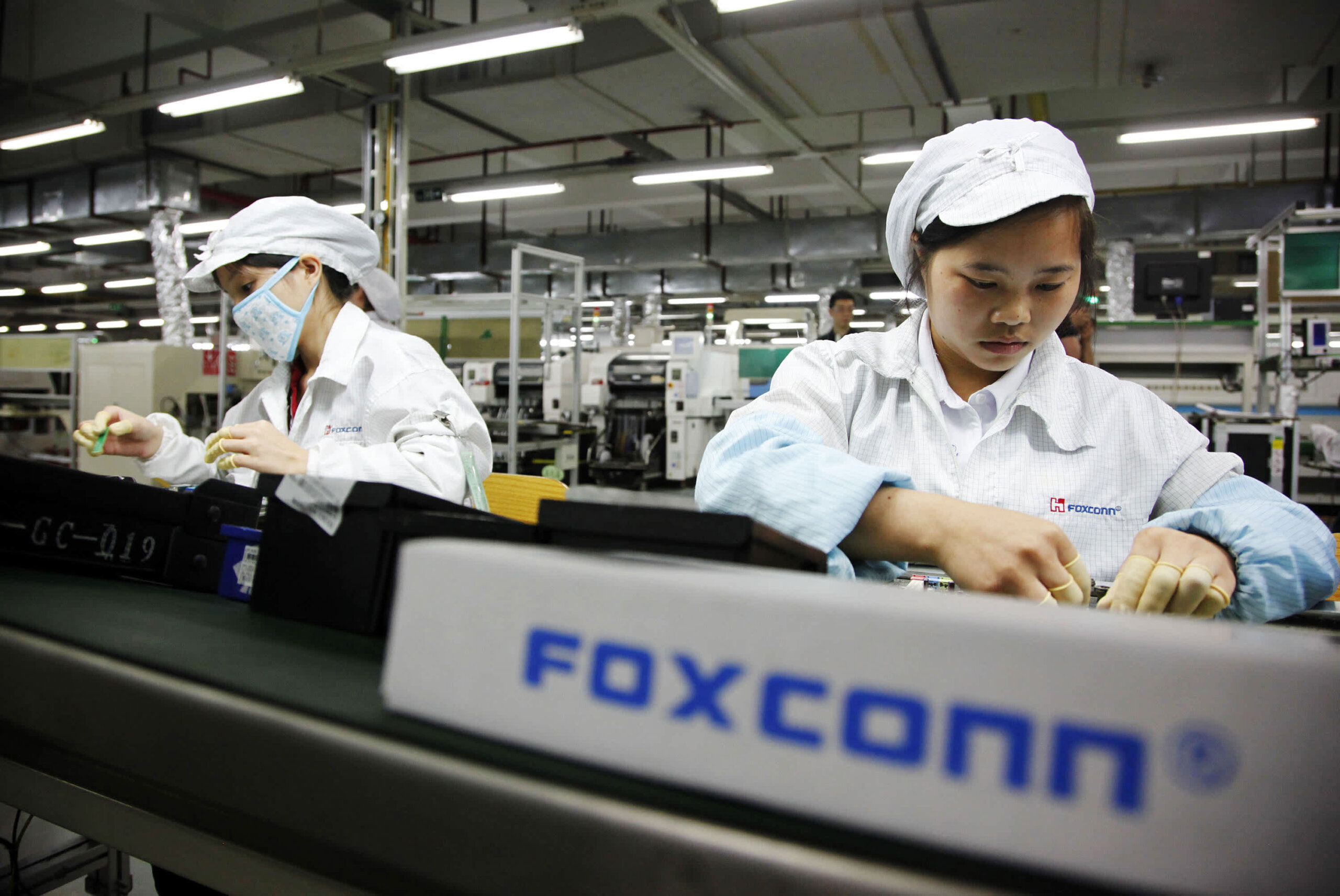
Apple devices are designed by Apple Inc. in Cupertino, California, and assembled by a global network of specialized manufacturing partners primarily located in China, Vietnam, India, and other key industrial hubs. While Apple exercises rigorous control over design, engineering, and software development, the physical assembly process is outsourced to third-party contract manufacturers who operate strictly under Apple's proprietary specifications and quality standards.
The Distinction Between Design and Assembly
To understand what is meant by "Apple manufactured," one must distinguish between the conceptual origins of a product and the physical location of its assembly. Apple Inc. functions as a "fabless" consumer electronics company, meaning it retains the intellectual property rights, the architectural design, and the software ecosystem (iOS, macOS, etc.) while offloading the high-capital-intensive labor of physical assembly to companies known as Original Design Manufacturers (ODMs) and Electronic Manufacturing Services (EMS).
The confusion often arises because, while Apple does not own the massive factories where millions of iPhones or MacBooks are built, it maintains a degree of oversight that is arguably the most stringent in the consumer electronics industry. The components within an Apple device—such as the custom-designed silicon (A-series or M-series chips)—are often engineered by Apple but fabricated by foundries like TSMC (Taiwan Semiconductor Manufacturing Company). Therefore, an "Apple manufactured" device is actually a collaborative result of Apple’s R&D, a global supply chain of component providers, and final-stage assembly partners.
Global Manufacturing Partners
Apple’s manufacturing footprint is geographically diverse, designed to balance risk, labor costs, and logistical efficiency. While historically concentrated in China, Apple has been actively diversifying its production to mitigate geopolitical and supply chain risks.
- Foxconn (Hon Hai Precision Industry): Based in Taiwan, Foxconn is Apple’s most prominent partner. It operates massive complexes, notably in Zhengzhou, China, which serve as the primary hubs for iPhone assembly.
- Pegatron: Another major Taiwanese firm, Pegatron serves as a secondary assembly partner for various Apple products, including iPhones and tablets, helping to balance production capacity during high-demand product launches.
- Luxshare Precision: A rapidly growing partner that has taken on significant assembly responsibilities, including AirPods, Apple Watch, and more recently, iPhone assembly, reflecting Apple’s strategy to integrate local Chinese players deeper into the supply chain.
- Wistron and Tata Electronics: In India, these firms have scaled up production to address both local market demand and export needs, marking a strategic shift in where Apple products are physically finalized.
Quality Control and Engineering Standards
The reason "Apple manufactured" implies a consistent standard of quality is due to the way Apple embeds its own engineers within the manufacturing facilities. Unlike companies that simply hand off blueprints to a factory, Apple sends its team to oversee the tooling, the calibration of assembly robots, and the final quality assurance (QA) protocols.
Every step of the process is tracked through internal systems to ensure that the tolerances—often measured in microns—remain within the strict parameters set by Apple’s design teams. This level of supervision is why an iPhone assembled in India is expected to be identical in performance and build quality to one assembled in China. The "Apple" mark on the back of the device signifies that it has passed through this rigorous validation pipeline, regardless of the specific country of origin.
Verification and Authenticity
Consumers often seek to verify the origin or the manufacturing history of their devices to ensure they are purchasing authentic, official Apple products rather than counterfeits or refurbished units sold as new.
To verify the manufacturing context of an Apple device, users should rely on:
- Serial Numbers: Every Apple device has a unique serial number that can be checked against the official Apple coverage portal. This verifies that the device is recognized within Apple’s service database.
- Model Numbers: The model number, found in Settings > General > About, indicates specific regional configurations. For example, specific model suffixes exist for different regional markets to comply with local radio frequency and regulatory standards.
- Authorized Resellers: The most reliable way to ensure you have a factory-direct product is to purchase from an Apple Store, the Apple Online Store, or an Apple Authorized Reseller.
Manufacturing and Product Lifecycle
The "Apple manufactured" lifecycle is a multi-year process. Development begins years in advance at Apple Park. Once a design is locked, Apple engages its supply chain to source components. The actual manufacturing phase usually peaks several months before a product launch to build up sufficient inventory.
| Feature | Apple's Role | Partner Role |
|---|---|---|
| Industrial Design | Complete Ownership | Implementation |
| Silicon Engineering | Complete Ownership | Foundry Fabrication |
| Assembly | Specifications & Oversight | Physical Labor & Logistics |
| Quality Control | Direct Supervision | Execution & Reporting |
| Logistics/Supply | Management & Coordination | Fulfillment & Warehousing |
Frequently Asked Questions
Does "Assembled in China" mean it is a fake Apple product? No. Most Apple products are designed in California but assembled in China by third-party partners like Foxconn. This is standard for genuine Apple devices.
Is there a difference in quality between Apple products made in different countries? Apple mandates the same quality standards, materials, and assembly procedures across all its global facilities. There should be no functional difference in build quality regardless of the assembly location.
Can I find out exactly which factory built my device? Apple does not provide a public tool for consumers to track a device back to a specific factory floor. However, the serial number confirms the device is authentic and is supported by Apple’s global warranty and service network.
How does Apple ensure safety and ethics in these factories? Apple publishes an annual Supplier Responsibility Progress Report. They require suppliers to adhere to a Supplier Code of Conduct, which includes strict regulations on labor rights, health and safety, and environmental impact.
Why does Apple move manufacturing between countries? Apple aims to diversify its supply chain to improve resilience against regional disruptions, logistical bottlenecks, and to better serve local market demand through regional production hubs.
Practical Steps for Verification
If you are concerned about the origin or status of your Apple device, the first step is to visit the official Apple Check Coverage page. Enter your device's serial number there. If the site recognizes the device and displays valid warranty status, you can be confident that it was produced within the Apple supply chain. If you are purchasing a used device, ensure that "Find My" is disabled and that the device is not activation-locked, as these are software indicators of an authentic, Apple-managed account ecosystem.
If you are experiencing hardware issues, contact Apple Support directly. They can access the full history of the device’s manufacturing specifications using the serial number and provide guidance on whether a repair is covered under the original purchase terms or extended AppleCare+ plans. Avoid third-party "checkers" that claim to reveal hidden data about your device; these are often data-harvesting sites and cannot provide information beyond what is available on official Apple channels.
For those concerned about environmental impact, Apple’s website also provides details on the recycled content used in its manufacturing process, which is part of the company's broader effort to achieve carbon neutrality across its entire supply chain by 2030. Understanding that "Apple manufactured" is a global, collaborative effort helps clarify why these devices maintain such a high degree of uniformity despite the vast scale of their production.