The relationship between Apple’s silicon design and ARM architecture represents one of the most significant pillars of modern computing. Apple utilizes an architectural license from ARM, which grants the company the right to modify the core ARM instruction set architecture (ISA) to build its own custom proprietary processor designs, most notably the Apple Silicon M-series and A-series chips.
The Foundation of the ARM Architecture
To understand Apple’s integration, one must first understand what ARM (Advanced RISC Machines) provides. ARM is not primarily a hardware manufacturer in the traditional sense; rather, it is an intellectual property (IP) firm. It develops the instruction set architecture—the fundamental language that software uses to communicate with hardware.
Most computing companies license ARM’s "off-the-shelf" core designs, such as the Cortex-A series, which come pre-optimized for performance, power efficiency, or area. However, Apple operates under a different tier of agreement: the Architectural License. This contract allows Apple to design its own processor cores that remain binary-compatible with the ARM ISA. This distinction is critical; it is the reason Apple can optimize its processors for its specific hardware-software ecosystem in a way that standard ARM-based devices often cannot.
Architectural Licensing vs. Core Licensing
The industry generally splits ARM’s business model into two main categories:
- Processor Core Licensing: Companies pay ARM to use their pre-designed blueprints. This is the common path for most smartphone and IoT manufacturers. It allows for a faster time-to-market but restricts the company's ability to fundamentally alter the chip's core logic.
- Architectural Licensing: This is the arrangement held by companies like Apple, NVIDIA, and Qualcomm. This license grants the licensee the right to design their own proprietary processor architecture from the ground up, as long as the design complies with the ARM ISA standards.
By utilizing an architectural license, Apple assumes the heavy lifting of engineering its own microarchitecture. This grants them control over the placement of transistors, the size of caches, and the integration of specialized silicon—such as the Neural Engine or the unified memory architecture—while maintaining compatibility with the vast library of software written for the ARM ISA.
The Evolution of Apple Silicon: From Mobile to Desktop
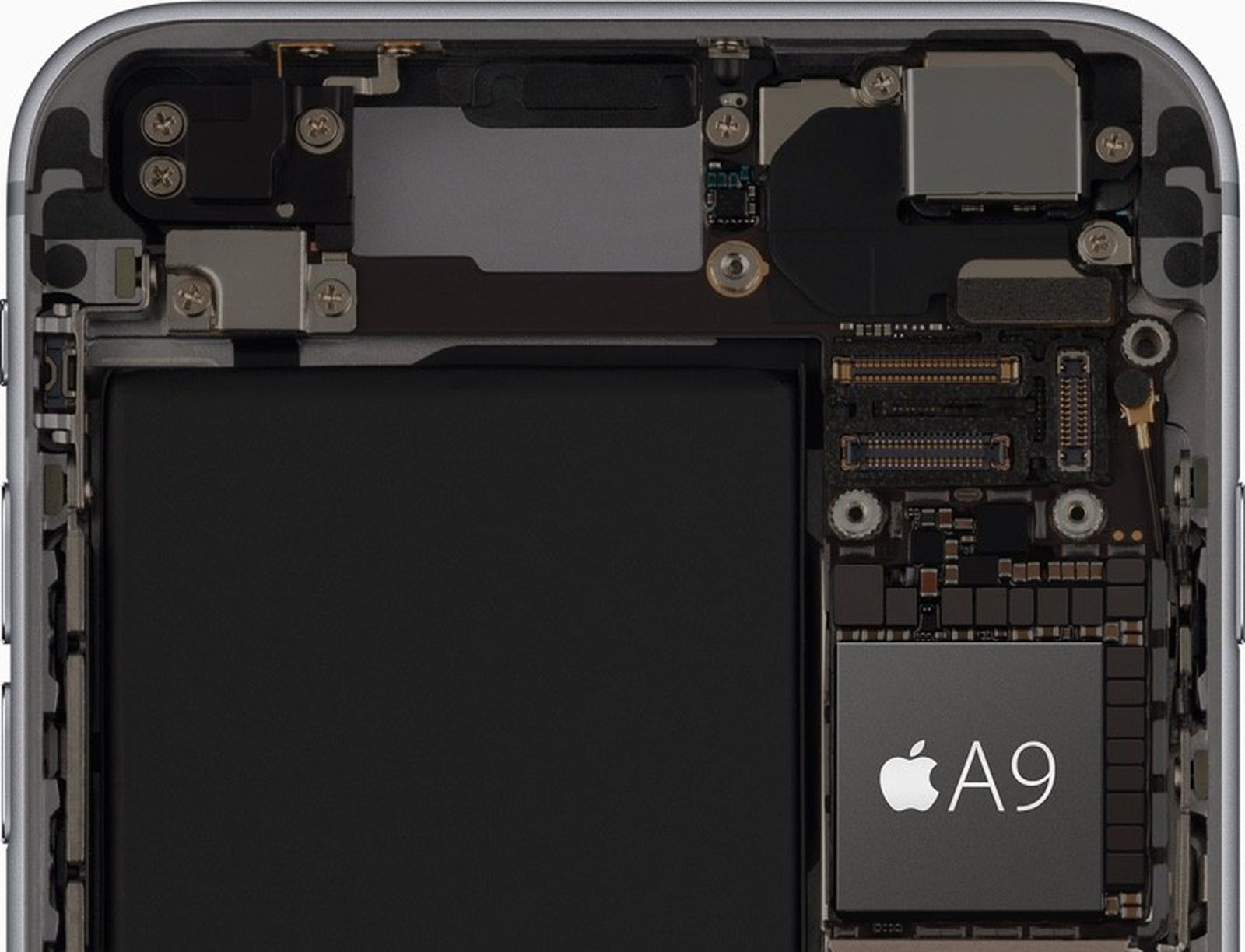
Apple’s journey with ARM technology began long before the launch of the M1 chip in 2020. The company’s investment in custom silicon dates back to the acquisition of P.A. Semi in 2008. By developing its own ARM-based chips (the A-series), Apple was able to achieve performance per watt that frequently exceeded that of competitors using standard third-party chipsets.
When Apple transitioned its Mac lineup from Intel processors to its proprietary Apple Silicon, it leveraged decades of ARM-based experience gained from the iPhone and iPad. This transition was not merely a change in hardware; it was a complete realignment of the computing stack. Because Apple owned the architectural design of the chip, it could mandate how the operating system (macOS) interacted with the hardware, resulting in significant improvements in battery life, heat management, and performance for intensive tasks like video editing and software compilation.
Technical Implications of the ARM ISA for Apple
The ARM architecture is defined by its Reduced Instruction Set Computer (RISC) nature, which emphasizes simple, highly efficient instructions. This stands in contrast to the Complex Instruction Set Computer (CISC) architecture favored by traditional PC manufacturers.
For Apple, the efficiency of the ARM ISA allows for:
- Unified Memory Architecture (UMA): By controlling the chip design, Apple integrates the RAM directly into the processor package, allowing the CPU, GPU, and Neural Engine to access the same data pool without the overhead of copying information across different memory buses.
- High-Efficiency and High-Performance Core Pairing: Apple’s custom designs utilize a "big.LITTLE" or "performance/efficiency" core strategy, where background tasks run on low-power cores, preserving battery life, while heavy workloads trigger the performance cores.
- Customized Specialized Accelerators: Apple embeds custom silicon for specific tasks, such as the ProRes video encoders or the Secure Enclave, which standard ARM core licenses do not offer.
Strategic Costs and Operational Requirements
Maintaining an architectural license with ARM is a significant financial and technical undertaking. While specific contract details are proprietary, architectural licensees pay substantial upfront fees and royalties on every chip shipped. Furthermore, the internal cost of maintaining a world-class semiconductor engineering team is measured in the billions of dollars annually.
For a firm to justify this model, it must ship high-volume products across multiple categories. Apple justifies this through its massive scale in smartphones, tablets, and personal computers. The ability to reuse the same fundamental ARM-compatible design across the A-series and M-series chips provides significant economies of scale, justifying the enormous R&D investment required to keep the architecture competitive.
Comparison of Chip Design Strategies
| Feature | Off-the-Shelf Licensing | Apple Architectural License |
|---|---|---|
| Core Design | Standard ARM blueprints | Proprietary/Custom designs |
| Development Cost | Moderate (lower R&D) | High (significant R&D) |
| Time-to-Market | Faster | Slower (due to custom design) |
| System Integration | Dependent on external vendors | Fully integrated (Vertical) |
| Performance Control | Limited by vendor roadmaps | Full control over efficiency |
Legal and Competitive Landscape in 2026
In 2026, the licensing landscape remains stable but highly scrutinized by global regulators. ARM Holdings continues to provide the underlying standards that power global computing, while Apple remains one of the largest and most influential users of the ARM ecosystem.
One common misconception is that Apple "owns" the ARM architecture. In reality, Apple is a customer. The relationship is governed by long-term agreements that were extended significantly in 2023. These agreements ensure that Apple retains access to the ARM ISA for years to come, securing the foundation of its hardware strategy well into the future.
Frequently Asked Questions
Does Apple pay ARM for every chip they sell? Yes. Apple’s architectural license includes royalty obligations to ARM. While the exact percentage or per-chip fee is confidential, Apple pays these royalties as part of its agreement to utilize the ARM instruction set architecture in its proprietary silicon.
Could Apple switch away from ARM to RISC-V? While RISC-V is a growing open-source architecture, shifting the entire macOS and iOS ecosystem away from ARM would be a monumental technical challenge. Apple has built its entire software library, developer tools, and hardware optimization pipeline around ARM for over a decade. A switch to a different architecture would require a complete re-compilation of software and a redesign of their custom IP blocks.
What is the difference between ARMv8, ARMv9, and future versions? These represent different "generations" of the ARM instruction set. Newer versions introduce improved security, better support for AI workloads, and new computational instructions. Apple’s architectural license allows them to implement these standards in their own way, ensuring that their chips remain compatible with the latest software updates while pushing the boundaries of what is possible in silicon.
Does Apple's ARM license grant them ownership of ARM technology? No. Apple holds an architectural license that allows them to innovate on top of the ARM architecture. The ownership of the fundamental intellectual property, patents, and core ISA remains with ARM Holdings.
Is it possible for other companies to replicate Apple's model? Theoretically, yes. Any company can negotiate for an architectural license if they possess the capital and the engineering expertise. However, the model requires a massive volume of sales to amortize the R&D costs and a vertical integration strategy that spans both hardware and software—a combination few companies in the world have managed to achieve.
Next Steps for Developers and Investors
For developers, the implication of this licensing model is clear: focus on ARM-native applications. With Apple’s continued reliance on its custom silicon, software that is optimized for Apple Silicon (ARM64) will always perform better than software running through translation layers like Rosetta 2.
For those tracking the industry, the key is to monitor the ongoing technical advancements in ARMv9 and future ISA iterations. Apple’s ability to turn these architectural updates into user-facing performance gains in devices—whether through increased AI throughput or reduced thermal footprints—will remain the primary indicator of their hardware strategy’s success.