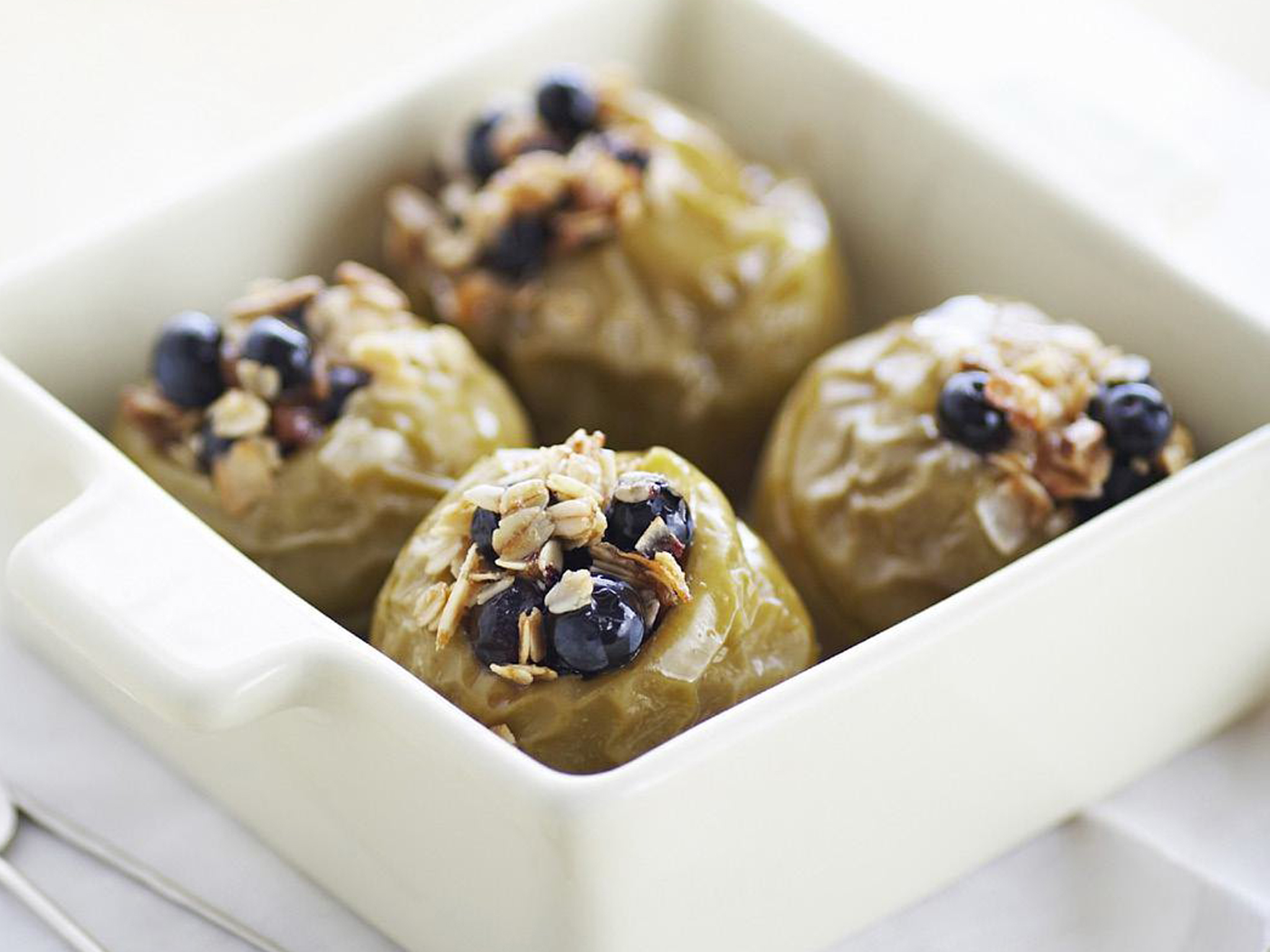
The short answer is no: an apple is not technically a berry. While the common confusion arises from a misunderstanding of botanical terminology, apples are classified as "pomes," a specific category of accessory fruit. True berries, in the strict botanical sense, are fleshy fruits produced from a single ovary, whereas apples develop from both the ovary and the surrounding floral tissue.
Understanding Botanical Taxonomy
To resolve the confusion surrounding the classification of fruits, it is necessary to move beyond the culinary definitions of what constitutes a "berry." In a kitchen, we often refer to anything small, soft, and juicy as a berry—think of strawberries, raspberries, or blackberries. Botanically, however, these common fruits often fall outside the definition of a berry, while items like bananas, watermelons, and pumpkins are classified as such.
Botanical classification relies on the structure of the flower and the development of the fruit from the ovary. A true botanical berry is defined as a fleshy fruit produced from a single ovary, containing seeds embedded within the flesh. To be a berry, the fruit must have an exocarp (the skin), a mesocarp (the fleshy middle), and an endocarp (the innermost layer that holds the seeds).
Why the Apple is Classified as a Pome
Apples belong to the family Rosaceae, specifically the tribe Maleae. Unlike a berry, which derives exclusively from the ovary of a flower, an apple is considered an "accessory fruit." This means the edible portion of the apple is not derived from the ovary itself, but rather from the receptacle—the thickened part of the stem from which the flower organs grow.
When an apple blossom is fertilized, the ovary (which becomes the core) begins to swell, but it is quickly surpassed in size and volume by the receptacle. The receptacle tissue thickens and becomes fleshy, forming the part of the fruit we actually consume. Because the primary edible part of the apple is accessory tissue rather than ripened ovary tissue, it cannot be categorized as a berry. This structural distinction places the apple firmly in the "pome" category, a group it shares with pears, quince, and medlars.
Comparison of Fruit Classifications
It is helpful to contrast the structural differences between pomes, true berries, and other fruit types to understand why apples do not fit the berry criteria. The table below outlines these differences based on their botanical development.
| Fruit Type | Botanical Origin | Key Characteristics | Common Examples |
|---|---|---|---|
| Berry | Single ovary | Fleshy, seeds embedded in pericarp | Banana, Grape, Tomato, Cranberry |
| Pome | Accessory tissue | Fleshy receptacle surrounds a core | Apple, Pear, Quince |
| Drupe | Single ovary | Fleshy exterior with a hard, stony pit | Peach, Cherry, Plum |
| Aggregate | Multiple ovaries | Several tiny drupelets on one receptacle | Raspberry, Blackberry |
As illustrated in the table, the defining factor is the source of the fruit’s flesh. In a berry, the entire fleshy wall of the ovary (the pericarp) ripens into the edible fruit. In a pome, the fleshy part is derived from the base of the flower petals and sepals, leaving the ovary as the central, fibrous core.
Why "Berries" Are Often Misidentified
The confusion regarding apples, strawberries, and other fruits often stems from the fact that our common language uses "berry" as a marketing or culinary term rather than a scientific one. Culinary labels prioritize convenience, texture, and flavor profile, whereas botanical labels prioritize reproductive strategy and evolutionary morphology.
Many fruits commonly called berries are actually "aggregate fruits." For example, a strawberry is not a berry because it does not develop from a single ovary. Instead, it develops from a flower with numerous ovaries that ripen into tiny, individual fruits called achenes—the "seeds" on the outside of a strawberry. Similarly, raspberries are aggregate drupes, made up of many small, individual stones surrounding a central core.
The Developmental Life Cycle of an Apple
The transition from a flower to an apple fruit is a complex biological process that unfolds over several months. It begins with pollination, where pollen is transferred to the stigma of the apple blossom. Once the ovules inside the ovary are fertilized, hormonal signals trigger the rapid growth of the surrounding hypanthium—the cup-shaped base of the flower.
During the development stage, the hypanthium tissue accumulates sugars, starches, and water, transforming into the crisp, edible flesh of the apple. The ovary, positioned in the center, develops a leathery, fibrous wall to protect the seeds. By the time the fruit reaches maturity, the distinction between the ovary (the core) and the receptacle (the flesh) is clearly defined. This development path is fundamentally different from a grape or a blueberry, where the fruit wall is a direct extension of the ovary itself.
Common Misconceptions and Botanical Trivia
The "apple is a berry" myth is one of several common misconceptions about plant anatomy. Another frequent point of confusion is the status of the banana. Many people find it surprising that, in the strict botanical definition, a banana is a berry. It originates from a single ovary and contains seeds (though the commercial varieties we eat are sterile and have evolved to lose their functional seeds).
Understanding these classifications does not change the nutritional value or the culinary utility of the apple. Whether botanically classified as a pome or a berry, an apple remains a rich source of dietary fiber, vitamin C, and various antioxidants. The purpose of botanical classification is to better understand the evolutionary relationships between plant species, which aids in agriculture, cross-breeding, and pest management.
Impact of Botanical Definitions on Agriculture
For horticulturists and fruit breeders, the distinction between a pome and a berry is crucial. The way a fruit develops determines its susceptibility to specific diseases and its requirements for harvest and storage. For instance, pomes like apples and pears are climacteric fruits, meaning they continue to ripen after being picked due to ethylene production. This allows for a specific post-harvest management strategy that differs significantly from most botanical berries, which often do not ripen further once removed from the vine.
Furthermore, the genetic markers associated with pome development are distinct from those in berries. Researchers working on apple tree health focus on the specific genetic pathways that govern receptacle expansion. If apples were classified as berries, it would lead to significant confusion in agricultural research papers, as the physiological and anatomical targets for gene expression would be fundamentally misidentified.
How to Identify Fruits Botanically
If you wish to test a fruit to see if it is a true berry, you can perform a simple cross-section examination. If you slice the fruit open and see a fleshy exterior where the seeds are scattered throughout the interior flesh without a hard, central stone or a leathery core, there is a high likelihood you are looking at a botanical berry.
When you apply this to an apple, you will find the leathery core (the remains of the ovary) sitting in the center, clearly separated from the fleshy receptacle. This internal structure is the definitive "no" to the question of whether an apple is a berry. The existence of a distinct, fibrous core is the hallmark of the pome, confirming that the fruit did not originate solely from an ovary.
Summary of Botanical Facts
- Definition of a Berry: A fruit produced from a single ovary with seeds embedded in the flesh.
- Definition of a Pome: An accessory fruit where the fleshy part is formed from the floral receptacle.
- Apple Morphology: Apples possess a leathery core (ovary) surrounded by flesh (receptacle), identifying them as pomes.
- Common Errors: Culinary definitions often group disparate fruit types (like strawberries or raspberries) as berries, causing broader confusion about plant biology.
Frequently Asked Questions
Why do some people claim an apple is a berry? This claim usually originates from an oversimplified or incorrect interpretation of botany. Some sources try to apply loose definitions of "fleshy fruit" to include apples, but these ignore the fundamental requirement that a berry must develop from a single ovary without significant accessory tissue contribution.
Is a tomato a berry? Yes, botanically speaking, a tomato is a true berry. It develops from a single ovary and has seeds embedded within the fleshy pericarp. This highlights the disconnect between culinary use—where tomatoes are treated as vegetables—and botany, where they are classic examples of berries.
What is the difference between a pome and a drupe? A pome, like an apple, has a core with multiple seeds protected by leathery tissue. A drupe, like a peach or a cherry, has a single, hard pit (a stone) that protects the seed, and the edible flesh is derived directly from the ovary wall rather than the receptacle.
Does this distinction matter for nutrition? No. Whether a fruit is classified as a pome, a berry, or a drupe has no impact on its caloric content, vitamin profile, or health benefits. The classification is purely a tool for scientists to categorize plant evolution and anatomy.
Are there any "hidden" berries in the grocery store? Yes, many fruits commonly mistaken for other types are botanical berries, including bananas, pumpkins, watermelons, cucumbers, and even eggplants. These all fit the strict botanical criteria of being single-ovary, fleshy fruits.
Final Recommendation
The next time you enjoy an apple, you can appreciate it for what it truly is: a remarkable example of an accessory fruit. If you are interested in deepening your understanding of plant biology, try examining the structure of other fruits in your kitchen. Compare a blueberry to an apple, and you will immediately see the difference between the simple, uniform structure of a true berry and the complex, dual-layered anatomy of the pome. This shift in perspective turns a simple snack into a lesson in evolutionary botany.