The cost of Apple enterprise adoption is rarely a single line item; it is a multifaceted expenditure comprising hardware procurement, Apple Business Manager integration, Mobile Device Management (MDM) licensing, and ongoing professional service fees. Organizations must weigh upfront capital investment against long-term operational savings, as Apple’s enterprise ecosystem emphasizes lower total cost of ownership (TCO) through lifecycle longevity and reduced support overhead.
Defining the Apple Enterprise Ecosystem
When discussing "Apple enterprise cost," it is essential to clarify that Apple does not sell an "Enterprise License" in the same way software-as-a-service (SaaS) providers offer tiered subscription levels. Instead, the enterprise cost is derived from the integration of three distinct pillars: hardware, management platforms, and deployment services.
For many IT decision-makers, the perceived high entry cost of Apple devices—compared to commodity-grade Windows laptops—is the primary barrier. However, modern financial analysis in 2026 suggests that the delta is significantly offset by the hardware’s high resale value, the maturity of Apple silicon, and the reduction in "help desk" tickets required for device maintenance.
Hardware Procurement: CAPEX Considerations
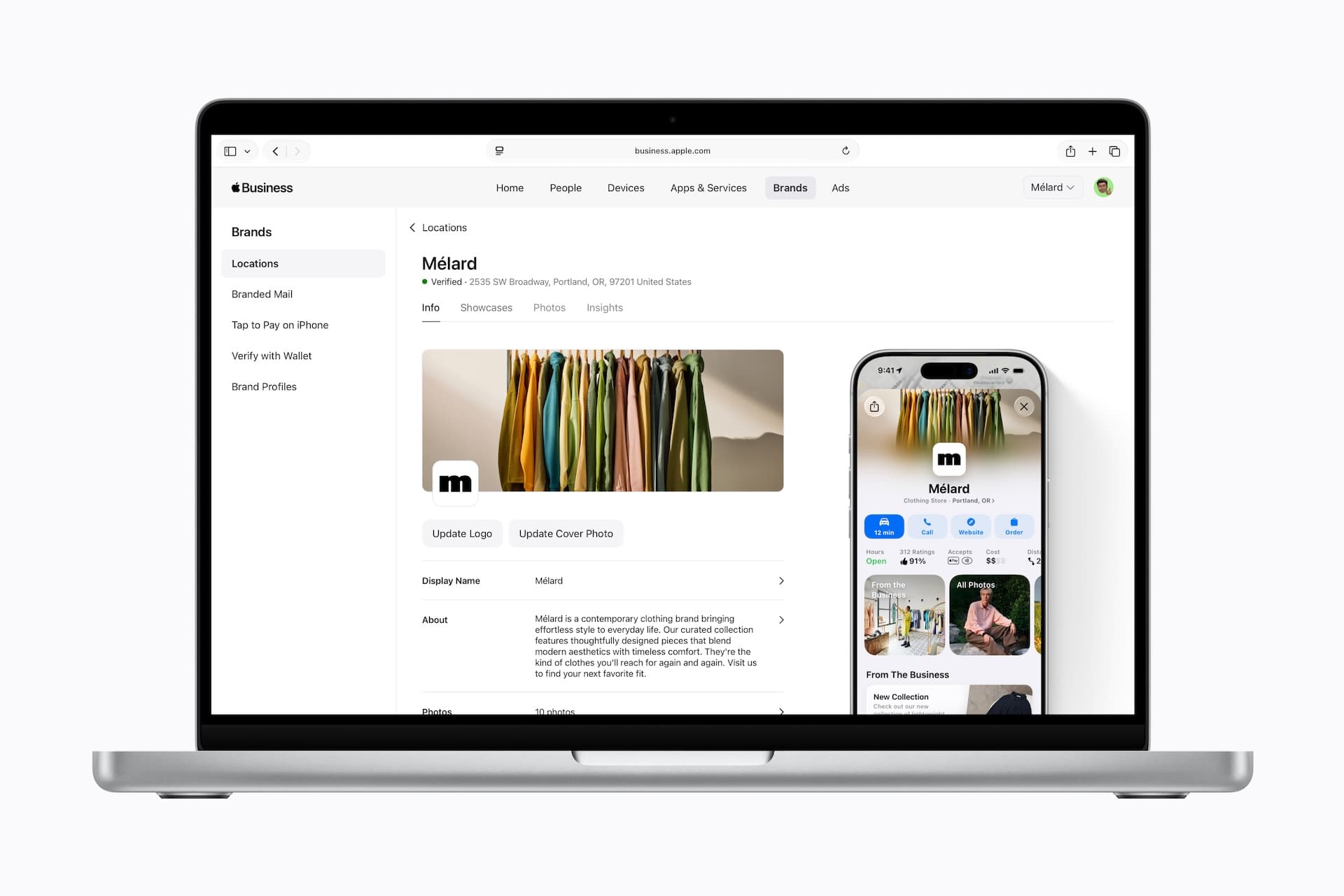
Hardware remains the most visible cost. Unlike consumer retail purchases, enterprise procurement relies on the Apple Business Manager (ABM) portal, which allows organizations to link their account to authorized resellers.
Direct vs. Reseller Pricing
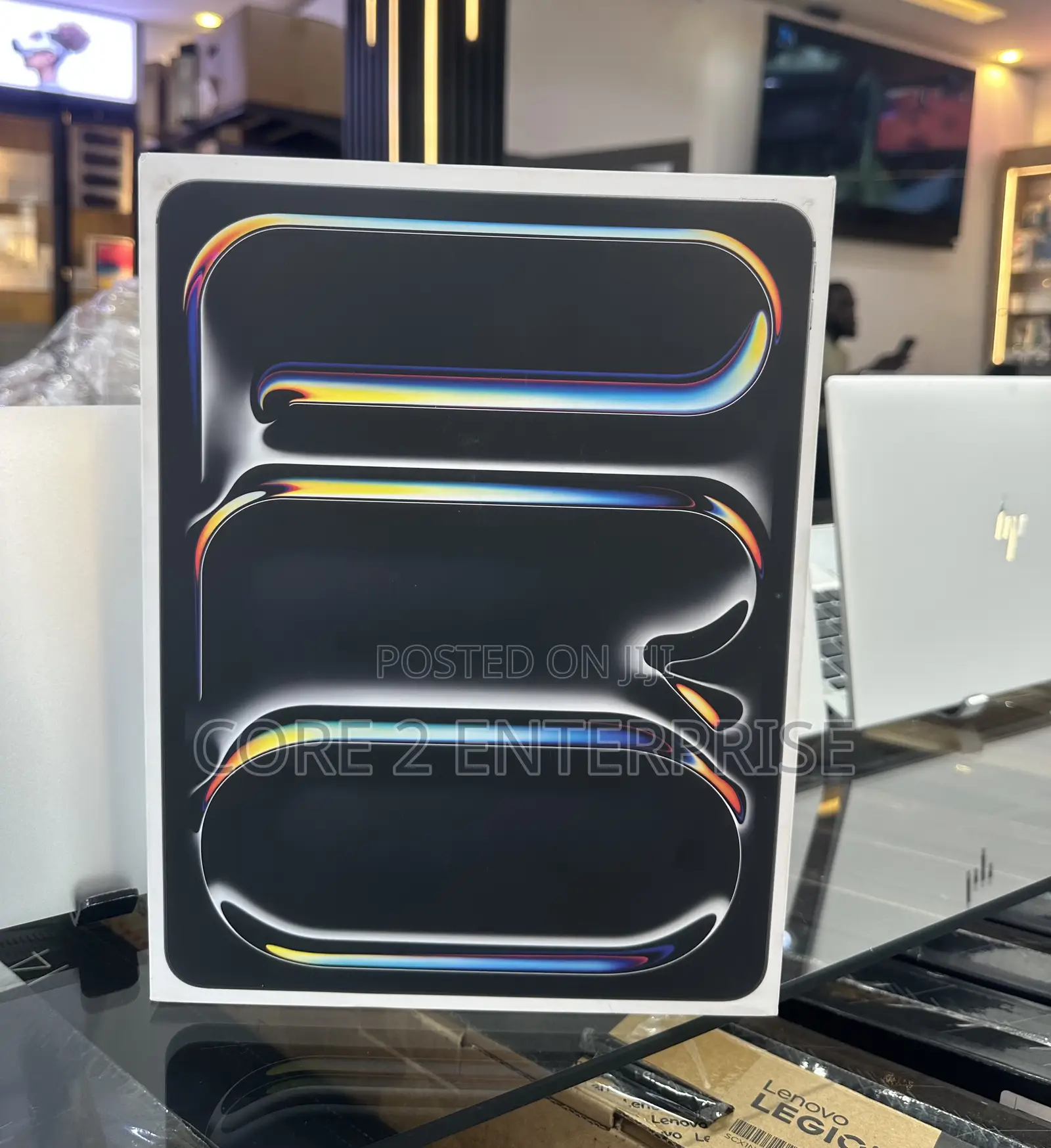
Purchasing directly from Apple through an enterprise account ensures that devices are automatically enrolled in your MDM solution upon unboxing (Zero-Touch Deployment). While list prices for a MacBook Pro or iPad Pro are publicly visible, businesses with significant volume may negotiate volume pricing through Apple Authorized Resellers.
- Standard MSRP: Suitable for small teams (1–50 devices).
- Volume Discounting: Typically begins at thresholds specific to the reseller's contract, often involving 100+ units.
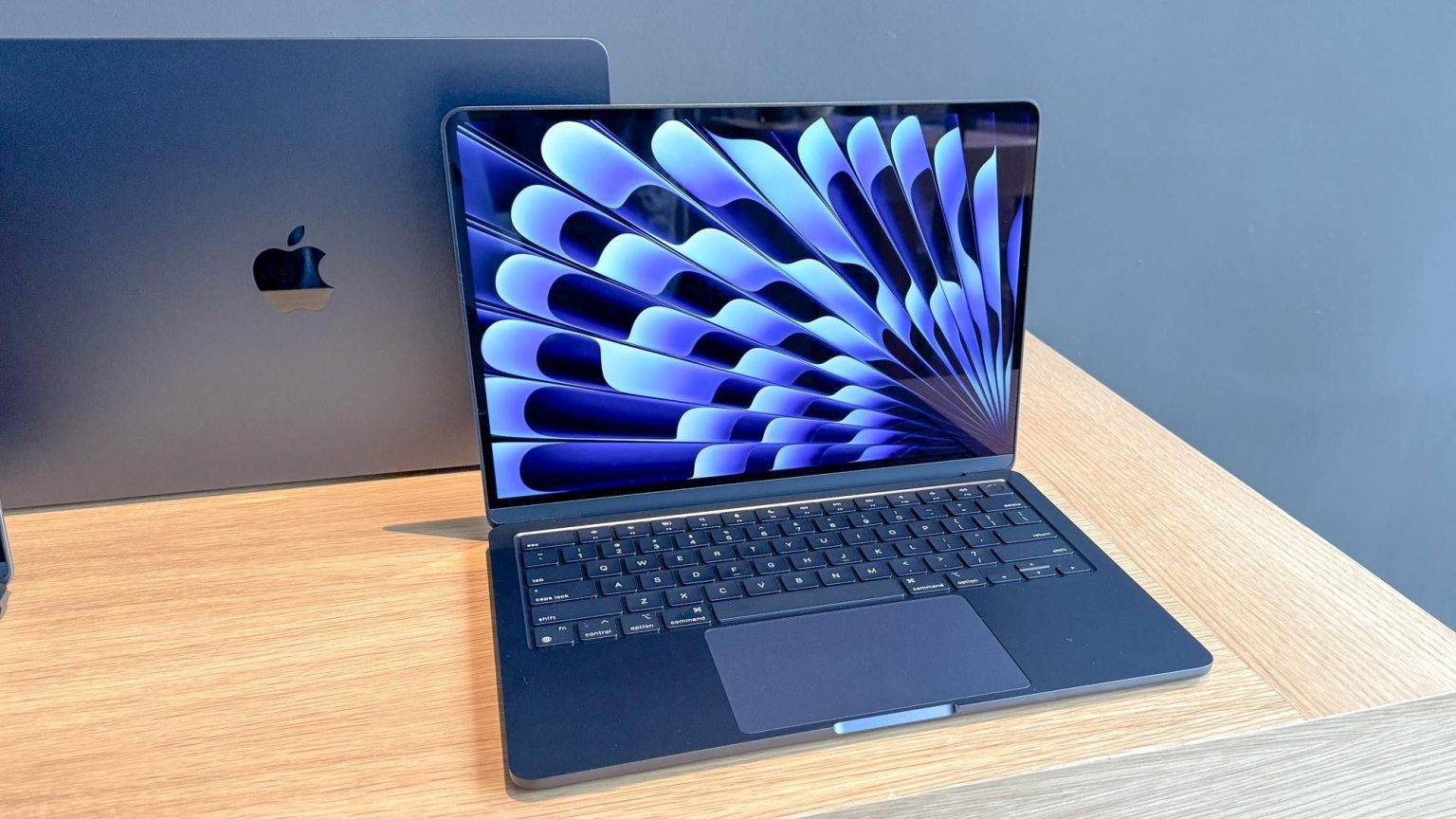
- Lifecycle Costs: When calculating the cost of a device, divide the purchase price by the expected lifecycle. In 2026, most enterprise-grade MacBooks remain high-performing for 4 to 5 years, whereas consumer alternatives often necessitate replacement or significant upgrades after 3 years.
Mobile Device Management (MDM) Licensing
A device is not "enterprise-ready" until it is governed by an MDM solution. This is the software layer that allows administrators to enforce security policies, deploy configurations, and wipe lost or stolen devices.
MDM vendors operate on a per-device, per-month (or per-year) licensing model. Costs fluctuate based on the granularity of control required:
- Basic MDM: Primarily focuses on inventory management and remote wipe capabilities.
- Advanced Endpoint Management: Includes automated patch management, software deployment, and compliance reporting (e.g., ensuring FileVault disk encryption is active).
Comparative Licensing Costs
| MDM Tier | Annual Cost per Device | Primary Features |
|---|---|---|
| Basic Management | $15–$25 | Device enrollment, inventory, remote wipe. |
| Advanced Enterprise | $40–$75 | Automated deployment, patch management, OS updates. |
| Security-Focused | $80–$120 | Zero Trust integration, compliance automation, deep logs. |
Note: Prices are estimated annual averages based on 2026 market standards for enterprise-grade solutions.
The Hidden Costs: Infrastructure and Professional Services
Beyond hardware and software licenses, enterprises must account for the "soft costs" associated with Apple integration. These are frequently underestimated in initial budget forecasts.
Training and Certification
Your IT staff may require specific training to manage macOS and iOS at scale. Apple provides the Apple Professional Training curriculum. While some self-paced modules are free, advanced certifications for systems administrators involve examination fees and potential training course costs, which should be factored into the yearly IT professional development budget.
AppleCare for Enterprise (ACE)
Standard warranties are insufficient for enterprise operations. AppleCare for Enterprise (ACE) provides 24/7 technical support, on-site service options, and dedicated account management.
- Cost Structure: ACE is priced per device or as a service contract for the entire fleet.
- Value Proposition: The primary financial benefit of ACE is the mitigation of "downtime cost." If a mission-critical device fails, the cost of the replacement part is less relevant than the cost of the employee’s lost productivity.
Total Cost of Ownership (TCO) Analysis
To accurately report the enterprise cost to stakeholders, use a TCO model that spans the expected life of the asset. Many CFOs commit the error of focusing exclusively on the initial invoice.
Key Factors for TCO Reduction
- Self-Service Portals: By using an app catalog (via your MDM), employees can install authorized software without opening a ticket. This reduces labor costs for your IT help desk.
- Automated Updates: macOS and iOS allow for standardized update scheduling. This prevents the "patch-day" manual labor that plagues many heterogeneous environments.
- Resale Value: Because Apple hardware retains 30–45% of its value after four years, the net cost of the hardware is significantly lower than that of machines that lose almost all market value within the same window.
Common Pitfalls in Budgeting
When building your 2026 enterprise budget, avoid these common mistakes:
- Ignoring Accessory Costs: Enterprise deployments often require specialized docks, dongles, and ruggedized cases for mobile units. Budgeting an additional 10–15% per unit for accessories is standard practice.
- Overlooking Integration Fees: If your organization uses complex proprietary legacy software, you may need middleware or virtualization solutions (like Parallels or cloud-based desktop streaming) to run these apps on macOS.
- Underestimating Security Requirements: Many regulated industries (finance, healthcare) require endpoint detection and response (EDR) agents to be installed on top of MDM. These security agents come with their own per-seat licensing fees.
Implementation Steps for Cost Efficiency
- Consolidate Vendors: Use a single, reputable MDM provider to prevent "feature bloat" and multiple overlapping license fees.
- Leverage Apple Business Manager (ABM): It is a free service, but failing to use it results in "manual setup" labor costs. Always integrate your hardware purchases with ABM to automate the enrollment process.
- Standardize the Fleet: Avoid the cost of supporting dozens of different hardware configurations. Create "profiles" (e.g., "Developer," "Sales," "Executive") and purchase identical hardware models within those tiers to simplify image management and troubleshooting.
- Implement a Refresh Policy: Establish a clear 4-year cycle for device rotation. Keeping hardware beyond 4 years often leads to increased support costs that exceed the price of a new device.
Frequently Asked Questions
Does Apple offer enterprise discounts for small businesses?
Apple does not typically provide "enterprise" discounts for smaller fleets in the same way they do for massive corporate deployments. However, purchasing through authorized business channels or utilizing Apple Financial Services (AFS) for leasing can improve cash flow and provide predictable monthly operational expenses.
Is AppleCare for Enterprise mandatory?
It is not mandatory, but it is highly recommended for any fleet where device availability is critical to revenue. Without ACE, support is restricted to standard Apple consumer warranty channels, which lack the SLAs required for enterprise environments.
How do I calculate the "Human Cost" of Apple integration?
The human cost is measured by the number of IT tickets generated per user. Because macOS is historically more stable and requires less frequent reimaging than other operating systems, most enterprises find that the IT labor required per macOS user is lower than that of other platforms.
Can I mix Apple hardware with other OS environments?
Yes. Most enterprise MDM solutions are "multi-platform," meaning you can manage Apple devices alongside others. However, you should check your MDM provider's pricing, as some charge a premium for managing mixed-platform environments.
What is the most significant hidden cost in an Apple deployment?
The most common hidden cost is "configuration drift." If your organization does not strictly enforce MDM policies, devices become unique snowflakes that are difficult to support. Investing time in perfecting your automated configuration profiles early on is the best way to prevent long-term cost escalation.
Final Recommendation
To control your enterprise Apple costs, shift your focus from the acquisition price to the lifecycle efficiency. Prioritize the use of Apple Business Manager and automated MDM enrollment to eliminate manual labor. Evaluate your hardware needs based on specific roles, and utilize leasing or hardware-as-a-service programs to transform capital expenditure into predictable monthly operating expenses. Before proceeding with a large-scale rollout, pilot a small group to measure the actual support overhead within your specific network architecture.