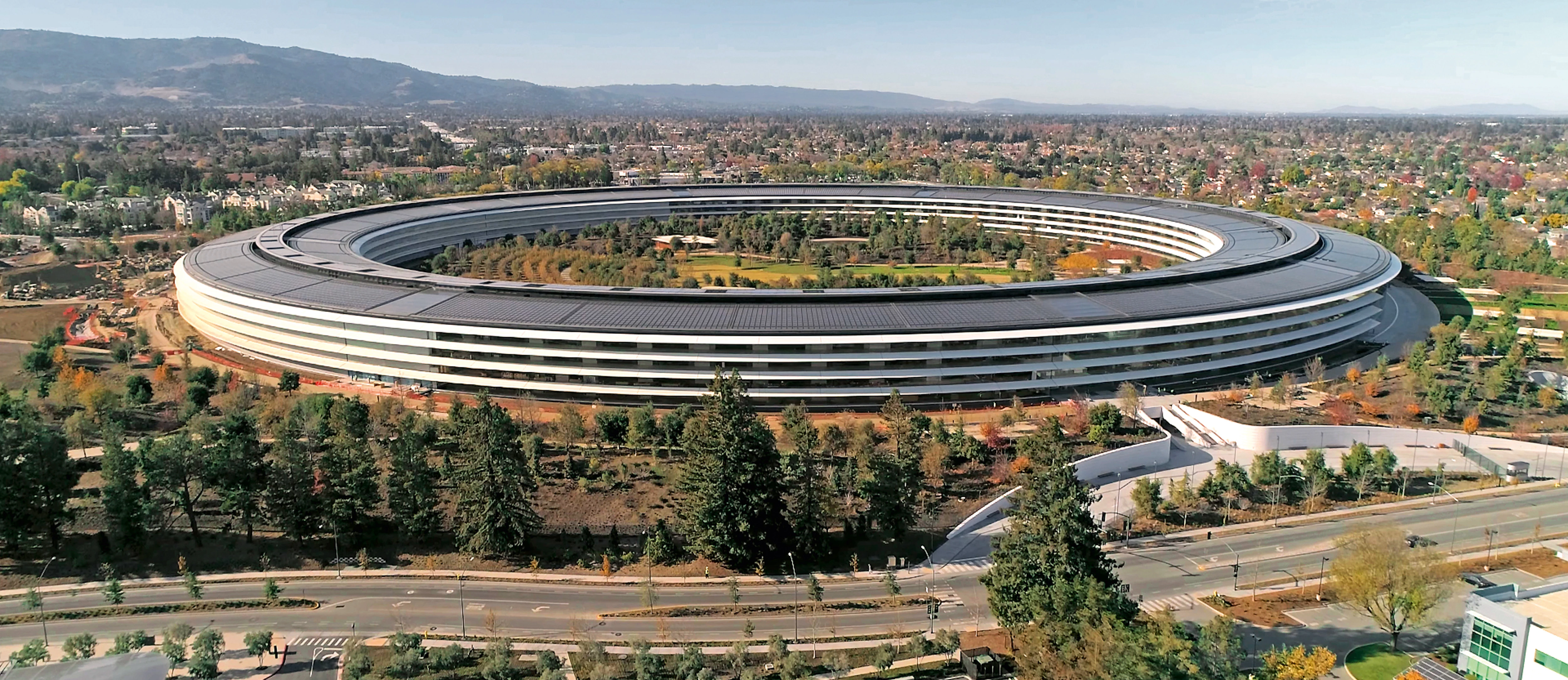
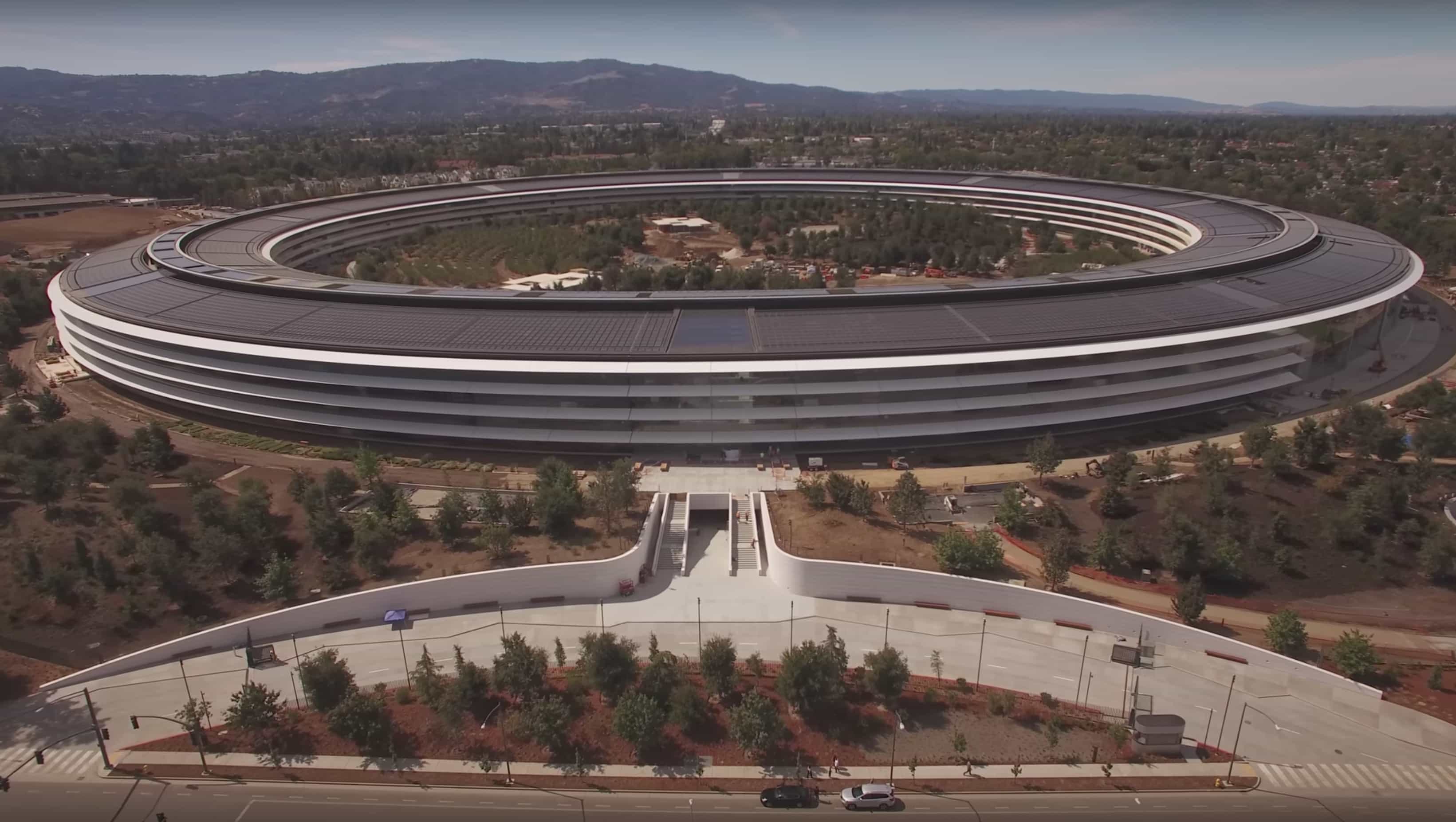
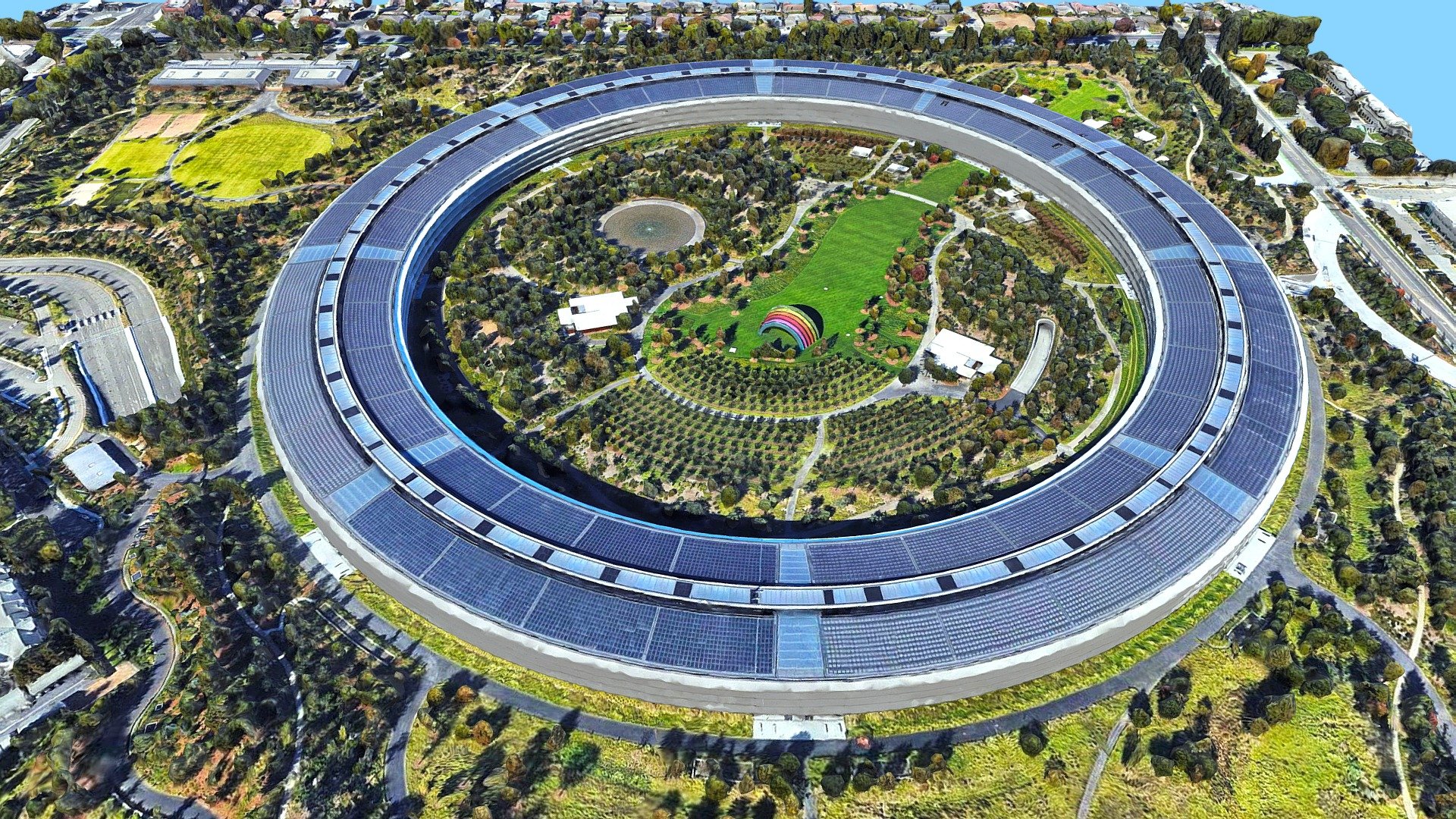
Apple’s corporate headquarters are located in Cupertino, California. The primary administrative hub for the organization is Apple Park, a massive 175-acre campus that serves as the global center for the company’s operations, research, and design. While Apple maintains a vast network of offices worldwide, Cupertino remains the official legal and operational base of the corporation.
The Significance of Cupertino in Apple’s History
Cupertino, a city situated in Santa Clara County, California, has been inextricably linked to the identity of Apple since the company’s early years. When Steve Jobs, Steve Wozniak, and Ronald Wayne founded the company in 1976, their initial operations were humble, starting in a garage in Los Altos. However, as the company scaled, it sought a permanent home in the heart of what would become Silicon Valley.
For decades, the company’s address at 1 Infinite Loop served as the iconic symbol of its corporate presence. During the late 1990s and early 2000s, this circular office park became synonymous with the "Think Different" era and the launch of revolutionary products like the iMac, the iPod, and the initial iPhone. By establishing its deep roots in Cupertino, Apple benefited from the region's concentration of top-tier engineering talent, venture capital accessibility, and a collaborative ecosystem of technology pioneers.
Apple Park: The Modern Global Headquarters
In April 2017, Apple officially opened its new, state-of-the-art campus known as Apple Park. This facility represents a monumental shift in corporate design, moving away from traditional grid-based office layouts toward a unified, circular structure often referred to by the public as "the spaceship."
Architectural Vision and Scope
Designed by the renowned firm Foster + Partners, Apple Park is a masterclass in modern architecture and environmental integration. The main building—the Ring—is one of the largest naturally ventilated buildings in the world. It spans over 2.8 million square feet and accommodates more than 12,000 employees. The glass-heavy exterior allows for seamless transitions between the indoor workspaces and the lush, drought-resistant landscape that surrounds the campus.
Sustainability and Energy Goals
Apple has positioned its Cupertino operations as a model for corporate sustainability. The campus runs entirely on 100% renewable energy, sourced from a combination of rooftop solar arrays, on-site fuel cells, and external renewable energy projects. By prioritizing low-carbon building materials and high-efficiency climate control systems, Apple Park serves as the blueprint for the company’s broader goal of carbon neutrality across its entire global supply chain and product life cycle by 2030.
Navigating Apple’s Footprint in Cupertino
While Apple Park is the most recognizable site, the company maintains a decentralized network of facilities within Cupertino and the neighboring cities of Sunnyvale and Santa Clara. Understanding the difference between these sites is important for those attempting to interact with the company for official business, logistics, or authorized visits.
Facilities Breakdown
| Facility Name | Primary Function | Accessibility |
|---|---|---|
| Apple Park (The Ring) | Corporate HQ, Executive Suites | Employees and Guests Only |
| Visitor Center | Retail, Café, AR Experience | Open to the Public |
| 1 Infinite Loop | Legacy Offices, Special Projects | Restricted |
| Various R&D Hubs | Hardware/Software Testing | Strictly Restricted |
The Apple Park Visitor Center is the only location on the campus that is generally accessible to the public. It features an Apple Store, a café, and a detailed augmented reality (AR) model of the campus, providing an immersive way for visitors to understand the scale and engineering complexity of the headquarters without interfering with daily employee productivity.
Operational Requirements and Security
Apple is widely recognized for its high level of corporate secrecy and stringent physical security measures. Unlike many public campuses, the facilities in Cupertino are not open for spontaneous tours.
Verification for Business Visitors
If you are visiting Apple for official business—such as vendor meetings, supply chain audits, or engineering collaborations—you must be registered by an internal sponsor. Security protocols involve:
- Advance Registration: Visitors must have their names provided to the security team well in advance of the scheduled visit.
- Identification: Government-issued photo identification is mandatory at security checkpoints.
- Non-Disclosure Agreements (NDAs): Depending on the nature of the meeting, visitors may be required to sign legal documentation regarding the confidentiality of information seen or heard on the premises.
- Restricted Zones: Access is typically limited to specific conference rooms or designated areas; walking through the main campus without an escort is generally prohibited.
Logistics and Shipping
For businesses or partners attempting to ship equipment or documents to Apple, it is essential to note that the mailing address for the headquarters is typically designated as One Apple Park Way, Cupertino, CA 95014. However, specialized shipments (such as prototypes or sensitive hardware) are often routed through specific intake facilities that manage security screening before the items reach the final internal destination.
Comparison of Corporate Campus Philosophies
Apple’s decision to keep its central hub in Cupertino contrasts with the decentralized and expansive approaches taken by other major technology firms.
- Centralization (Apple): By keeping the majority of its executive, design, and software teams on one consolidated, highly integrated campus, Apple promotes a "silo-breaking" culture. The design of the Ring forces different departments—who might otherwise never interact—to cross paths in common areas, facilitating spontaneous collaboration.
- Decentralization (Competitors): Other firms often favor maintaining diverse regional offices across multiple cities or states to access different talent pools. While Apple also does this, the "Cupertino Core" remains the final decision-making authority for global strategy and product design.
Frequently Asked Questions
Is it possible to tour Apple Park?
No, the main Apple Park office building is not open for public tours. The only area accessible to the general public is the Apple Park Visitor Center, which includes a retail store and an exhibit space.
Why did Apple choose to stay in Cupertino?
Apple maintained its presence in Cupertino due to the historical significance of the region to the company’s growth and the desire to keep its core leadership and design teams concentrated in a single, collaborative environment.
Do I need an appointment to visit the Apple Park Visitor Center?
No appointment is necessary for the Visitor Center. It is open to the public during standard retail hours, though visitors should check the official Apple website for specific holiday closures or special events.
Where is the best place to park when visiting the Visitor Center?
The Visitor Center provides its own parking facility specifically for guests. It is situated across the street from the main campus and is clearly marked. Using designated parking is essential to avoid interfering with local traffic and corporate parking zones.
Is photography allowed at the headquarters?
Photography is permitted at the Visitor Center and in public areas surrounding the campus. However, internal photography within the restricted corporate office areas is strictly prohibited and enforced by campus security to protect trade secrets and product development information.
Next Actions and Recommendations
If your objective is to learn more about Apple’s corporate culture or professional opportunities, the most effective step is to utilize the official Apple Jobs portal, which provides verified information regarding current roles, internship programs, and the company’s approach to professional development.
For those traveling for business, ensure your contact within the company has successfully submitted your details to the security portal at least 48 hours before your arrival. Always prioritize communication with your Apple sponsor, as they are the final authority on access requirements, parking instructions, and site-specific safety protocols. By respecting these operational boundaries, you ensure a professional and efficient experience when engaging with one of the most significant technology hubs in the world.