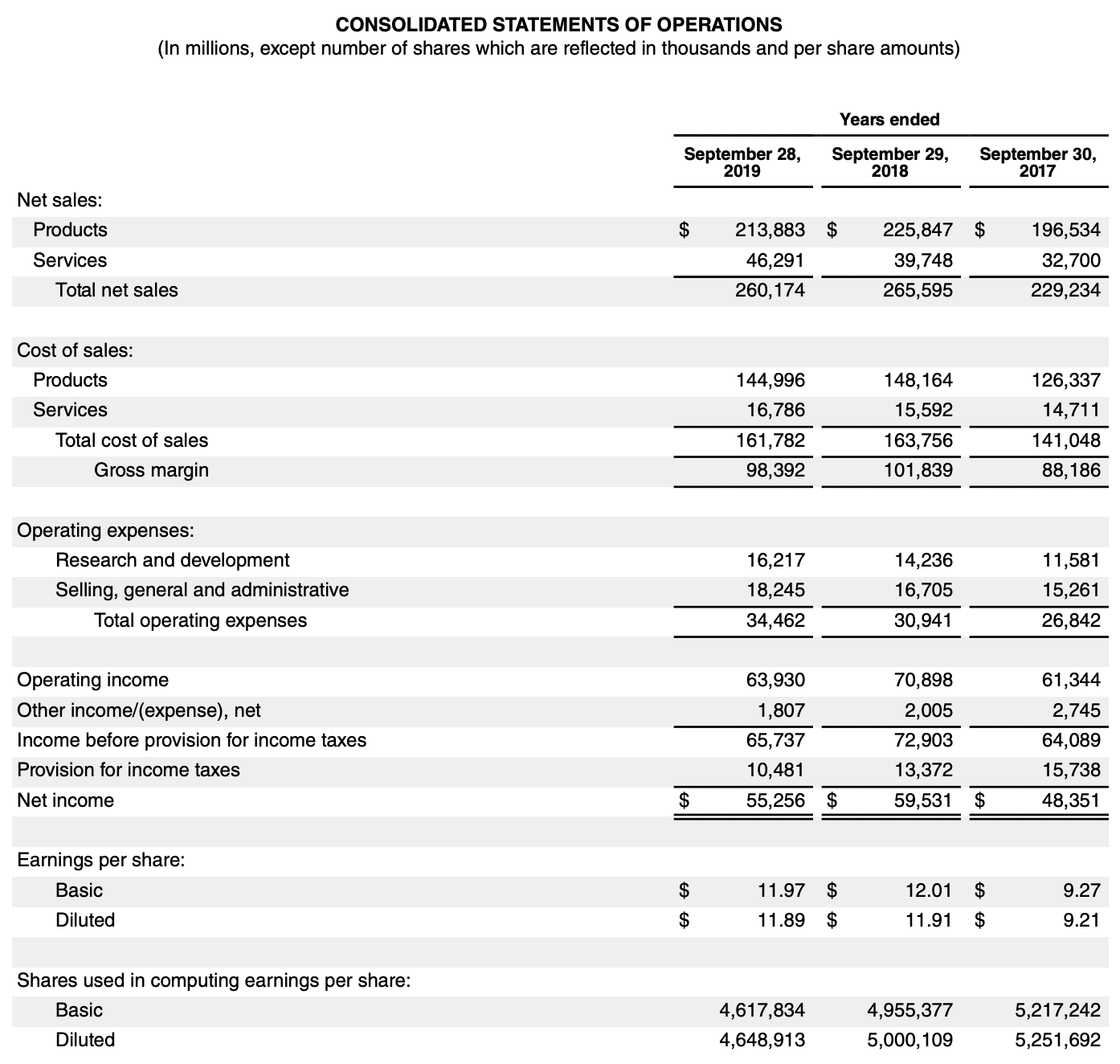
Accessing accurate Apple financial information is essential for anyone evaluating the company's performance, whether you are a retail investor, a market researcher, or a student of corporate finance. As one of the world's largest publicly traded companies, Apple Inc. (AAPL) adheres to rigorous financial reporting standards, providing a transparent view of its operational health, capital allocation, and long-term fiscal strategies through standardized regulatory filings and public disclosures.
Apple Inc. operates under the strict oversight of the United States Securities and Exchange Commission (SEC). The company is required to disclose its financial status via standardized reports, including the 10-K (annual report), 10-Q (quarterly report), and 8-K (current report). These documents provide the definitive record of the company’s revenue, expenses, profit margins, and balance sheet integrity, serving as the primary source for evaluating Apple's financial health.
Navigating Official Regulatory Filings
The most reliable way to obtain Apple financial information is through official government and corporate channels. Because Apple is a publicly traded entity listed on the NASDAQ exchange, its financial data is standardized and accessible to the public.
The SEC EDGAR Database
The Electronic Data Gathering, Analysis, and Retrieval (EDGAR) system, managed by the U.S. Securities and Exchange Commission, is the authoritative repository for all required corporate filings. To access Apple’s financial data:
- Navigate to the SEC EDGAR company search portal.
- Search for "Apple Inc." or use the ticker symbol "AAPL."
- Filter by filing type, such as "10-K" for comprehensive annual summaries or "10-Q" for interim quarterly performance.
The Apple Investor Relations Portal
Apple maintains a dedicated Investor Relations website that serves as a user-friendly front-end for its regulatory filings. While EDGAR provides the raw, unformatted documents, the Apple Investor Relations portal offers supplementary materials, including:
- Earnings Call Transcripts: Detailed records of management’s discussion regarding quarterly performance.
- Quarterly Earnings Presentations: Visual summaries of key performance indicators (KPIs) and business segment growth.
- SEC Filings Archive: Direct links to official reports that mirror the content found on the EDGAR database but are often presented in more readable formats.
Key Financial Statements Explained
To effectively interpret Apple financial information, one must understand the three core financial statements provided in these filings. Each document answers a specific question about the company’s economic state.
The Balance Sheet
The balance sheet provides a snapshot of Apple’s financial position at a single point in time. It lists the company’s assets (what it owns, such as cash, marketable securities, and inventory), its liabilities (what it owes to creditors), and the shareholders' equity. For investors, the "Cash and Cash Equivalents" line item is frequently monitored, as Apple has historically maintained a significant liquidity position to fund operations, research and development, and share repurchases.
The Income Statement
Also known as the Statement of Operations, this document details Apple’s financial performance over a specific period, such as a quarter or a fiscal year. It tracks:
- Revenue: The total income generated from the sale of goods and services.
- Cost of Sales: The direct costs attributable to the production of iPhones, Macs, iPads, and Services.
- Operating Expenses: Costs associated with Research and Development (R&D) and Selling, General, and Administrative (SG&A) expenses.
- Net Income: The "bottom line" profit after all expenses, taxes, and interest have been deducted.
The Cash Flow Statement
This statement is vital for understanding how Apple generates and spends cash. It is broken down into three categories:
- Operating Activities: Cash generated from core business operations.
- Investing Activities: Cash used to purchase or sell assets, including capital expenditures (CapEx) for data centers or equipment.
- Financing Activities: Cash related to dividend payments, debt issuance, and the extensive share repurchase programs that have defined Apple’s capital return strategy over the last decade.
Comparison of Common Financial Report Formats
When analyzing Apple's financials, it is helpful to understand which document contains the specific data points required for your analysis.
| Document Type | Purpose | Frequency | Key Data Provided |
|---|---|---|---|
| Form 10-K | Comprehensive annual overview | Once per year | Audited financial statements, risk factors, legal proceedings. |
| Form 10-Q | Quarterly performance update | Three times per year | Unaudited financial statements, interim updates on segment growth. |
| Form 8-K | Major event disclosure | As needed | Strategic shifts, executive changes, significant acquisitions. |
| Proxy Statement | Governance and compensation | Once per year | Executive pay, board structure, shareholder voting proposals. |
Understanding Segment Reporting
Apple reports its revenue across two primary dimensions: Geography and Product Category. This breakdown is critical for understanding where the company is seeing growth versus where it faces headwinds.
By Product Category
Investors monitor these categories to gauge the health of specific product lines:
- iPhone: Traditionally the largest revenue driver.
- Mac: Desktop and laptop computer sales.
- iPad: Tablet revenue.
- Wearables, Home, and Accessories: Includes Apple Watch, AirPods, and smart home devices.
- Services: A crucial focus area encompassing the App Store, iCloud, Apple Music, and other subscription-based models.
By Geography
Apple categorizes revenue by region, including the Americas, Europe, Greater China, Japan, and the Rest of Asia Pacific. Analyzing these regional figures helps observers understand how macroeconomic conditions, currency fluctuations, and local competition impact Apple’s international performance.
Practical Steps for Data Verification
When consuming Apple financial information from third-party websites or financial news outlets, it is important to verify the data against the official documents. Third-party sites often provide valuable analysis or visualization, but they are not the source of truth.
- Verify the Source: If an article makes a claim about a dip in quarterly revenue, locate the corresponding Form 10-Q on the Apple Investor Relations site.
- Check the Date: Financial data is time-sensitive. Ensure you are viewing the most recent report, as older data will not reflect the company’s current operational status.
- Look for Footnotes: Regulatory filings often contain detailed footnotes that clarify accounting methods, tax positions, and potential liabilities that are not visible in the summary tables.
Frequently Asked Questions
Where can I find Apple’s current share price and historical market data?
While financial filings provide the fundamental data, market data is available through financial news platforms like Bloomberg, Reuters, or Yahoo Finance. Apple’s Investor Relations portal also provides links to its current stock information via the NASDAQ exchange.
Why do Apple’s fiscal years differ from calendar years?
Apple’s fiscal year ends on the last Saturday of September. This is common among large corporations to align their reporting cycles with operational workflows and retail seasons, rather than the standard January-to-December calendar year. Always verify the fiscal period when reading reports.
What is the difference between "Operating Income" and "Net Income"?
Operating income reflects the profit generated from core business activities before interest and taxes. Net income is the final amount remaining after all expenses—including taxes, interest, and one-time charges—have been accounted for. Investors often use operating income to evaluate management's efficiency in running the business.
Where can I find information on Apple’s dividend policy?
Dividend payments and share repurchase programs are detailed in the "Management’s Discussion and Analysis" (MD&A) section of the 10-K and 10-Q filings. This section provides management's commentary on why they are choosing a specific capital return strategy.
Can I trust financial information found on social media or investment forums?
Social media is not a reliable source for financial data. It is often subject to speculation, misinformation, or bias. Always verify claims regarding Apple’s financial standing by cross-referencing them with the official documents filed with the SEC.
Next Actions for Interested Investors
If your goal is to begin analyzing Apple's performance professionally or personally, start by downloading the most recent Form 10-K from the Apple Investor Relations portal. Focus your attention on "Item 7: Management’s Discussion and Analysis of Financial Condition and Results of Operations." This section contains the narrative explanation that explains the numbers you see in the financial statements. By combining this qualitative management insight with the quantitative data found in the financial statements, you will develop a well-rounded understanding of the company's financial status.
Disclaimer: This article provides information for educational purposes only and does not constitute financial, investment, or legal advice. Always conduct your own research or consult with a qualified financial advisor before making investment decisions.