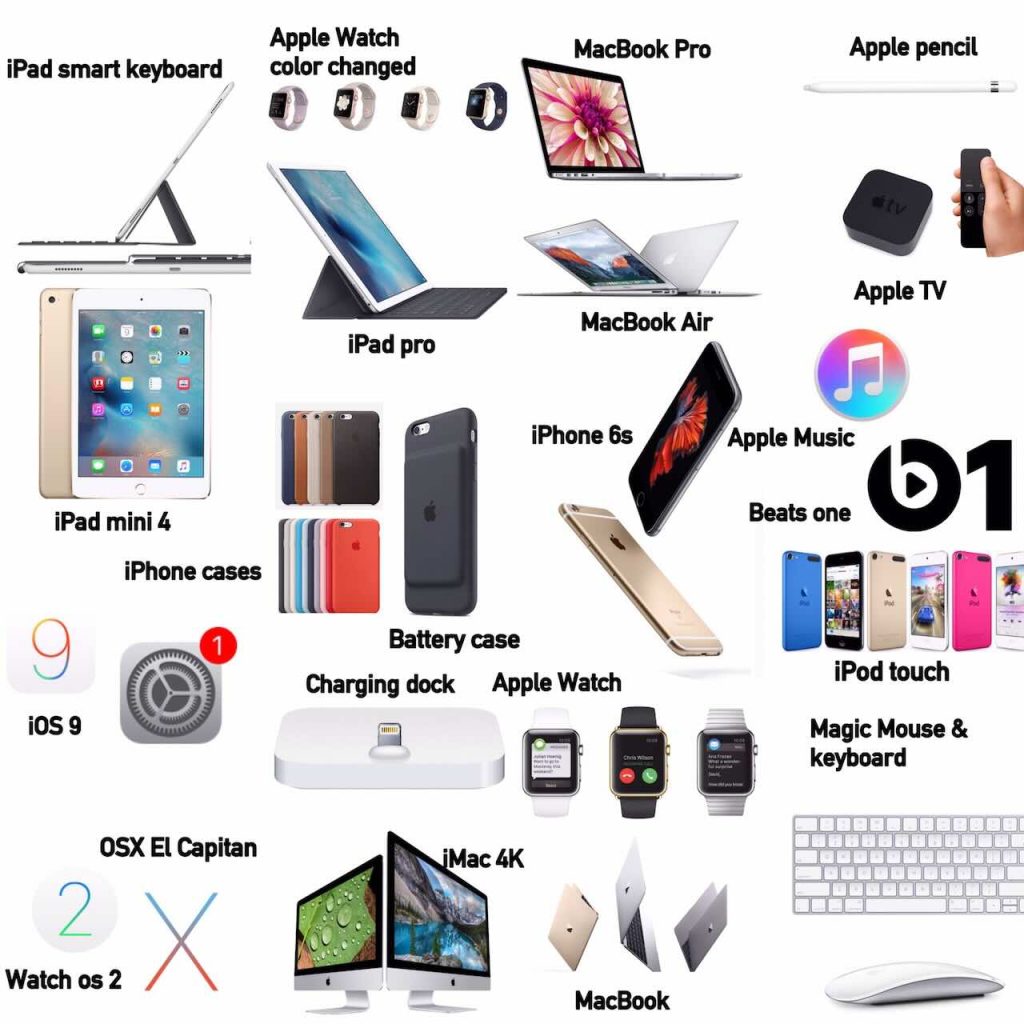
As of 2026, Apple Inc.’s net worth—defined by its market capitalization and total shareholders' equity—reflects its status as a primary leader in global consumer electronics and digital services. With a market valuation consistently fluctuating between $3.0 trillion and $3.6 trillion, the company remains one of the most capitalized entities in history, driven by recurring revenue from its installed base of over 2.3 billion active devices and a robust services ecosystem.
Understanding Apple’s Financial Foundation
To analyze Apple Inc.’s net worth in 2026, one must distinguish between "market capitalization" and "book value." Market capitalization is the total dollar market value of a company’s outstanding shares of stock. It is calculated by multiplying the total number of a company's outstanding shares by the current market price of one share. Conversely, net worth in accounting terms—total shareholders' equity—represents the value of assets minus liabilities on the balance sheet.
In 2026, Apple’s balance sheet continues to demonstrate high liquidity, characterized by substantial cash and marketable securities. While the company has historically maintained a "net cash neutral" position, meaning it aims to offset its cash holdings with debt over time, its sheer asset volume remains unparalleled in the hardware sector. The valuation of the company is intrinsically linked to the "Apple Ecosystem," where hardware sales (iPhone, Mac, iPad, Wearables) serve as the gateway for long-term services revenue (App Store, iCloud, Apple Music, Apple TV+, and Fintech services).
Revenue Drivers and Asset Appreciation
The composition of Apple’s financial strength has shifted significantly over the last decade. While the iPhone remains the primary revenue engine, accounting for a plurality of the company’s quarterly earnings, the services segment has become the primary driver of margin expansion.
- Hardware Lifecycle: The continued expansion of the installed base ensures that each new hardware iteration (such as the 2026 iPhone iterations) sees immediate adoption among existing users, creating a predictable upgrade cycle.
- Services Growth: As of early 2026, the services business contributes over 25% of the total revenue. Because this sector carries significantly higher gross margins than hardware, it directly inflates the company’s intrinsic value and overall market perception.
- Research and Development (R&D) Capitalization: Apple’s investment in internal silicon (the M-series and A-series chips) acts as both a cost-saving measure and a competitive moat. By owning the full stack of technology—from hardware design to operating system (iOS, macOS, visionOS) and silicon—Apple maintains tighter control over its margins than competitors who rely on third-party hardware components.
Market Capitalization vs. Intrinsic Value
Investors in 2026 must evaluate Apple through both quantitative and qualitative lenses. While the share price provides an immediate snapshot of net worth, the intrinsic value is anchored in the brand’s pricing power. Apple has successfully transitioned from being viewed solely as a "hardware manufacturer" to a "lifestyle and services platform."
This shift allows the company to command premium pricing. Unlike commodity electronics manufacturers, Apple’s ability to maintain high average selling prices (ASPs) during economic volatility protects its net worth from the cyclical downturns that typically plague the technology sector.
Comparative Valuation Metrics
The following table outlines key financial indicators relevant to Apple’s valuation trajectory as of the 2026 fiscal environment.
| Metric | Significance | Impact on Net Worth |
|---|---|---|
| Market Cap | Total equity value per market sentiment | Determines share price and investor confidence |
| Shareholders' Equity | Assets minus liabilities on balance sheet | Reflects retained earnings and capital stability |
| Free Cash Flow | Cash generated after capital expenditures | Supports share buybacks and dividend payments |
| Services Margin | Profitability of App Store and subscriptions | Drives P/E ratio expansion and premium valuation |
| Active Installed Base | Number of active users globally | Predicts future service monetization potential |
Risks and Factors Influencing 2026 Valuation
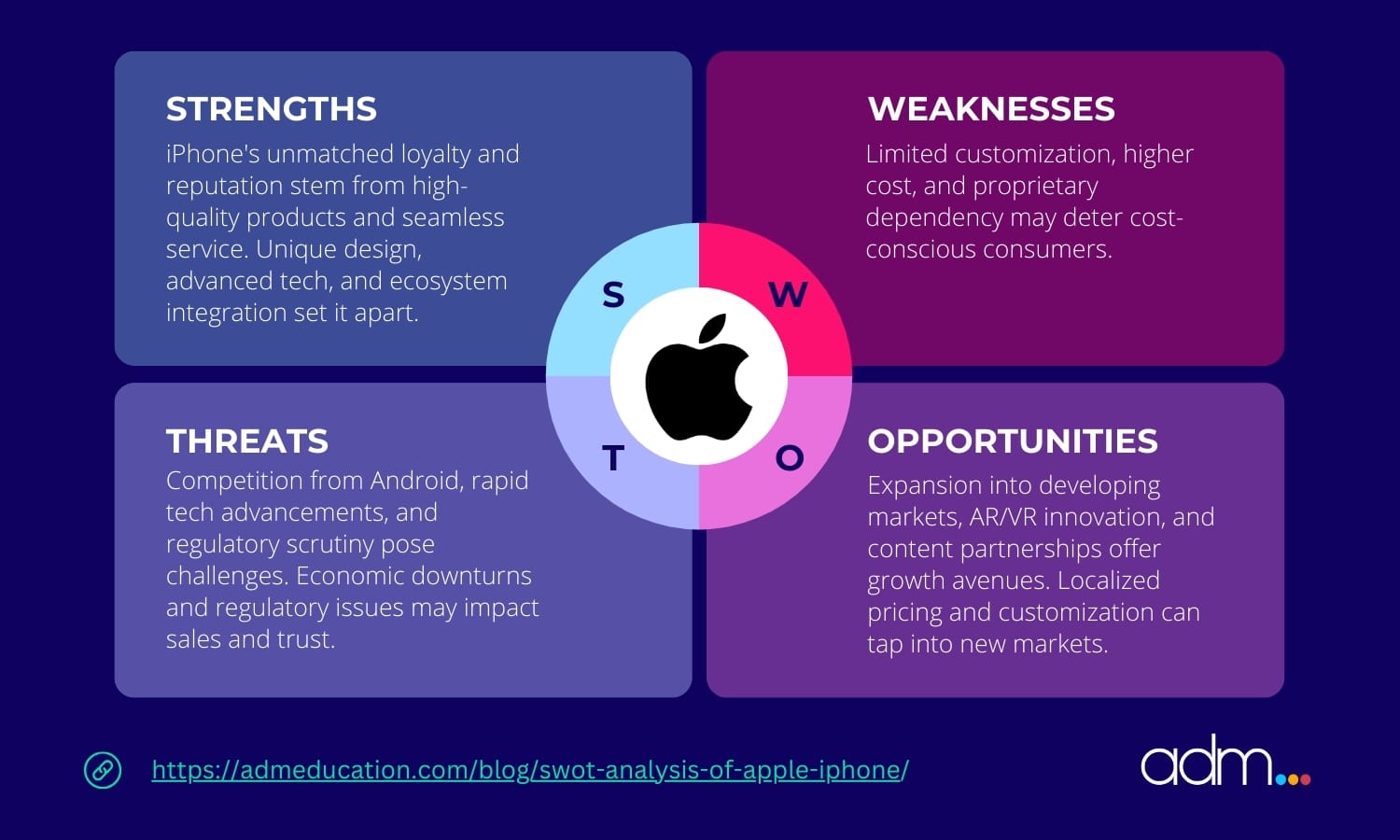
While Apple maintains a dominant financial position, several factors in 2026 represent potential risks to its valuation. These include global supply chain dependencies, particularly regarding semiconductor manufacturing in Southeast Asia, and increased scrutiny from international antitrust regulators.
Antitrust challenges in the European Union and the United States regarding the App Store’s commission structure and "walled garden" approach pose a long-term risk to the services segment's profitability. If courts or regulators mandate the opening of the iOS ecosystem to third-party stores or payment systems, it could compress the margins that have historically bolstered Apple’s net worth.
Furthermore, the integration of generative AI into the Apple Silicon architecture is a focal point for 2026. Investors are watching closely to see if these AI capabilities drive a "super-cycle" in hardware upgrades, which would accelerate revenue growth, or if the costs associated with cloud-based AI infrastructure will weigh on operating expenses.
Shareholders' Equity and Capital Allocation
Apple’s management team has consistently utilized its significant cash flow to return value to shareholders through dividends and aggressive share repurchase programs. By reducing the total number of outstanding shares, Apple effectively increases the earnings per share (EPS) for the remaining stockholders. This strategy has been a cornerstone of Apple’s financial management for over a decade and remains a key component of its valuation strategy in 2026.
The company’s capital allocation strategy is guided by a desire to reach a net-cash neutral position. This means that as Apple generates excess cash, it accelerates the return of capital to investors. This discipline minimizes the amount of "idle" capital sitting on the balance sheet, which is often viewed negatively by market analysts who prefer to see cash deployed into dividends, buybacks, or strategic acquisitions.
Frequently Asked Questions
1. Is Apple’s market cap the same as its net worth? No. Market capitalization is the total value of the company based on current stock market prices, while net worth (in an accounting sense) is the company's total assets minus its liabilities. Market cap is usually much higher than book value because it includes the company's future growth potential and brand equity.
2. Why does the services segment matter for Apple’s 2026 valuation? The services segment has high-profit margins compared to hardware. As more users engage with services like Apple Music, iCloud, and professional software, the company generates recurring revenue, which is more predictable and highly valued by investors, thereby supporting a higher valuation.
3. How does Apple’s net-cash neutral goal affect investors? Apple aims to have an equal amount of cash and debt. By returning excess cash to investors via dividends and share buybacks, Apple aims to maximize capital efficiency, ensuring the company does not hold stagnant cash that could be more effectively utilized by shareholders.
4. Could regulatory changes impact Apple’s net worth? Yes. If regulators succeed in forcing changes to Apple’s App Store business model, it could reduce the commission rates the company collects. Since the services business is a primary driver of Apple’s current valuation, such changes could compress profit margins and negatively influence market sentiment.
5. What is the role of R&D in Apple’s 2026 financial status? R&D is essential for product differentiation. By developing proprietary silicon (M-series and A-series chips), Apple reduces reliance on third-party chip suppliers, improves hardware performance, and creates a unique user experience that cements customer loyalty, ultimately protecting market share.
Strategic Outlook
For the remainder of 2026, the trajectory of Apple’s net worth will likely depend on the successful execution of its AI strategy and the continued stability of its hardware-to-service conversion rate. Investors should prioritize monitoring quarterly earnings reports for signals regarding services segment growth and any shifts in capital allocation policies. While the company remains a cornerstone of the global economy, the shifting landscape of international tech policy remains the most significant variable in its long-term financial health.
Next actions for interested parties include reviewing the most recent 10-Q and 10-K filings with the Securities and Exchange Commission (SEC). These documents provide the most granular, legally verified data regarding assets, liabilities, and executive management's outlook on the company's financial future.