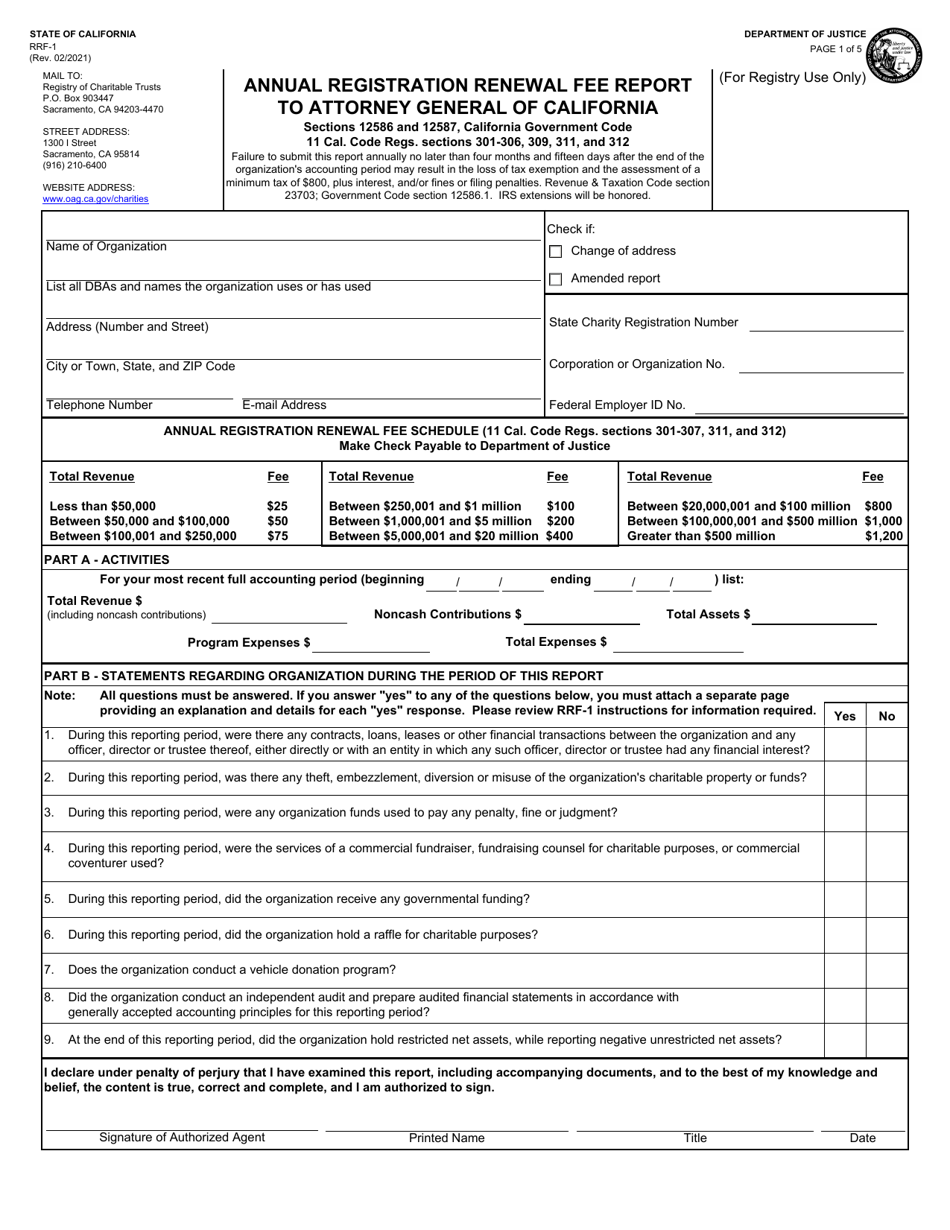
An annual registration renewal fee report is a mandatory filing submitted by business entities—such as LLCs and corporations—to a state’s Secretary of State or equivalent regulatory body. This report updates essential company information and includes a required fee to maintain the entity’s "Good Standing" and legal authorization to operate.
Maintaining business compliance in 2026 requires more than just a cursory understanding of paperwork. For business owners, legal professionals, and registered agents, the annual registration renewal fee report represents a critical touchpoint between a private entity and the state government. While often viewed as a simple administrative task, this report is the primary mechanism through which a state tracks corporate existence, ensures public transparency, and collects the revenue necessary to maintain the corporate registry.
Failure to accurately file this report or pay the associated fees can lead to severe consequences, ranging from late penalties to the administrative dissolution of the business. This guide provides a deep dive into the requirements, costs, and procedures for successfully navigating the 2026 filing season.
The Purpose of the Annual Registration Renewal Fee Report
The "Annual Registration Renewal Fee Report" is known by various names depending on the jurisdiction—Statement of Information in California, Annual Report in Florida, or Periodic Report in Colorado. Regardless of the nomenclature, the purpose remains consistent across the United States and many international jurisdictions.
Ensuring Public Transparency
One of the primary reasons states require this report is to maintain an accurate public record. Over a year, businesses frequently change their physical addresses, principal office locations, or executive leadership. The annual report ensures that the public, creditors, and legal entities have access to current information regarding who is responsible for the company and where they can be officially contacted.
Updating Registered Agent Information
The registered agent is the individual or entity designated to receive service of process and official government correspondence on behalf of the business. If a registered agent resigns or changes their address and the business fails to update this via the annual registration renewal fee report, the company risks "missing" a lawsuit or legal notice, leading to default judgments.
Revenue Generation and Regulatory Oversight
For state governments, the fees associated with these reports are a significant source of revenue. These funds typically support the operations of the Secretary of State’s office, business technology upgrades, and corporate fraud prevention programs. From a regulatory standpoint, the report serves as a "pulse check" to see which businesses are still active and which have ceased operations without formal dissolution.
Entity Eligibility and Filing Requirements
Not every business structure is required to file an annual registration renewal fee report, though the vast majority of formal legal entities are. Understanding your specific entity’s obligations is the first step in the 2026 compliance cycle.
Limited Liability Companies (LLCs)
LLCs are the most common entity type filing these reports. In 2026, most states require LLCs to file annually, though some states like New York or California may utilize biennial (every two years) filing cycles for certain statement types. The report for an LLC typically focuses on the current members or managers and the primary business address.
Corporations (C-Corp and S-Corp)
Corporations generally face more rigorous reporting requirements than LLCs. In addition to basic contact information, a corporate annual registration renewal fee report often requires the disclosure of:
- Names and addresses of all directors.
- Names and addresses of officers (President, Secretary, Treasurer).
- Information regarding the number of authorized and issued shares of stock.
Non-Profit Organizations
Non-profits must also file annual reports to maintain their corporate status with the state. While their fees are often lower than those for for-profit entities, the reporting requirements are no less strict. In many jurisdictions, non-profits must also provide a brief statement of their charitable purpose or activities conducted during the previous year.
Foreign Entities
If your business was formed in one state (e.g., Delaware) but is registered to do business in another (e.g., New York), it is considered a "Foreign Entity" in the second state. You are generally required to file an annual registration renewal fee report in both the domestic state and every state where you have foreign qualification.
2026 Fee Structures and Cost Analysis
The cost of filing an annual registration renewal fee report varies significantly by state and entity type. In 2026, some states maintain flat-fee structures, while others use complex formulas based on the company's value or share count.
Flat-Fee Jurisdictions
Many states prioritize administrative simplicity by charging a flat fee regardless of the company’s size. For example, Florida and Nevada are known for consistent, albeit higher, annual fees that must be paid to keep the entity active.
Variable Fees Based on Assets or Capital
Some jurisdictions, most notably Delaware, utilize a "Franchise Tax" system integrated with the annual report. For corporations, the fee may be calculated using the "Authorized Shares Method" or the "Assumed Par Value Capital Method." For a large corporation with millions of shares, these fees can scale into the tens of thousands of dollars, whereas a small business might only pay a minimum fee.
Comparison of 2026 Filing Fees and Frequencies
The following table outlines the estimated filing fees and requirements for several major business hubs as of the 2026 reporting year.
| State | Entity Type | 2026 Filing Fee | Filing Frequency | Due Date |
|---|---|---|---|---|
| California | LLC | $20 | Biennial | Anniversary Month |
| Delaware | Corporation | $50 + Tax | Annual | March 1 |
| Delaware | LLC | $300 | Annual | June 1 |
| Florida | LLC/Corp | $138.75 / $150 | Annual | May 1 |
| Nevada | LLC | $350 | Annual | Anniversary Month |
| Texas | LLC/Corp | $0 (No-tax-due) | Annual | May 15 |
| Wyoming | LLC/Corp | $60 (min) | Annual | Anniversary Month |
Note: Fees are subject to legislative changes. Texas fees are generally tied to the Franchise Tax Report; many small businesses owe $0 but must still file the "No Tax Due" report.
Deadlines and Compliance Calendars
The deadline for your annual registration renewal fee report is arguably more important than the fee itself. Missing a deadline by even one day can trigger non-negotiable late penalties that often exceed the original filing fee.
Fixed-Date States
States like Florida and Delaware use fixed dates for all entities of a certain type. In Florida, the deadline is May 1st for all corporations and LLCs. In Delaware, corporations must file by March 1st, while LLCs have until June 1st. These fixed dates allow for standardized corporate compliance calendars but often lead to high traffic on state filing portals during the final week of April or February.
Anniversary-Month States
Other states, such as Nevada and Wyoming, tie the report deadline to the month the business was originally incorporated or qualified. If you formed your LLC in August, your annual registration renewal fee report will be due by the last day of August every year. This "rolling" deadline requires businesses to keep a specific calendar for each entity they own, especially if they operate in multiple states.
Step-by-Step Guide to Filing the Report in 2026
Filing the annual registration renewal fee report has become almost exclusively an online process in 2026. Very few states still accept paper filings, and those that do often charge an additional "convenience fee" for manual processing.
1. Gather Required Information
Before logging into the Secretary of State’s portal, ensure you have the following data points:
- The entity’s state-issued identification number (not the federal EIN).
- The current business address and mailing address.
- The name and address of the current registered agent.
- A list of current officers, directors, or managers.
- For corporations: An accurate count of authorized and issued shares.
2. Access the Official State Portal
Always ensure you are using the official government website. In 2026, "filing solicitation" scams are common. These are private companies that mail official-looking notices to businesses, offering to file their annual report for a massive markup. Look for a .gov URL to ensure you are paying the state directly.
3. Review and Update Records
The portal will display the information currently on file. Carefully review each field. Even if nothing has changed, you must typically "confirm" the data. If changes are needed—such as a new office location—this is the time to update them. Note that changing a registered agent sometimes requires a separate filing and an additional fee.
4. Calculate and Pay the Fee
The system will automatically calculate your fee based on your entity type and, if applicable, your share structure or gross assets. In 2026, most portals accept credit cards, ACH transfers, and sometimes digital wallets. Ensure you receive a payment confirmation number.
5. Download the Filed Report and Certificate
Once the filing is accepted, the state will usually provide a "Filed" stamped copy of the report. Download and store this in your corporate records. Many businesses also choose to order a "Certificate of Good Standing" at this time, as it proves the report was filed and the fee was paid.
Consequences of Non-Compliance
The "Annual Registration Renewal Fee Report" is not a suggestion; it is a statutory requirement. The penalties for ignoring this obligation are swift and can be devastating for a growing business.
Late Fees and Interest
Most states impose an immediate late fee. In Florida, for example, the late fee for an annual report filed after May 1st has historically been $400—significantly higher than the filing fee itself. Some states also accrue interest on unpaid franchise taxes or registration fees.
"Not in Good Standing" Status
If you miss your filing, the state will change your entity status from "Active/Good Standing" to "Delinquent" or "Not in Good Standing." This status is public. If a potential partner, investor, or bank performs due diligence on your company, seeing a delinquent status can kill deals, prevent you from getting loans, or stop the sale of real estate.
Administrative Dissolution
If the report remains unfiled for a set period (usually several months to a year), the Secretary of State will "Administratively Dissolve" the entity. Legal existence effectively ceases.
- Loss of Liability Protection: If a dissolved entity continues to do business, the owners may lose their limited liability protection, making them personally liable for business debts and lawsuits.
- Loss of Name Rights: Once an entity is dissolved, its name returns to the public pool. Another entrepreneur could register a new company using your business name.
Reinstatement Hurdles
To fix a dissolution, you must go through a formal reinstatement process. This involves filing all back-dated reports, paying all past-due fees, and paying a substantial reinstatement fee. In some cases, you may also need to obtain a tax clearance letter from the state’s revenue department.
Troubleshooting and Common Mistakes
Even seasoned professionals can run into issues when filing an annual registration renewal fee report. Awareness of common pitfalls can prevent filing rejections.
- Incorrect State ID: Many users confuse their Federal EIN (Employer Identification Number) with their State Entity ID. The annual report portal almost always requires the State ID.
- Mismatched Share Numbers: For corporations in states like Delaware, the number of issued shares must never exceed the number of authorized shares. If your internal records show a discrepancy, the filing will be rejected.
- Ineligible Registered Agent: If you list a registered agent who has moved out of state or a company that is no longer authorized to provide agent services, the state may reject the report.
- Failure to List All Officers: Some states require at least a President and a Secretary to be listed. Leaving these fields blank or using "N/A" can trigger a rejection.
Professional Services vs. DIY Filing
As a business grows, the complexity of managing annual registration renewal fee reports increases—especially for multi-state operations.
DIY Filing is suitable for single-member LLCs or small businesses operating in only one or two states. It is the most cost-effective method and allows the owner to have a direct pulse on their entity’s standing.
Professional Filing Services or Registered Agents are often preferred by larger companies or serial entrepreneurs. These services track deadlines across dozens of jurisdictions, ensure the correct fees are calculated, and provide an extra layer of privacy by using their address as the registered office. In 2026, many of these services use automated API connections to state databases, ensuring that filings are processed the moment the window opens.
Frequently Asked Questions
What if my business didn’t make any money this year?
Even if your business had zero revenue or was inactive, you are still required to file the annual registration renewal fee report to keep the legal entity alive. Failure to file will result in dissolution regardless of financial performance.
Can I change my business name on the annual report?
In most states, no. A name change usually requires a separate "Amendment to the Articles of Organization/Incorporation." The annual report is for updating existing data, not for fundamental structural changes to the entity’s identity.
Is the annual registration renewal fee tax-deductible?
Generally, yes. Fees paid to the state for the purpose of maintaining a business entity are typically considered ordinary and necessary business expenses. However, you should consult with a tax professional regarding your specific 2026 tax return.
What is the difference between an annual report and a tax return?
An annual report is a corporate compliance filing sent to the Secretary of State to update public records. A tax return is a financial filing sent to the IRS (and state Department of Revenue) to report income and calculate taxes owed. They are entirely separate requirements.
Does every state require an annual report?
Most do, but a few do not. For example, Ohio does not require an annual report for standard LLCs (though it has other requirements), and Pennsylvania recently moved to an annual filing system after years of decennial (10-year) requirements. Always check the specific requirements for your state of formation.
Final Recommendation
For 2026, the most effective strategy for managing your annual registration renewal fee report is early action. Do not wait until the week of the deadline. Set a calendar reminder for 30 days prior to your due date to verify officer information and ensure funds are available for the fees. If you manage multiple entities across different states, consider consolidating your compliance through a professional registered agent service to avoid the high costs of administrative dissolution and late penalties.