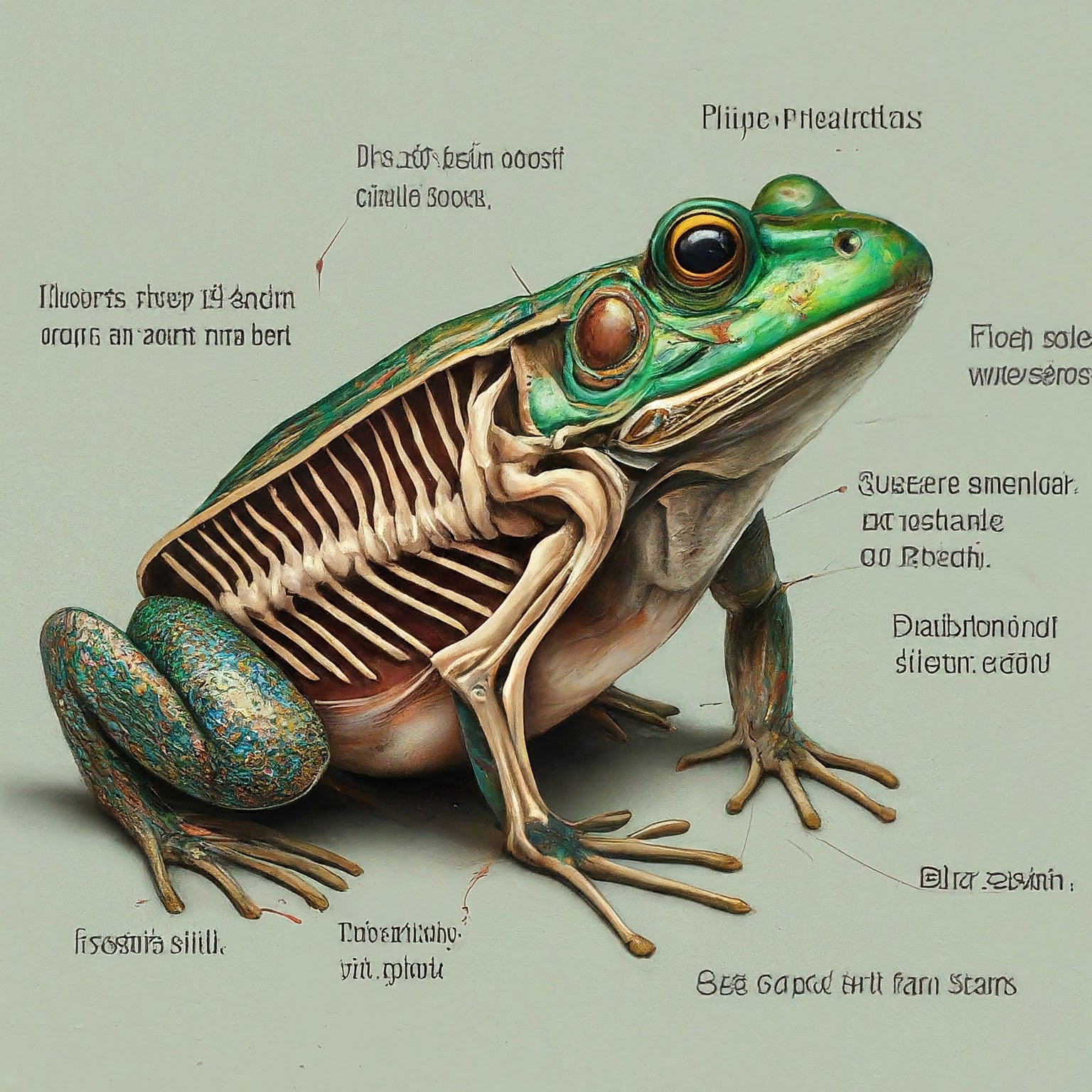
Animals that have backbones, scientifically classified as vertebrates, represent a diverse subphylum of the animal kingdom characterized by a spinal column or backbone made of bone or cartilage. This internal skeletal structure provides essential support, protects the central nervous system, and enables the complex movements seen in mammals, birds, reptiles, amphibians, and fish.
The biological world is divided into two primary categories based on skeletal structure: invertebrates and vertebrates. While invertebrates (such as insects, mollusks, and crustaceans) make up roughly 97% of all animal species, vertebrates—the animals that have backbones—include the most familiar and complex creatures on Earth. These animals belong to the phylum Chordata and the subphylum Vertebrata. In 2026, our understanding of vertebrate evolution and physiology continues to expand through advanced genomic sequencing and paleo-biological discoveries, highlighting how this single anatomical feature—the backbone—allowed life to diversify into almost every environment on the planet.
The Anatomical Significance of the Backbone
The backbone, or vertebral column, is not merely a single bone but a sophisticated series of articulating segments called vertebrae. This structure serves as the primary longitudinal axis of the body. In most vertebrates, these vertebrae surround and protect the spinal cord, which is the "information highway" connecting the brain to the rest of the body.
The Role of the Endoskeleton
Unlike invertebrates, which may have an exoskeleton (like a beetle) or no hard structure at all (like a jellyfish), vertebrates possess an endoskeleton. This internal framework is comprised of living tissue—either bone or cartilage—that grows with the animal. This is a critical evolutionary advantage, as it removes the need for molting and allows for much larger body sizes. The endoskeleton provides attachment points for muscles, facilitating powerful and precise locomotion.
Bilateral Symmetry and Cephalization
Animals that have backbones exhibit bilateral symmetry, meaning their right and left sides are mirror images. They also display advanced cephalization, which is the concentration of sensory organs and nervous tissues at the anterior (front) end of the body, forming a distinct head. This head contains a protected brain encased in a skull (cranium), a hallmark of the vertebrate subphylum.
The Five Major Classes of Vertebrates
To understand the scope of animals that have backbones, it is necessary to examine the five primary classes. Each group has evolved specific physiological traits to thrive in their respective habitats, ranging from the deepest oceans to the highest mountain peaks.
1. Mammals (Class Mammalia)
Mammals are perhaps the most recognizable vertebrates. They are characterized by several unique traits, the most defining being the presence of mammary glands, which females use to produce milk for their young.
- Thermoregulation: Mammals are endothermic (warm-blooded), meaning they generate internal heat to maintain a constant body temperature regardless of the environment.
- Integumentary System: Almost all mammals possess hair or fur at some point in their lives, which provides insulation and sensory input.
- Diversity: This class includes terrestrial animals like elephants and humans, aerial creatures like bats, and marine giants like whales and dolphins. Despite their different environments, all these animals share the fundamental trait of a vertebral column.
2. Birds (Class Aves)
Birds are highly specialized vertebrates adapted for flight, although some species, like ostriches and penguins, have lost this ability over evolutionary time.
- Skeletal Adaptations: To facilitate flight, birds possess hollow, "pneumatic" bones that reduce weight without sacrificing strength. Their backbone is partially fused in certain areas to provide a rigid frame for the powerful muscles required for wing flapping.
- Feathers and Beaks: Instead of teeth, birds have evolved lightweight beaks. Their feathers, made of keratin, provide both lift for flight and exceptional insulation.
- Metabolism: Like mammals, birds are endothermic and require high caloric intake to fuel their energy-intensive lifestyles.
3. Reptiles (Class Reptilia)
Reptiles were the first group of vertebrates to truly conquer life on land, thanks to the development of the amniotic egg, which features a protective shell that prevents the embryo from drying out.
- Ectothermy: Unlike mammals and birds, reptiles are ectothermic (cold-blooded). They rely on external heat sources, such as the sun, to regulate their body temperature.
- Skin Structure: Their bodies are covered in scales or scutes made of keratin, which minimize water loss, allowing them to inhabit arid deserts and tropical jungles alike.
- Examples: This group includes snakes, lizards, turtles, and crocodilians. Even snakes, which lack external limbs, have a highly flexible and elongated backbone consisting of hundreds of vertebrae.
4. Amphibians (Class Amphibia)
Amphibians are unique among animals that have backbones because many undergo a metamorphosis from a water-breathing juvenile stage (like a tadpole) to an air-breathing adult stage (like a frog).
- Permeable Skin: Amphibians have moist, porous skin that often assists in respiration. This makes them highly sensitive to environmental changes and pollutants, often serving as "indicator species" for ecosystem health.
- Reproduction: Most amphibians must return to water or very damp environments to lay their gel-like eggs, as they lack the protective shell found in reptile eggs.
- Groups: The three main orders are Anura (frogs and toads), Caudata (salamanders and newts), and Gymnophiona (caecilians).
5. Fish (The Aquatic Vertebrates)
Fish represent the oldest and most diverse group of vertebrates. They are strictly aquatic and breathe using gills. Biologists generally divide them into three distinct groups:
- Agnatha (Jawless Fish): These are the most primitive vertebrates, including lampreys and hagfish. They have a backbone made of cartilage and lack a traditional jaw.
- Chondrichthyes (Cartilaginous Fish): Sharks, rays, and skates fall into this category. Their skeletons are made entirely of flexible cartilage rather than hard bone, yet they are still classified as vertebrates because the cartilage forms a distinct spinal column.
- Osteichthyes (Bony Fish): This is the largest group of fish, including everything from salmon to seahorses. They have skeletons made of true bone and typically possess a swim bladder to control buoyancy.
Comparison of Vertebrate Classes
The following table summarizes the key physiological differences between the five major groups of animals that have backbones.
| Class | Thermoregulation | Heart Chambers | Respiratory Organs | Skin Covering | Reproduction |
|---|---|---|---|---|---|
| Mammals | Endothermic | 4 | Lungs | Hair / Fur | Mostly live birth |
| Birds | Endothermic | 4 | Lungs (with air sacs) | Feathers | Hard-shelled eggs |
| Reptiles | Ectothermic | 3 (4 in Crocs) | Lungs | Scales / Scutes | Leathery eggs |
| Amphibians | Ectothermic | 3 | Gills (larva) / Lungs (adult) | Moist skin | Jelly-like eggs |
| Fish | Ectothermic | 2 | Gills | Scales (mostly) | External or Internal |
The Evolution of the Backbone
The transition from primitive chordates to the first vertebrates occurred approximately 500 million years ago during the Cambrian explosion. The earliest ancestors of animals that have backbones were small, soft-bodied creatures like Pikaia, which possessed a notochord—a flexible, rod-like structure that served as a precursor to the true backbone.
Over millions of years, this notochord was replaced by a series of mineralized segments (vertebrae). This structural shift allowed for:
- Increased Muscle Attachment: Larger muscles could pull against a rigid internal frame, enabling faster swimming and eventually walking.
- Protection of the Nerve Cord: As predators evolved, protecting the central nervous system became a survival necessity.
- Expansion into New Niches: The backbone provided the structural integrity needed to support body weight against gravity, facilitating the move from water to land.
Ecological Importance and Conservation in 2026
Vertebrates play crucial roles in maintaining the balance of Earth’s ecosystems. As apex predators, herbivores, and pollinators, their presence (or absence) can trigger trophic cascades that affect entire habitats.
As of 2026, many animals that have backbones are facing unprecedented threats. According to the International Union for Conservation of Nature (IUCN), habitat loss, climate change, and overexploitation have put thousands of vertebrate species at risk of extinction. Conservation efforts today focus heavily on habitat restoration and the protection of "corridors" that allow vertebrates to migrate safely as climate zones shift.
Common Misconceptions About Vertebrates
- Are all vertebrates made of bone? No. As mentioned with sharks and rays, some vertebrates have skeletons made entirely of cartilage. The "backbone" refers to the anatomical structure and position, not necessarily the mineral composition.
- Are all land animals vertebrates? No. Insects and spiders are land-dwelling invertebrates. While they are highly successful, they lack a spinal column and instead rely on an exoskeleton.
- Is a spinal cord the same as a backbone? No. The spinal cord is the bundle of nerves (nervous tissue), while the backbone is the protective structure (bone or cartilage) that houses it.
Frequently Asked Questions
Which is the largest animal with a backbone?
The blue whale (Balaenoptera musculus) holds the title for the largest vertebrate to ever live. These marine mammals can reach lengths of nearly 100 feet and weigh up to 200 tons. Their massive backbones are essential for supporting their immense muscle mass, even with the buoyancy of the ocean.
Do all animals with backbones have blood?
Yes, all vertebrates have a closed circulatory system with blood that contains hemoglobin (to transport oxygen) and white blood cells (for immune response). However, the complexity of the heart varies, with fish having two chambers and mammals/birds having four.
Are there any vertebrates that don't have a jaw?
Yes. The class Agnatha consists of jawless vertebrates. Examples include the lamprey and the hagfish. While they have a primitive vertebral column made of cartilage, they lack the hinged jaws found in almost all other vertebrates.
Why is a backbone better than an exoskeleton?
An exoskeleton, like that of a crab, provides excellent protection but limits growth. An animal must shed its exoskeleton (molting) to grow, during which time it is extremely vulnerable. An internal backbone grows with the animal, allowing for much larger sizes and continuous development.
Is a human a vertebrate?
Yes, humans are mammals, and mammals are a class of vertebrates. The human spinal column consists of 33 vertebrae (including the fused vertebrae of the sacrum and coccyx) that protect the spinal cord and allow for upright posture and movement.
Next Steps for Learning
To deepen your understanding of animals that have backbones, consider visiting a local natural history museum or exploring the Smithsonian National Museum of Natural History’s digital archives. Observing the skeletal structures of different species firsthand provides a clear view of how the universal blueprint of the backbone has been adapted for swimming, flying, running, and climbing. For those interested in conservation, the IUCN Red List remains the gold standard for tracking the status of vertebrate biodiversity globally.