Finding affordable mold remediation experts in Cary, North Carolina, involves verifying local contractor licensing, understanding the scope of the contamination, and ensuring that the selected professionals follow IICRC S520 standards. Residents should prioritize companies that offer comprehensive assessments, transparent itemized pricing, and professional documentation to ensure the mold is safely removed without recurring costs.
Understanding the Mold Remediation Landscape in Cary
Cary’s humid subtropical climate, combined with frequent seasonal rainfall and high humidity levels, creates an environment where mold growth in residential and commercial properties is a common challenge. When homeowners notice signs of mold—such as musty odors, visible discoloration on drywall, or persistent condensation—the immediate concern is often the financial burden of professional remediation.
Affordable remediation does not imply cutting corners on safety. In the context of mold removal, "affordability" refers to finding companies that provide accurate, non-alarmist assessments and targeted removal plans rather than those pushing unnecessary, high-cost whole-home services. The goal is to identify professionals who can contain the growth, remediate the source, and return the indoor air quality to safe levels using verified protocols.
Identifying When Professional Help Is Required
Not all mold issues require a heavy-duty industrial intervention. Small patches of mold, generally defined as less than 10 square feet, can often be addressed by homeowners if they have the proper protective gear and cleaning supplies. However, professional expertise is essential in the following scenarios:
- HVAC Contamination: If mold is suspected within the heating, ventilation, and air conditioning system, it can be spread throughout the entire home. Professionals use specialized equipment to clean ductwork and coils.
- Hidden Growth: Mold growing behind wallpaper, under flooring, or inside wall cavities often indicates a chronic moisture issue that a standard cleaning cannot fix.
- Allergic Reactions: If occupants are experiencing respiratory issues, skin irritation, or allergic symptoms, professional remediation is necessary to ensure the environment is cleared of mycotoxins.
- Post-Water Damage: Large-scale mold outbreaks following a plumbing failure or storm damage in Cary require certified experts to handle structural drying, which prevents mold from returning.
How to Select a Qualified and Affordable Contractor
When searching for remediation experts, the selection process should be rooted in vetting their credentials. Since North Carolina does not currently maintain a statewide license specifically for mold remediation, you must rely on third-party certifications and industry standards.
Essential Credentials to Look For:
- IICRC Certification: Ensure the company employs technicians certified by the Institute of Inspection, Cleaning and Restoration Certification (IICRC). Specifically, look for the S520 Standard for Professional Mold Remediation.
- Insurance Coverage: A reputable contractor must carry both general liability and pollution insurance. Pollution coverage is specific to mold and is vital; without it, you could be liable for damages if the mold spreads to other areas during the remediation process.
- Local References: Request recent examples of work performed in Cary or the surrounding Wake County area. A company with a strong local footprint is more likely to be held accountable by community reputation.
Comparison of Remediation Approaches
When evaluating quotes, it is important to understand the different methodologies companies may propose. Some companies offer "mold removal," while others focus on "mold remediation." The latter is the industry-accepted term because mold cannot be entirely eliminated—it is part of the natural environment. The goal is to remediate the concentration to a safe baseline.
| Feature | Low-Cost "Quick Fix" | Professional Remediation |
|---|---|---|
| Assessment | Visual only, often pushy sales | Moisture mapping and air sampling |
| Containment | None; risk of cross-contamination | Negative air pressure, plastic barriers |
| Method | Spraying/Fogging (temporary) | HEPA vacuuming, scraping, treatment |
| Duration | Hours | Days (depending on extent) |
| Long-term Value | High risk of recurrence | Sustainable solution |
The Financial Aspect: Cost Management
"Affordable" is a relative term in the remediation industry. Costs in Cary typically fluctuate based on the square footage of the mold growth, the accessibility of the affected area, and the extent of material removal required (e.g., discarding drywall versus sanding wooden studs).
To keep costs manageable, start with a professional assessment. Many contractors offer a lower-cost initial inspection. Use this report to determine if you truly need a full-scale project or if the issue can be resolved through smaller, targeted repairs. Avoid companies that offer "free" estimates but provide inflated "emergency" pricing once they are inside your property. Always demand a written scope of work before authorizing any physical labor.
The Remediation Process: What to Expect
A professional project typically follows a predictable sequence. Understanding this process helps you verify that you are paying for the work actually being performed.
- Assessment and Testing: The contractor identifies the source of moisture. If the source is not corrected (e.g., a leaking roof or a faulty HVAC drain), the mold will return regardless of how much cleaning is done.
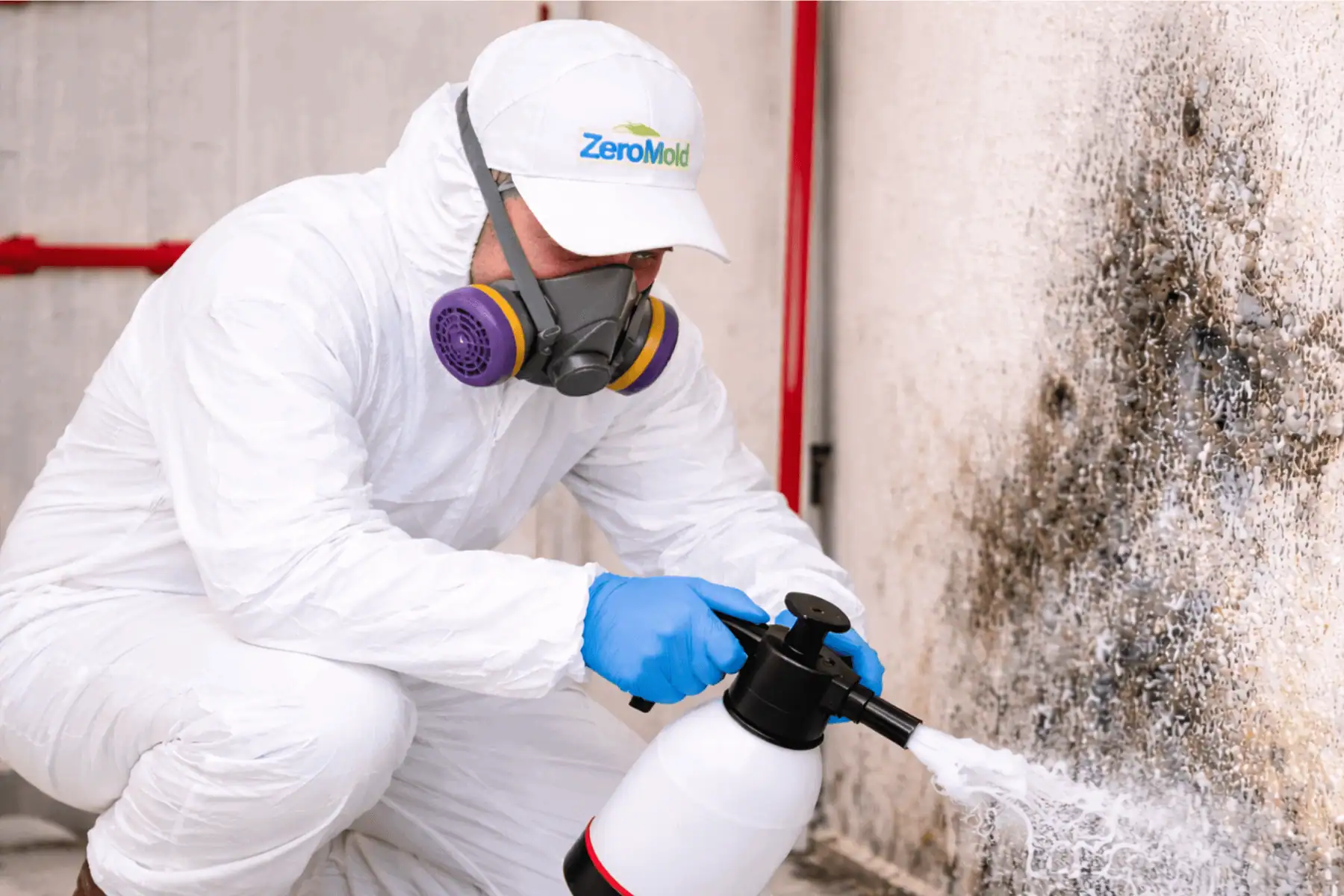
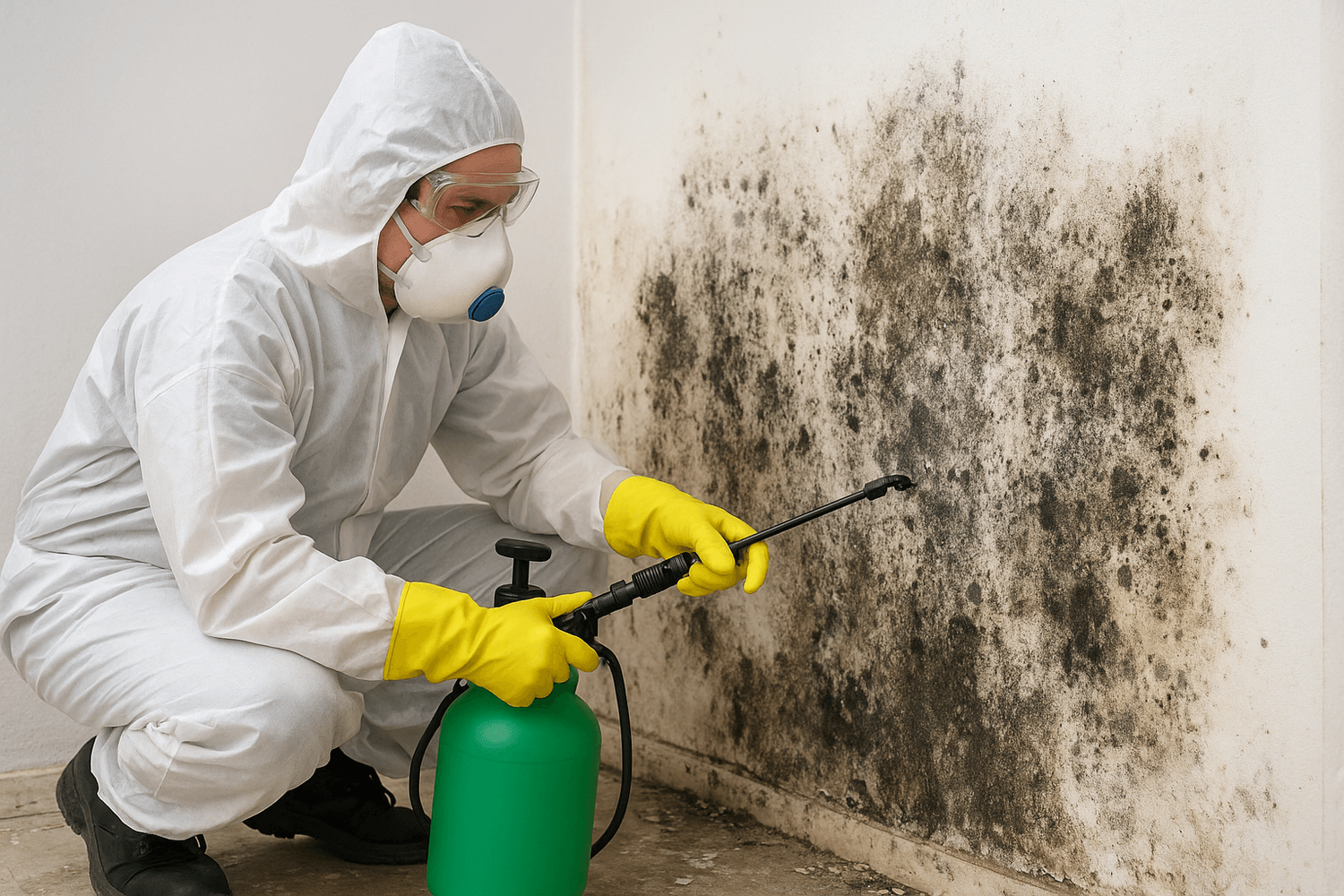
- Containment: The work area is isolated using 6-mil polyethylene plastic sheets. Negative air machines are installed to ensure that spores do not escape into the rest of the home during the cleanup.
- HEPA Filtration: Air scrubbers equipped with High-Efficiency Particulate Air (HEPA) filters are used to scrub the air of mold spores throughout the process.
- Removal and Cleaning: Non-porous materials are cleaned. Porous materials (like insulation or drywall) that have been heavily infested must be removed and disposed of according to local waste management regulations.
- Encapsulation: In some cases, once the area is cleaned and dried, the remaining building materials are treated with an antimicrobial sealant to prevent future growth.
Common Pitfalls and How to Avoid Them
The most frequent mistake homeowners make is choosing the company with the lowest initial bid without verifying their methods. A low price often indicates that the company will skip the containment step, which is the most dangerous error. If mold spores are disturbed without containment, the problem can be spread throughout your HVAC system and living space, turning a localized issue into a total-home crisis.
Additionally, be wary of any company that demands full payment upfront. Reputable professionals in Cary generally work on a deposit-and-completion structure. Ensure that your agreement includes a post-remediation verification—this is an independent check (sometimes done by a separate environmental testing company) to confirm that the air quality is back within normal, safe parameters.
Addressing Recurring Moisture Issues
Remediation is only half of the solution; moisture control is the other. Even the best remediation work will fail if the underlying humidity issue is not resolved. In Cary’s humid environment, consider the following actions to protect your home:
- Dehumidifiers: Use high-capacity dehumidifiers in basements or crawlspaces, keeping relative humidity levels below 50%.
- Gutters and Grading: Ensure that roof runoff is directed at least 6 to 10 feet away from the foundation of your home.
- Ventilation: Use exhaust fans in bathrooms and kitchens to vent moisture directly to the exterior, not into the attic.
- Crawlspace Encapsulation: If you have a crawlspace, consult a professional about vapor barriers or encapsulation to prevent ground moisture from rising into the home.
Frequently Asked Questions
1. Does homeowners insurance cover mold remediation in Cary? Coverage depends entirely on your specific policy. Most homeowners insurance policies cover mold only if it is the direct result of a "covered peril," such as a sudden pipe burst. If the mold resulted from long-term neglect, high humidity, or flooding (which requires separate flood insurance), it is rarely covered. Always consult your insurance agent before starting a claim.
2. Is a mold test always necessary before hiring someone? A test is not always required to know mold exists, but it is highly recommended if you have health concerns or are involved in a real estate transaction. Professional testing provides an objective report on the types and concentrations of mold, which can help you distinguish between toxic black mold and less hazardous species.
3. Can I just bleach the mold away? Bleach is generally ineffective for killing mold on porous surfaces like drywall or wood. It may hide the color, but the roots of the mold often remain inside the material. Furthermore, the water content in bleach can actually feed the mold in the long run. Professional cleaning agents are specifically formulated to kill mold at the root.
4. How long does the remediation process usually take? For a small, isolated area, remediation might take one to two days. If the issue is widespread and involves major structural material removal, it could take a week or more. The time factor is heavily dependent on the drying process, which is necessary before any reconstruction can begin.
5. What should I do if I suspect the mold is making me sick? If you have unexplained respiratory or health issues, prioritize consulting a medical professional. Once you have professional medical advice, you may wish to use an industrial hygienist to test your home's air quality. This provides data that can be shared with both your doctor and a remediation expert.
Next Steps for Your Home
If you suspect mold, your first step should be to identify and stop the moisture source. Once the leak is stopped or the humidity issue is managed, document the affected areas with photos and contact at least three local firms for a formal, written estimate. Do not be afraid to ask for their certifications and insurance certificates. By taking a methodical approach, you can find a balance between professional-grade results and cost-effective service, ensuring your home remains a healthy environment for your family.