American health and life insurance group policies are employer-sponsored benefit plans that provide coverage to a defined group of employees and, in many cases, their eligible dependents. These policies are negotiated by the employer as a master contract with an insurance carrier, often offering more competitive premiums and broader coverage options than individual market plans due to the shared risk across the participant pool.
The Fundamentals of Group Insurance Structure
Group insurance operates on the principle of collective risk. Unlike individual insurance, where a carrier assesses the health status of a single person or family, group insurance evaluates the demographics and risk profile of the entire organization. This structural difference is the primary reason why group policies are often more affordable and accessible.
When an employer secures a group policy, they become the policyholder. The employees are the certificate holders, meaning they receive a document detailing their specific benefits but are not the primary contract owners. This distinction is vital, as it grants the employer the ability to negotiate coverage terms, contribution levels, and plan design—such as deductibles, copayments, and out-of-pocket maximums—on behalf of the workforce.
Health Insurance Group Policies
Group health insurance is a staple of American employee benefits. These plans are governed by federal standards, most notably the Employee Retirement Income Security Act (ERISA) and the Affordable Care Act (ACA).
Plan Types and Design
Employers typically choose from several common architectures for their group health plans:
- Health Maintenance Organizations (HMOs): These plans require employees to stay within a specific network of providers. They generally prioritize preventive care and require referrals from a primary care physician to see specialists.
- Preferred Provider Organizations (PPOs): These offer more flexibility, allowing employees to visit out-of-network providers, though doing so usually results in higher out-of-pocket costs.
- High Deductible Health Plans (HDHPs): Often paired with a Health Savings Account (HSA), these plans have lower monthly premiums but higher upfront costs before the insurer begins to pay. They are popular for younger, healthier populations or those seeking tax-advantaged savings vehicles.
The Role of Employer Contributions
In the United States, employers are not legally mandated to provide health insurance unless they meet specific criteria under the ACA (generally, having 50 or more full-time equivalent employees). However, most businesses that choose to provide coverage subsidize a portion of the premium. The tax advantage is significant: employer contributions toward health premiums are generally tax-deductible for the business and are not considered taxable income for the employee.
Life Insurance Group Policies
Group life insurance is typically provided as a core benefit, often offered as a flat amount (e.g., $50,000 in coverage) or as a multiple of an employee's annual salary.
Term vs. Permanent Coverage
The vast majority of group life insurance policies are Group Term Life. This provides coverage for a specific period—the duration of the employee's tenure at the company. It is inexpensive because it lacks a cash-value component. If the employee leaves the company, the coverage usually terminates, though many policies offer a "portability" or "conversion" feature that allows the employee to transition to an individual policy, often at a higher rate.
Supplemental Coverage
Employers frequently allow employees to purchase additional life insurance coverage, known as "supplemental" or "voluntary" life insurance. This is paid for via payroll deduction, often at group rates that remain lower than what an individual could obtain on the open market. This allows employees to customize their death benefit to match their personal debt obligations, mortgage levels, or family planning needs.
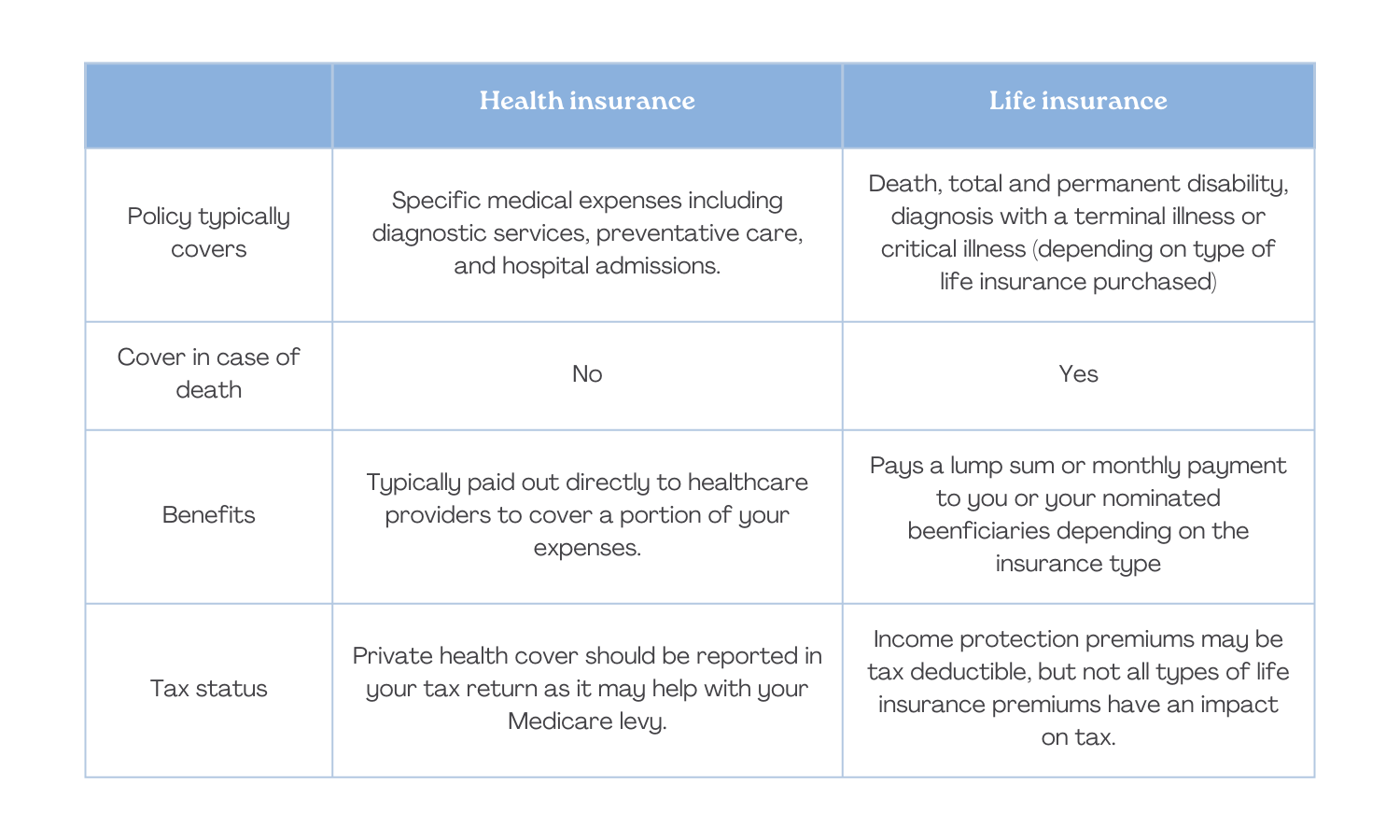
Comparison of Plan Features
| Feature | Group Health Insurance | Group Life Insurance |
|---|---|---|
| Primary Goal | Managing healthcare expenses | Providing financial security for survivors |
| Typical Cost | Shared between employer/employee | Often fully employer-paid (base) |
| Medical Exam | Generally not required | Rarely required for basic amounts |
| Portability | Often restricted (COBRA applies) | Often portable/convertible |
| Tax Status | Premiums are pre-tax | Tax-free up to $50,000 benefit |
Compliance and Regulatory Requirements
Operating group insurance plans in the United States involves navigating a complex web of federal and state regulations. Failure to comply can lead to significant financial penalties.
ERISA and Plan Documents
The Employee Retirement Income Security Act (ERISA) sets the minimum standards for most voluntarily established health and life insurance plans in private industry. Employers must provide a Summary Plan Description (SPD) to all participants. This document is a plain-language explanation of the benefits, rights, and obligations under the policy.
COBRA Continuation
The Consolidated Omnibus Budget Reconciliation Act (COBRA) gives employees and their families the right to choose to continue group health benefits provided by their group health plan for limited periods of time under certain circumstances, such as voluntary or involuntary job loss, reduction in the hours worked, transition between jobs, death, and divorce. This is a critical safety net that ensures continuity of coverage during life transitions.
HIPAA Protections
The Health Insurance Portability and Accountability Act (HIPAA) ensures that group health plans protect the privacy of protected health information (PHI). Administrators must ensure that electronic systems and paper files are secured against unauthorized access, maintaining strict confidentiality regarding an employee’s diagnosis or treatment history.
Steps to Managing Group Insurance Benefits
For HR professionals and business owners, the lifecycle of a group policy involves consistent administrative tasks.
- Selection and Renewal: Every year, the employer must evaluate the policy performance, claims history, and premium increases proposed by the carrier.
- Open Enrollment: This is the designated period when employees can sign up for, change, or drop their coverage. Clear communication regarding plan changes is essential during this time.
- Eligibility Tracking: Maintaining accurate records of who is eligible for benefits, including waiting periods for new hires and tracking family status changes (like marriage or childbirth), is a primary administrative function.
- Premium Reconciliation: Each month, the employer must audit the invoice from the insurance carrier to ensure that the individuals listed match the active employee roster.
Common Challenges and Troubleshooting
Even with well-managed policies, issues inevitably arise.
- Coverage Denials: If an insurance claim is denied, the plan documents should specify an appeals process. Employees should be encouraged to gather clinical evidence or administrative records to support their appeal.
- Eligibility Disputes: If an employee believes they were improperly denied coverage, they should request a written explanation of the denial based on the plan’s stated eligibility rules.
- Network Adequacy: If employees report that their doctors are no longer "in-network," HR should coordinate with the insurance broker to evaluate whether the network still meets the needs of the workforce.
Frequently Asked Questions
Are group insurance premiums taxable for employees? In most cases, the portion of the health insurance premium paid by the employer is not considered taxable income for the employee. For life insurance, premiums paid by the employer for coverage up to $50,000 are excluded from taxable income. Coverage exceeding $50,000 may trigger imputed income taxes.
Can I keep my group insurance if I quit my job? Generally, you cannot keep the active group policy. However, for health insurance, you may be eligible for COBRA, which allows you to pay the full premium to maintain your existing plan for a limited time. For life insurance, check if your policy has a "portability" clause that allows you to pay the premiums yourself.
What happens if the insurance carrier denies a claim? Every ERISA-governed plan must have a written internal appeals process. You should review your Summary Plan Description (SPD) to understand the deadlines for filing an appeal and the documentation required to support your claim.
What is an "Evidence of Insurability" (EOI) requirement? EOI is a request for medical information to prove that a person is healthy enough to be covered. It is usually required only if an employee is signing up for a high amount of supplemental life insurance or if they failed to enroll when they were first eligible.
Does a group health policy cover my spouse and children? Most group health plans offer the option to include dependents. However, employers are not required to pay the full premium for dependents; it is common for the employer to cover the employee while the employee pays a portion of the spouse/child premium.
Next Actions
If you are an employer looking to establish or refine your benefits, begin by conducting a survey of your workforce to understand which benefits they value most. Consult with a licensed insurance broker who specializes in the American market to compare carrier proposals for 2026. If you are an employee, review your current Summary Plan Description, verify your beneficiary designations for life insurance, and ensure you understand the deadlines for the upcoming open enrollment period.