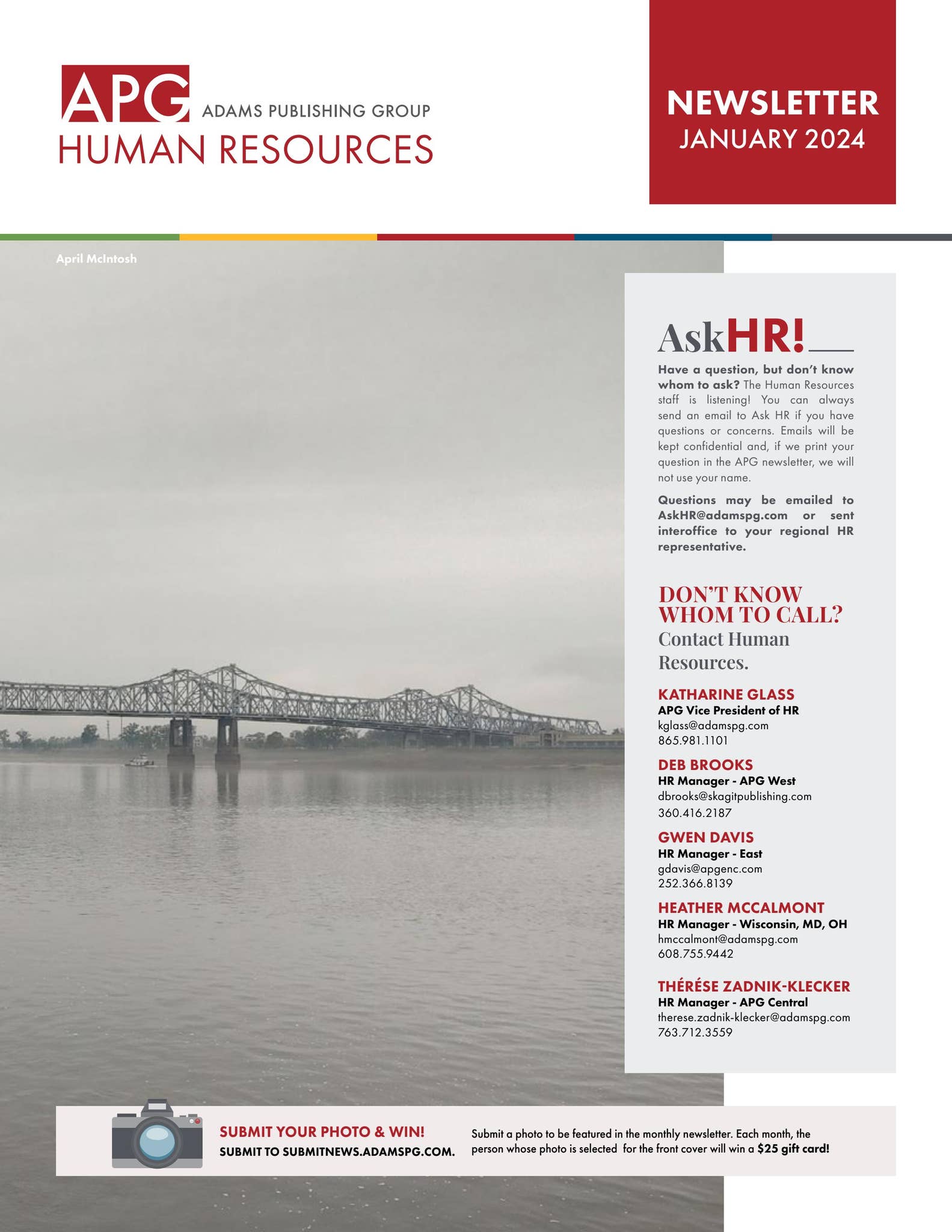
Adams Publishing Group (APG) is a private, family-owned media company founded in 2013 that specializes in community journalism, regional newspapers, digital marketing solutions, and commercial printing. Headquartered in Minnesota, APG operates more than 30 daily newspapers, over 100 non-daily publications, and numerous digital marketing agencies across more than 15 U.S. states.
Defining Adams Publishing Group: Identity and Disambiguation
Adams Publishing Group, LLC (commonly referred to as APG) represents one of the largest privately held community media organizations in the United States. Founded to preserve hyper-local news coverage and foster civic engagement in non-metropolitan markets, the company focuses on mid-sized towns, suburban counties, and rural communities across North America.
To understand the company's place in the media landscape, it is essential to distinguish Adams Publishing Group from other organizations with similar names:
- Adams Publishing Group (APG): The subject of this overview, a media conglomerate operating community daily and weekly newspapers, local websites, commercial web-offset printing presses, and digital advertising services.
- Adams Media: An imprint of Simon & Schuster (formerly part of F+W Media), which focuses primarily on non-fiction consumer books, lifestyle guides, and instructional trade paperbacks. It operates independently from APG.
- Adams Outdoor Advertising: An outdoor billboard advertising company founded by Stephen Adams. While historically connected through family leadership and investment, APG operates as an independent media entity focused on print and digital publishing.
APG operates on the principle that local newspapers and community media hubs serve as essential civic infrastructure. While national media consolidation and digital shifts have reshaped the broader publishing industry, APG's operational framework centers on buying, stabilizing, and running non-metro community publications that retain strong local subscriber bases and local advertiser relationships.
- Adams Publishing Group (Parent Company)
- Print Media
- Daily Papers
- Weeklies
- Shoppers
- APG Digital
- Programmatic
- Local SEO
- Targeted Ads
- Specialty Products
- Magazines
- Tourism Guides
- Niche Publications
- Commercial Print
- Offset Web
- Direct Mail
- Insert Prep
- Print Media
Corporate Evolution: Foundation and Acquisition History
Adams Publishing Group was established in 2013 by Mark Adams with support from the Adams family, leveraging decades of collective experience in broadcasting, outdoor media, and print publishing. Rather than launching new publications from scratch, APG built its portfolio primarily through targeted acquisitions of historic, family-owned newspaper chains and regional publishing groups that faced operational transitions.
Key Acquisition Milestones
- Initial Expansion (2014–2015): APG gained immediate scale by acquiring properties from American Consolidated Media (ACM), securing established community weeklies and small dailies across Maryland, Ohio, Northern Minnesota, and Wisconsin.
- Midwest and Chesapeake Consolidation (2016–2017): The company expanded its footprint in the Upper Midwest by acquiring ECM Publishers in Minnesota and Wisconsin, adding dozens of suburban weeklies and printing facilities. Concurrently, APG expanded its APG Media of Chesapeake division, acquiring regional assets across Maryland’s Eastern Shore, Delaware, and Virginia.
- Mountain West and Southern Markets (2018–2020): APG acquired key newspaper properties from Landmark Media Enterprises, Wicks Communications, and Pioneer News Group. These acquisitions established strong regional hubs in Wyoming, Idaho, Montana, North Carolina, and Tennessee.
- Operational Integration and Digital Diversification (2021–2026): In recent years, APG focused on consolidating regional printing infrastructure, unifying its digital advertising technology stacks, and deploying paywall models tailored to local subscriber retention.
Ownership Structure vs. Institutional Capital
Unlike many large newspaper chains owned by hedge funds or private equity firms—which often prioritize short-term debt servicing and aggressive cost reductions—APG operates under private family ownership. This capital structure allows the company to reinvest local cash flows into long-term infrastructure, centralize administrative and printing overhead, and maintain editorial presence in markets that larger national chains often abandon.
Core Business Divisions and Operational Capabilities
Adams Publishing Group structures its operations across four primary revenue-generating pillars. This multi-tiered structure allows the company to hedge against fluctuations in traditional print advertising by offering modern digital and commercial service solutions.
1. Community Print Publications
The core of APG's brand footprint remains its extensive roster of local print publications. These include:
- Daily Newspapers: Serving county seats and small cities, these publications focus on local government, high school athletics, regional business developments, and public notices.
- Weekly & Non-Daily Community Papers: Serving smaller towns and suburban townships, providing neighborhood-level coverage and localized advertising opportunities.
- Shoppers and Free-Distribution Papers: Direct-mail or rack-distributed publications designed to maximize consumer reach for regional retail promotions, circulars, and classified listings.
2. APG Digital Services
To serve local business advertisers seeking multi-channel marketing, APG developed a centralized digital agency arm. APG Digital works both alongside print sales representatives and as a standalone digital marketing consultant for regional clients. Key capabilities include:
- Targeted Programmatic Display: Geofenced and demographic-targeted display advertising across national ad networks.
- Search Engine Optimization (SEO) & Marketing (SEM): Managing Google Business profiles, local search visibility, and paid search campaigns for small and medium-sized businesses (SMBs).
- Social Media Management & Content Marketing: Strategic content creation and sponsored post management across platforms like Meta, LinkedIn, and video platforms.
- Website Design and Hosting: Building responsive mobile-friendly websites for small businesses that lack dedicated internal IT departments.
3. Specialty & Niche Publishing
Beyond standard newsprint, APG produces hundreds of specialized publications throughout the calendar year. These products yield higher profit margins due to targeted demographic reach and longer shelf life:
- Regional Lifestyle Magazines: Glossy publications covering home design, regional dining, healthcare, and arts across specific metro-adjacent zones.
- Tourism and Outdoor Recreation Guides: Seasonal visitor guides distributed in high-traffic tourist destinations throughout the Rocky Mountain region, the Chesapeake Bay, and the Upper Midwest.
- Agricultural Publications: Dedicated farming and rural lifestyle papers serving agricultural communities in states such as Minnesota, Wisconsin, and Ohio.
- Special Event & Sports Previews: Commemorative high school athletic keepsakes, graduation inserts, and regional fair guides.
4. Commercial Printing and Logistics Management
APG owns and operates major coldset web-offset printing facilities across its geographic footprint. As smaller commercial printers have closed, APG has monetized its excess printing capacity by offering contract services to third-party publishers, municipal clients, and commercial mailers.
Services provided by APG Commercial Printing facilities include:
- Web-offset printing for external weekly papers, university journals, and niche circulars.
- Full-service direct mail preparation, including addressing, sorting, and United States Postal Service (USPS) compliance handling.
- Consolidated distribution services and regional carrier delivery management.
Geographic Footprint and Regional Clusters
APG structures its operations into defined geographic divisions. Centralizing administrative functions, press management, and digital campaign operations within regional clusters allows the company to achieve economies of scale while keeping local newsrooms grounded in their respective towns.
| Upper Midwest | Chesapeake | Rocky Mountain | South & East |
|---|---|---|---|
| • Minnesota | • Maryland | • Wyoming | • N. Carolina |
| • Wisconsin | • Delaware | • Idaho | • Tennessee |
| • Michigan (UP) | • Virginia | • Montana | • Ohio |
- Upper Midwest Division: Encompasses extensive properties across Southern Minnesota, suburban Minneapolis-St. Paul, and Central/Western Wisconsin. Key publications in this sector serve communities dependent on agriculture, local manufacturing, and suburban commerce.
- Chesapeake Division: Covers Maryland’s Eastern Shore, parts of Delaware, and the Northern Neck of Virginia. Publications here focus on maritime commerce, local county governance, tourism, and regional agriculture.
- Rocky Mountain & Western Division: Includes daily and weekly publications across Wyoming, Eastern Idaho, and Western Montana. These papers cover energy development, outdoor recreation, state politics, and ranching economies.
- Southern & Ohio Division: Encompasses regional clusters in Western North Carolina, East Tennessee, and Central/Southern Ohio, providing hyper-local news in growing Appalachian and manufacturing corridors.
This decentralized network protects APG from hyper-localized economic downturns. Weaknesses in one market's print revenue can often be offset by growth in another market's digital advertising or commercial press services.
Business Model Analysis: Navigating the Local Media Economy
The business model of community-focused publishing differs fundamentally from that of major metropolitan daily newspapers like The New York Times or The Washington Post. Understanding how APG operates requires examining the economic dynamics of non-metro local media.
The Hyper-Local Insulation Effect
Metropolitan newspapers face intense competition from national digital outlets for reader attention and advertising revenue. In contrast, smaller community news outlets often serve as the sole source of coverage for city council meetings, local property tax assessments, high school athletics, and regional public notices.
Because national news platforms do not cover hyper-local news, readers and local merchants retain a stronger connection to regional papers. This dynamic, often referred to as the "hyper-local insulation effect," provides APG's publications with a more stable floor for subscriber engagement and print insert ad spending than large city dailies typically experience.
Revenue Diversification Strategy
APG maintains sustainability through a multi-stream revenue model:
- Print Circulation & Digital Subscriptions: Transitioning print readers to meter-based paywalls and hybrid print-digital subscriptions.
- Local Merchant Advertising: Blending traditional display advertising, pre-printed advertising inserts, and multi-platform digital ad packages.
- Public Notices & Legal Advertising: Publishing statutory government notices, estate notices, and land-use hearings, which provide reliable revenue mandated by state legislation.
- Commercial Press Services: Contract printing, folding, and mailing services performed for outside businesses during press downtime.
Comparative Overview: Operational Divisions
The table below outlines APG’s core operational units, target customer segments, key deliverables, and strategic roles within the broader enterprise structure.
| Division | Primary Target Audience | Core Products & Services | Strategic Role in Enterprise |
|---|---|---|---|
| Community Print Publications | Local residents, seniors, civic leaders, local shoppers | Daily/weekly newspapers, legal notice inserts, local classifieds | Drives brand trust, subscriber revenues, and core local audience reach |
| APG Digital | Small-to-medium businesses (SMBs), regional enterprise clients | Targeted display, programmatic ad buying, SEO/SEM, website builds | Captures shifting ad budgets; drives high-margin digital growth |
| Specialty & Niche Media | Tourists, hobbyists, specific industry sectors (agri/health) | Glossy magazines, seasonal visitor guides, farm reports | Generates premium print advertising rates and non-duplicative readers |
| Commercial Printing & Mail | External publishers, universities, corporate mailers | Web-offset printing, insert assembly, USPS mailing logistics | Maximizes press asset utilization and offsets facility overhead costs |
Industry Challenges and Strategic Outlook
While Adams Publishing Group’s family-owned model provides structural stability, the company faces industry-wide pressures that affect print and regional digital publishing:
Production and Logistics Costs
The cost of newsprint, printing plates, inks, and press maintenance continues to fluctuate. Simultaneously, rising postage rates imposed by the U.S. Postal Service directly impact the cost of distributing weeklies and shoppers via mail, forcing publishers to optimize distribution routes and adjust print frequencies.
Digital Transition in Rural Markets
While metropolitan markets adopted digital news subscriptions quickly, rural and small-town markets have transitioned more gradually due to varying broadband accessibility and demographic preferences. APG must continually balance digital transformation with print delivery to avoid alienating long-time print subscribers.
Press Fleet Consolidation
To maintain operational margins, media companies across North America have consolidated printing operations into centralized regional hubs. APG has similarly shut down smaller, inefficient presses and shifted printing to larger regional facilities. While this reduces maintenance overhead, it introduces longer trucking routes and stricter deadlines for editorial newsrooms.
Frequently Asked Questions
What is Adams Publishing Group (APG)?
Adams Publishing Group is a privately held, family-owned media company founded in 2013. It owns and operates more than 30 daily newspapers, 100+ non-daily community newspapers, digital marketing agencies, and commercial printing facilities across more than 15 U.S. states.
How does APG differ from hedge-fund-owned newspaper chains?
APG operates under private family ownership rather than publicly traded or private equity structures. This structure enables long-term capital allocation and localized operational control, contrasted with the aggressive cost-cutting and high debt burdens often associated with institutionally owned media chains.
Is Adams Publishing Group the same entity as Adams Media?
No. Adams Publishing Group (APG) is a news media and commercial printing company focused on local newspapers and digital marketing. Adams Media is an imprint of Simon & Schuster that publishes non-fiction lifestyle and instructional trade books.
What services does APG Digital offer to local business advertisers?
APG Digital provides multi-channel digital marketing solutions, including programmatic display advertising, geofencing, search engine optimization (SEO), search engine marketing (SEM), social media ad management, and custom website development for local and regional businesses.
Where is Adams Publishing Group headquartered?
Adams Publishing Group is headquartered in Minneapolis, Minnesota, operating through decentralized regional hubs located across the Upper Midwest, Chesapeake Bay region, Rocky Mountain states, Southern Appalachia, and Ohio.
Operational Recommendations for Industry Stakeholders
Whether engaging with Adams Publishing Group as a business advertiser, a subscriber, or an external commercial client, consider these practical recommendations to maximize value:
- For Local Business Advertisers: Utilize bundled print-and-digital packages rather than buying standalone channels. Combining hyper-local print ads (for high trust among older demographics) with geofenced digital ads through APG Digital allows businesses to reach broader market segments efficiently.
- For Commercial Printing Customers: If seeking contract offset printing or direct mail delivery, align print runs with APG's central regional press schedules. Submitting jobs during non-peak press hours often unlocks competitive contract pricing.
- For Civic Organizations and Local Contributors: Engage directly with regional editorial teams rather than national corporate contacts. Because APG maintains local newsrooms in each market, press releases, community event notices, and letters to the editor should be sent directly to the local newspaper's editor or newsdesk.