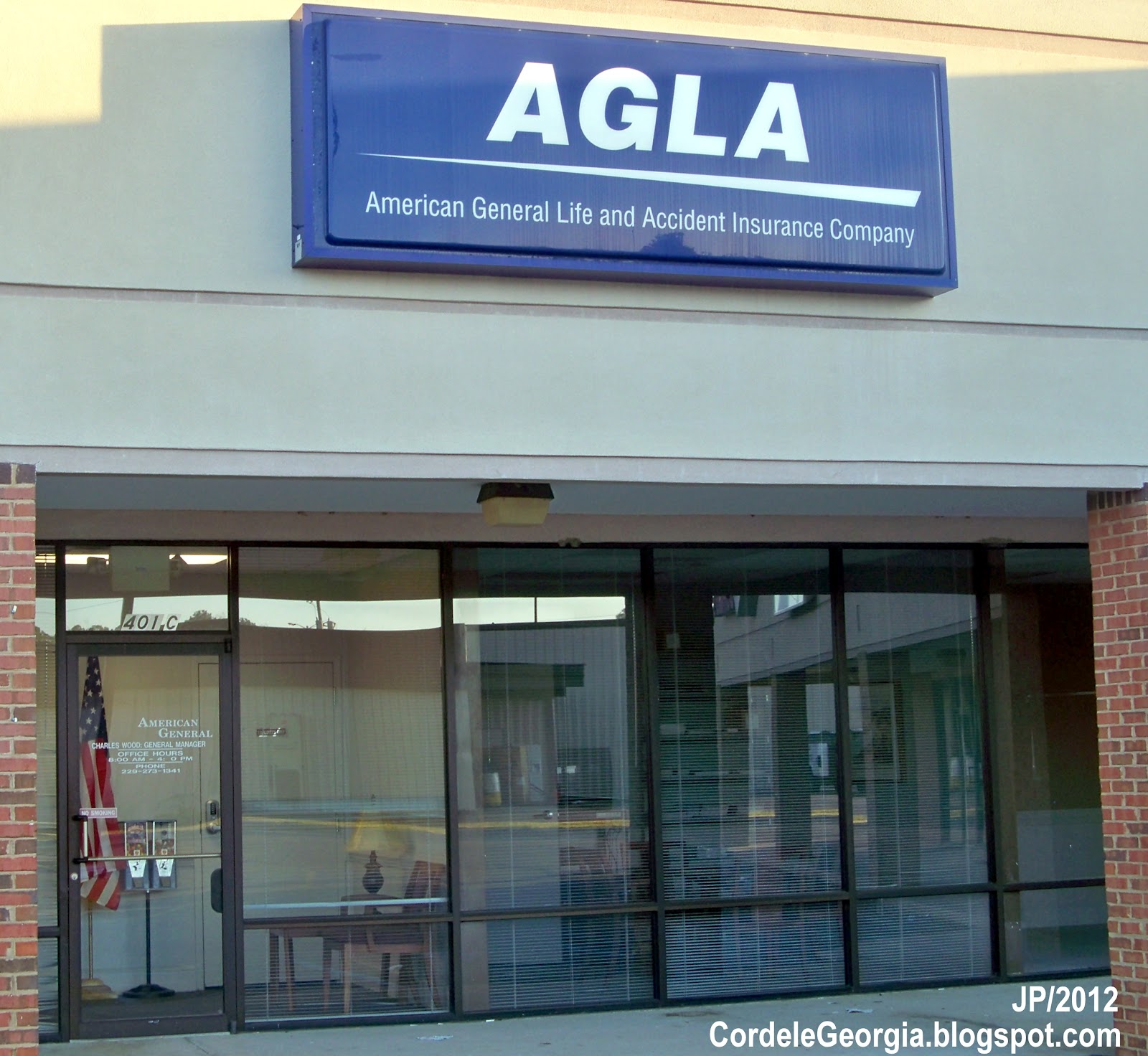
American General Life Insurance—a core member company of Corebridge Financial (formerly part of American International Group, or AIG)—and Bisnow, the prominent commercial real estate news and events platform, intersect within the institutional investment landscape through large-scale property acquisitions, corporate real estate financing, and industry leadership forums. For professionals analyzing corporate finance, institutional asset allocation, and commercial real estate (CRE) markets, understanding how a major life insurer interacts with a leading CRE media and events network requires looking at structured finance, debt origination, strategic partnerships, and market reporting.
1. Understanding the Entities: American General Life Insurance and Bisnow
To analyze how American General Life Insurance and Bisnow intersect, it is necessary to establish the operational and market identities of both organizations. While they operate in entirely different sectors—one in multi-billion-dollar financial services and insurance underwriting, the other in niche business-to-business (B2B) digital media and live events—their paths frequently cross in the commercial real estate ecosystem.
American General Life Insurance Company (Corebridge Financial)
American General Life Insurance Company is a prominent underwriter of life insurance, annuities, and retirement solutions in the United States. As a subsidiary of Corebridge Financial, the company manages substantial general account assets. To fulfill long-term obligations to policyholders, life insurers must invest massive pools of capital into stable, yield-generating asset classes.
Commercial real estate represents a cornerstone of these general account portfolios. Insurers invest directly in physical properties, issue commercial mortgages, and invest in real estate debt funds, real estate investment trusts (REITs), and private equity real estate vehicles. Because of this, institutional decisions made by American General and its parent entity heavily influence capital availability, lending spreads, and asset valuations across major U.S. metropolitan markets.
Bisnow Media
Founded as a digital newsletter and expanded into a national events and news powerhouse, Bisnow is a dominant media voice in commercial real estate. Bisnow covers local market developments, zoning changes, macroeconomic trends, leasing activity, and capital markets transactions across dozens of major North American and European cities.
For institutional investors, developers, brokers, and lenders, Bisnow functions as both a primary news source and a networking engine. Real estate executives utilize Bisnow's platform to announce capital deployments, secure project financing, and track market sentiment. When life insurance companies adjust their real estate lending standards or execute major acquisitions, Bisnow frequently reports on these capital shifts, providing granular visibility into institutional activity.
2. Institutional Capital Allocation in Commercial Real Estate
Life insurance companies represent some of the most conservative, long-term lenders and equity investors in commercial real estate. Unlike commercial banks that rely on short-term deposits or private equity funds that target high-irr, short-hold horizons, life insurers match long-duration liabilities with long-term real estate assets.
The Role of General Accounts in Real Estate
The general account of an insurer like American General contains the reserves accumulated from policy premiums. Regulatory frameworks strictly govern how these funds can be invested to ensure policyholder protection. Fixed-income securities and high-quality commercial mortgages are favored investments.
- Commercial Mortgage Loans (CMLs): Insurers originate whole loans secured by stabilized properties such as industrial parks, multifamily complexes, office buildings, and retail centers.
- Direct Equity Investments: Insurers occasionally take direct ownership stakes in core or core-plus commercial assets, partnering with experienced national developers and operators.
- Debt Funds and Mezzanine Financing: Participation in structured finance provides enhanced yield while maintaining senior or mezzanine security positions.
Market Tracking Through Real Estate Media
Because institutional capital flows dictate the health of the commercial property market, real estate journalists closely monitor transaction volumes involving major insurers. When market liquidity tightens—as seen during periods of rising interest rates—platforms like Bisnow provide critical on-the-ground reporting detailing which insurers are actively deploying capital, which are pulling back, and how capitalization rates (cap rates) are shifting across asset classes.
3. Key Intersections: Finance, Reporting, and Industry Events
The practical relationship between a life insurance behemoth and a commercial real estate media company manifests across three primary operational domains: market intelligence, sponsorship and networking, and transaction announcements.
Market Intelligence and Trend Analysis
Institutional investors and risk managers rely on industry publications to gauge market sentiment. Bisnow tracks macroeconomic indicators affecting insurance portfolios, such as construction cost inflation, supply chain disruptions in industrial real estate, and structural shifts in urban office demand. For financial analysts tracking American General's parent company (Corebridge Financial), staying informed of CRE portfolio performance is vital for evaluating credit ratings and reserve adequacy.
Executive Networking and Thought Leadership
Bisnow hosts hundreds of live and virtual events annually, gathering thousands of CRE professionals, developers, institutional lenders, and equity partners. Executives from major institutional lenders—including portfolio managers and real estate investment directors from prominent insurance groups—frequently participate as keynote speakers or panelists at these summits. These forums serve as vital venues for discussing underwriting standards, environmental, social, and governance (ESG) compliance in building operations, and debt restructuring strategies.
Transaction Verification and Deal Flow Reporting
When institutional investors execute multi-million-dollar property transactions or portfolio refinancings, trade media outlets are often the first to report the capital sources. Bisnow’s regional editions frequently spotlight debt originations, joint ventures, and asset sales involving major national insurers, helping market participants map out competing lender strategies and prevailing interest rate spreads.
4. Comparing Institutional Lenders and CRE Media Platforms
To contextualize the operational scope of these entities within the broader market, the following comparison highlights how insurance-backed capital providers differ from other market participants, and how Bisnow fits into the broader commercial real estate media landscape.
| Entity Type | Primary Function | Capital Source / Business Model | Key Market Impact |
|---|---|---|---|
| Life Insurance Companies (e.g., American General / Corebridge) | Long-term debt origination and equity investment | Policyholder premiums, annuity reserves, and investment returns | Provides stable, long-duration capital; stabilizes conservative CRE financing. |
| B2B Media Platforms (e.g., Bisnow) | News reporting, market analysis, and live networking events | Digital advertising, event ticket sales, and corporate sponsorships | Connects industry stakeholders, disseminates transactional data, and shapes market awareness. |
| Commercial Banks | Short-to-medium-term lending, construction loans, and credit lines | Commercial and retail deposits | Drives short-term development activity; highly sensitive to regulatory capital requirements. |
| Private Equity Funds | Opportunistic equity deployment and high-yield debt | Institutional limited partners (pension funds, endowments) | Drives value-add and opportunistic developments; seeks higher internal rates of return (IRRs). |
5. Frequently Asked Questions
What is the connection between American General Life Insurance and commercial real estate?
American General Life Insurance, operating under its parent company Corebridge Financial, maintains substantial investments in commercial real estate. These investments primarily take the form of conservative commercial mortgage loans, fixed-income real estate securities, and occasional direct property ownership designed to generate predictable yields matching long-term policyholder liabilities.
Why do commercial real estate publications cover insurance companies?
Insurance companies are among the largest institutional lenders and debt providers in the commercial property market. Publications track their lending activity, portfolio adjustments, and underwriting criteria because these factors directly dictate liquidity, capitalization rates, and financing availability for developers and brokers.
How do rising interest rates impact life insurance real estate portfolios?
Rising interest rates increase the yield required on new fixed-income investments and commercial mortgages, which can elevate borrowing costs for developers. However, because life insurers typically invest in long-term, fixed-rate loans with conservative loan-to-value ratios, their existing portfolios generally experience lower default rates compared to short-term floating-rate debt lenders.
What type of content does Bisnow publish regarding institutional finance?
Bisnow publishes market news, executive interviews, deep-dive analyses on capital markets, and updates on major commercial property transactions, debt refinancings, and joint venture partnerships across North America and Europe.
How can real estate professionals leverage Bisnow events for financing?
Bisnow summits bring together developers, private equity investors, institutional lenders, and brokers. Attendees utilize these events to network directly with capital providers, pitch prospective deals, and gain actionable insights into current underwriting appetites from active market participants.
6. Strategic Recommendations and Next Actions
For commercial real estate developers, mortgage brokers, and institutional asset managers navigating the current economic environment, aligning capital strategies with institutional lender behavior requires deliberate execution:
- Monitor Capital Availability: Track institutional lending appetites across specific asset classes (such as industrial, multifamily, and retail) versus disfavored sectors (such as secondary-market urban office space).
- Engage Targeted Lenders: When seeking long-term debt financing, target life insurance companies for fixed-rate, long-duration mortgages that require conservative leverage ratios and stable cash flows.
- Utilize Industry Networks: Leverage industry events and digital news platforms to stay informed of shifting underwriting criteria, regulatory adjustments, and peer transactional activity.