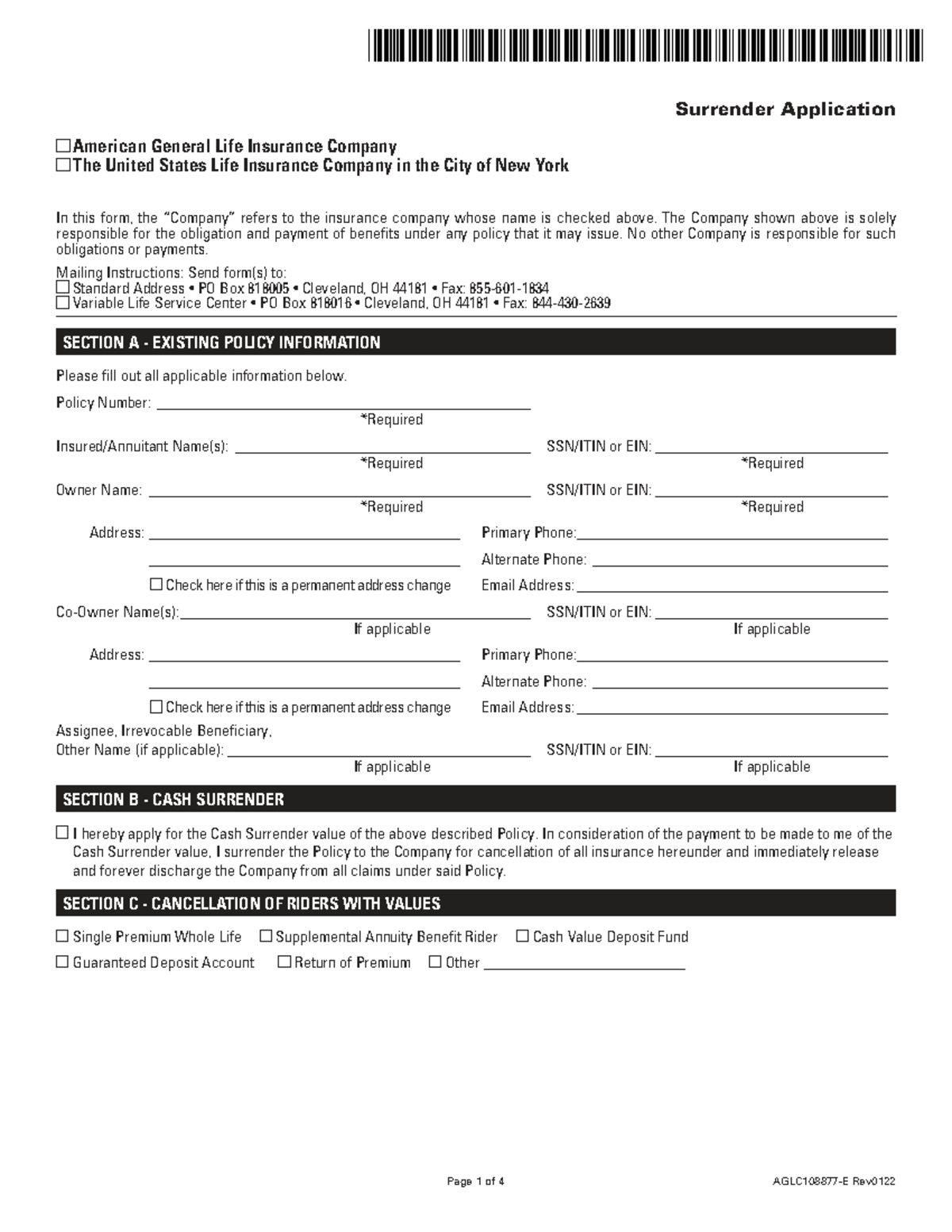
When a policyholder passes away, surviving relatives must navigate a structured framework of insurance regulations, contract stipulations, and state laws to claim death benefits from American General Life Insurance Company—a major subsidiary of Corebridge Financial (formerly part of AIG). Successfully securing these funds requires understanding primary and contingent beneficiary hierarchies, addressing scenarios where named relatives have also passed away, and navigating the formal claims verification process.
Understanding American General Life Insurance and Corporate Identity
American General Life Insurance Company is a prominent underwriter of individual life, term, universal life, and annuity products in the United States. Over recent decades, corporate restructuring has shifted how policy servicing and claims are handled. Originally operating as an independent entity and later functioning as a primary life insurance writing company under American International Group (AIG), the company transitioned its branding and operations under Corebridge Financial following its separation from AIG.
Despite these corporate reorganizations, the legal obligations embedded within the underlying life insurance contracts remain fully binding. The original policy document dictates the contractual promise to pay a specified death benefit upon the insured's passing. When a relative passes away, family members must first inspect the physical or electronic policy contract to determine the exact identity of the insurer, the policy number, and the designated beneficiaries. Because corporate transitions can sometimes obscure paperwork origins, claimants should verify that policies originally issued under American General are directed to the correct current administrative entity for claims processing.
For individuals researching these policies after the death of a family member, establishing who holds the legal right to the payout is the critical first hurdle. Life insurance contracts are governed both by federal and state insurance laws and by the explicit terms written into the beneficiary designation forms on file with the company.
The Hierarchy of Beneficiaries: Primary vs. Contingent
To understand how American General handles payouts when relatives are deceased, one must first understand how beneficiaries are categorized within a life insurance contract. Insurance policies generally recognize two distinct tiers of beneficiaries:
- Primary Beneficiaries: These are the first individuals or entities designated to receive the death benefit upon the death of the insured. A policyholder can name a single primary beneficiary or multiple primary beneficiaries, specifying the exact percentage split (e.g., 50% to a spouse and 50% to a child).
- Contingent (or Secondary) Beneficiaries: These are the backup individuals or entities designated to receive the death benefit if all primary beneficiaries have predeceased the insured. If a primary beneficiary is alive at the time of the insured's death, contingent beneficiaries generally have no legal claim to the proceeds.
When a policyholder files out a beneficiary designation form, these hierarchies lock in the intended flow of funds. Complications arise when time passes, relatives age, and the designated individuals pass away before or simultaneously with the insured policyholder.
Rules Governing Deceased Beneficiaries
When a relative designated as a beneficiary has passed away prior to the insured, the distribution of the life insurance proceeds depends entirely on whether that beneficiary was primary or contingent, and whether other living beneficiaries exist.
Predeceased Primary Beneficiaries with Surviving Co-Beneficiaries
If the policyholder named multiple primary beneficiaries (such as three siblings) and one of those siblings passes away before the insured, American General typically distributes the deceased beneficiary's share among the surviving primary co-beneficiaries. This assumes the beneficiary designation form specifies a per capita distribution or that state default insurance laws mandate it. For instance, if three siblings were each designated to receive 33.3% and one passes away, the remaining two siblings will each receive 50% of the total death benefit, provided no contingent beneficiaries were named to take the specific share of the deceased individual.
Predeceased Primary Beneficiaries with No Living Primary Co-Beneficiaries
If all primary beneficiaries designated on the policy have passed away before the insured, the insurance company looks to the next tier: the contingent beneficiaries. If valid contingent beneficiaries are named and alive, the entire death benefit transfers directly to them.
Per Stirpes vs. Per Capita Designations
Policyholders often choose specific legal language regarding how shares pass down family lines:
- Per Capita: Meaning "by head," this designation dictates that shares are divided equally among only the surviving named beneficiaries. If a relative dies, their share is absorbed by the surviving named peers rather than passing to their children.
- Per Stirpes: Meaning "by branch," this designation dictates that if a named beneficiary passes away before the insured, that beneficiary's share passes down to their direct descendants (the children of the deceased beneficiary). If an American General policy includes a per stirpes designation, the children of a deceased relative will step into their parent's legal position to claim that specific portion of the death benefit.
All Beneficiaries Are Deceased
If the primary beneficiaries and all contingent beneficiaries have passed away, and no living descendants can claim the benefit via per stirpes rules, the life insurance proceeds default to the insured's estate. When funds are paid into an estate, they become subject to probate court proceedings, creditor claims, and state laws of intestacy, which can significantly delay distribution and deplete the net payout through legal and administrative fees.
| Beneficiary Status Scenario | Legal Outcome for American General Payout |
|---|---|
| Primary beneficiary survives insured | Payout goes directly to the surviving primary beneficiary. |
| One of multiple primary beneficiaries is deceased | Deceased share typically redistributes among surviving primary co-beneficiaries. |
| All primary beneficiaries deceased; contingent exists | Payout transfers entirely to the named contingent beneficiary or beneficiaries. |
| All primary and contingent beneficiaries deceased | Payout defaults to the insured's estate, triggering probate. |
The Impact of Simultaneous Death Statutes
A rare but legally significant complication occurs when the insured and a beneficiary die in the same event (such as a vehicular accident) without clear proof of who survived the other by even a few moments.
To resolve this, insurance contracts and state laws rely on the Uniform Simultaneous Death Act (USDA) or similar state statutes. Under these rules, if there is no sufficient evidence that the beneficiary survived the insured by a statutory period (frequently 120 hours under modern revisions), the law presumes that the insured survived the beneficiary. Consequently, the primary beneficiary is treated as having predeceased the insured, and the death benefit passes to the contingent beneficiaries or down per stirpes lines, preventing the funds from flowing into the beneficiary's own separate estate.
Verification, Documentation, and the Claims Process
Filing a claim for an American General life insurance policy following the death of a relative requires rigorous documentation. Insurance companies enforce strict verification protocols to prevent fraud and ensure legal compliance.
1. Locating Policy Documentation and Initiating Contact
The claims process begins by notifying the insurer. Claimants must provide the policy number, the insured's full legal name, Social Security number, and certified copies of the death certificate. If the physical policy cannot be located, claimants can utilize the NAIC Life Insurance Policy Locator service or contact American General’s customer service department directly with identifying data to search active databases.
2. Providing Proof of Death and Surviving Status
American General requires an official, state-certified copy of the death certificate listing the cause and manner of death. If the claim involves navigating deceased beneficiary rules—such as proving that a primary beneficiary passed away prior to the insured—the claimant must also supply a certified death certificate for the deceased beneficiary to establish the correct chain of distribution to contingent beneficiaries or per stirpes descendants.
3. Completing Claimant's Statements
Every claiming party must complete a formal Claimant’s Statement. This document requires personal identification, tax identification numbers (W-9 certification), and the preferred payout method (lump-sum cash, retained asset account, or structured settlement).
Common Pitfalls and Troubleshooting
Navigating life insurance claims after the death of relatives often reveals administrative or legal oversights made years prior. Understanding common pitfalls helps families anticipate and mitigate delays.
- Outdated Beneficiary Forms: A common issue is a policyholder failing to update beneficiaries after a divorce, remarriage, or the death of a child. In many states, divorce revokes a former spouse's status as a beneficiary automatically, but federal laws (such as ERISA for employer-sponsored group life policies) or specific state contract laws can complicate this. If a named relative has been dead for years and no contingent was named, the estate default rule applies.
- Minor Beneficiaries: If a beneficiary who is a minor (under age 18 or 21 depending on the jurisdiction) is designated to receive funds directly, American General cannot legally disburse funds straight to a child. A court-appointed legal guardian or trustee must be established to manage the funds until the minor reaches the age of majority, which can stall payouts significantly.
- Missing or Incomplete Documentation: Discrepancies between the name on the death certificate and the name on the policy (due to maiden names, suffixes like Jr. or Sr., or middle name omissions) will halt claims processing until an affidavit of identity or corrective documentation is provided.
Frequently Asked Questions
What happens if an American General beneficiary died before the policyholder?
If a primary beneficiary predeceased the policyholder, their share typically passes to surviving primary co-beneficiaries or to named contingent beneficiaries. If no living beneficiaries of any tier exist, the payout goes to the insured's estate.
How do I find an old American General life insurance policy if I only have a relative's name?
You can contact Corebridge Financial (the current parent organization handling legacy American General policies) with the deceased relative's full name, Social Security number, and date of birth. Alternatively, you can use the National Association of Insurance Commissioners (NAIC) Life Insurance Policy Locator.
Can the children of a deceased beneficiary collect the insurance money?
They can only collect if the policy designation specifically included a "per stirpes" clause, or if they are explicitly named as contingent beneficiaries. Otherwise, the share remains with surviving primary beneficiaries.
What is required to file a death claim with American General?
You generally need a completed claimant's statement, a certified copy of the insured's death certificate, and, if applicable, death certificates for any predeceased beneficiaries to establish the legal chain of custody for the funds.
How long does American General take to pay out a life insurance claim?
Once all required documentation, including certified death certificates and claimant statements, is received and verified, straightforward claims are typically processed and paid out within 30 days, though complex cases involving estate probate or disputed beneficiaries can take months.
Next Actions for Claimants
If you are managing the estate or handling the affairs of a deceased relative insured by American General, your immediate next step is to request multiple certified copies of the death certificate from the vital statistics office. Concurrently, gather all personal papers to locate the specific policy documents or premium notices. Contact Corebridge Financial's life insurance claims department to request the correct claim packet, ensure all beneficiary lineages are documented with proper vital records, and submit your paperwork via secure channels to expedite the distribution of funds.