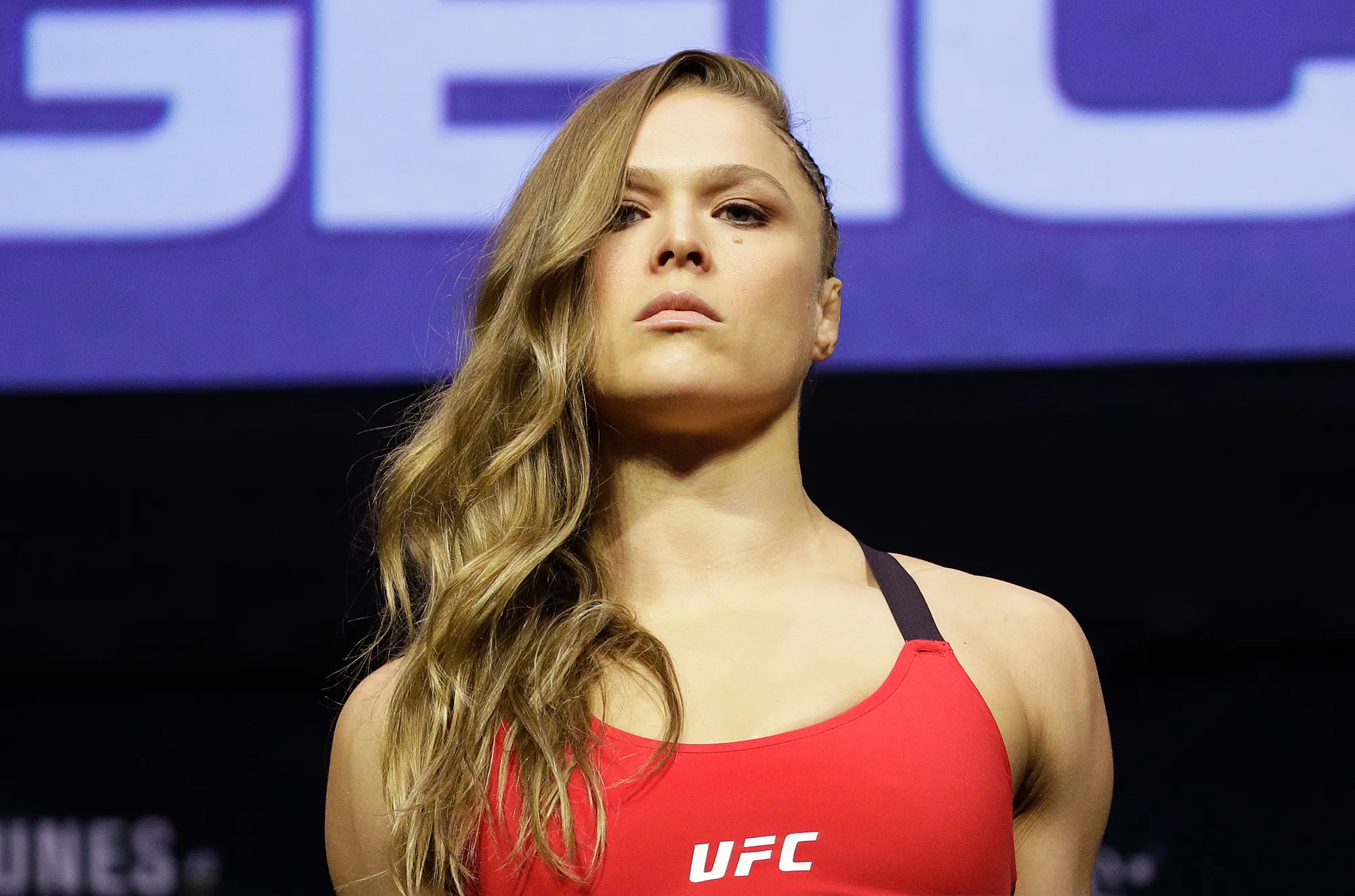
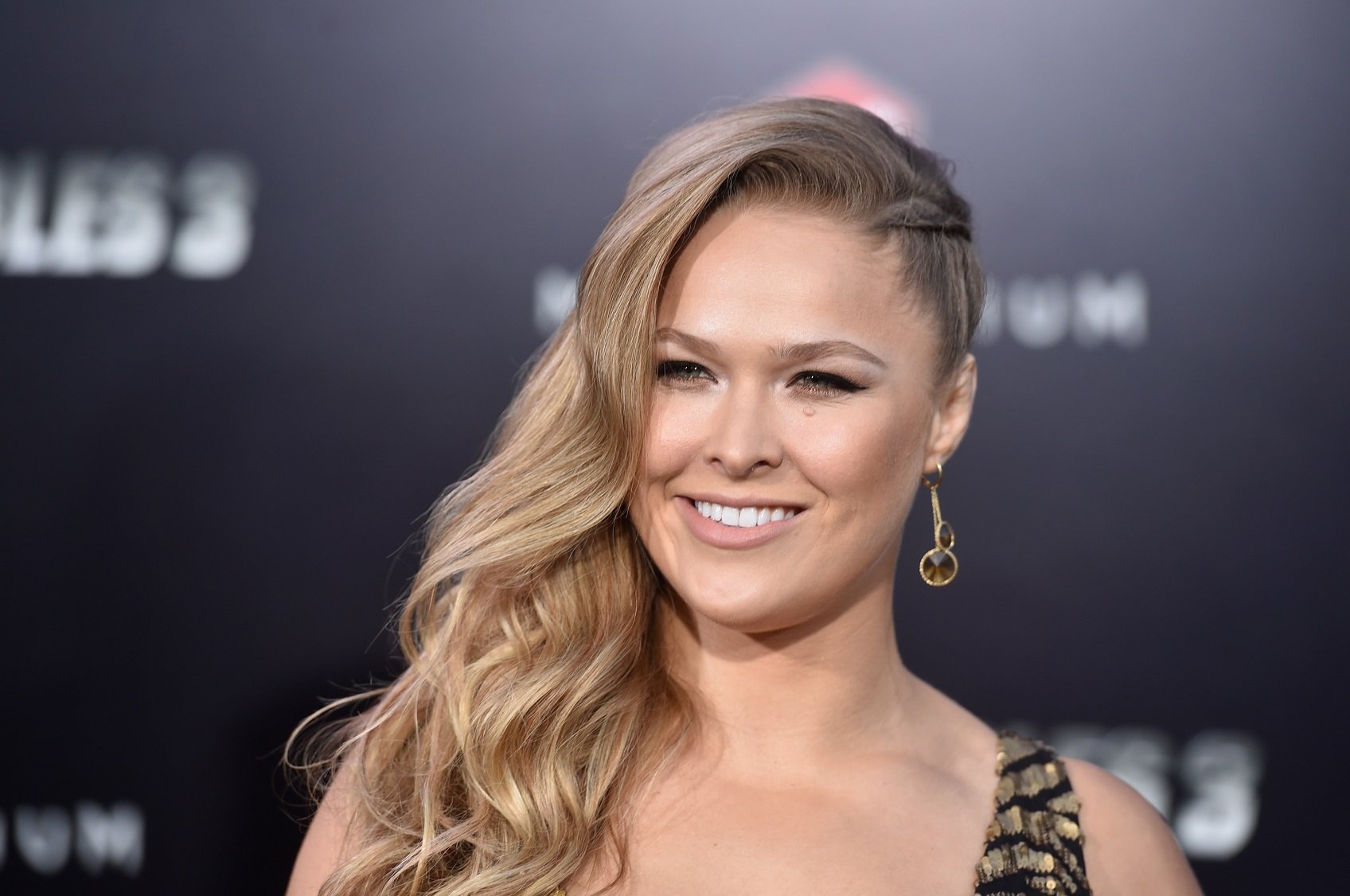
Ronda Rousey’s career transition from an Olympic-level judoka and pioneering MMA fighter to a global entertainment figure represents one of the most successful brand pivots in modern sports history. Her estimated net worth as of 2026 remains in the $12–14 million range, bolstered by her peak UFC earnings, lucrative endorsement deals, and strategic film roles, most notably her high-octane appearance in Furious 7.
The Evolution of Ronda Rousey’s Financial Portfolio
To understand Ronda Rousey’s financial standing, one must look beyond a single source of income. Her net worth is the cumulative result of three distinct professional phases: her amateur athletic dominance, her tenure as the face of women’s mixed martial arts, and her subsequent career in professional wrestling and acting.
The UFC and MMA Era
Rousey was the first female fighter signed to the UFC, and for several years, she was the promotion's biggest pay-per-view draw. During her prime (2013–2016), she commanded significant fight purses. Unlike many fighters who relied solely on appearance fees, Rousey negotiated points on pay-per-view buy rates. Her earnings reached a pinnacle during her final fights, where she reportedly earned base salaries in the seven-figure range per bout, supplemented by discretionary bonuses.
Endorsements and Brand Partnerships
Financial stability for high-profile athletes is rarely maintained by fight purses alone. Rousey’s marketability in the mid-2010s allowed her to sign major endorsement deals with corporations such as Reebok, MetroPCS, Monster Headphones, and Pantene. These long-term partnerships provided a diversified income stream that cushioned her finances against the inherent risks of combat sports. As of 2026, while her active endorsement portfolio has shifted toward legacy projects and personal ventures, the equity built during those years remains a cornerstone of her wealth.
The Transition to Entertainment
The move into the film industry was a calculated step to extend her career longevity. By leveraging her athletic fame, she secured roles that leaned into her specific physical archetype. The most prominent of these was the 2015 blockbuster Furious 7, which served as a major turning point in her visibility to mainstream, non-sports audiences.
Breaking Down the Role in Furious 7
In Furious 7 (2015), directed by James Wan, Ronda Rousey played the character Kara, the head of security for a billionaire in Abu Dhabi. While the role was supporting, it was highly publicized because it pitted Rousey—a real-life fighter—against Michelle Rodriguez’s character, Letty Ortiz, in a high-stakes, choreographed fight sequence.
The Significance of the Fight Choreography
The scene featuring Rousey and Rodriguez is widely regarded as one of the film’s standout action sequences. Because Rousey brought legitimate combat experience to the set, the choreography required less reliance on "movie magic" to sell the impact of the hits. For the Fast & Furious franchise, which prides itself on escalating stunts and physical feats, casting a legitimate combat athlete provided an authentic aesthetic that aligned with the series' brand identity.
Impact on Her Career Trajectory
For Rousey, the Furious 7 role was not just about the paycheck; it was about establishing "box office viability." The franchise is a global powerhouse, and appearing in a film that grossed over $1.5 billion worldwide introduced her to markets that did not follow MMA. This role acted as a bridge between her professional fighting career and her subsequent work in the World Wrestling Entertainment (WWE) promotion, where the performance skills learned on film sets proved invaluable.
Comparative Earnings and Industry Standards
Evaluating the financial success of an athlete-turned-actress requires comparing them against industry benchmarks. In Hollywood, stunt-heavy roles often provide a platform for future lead work, though they are rarely the highest-paying entry points.
| Revenue Source | Estimated Financial Impact | Primary Market |
|---|---|---|
| UFC Fight Purses | High (Peak 2013–2016) | Combat Sports |
| PPV Revenue Sharing | Very High (Performance-based) | Combat Sports |
| Film Appearances | Moderate (Scale-based) | Entertainment |
| Brand Endorsements | Steady/High | Consumer Goods |
| WWE Contract | High (Peak 2018–2023) | Professional Wrestling |
Why Athletes Often Transition to Acting
The transition from sports to acting is a common path for high-profile athletes because it allows them to monetize their existing fame while minimizing the physical trauma associated with professional fighting. By the time Rousey appeared in Furious 7, she was already managing the long-term physical toll of her judo and MMA career. The film industry offered a sustainable alternative that maintained her celebrity status without the daily risk of permanent injury inherent to the cage.
Practical Lessons from the Rousey Business Model
For those studying personal branding and wealth management, Rousey’s career offers several replicable strategies. Her ability to identify when a professional cycle is ending and shift focus toward a new platform before the decline is a hallmark of successful career management.
Diversification as a Hedge Against Volatility
Rousey never relied solely on one revenue stream. By the time her undefeated streak in the UFC ended, she had already established:
- Media Presence: Through consistent media appearances and documentary features.
- Acting Credits: Demonstrating a willingness to take small, physical roles to build a resume.
- Professional Wrestling: A natural evolution that utilized her physical talents in a scripted environment, providing a new, high-revenue career path after her MMA retirement.
Understanding Market Value
Rousey understood that her value to the Fast & Furious franchise was not just in her ability to act, but in the "Ronda Rousey" brand—the perception of her as an unbeatable, physically dominant force. Producers paid for the spectacle of watching her perform, which allowed her to demand a higher fee than a generic stunt double or less-famous actor might have commanded for a similar role.
Frequently Asked Questions
1. How much did Ronda Rousey earn for her role in Furious 7? Specific salary details for individual actors in the Fast & Furious franchise are rarely disclosed publicly. Industry reports suggest that while her fee was competitive for an actor of her experience level at the time, the real value lay in the exposure to a global audience, which increased her leverage for future negotiation.
2. Is Ronda Rousey still active in film and media? As of 2026, Ronda Rousey remains involved in various media projects, though she has stepped back from the relentless schedule of full-time professional wrestling and acting. She continues to leverage her platform for writing, commentary, and select business ventures.
3. Did her fighting career negatively impact her film earnings? No. In fact, her reputation as a dominant fighter was the primary driver of her casting in action films. Her perceived toughness is a commodity in Hollywood, particularly for the action genre, which directly translated into her ability to land roles in Furious 7, The Expendables 3, and Mile 22.
4. How does net worth for retired athletes generally fluctuate? Net worth is rarely static. Post-retirement, athletes typically move from "active income" (purses and performance fees) to "passive income" (investments, royalties, and businesses). Rousey’s financial strategy has focused on this shift, prioritizing investments over the high-intensity, short-term earnings of the cage.
Strategic Recommendation: Asset Protection
For individuals in high-earning but high-risk fields, the most critical takeaway from Ronda Rousey’s financial history is the necessity of early diversification. The window for peak earnings in combat sports is exceptionally narrow. Her decision to pivot into film, media, and wrestling while still at the top of her athletic game ensured that she was not left with a sudden loss of income when her fighting career concluded. Anyone seeking to emulate this path should focus on building a personal brand that transcends their primary profession early in their career.