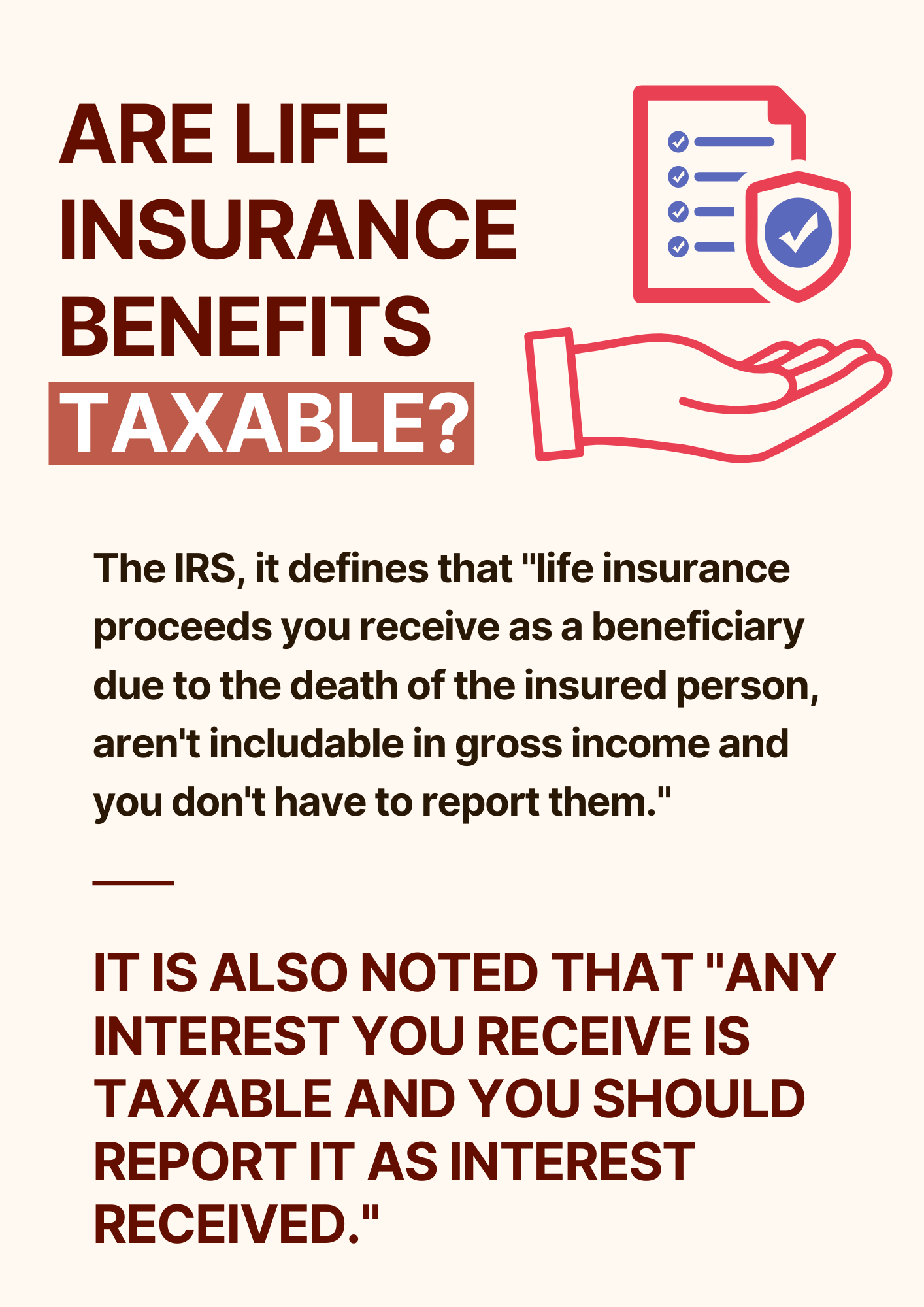
Generally, life insurance death benefits paid to a beneficiary are not considered taxable income, even if the policy owner is someone other than the insured. However, tax implications can arise depending on the structure of the policy, the relationship between the parties, and whether the policy has been transferred for valuable consideration. Understanding these nuances is essential for effective estate and financial planning.
The General Rule: Income Tax Exclusion
Under Section 101(a)(1) of the Internal Revenue Code, amounts received under a life insurance contract—if such amounts are paid by reason of the death of the insured—are generally excluded from the gross income of the beneficiary. This principle applies regardless of whether the owner of the policy is the insured person, the beneficiary, or a third party.
For most individual policyholders, this means the full face value of the death benefit is received tax-free. The Internal Revenue Service (IRS) does not view the payout as earned income or a capital gain, but rather as a non-taxable transfer of capital following a death. This exclusion is intended to provide financial security to survivors without imposing an immediate tax burden during a period of transition.
When Proceeds May Become Taxable
While the general rule is exclusion, there are specific scenarios where life insurance proceeds may be subject to taxation. These exceptions are critical for policy owners to monitor to avoid unexpected liabilities.
The Transfer for Value Rule
The most significant exception is the "transfer for value" rule. If a policy is sold or transferred to another party for valuable consideration (such as cash or other property), the income tax exclusion may be lost. In such cases, the death benefit can become taxable to the extent that it exceeds the consideration paid for the policy plus any subsequent premiums paid by the new owner.
For example, if an investor purchases a policy from the original owner for $50,000, pays an additional $10,000 in premiums, and then collects a $200,000 death benefit upon the insured's death, the investor would be liable for income tax on the $140,000 gain ($200,000 - $50,000 - $10,000).
There are, however, safe harbors to this rule. Transfers are generally exempt from the transfer for value rule if:
- The basis of the policy is determined by reference to the transferor’s basis.
- The policy is transferred to the insured.
- The policy is transferred to a partner of the insured.
- The policy is transferred to a partnership in which the insured is a partner.
- The policy is transferred to a corporation in which the insured is a shareholder or officer.
Interest on Delayed Payments
If the insurance company holds the death benefit proceeds for a period after the insured's death and pays interest on that amount, the interest portion is taxable. While the principal (the death benefit) remains tax-free, the interest earned while the funds remain with the insurer is considered taxable income to the recipient.
Estate Tax Considerations
It is vital to distinguish between income tax and estate tax. Even if proceeds are exempt from income tax, they may be subject to federal estate taxes if the insured individual held "incidents of ownership" in the policy at the time of their death. Incidents of ownership include the power to change beneficiaries, surrender or cancel the policy, assign the policy, revoke an assignment, or pledge the policy for a loan.
If the insured owns the policy, or if the proceeds are payable to their estate, the total death benefit is generally included in the insured’s gross estate for federal estate tax purposes. To avoid this, individuals often place policies in an Irrevocable Life Insurance Trust (ILIT).
Comparison of Tax Scenarios
The following table summarizes common situations regarding the taxability of life insurance proceeds for the owner or beneficiary.
| Scenario | Income Tax Status | Estate Tax Status |
|---|---|---|
| Standard death benefit to beneficiary | Generally Tax-Free | Potentially Taxable |
| Transfer for value (policy sale) | Partially Taxable | Subject to rules |
| Interest on held proceeds | Taxable as Interest | N/A |
| Policy owned by ILIT | Tax-Free | Usually Excluded |
Key Concepts for Policy Owners
To navigate these rules successfully, policy owners must understand their role and the legal structure of their coverage.
Defining Ownership
The policy owner is the individual or entity that holds the legal rights to the contract. The owner is the only party authorized to make changes, such as modifying the beneficiary designation, borrowing against the cash value, or canceling the policy. In many cases, the owner and the insured are the same person, but in sophisticated planning, an entity or a trust may own the policy.
The Role of Cash Value
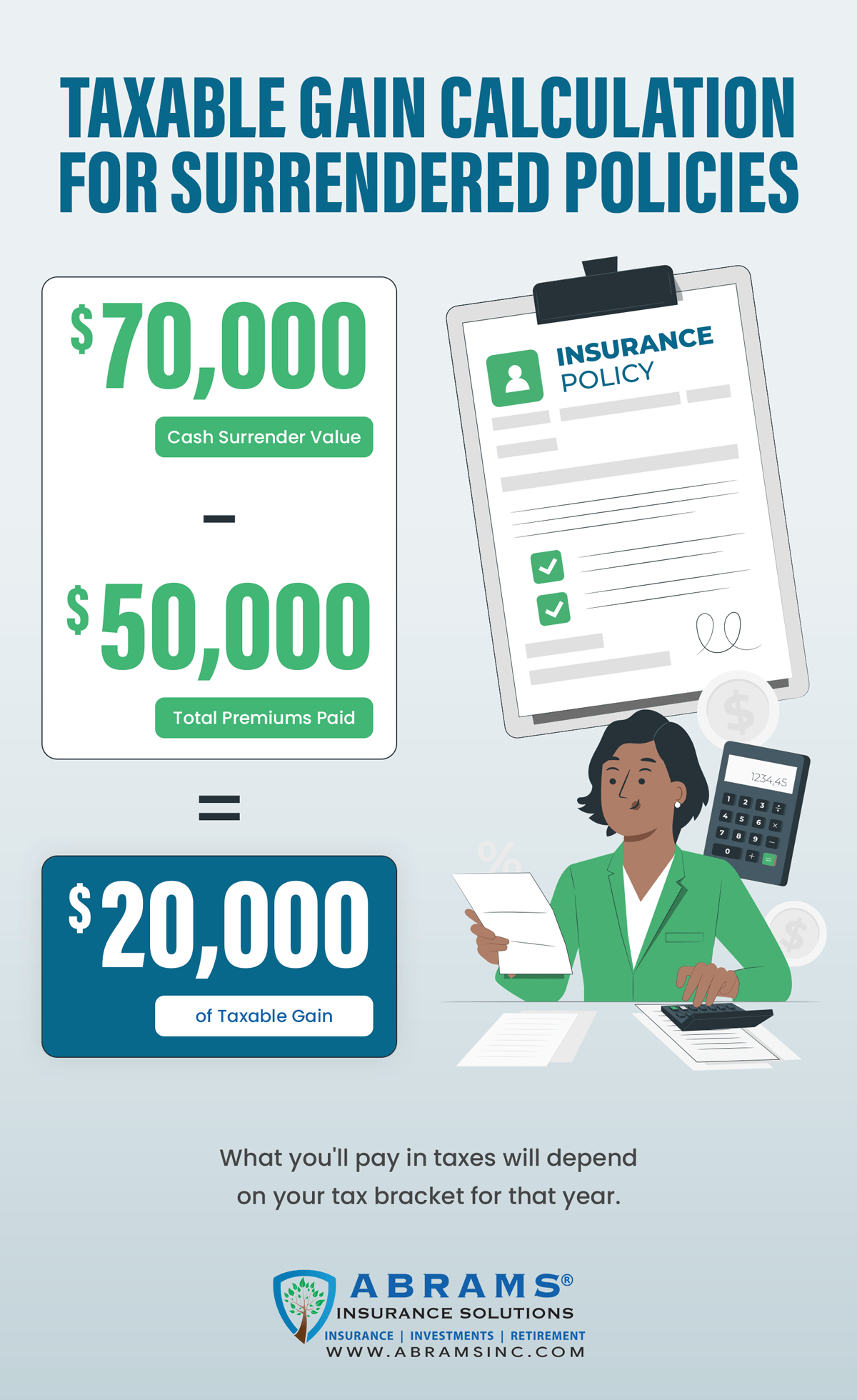
Whole life and universal life insurance policies accumulate cash value. If a policy owner surrenders a policy for its cash value while the insured is still alive, the owner may be subject to income tax on the amount received that exceeds the "cost basis" of the policy. The cost basis is generally the total amount of premiums paid minus any dividends or withdrawals received. This is a crucial distinction: death benefits are usually tax-free, but living benefits (surrender values) are subject to ordinary income tax rules.
Frequently Asked Questions
Does it matter if I am the policy owner but not the beneficiary?
No. The tax-free nature of the death benefit under Section 101(a)(1) typically remains intact regardless of the owner, provided the policy was not transferred for value. However, ownership structure is vital for estate tax planning, as owning a policy on someone else's life may affect your own taxable estate if you pass away before the insured.
Are there tax implications for business-owned policies?
Yes, business-owned policies—often used for "key person" insurance—follow specific rules. While the proceeds are often received tax-free by the business, they might trigger a corporate alternative minimum tax or impact the valuation of the business for estate tax purposes if the owner is a majority shareholder.
Can I change ownership of a policy to avoid taxes?
You can transfer a policy, but you must be wary of the transfer for value rule and gift tax implications. If you give a policy to a family member, you may have to file a gift tax return if the value of the policy exceeds the annual gift tax exclusion limit. Consult with a qualified tax advisor before executing such a transfer.
What happens if I borrow against the policy's cash value?
Loans taken against the cash value of a life insurance policy are generally not taxable, provided the policy remains in force. If the policy lapses or is surrendered while a loan is outstanding, the IRS may treat the cancellation of the debt as a taxable event, potentially resulting in a significant tax bill.
Does the state I live in affect my tax liability?
Federal law sets the baseline for the income tax exclusion on life insurance death benefits. However, some states follow federal tax treatment, while others may have unique rules regarding inheritance or estate taxes that apply to life insurance proceeds. Always verify your specific state regulations.
Practical Steps for Policy Management
To ensure that your life insurance policy functions as intended without triggering unintended tax consequences, follow these professional guidelines:
- Conduct an Annual Review: Review your policy ownership and beneficiary designations every year, or after major life events such as marriage, divorce, or the birth of a child.
- Document the Cost Basis: Keep accurate, permanent records of all premiums paid. If you ever need to surrender the policy or if you sell it, this documentation is essential for calculating your gain or loss.
- Consult Legal Counsel for Transfers: If you are considering transferring ownership—especially to a trust or a business entity—work with an attorney. Ensuring the transfer falls within the "safe harbor" exceptions of the transfer for value rule is vital to preserving the tax-free status of the death benefit.
- Evaluate Estate Planning Goals: If your total assets, including life insurance proceeds, exceed current estate tax exemption levels, consider exploring the use of an Irrevocable Life Insurance Trust (ILIT). This legal structure can effectively remove the policy from your taxable estate.
- Review Loan Provisions: If you decide to borrow against your policy, understand the terms. Ensure you have a plan to maintain the policy's viability so that you do not inadvertently trigger a taxable event through a policy lapse.
Managing life insurance is a long-term financial commitment. While the death benefit is generally a powerful, tax-efficient tool for providing liquidity to heirs, the complexity of ownership and transfer rules requires ongoing attention. By maintaining clean records and periodically consulting with a professional, you can ensure that the financial protection you have put in place remains as efficient as possible.