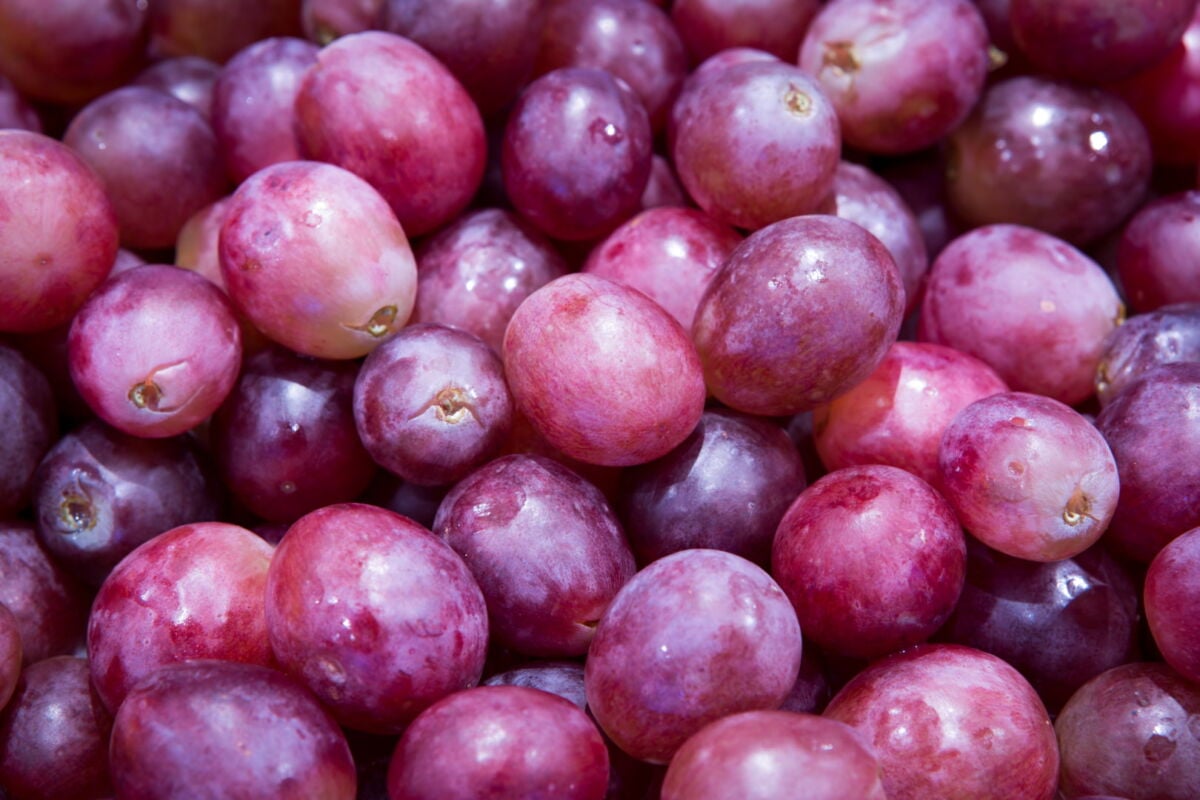
Red grapes are considered acidic foods, primarily due to their natural content of tartaric and malic acids, which contribute to their characteristic flavor profile and pH level. While they are classified as acidic, they generally have a pH range of 3.0 to 4.5, and they are metabolized by the human body in a way that typically does not promote systemic acidity, making them a common part of balanced diets.
The Chemistry of Grape Acidity: Acids Defined
To understand why red grapes are classified as acidic, one must look at the organic acids present in the fruit. The acidity of any fruit is determined by the concentration of hydrogen ions, measured on the pH scale. On this scale, 7.0 is neutral, numbers below 7.0 are acidic, and numbers above 7.0 are alkaline.
Most fruits, including red grapes, fall within the acidic range. The two primary acids responsible for this are tartaric acid and malic acid. Tartaric acid is the most prevalent acid in grapes and is relatively unique in the fruit world; it is rarely found in significant quantities in other common fruits. Malic acid, which is also found in apples, provides a sharper, more biting acidity. During the ripening process, the concentration of these acids changes significantly. As grapes mature on the vine, the acidity decreases while sugar levels rise. This balance is critical for the sensory experience of eating the fruit, as the interplay between sweetness and tartness creates the complex flavor profile consumers expect.
pH Levels and Their Impact
The pH of red grapes typically fluctuates between 3.0 and 4.5 depending on the cultivar, the soil conditions, and the stage of ripeness. A pH of 3.5 is common for many table grape varieties. While this level may seem low, it is important to distinguish between the pH of the fruit itself and the effect it has on the human body.
In nutritional science, researchers often distinguish between the direct acidity of a food and its "potential renal acid load" (PRAL). Although red grapes are acidic upon ingestion, they are considered to have a PRAL that is neutral or slightly alkaline-forming once metabolized. This is because grapes contain minerals such as potassium, magnesium, and calcium. During the metabolic process, these minerals buffer the acids, which helps maintain the body's strict pH balance in the blood. Therefore, consuming red grapes does not cause a significant drop in blood pH, even though they possess acidic characteristics in their raw form.
Nutritional Profile and Benefits of Red Grapes
Red grapes are more than just their acid content; they are nutrient-dense fruits that offer significant health benefits. They are rich in phytochemicals, most notably resveratrol, a polyphenol found in the skins of red grapes. Resveratrol has been the subject of extensive cardiovascular and anti-inflammatory research.
Key Nutrients Found in Red Grapes
- Polyphenols: Including flavonoids and anthocyanins, which provide the deep red and purple pigments of the skin and act as potent antioxidants.
- Vitamins: Red grapes are a notable source of Vitamin K, essential for bone health and blood clotting, and Vitamin C, which supports immune function.
- Potassium: This mineral is vital for maintaining healthy blood pressure levels and counteracting the effects of sodium in the diet.
- Fiber: While they are not a "high-fiber" food compared to legumes or whole grains, the fiber present in grapes supports digestive regularity.
Comparing Red Grapes to Other Fruits
When managing dietary acidity, it is helpful to understand where red grapes sit in comparison to other commonly consumed fruits. Some fruits are significantly more acidic, while others are relatively mild.
| Fruit | Typical pH Range | Acidity Category |
|---|---|---|
| Lemons/Limes | 2.0 – 2.6 | High |
| Red Grapes | 3.0 – 4.5 | Moderate |
| Apples | 3.3 – 4.0 | Moderate |
| Bananas | 4.5 – 5.2 | Low |
| Watermelon | 5.2 – 5.6 | Low |
This table illustrates that while red grapes are acidic, they are less aggressive than citrus fruits. For individuals prone to acid reflux or those with dental sensitivity, this distinction is important. The lower acidity of grapes compared to citrus makes them a more tolerable choice for many people with sensitive digestive tracts.
Considerations for Sensitive Individuals
Despite the general health benefits, there are specific scenarios where the acidity of red grapes might pose a challenge. Individuals who suffer from Gastroesophageal Reflux Disease (GERD) or frequent heartburn may find that eating acidic fruits, including grapes, exacerbates their symptoms.
Dental Health
From a dental perspective, frequent exposure to acidic foods can lead to enamel erosion. The organic acids in grapes, when consumed in excess or held in the mouth for extended periods, can soften the enamel over time. To mitigate this, dental professionals often recommend rinsing the mouth with water after eating acidic fruits or consuming them as part of a larger meal rather than as a standalone snack. This helps neutralize the oral environment.
Digestive Sensitivity
Some people may experience mild gastrointestinal distress, such as bloating or cramping, if they consume large quantities of grapes. This is often due to the fructose and polyols (naturally occurring sugar alcohols) found in the fruit, which can be fermented by gut bacteria, rather than the acidity alone. If you notice symptoms after eating grapes, it is advisable to moderate your portion size or track consumption to see if symptoms persist.
Selecting and Storing Grapes for Optimal Quality
The acidity and sweetness of red grapes are influenced by their quality and storage conditions. When selecting grapes at the market, look for bunches that are firm and securely attached to the stem. Avoid bunches with browning stems or grapes that appear soft or shriveled, as these may have begun to ferment or oxidize, which can alter the acidity and taste.
Once purchased, grapes should be stored in the refrigerator. They maintain their best quality when kept in a perforated plastic bag or their original packaging, which allows for minimal airflow while retaining enough moisture to prevent shriveling. Do not wash the grapes until you are ready to consume them; excess moisture on the surface of the fruit during storage can encourage premature spoilage and microbial growth.
Frequently Asked Questions
Are red grapes considered a "high-acid" food? No, they are generally considered to have moderate acidity. While their pH is low enough to be classified as acidic, they are not as aggressive as citrus fruits like lemons or oranges, which occupy a much lower position on the pH scale.
Can eating red grapes cause heartburn? For most people, they do not cause heartburn. However, individuals with GERD or acid sensitivity may find that acidic fruits trigger symptoms. If you are sensitive, it is best to test your tolerance with smaller portions before eating them in larger quantities.
Do red grapes make the body acidic? No. Despite being acidic in the mouth and stomach, red grapes have an alkalizing effect on the body's system once metabolized. This is due to their high mineral content, which acts as a buffer to maintain a stable internal pH.
Is it better to eat green or red grapes if I am sensitive to acid? Both green and red grapes have similar pH levels, typically ranging between 3.0 and 4.5. The difference in acidity is generally negligible between these varieties. Your choice should be based on your personal flavor preference rather than significant differences in acidity.
Does cooking red grapes change their acidity? Cooking can slightly alter the perceived acidity of grapes by breaking down their cellular structure and allowing sugars to become more concentrated or caramelized. However, the inherent chemical acidity remains largely unchanged unless other ingredients are added to buffer or increase the pH.
Final Recommendation for Consumption
Red grapes are a healthy, nutrient-rich addition to most diets. Unless you have been medically advised to avoid acidic foods due to severe acid reflux or specific dental concerns, there is no reason to exclude them. To incorporate them effectively, enjoy them as part of a balanced diet—pairing them with other foods can help dilute their natural acidity and make them easier on your digestive system. If you find you are particularly sensitive, rinse your mouth with water after eating to protect your enamel and stick to a single serving (roughly one cup) at a time to minimize any potential digestive discomfort.