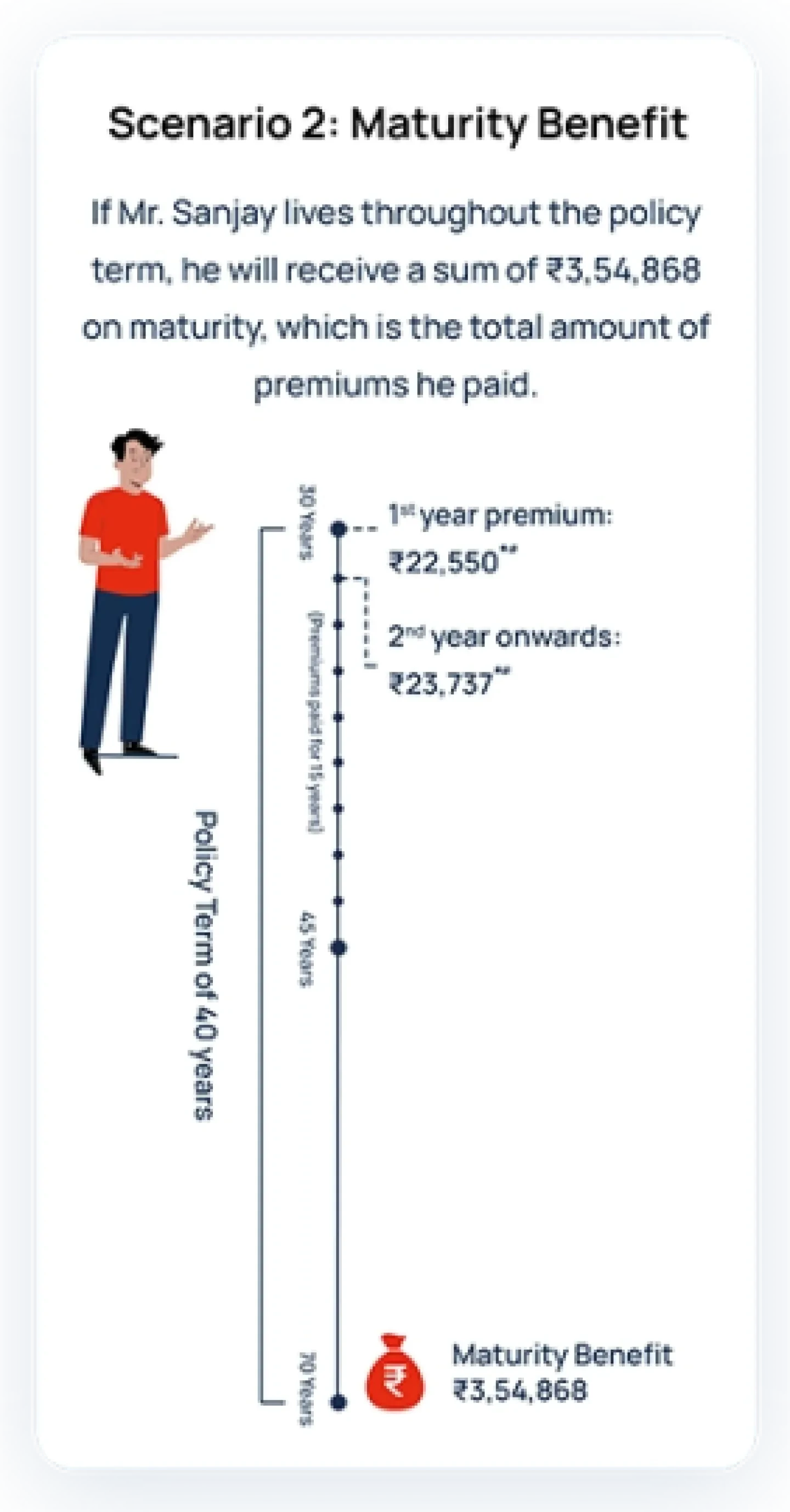
Return of Premium (ROP) term life insurance is a specialized policy type that refunds your paid premiums at the end of the term if you outlive the policy. While this provides a form of "forced savings," the products are generally significantly more expensive than standard term life insurance. Their value depends entirely on whether you prioritize the return of capital over the opportunity cost of investing the premium difference elsewhere.
Understanding the Mechanics of Return of Premium Insurance
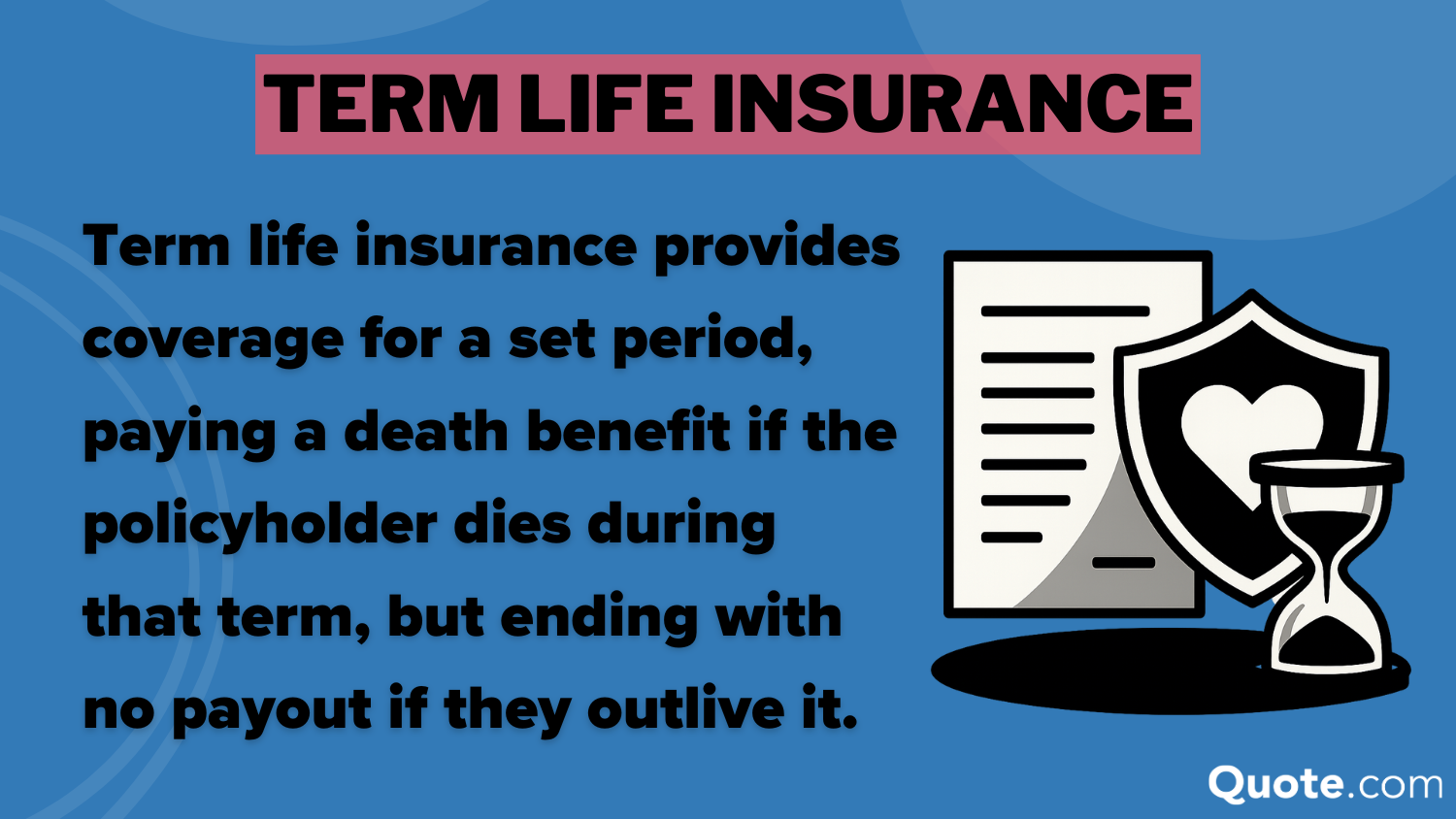
Return of Premium term life insurance functions as a hybrid between traditional term insurance and a savings vehicle. When you purchase a standard term life insurance policy, you pay a monthly or annual premium in exchange for a death benefit that persists for a fixed period, such as 10, 20, or 30 years. If the insured individual passes away during that term, the beneficiaries receive the payout. If the insured outlives the term, the policy expires with no further obligation from the insurer, and you receive no money back.
An ROP policy operates on the same premise regarding the death benefit—it remains a pure insurance product that pays out upon death during the contract term. However, it includes a contractual guarantee that if you are still alive at the end of the term, the insurance company will refund the total amount of premiums you paid over those years.
This feature is attractive to many consumers because it eliminates the "waste" associated with standard term insurance, where payments are effectively lost if the insured remains healthy. However, this guarantee is not provided for free. Insurance carriers must factor the future liability of these refunds into their pricing models, which leads to substantially higher premiums compared to a "level term" policy without the ROP feature.
Comparing ROP Term Life and Standard Term Life
To determine the true worth of an ROP product, you must analyze it through the lens of a mathematical trade-off. Standard term life insurance is designed for risk protection at the lowest possible cost. ROP term life insurance, by contrast, is designed for risk protection combined with a guaranteed return of principal.
The Cost Gap
The premiums for an ROP policy can be anywhere from 50% to 200% higher than the premiums for a comparable non-ROP term policy. This price discrepancy occurs because the insurance company is essentially managing an investment account on your behalf with the goal of returning the principal sum at the end of the term. Because the company must guarantee this return regardless of market performance, they charge an increased premium to offset the cost of that financial obligation.
The Opportunity Cost
The most significant argument against ROP insurance is the concept of opportunity cost. If you were to purchase a standard, cheaper term life policy and invest the difference in premiums into a low-cost index fund or a high-yield savings account, the total accumulated value at the end of 20 or 30 years would, in many historical market scenarios, exceed the amount returned by an ROP policy.
Because ROP refunds are generally not adjusted for inflation, $10,000 returned to you in 2046 will not have the same purchasing power as $10,000 today. Furthermore, most ROP policies do not offer interest on the returned premiums; you receive only the nominal dollar amount you paid in.
Is ROP Worth the Cost? A Strategic Evaluation
Whether an ROP policy is "worth it" depends on your personal financial philosophy and your ability to adhere to a disciplined savings plan.
Scenarios Where ROP Might Be Worth It:
- The "Non-Saver" Profile: If you know that you lack the discipline to invest the "premium difference" between a standard policy and an ROP policy, the ROP acts as a forced savings account. At the end of the term, you receive a lump sum that you otherwise would not have accumulated.
- Risk Aversion: If your primary objective is to guarantee that your premiums are not "sunk costs" and you are not comfortable with the volatility of the stock market, an ROP policy offers a risk-free return of capital.
- Cash Flow Management: Some individuals prefer to bundle their insurance and savings into a single payment. Knowing that a portion of the payment will return to them provides peace of mind that justifies the higher monthly cost.
Scenarios Where ROP Is Likely Not Worth It:
- Financial Discipline: If you have the discipline to set up an automated transfer to a brokerage account, you will almost always achieve better long-term financial results by buying standard term insurance and investing the difference.
- Need for High Coverage Amounts: Because ROP policies are significantly more expensive, buying them might limit your ability to purchase the full amount of death benefit coverage you truly need for your family’s protection. In life insurance, the primary goal should always be sufficient coverage for dependents; any savings strategy is secondary.
- Inflation Sensitivity: As noted, the lack of interest on the refund means that inflation erodes the value of your return over time.
Comparative Overview: ROP vs. Traditional Term
| Feature | Standard Term Life | Return of Premium (ROP) Term |
|---|---|---|
| Primary Goal | Pure death benefit protection | Protection + return of principal |
| Premium Cost | Lower / Affordable | Significantly higher |
| Return at End of Term | None | 100% of base premiums paid |
| Investment Potential | None (unless you invest the savings) | Guaranteed, but no interest growth |
| Ideal For | Families maximizing coverage | Consumers seeking forced savings |
Practical Limitations and Operational Considerations
Before committing to an ROP policy, it is vital to understand the operational limitations that can lead to a loss of the benefit.
Term Completion Requirements
Most ROP policies require you to keep the policy in force for the full duration of the term (e.g., the full 20 or 30 years). If you decide to cancel the policy early because you no longer need the coverage or can no longer afford the high premiums, you will typically receive nothing back—or perhaps a small, prorated portion depending on the contract language. This is known as a "surrender penalty." For many people, the inability to foresee their financial or insurance needs three decades into the future makes the ROP structure rigid and potentially risky.
Beneficiary Considerations
The death benefit of an ROP policy is paid to your beneficiaries if you die during the term. However, the return of premium benefit only applies if you survive the term. The return is essentially a refund to the policyholder, not an additional death benefit. If you pass away during the final year of a 30-year term, your beneficiaries receive the death benefit, but they do not typically receive the ROP refund as well.
Tax Implications
In the United States, the return of premium is generally considered a refund of your own after-tax dollars and is typically not subject to income tax. However, you should consult with a tax professional regarding your specific jurisdiction and policy structure, as tax laws can evolve and individual financial circumstances vary.
Strategic Alternatives to Return of Premium Policies
If the high cost of an ROP policy feels prohibitive, or if you want more flexibility, consider these common alternatives:
- Standard Term Life + Brokerage Account: As mentioned, this is the most common expert recommendation. Purchase a 20- or 30-year level term policy and put the premium difference into a diversified investment portfolio. This maintains the flexibility to adjust your investments and potentially capture market growth.
- Permanent Life Insurance (Whole or Universal): If you are looking for a product that combines death benefits with a cash value component that grows over time, permanent life insurance may be a better fit. Unlike ROP, which is a term product with a maturity date, permanent policies can last your entire lifetime and offer tax-advantaged cash value accumulation.
- "Convertible" Term Policies: Many standard term policies include a conversion rider. This allows you to convert your term policy into a permanent policy later in life without undergoing a new medical exam. This offers a middle ground between the affordability of term and the permanence of whole life.
Frequently Asked Questions (FAQ)
What happens if I stop paying my ROP premiums before the term ends?
If you stop paying premiums, your policy will lapse. In most cases, you will forfeit the right to the return of premium. Some policies may have "reduced paid-up" options or non-forfeiture benefits, but these rarely provide a full refund of your premiums. Always read the specific "non-forfeiture" clause in your policy contract.
Can I get a partial refund if I cancel my ROP policy after 10 years?
Most ROP policies are "all-or-nothing." If you cancel early, you generally lose the refund benefit. A few specialized products may offer a sliding scale of return, but these are rare. If you are unsure about your ability to maintain a 20- or 30-year commitment, an ROP policy is likely not the appropriate financial tool for you.
Does the death benefit change if I have an ROP rider?
No. The death benefit remains a fixed amount based on the coverage you purchased. The ROP feature is an add-on or a specific product structure that manages the premium refund, but it does not enhance or diminish the life insurance payout for your beneficiaries in the event of your death.
Is the "returned" money considered taxable income?
Generally, no. Because you paid for the premiums with after-tax money, the return is viewed as a return of your principal. However, financial products can have complex tax treatments. It is recommended to verify the specific tax treatment with a financial advisor or a CPA based on your total financial portfolio.
Should I prioritize ROP over maximizing my death benefit?
In almost every financial advisory context, securing an adequate death benefit is the priority. If the higher cost of an ROP policy forces you to purchase a lower death benefit (e.g., $250,000 instead of $500,000), you are likely under-insuring your family. Ensure your death benefit is sufficient to cover your financial obligations first; only consider the ROP feature if your budget allows for it after the primary protection is secured.
Final Recommendation
Before purchasing an ROP term life insurance product, run a simple side-by-side comparison. Get a quote for a standard level-term policy for the same death benefit amount. Calculate the monthly difference and imagine investing that amount into a diversified, low-fee investment account over the life of the term.
If you believe you are prone to lifestyle inflation or lack the discipline to manage a separate investment account, an ROP policy can serve as a "forced savings" tool that provides a guaranteed windfall at the end of the term. However, if you are a disciplined saver or if the higher premiums prevent you from securing the full death benefit your family requires, opt for a standard term policy and manage your wealth-building independently.