Yes, rechargeable batteries are allowed on flights, but they are subject to strict safety regulations depending on their chemistry, capacity, and whether they are packed in carry-on or checked luggage. Most consumer-grade lithium-ion batteries must travel in your carry-on bag to ensure that any potential thermal incident can be addressed by cabin crew immediately.
Understanding the Risks: Why Regulations Exist
The primary concern regarding rechargeable batteries in aviation is the risk of thermal runaway. Lithium-ion batteries, which power the vast majority of modern portable electronics, store a significant amount of energy in a compact space. If a battery is damaged, short-circuited, or experiences a manufacturing defect, it can generate intense heat, emit flammable gases, and potentially catch fire.
In an aircraft cargo hold, a fire involving lithium batteries is difficult to extinguish because the cargo area is inaccessible to flight attendants. Furthermore, standard fire suppression systems in aircraft holds are designed to manage general fire hazards rather than the chemical, self-oxidizing nature of a lithium battery fire. By requiring these batteries to be in the cabin, airlines ensure that a fire can be identified, isolated, and suppressed using the onboard fire extinguishers and containment procedures available to the flight crew.
Carry-On vs. Checked Luggage Rules
The aviation industry enforces a strict distinction between batteries installed in devices and spare batteries.
1. Batteries Installed in Devices If your rechargeable battery is inside a laptop, tablet, camera, or smartphone, it is generally permitted in both carry-on and checked luggage. However, if you place a device with a battery into your checked baggage, you must ensure the device is completely powered off—not in sleep or hibernation mode—to prevent it from accidentally turning on, overheating, or short-circuiting against other items in the bag.
2. Spare Rechargeable Batteries Spare batteries—defined as any battery not currently powering a device—must be kept in your carry-on luggage. This includes power banks, portable chargers, and replacement batteries for cameras or tools. Placing a loose lithium battery in a checked bag is a violation of international air safety regulations and can result in the bag being pulled from the flight.
Capacity Limits and Watt-Hour (Wh) Calculations
Airlines utilize Watt-hours (Wh) to measure the energy capacity of batteries, as this is a more accurate indicator of potential risk than Amp-hours (Ah) or voltage alone.
- Under 100 Wh: Most consumer batteries, including those in standard laptops and power banks, fall under this threshold. You may bring as many as you wish for personal use, provided they are properly packed.
- 100 Wh to 160 Wh: Batteries in this range typically require prior approval from the airline. Many airlines limit passengers to a maximum of two spare batteries in this category.
- Over 160 Wh: These are generally prohibited on passenger aircraft. They are considered industrial-grade or high-capacity specialized equipment and must be shipped via cargo services according to hazardous materials shipping protocols.
To calculate the Watt-hours of your battery if it is not printed on the casing, use the following formula: (Amp-hours × Voltage = Watt-hours). For example, a 10,000 mAh (10 Ah) battery at 3.7V provides 37 Wh.
Proper Packing Procedures
Simply throwing a spare battery into a bag is a safety hazard. Short-circuiting occurs when the metal terminals of a battery come into contact with other metal objects, such as coins, keys, or jewelry. To prevent this, you must protect the terminals:
- Original Packaging: Keeping batteries in their retail packaging is the safest method.
- Tape the Terminals: Place clear tape, electrical tape, or duct tape over the exposed metal contact points.
- Individual Plastic Bags: Placing each battery in its own individual plastic bag prevents the terminals from touching other metal objects or other battery terminals.
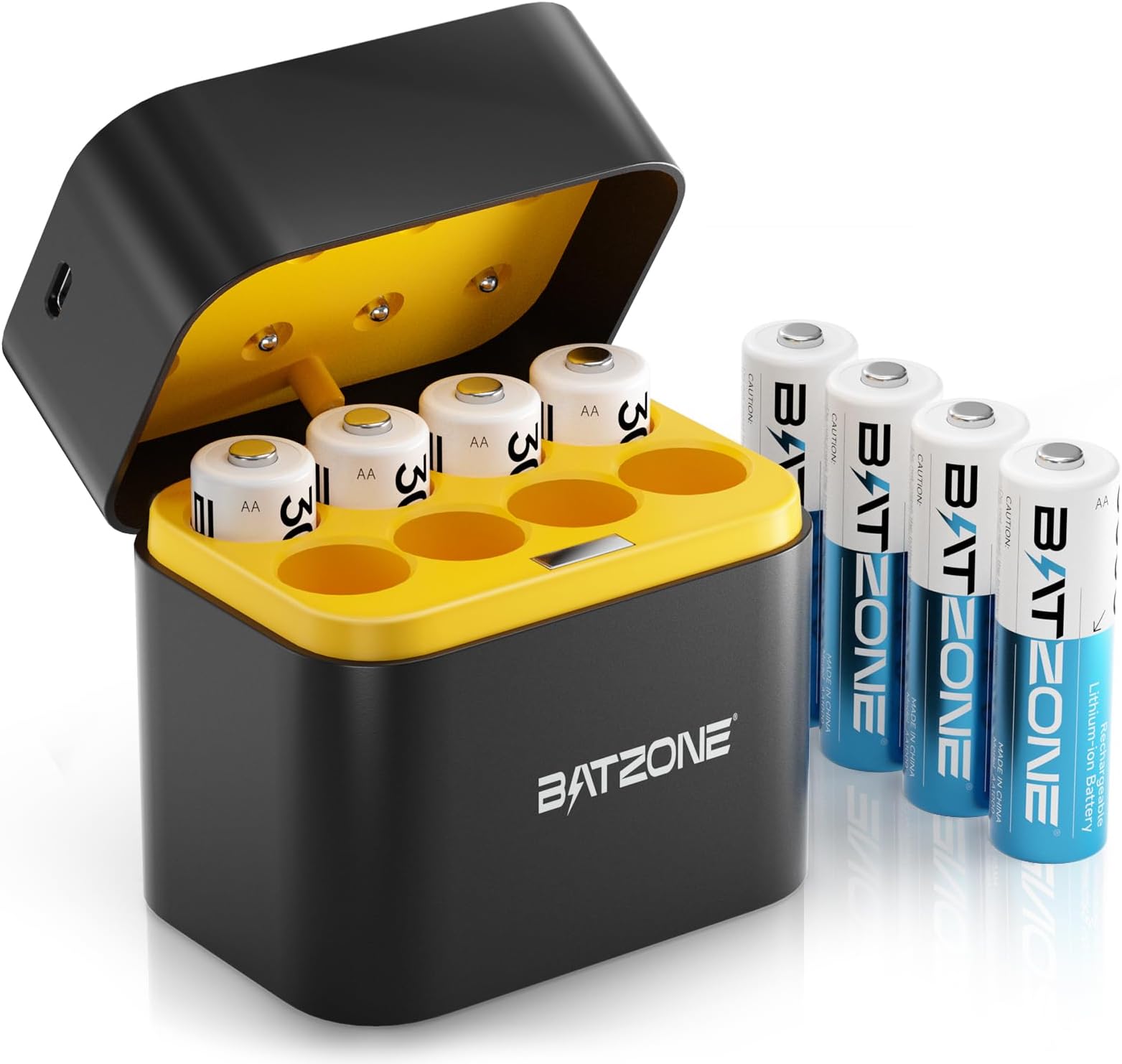
- Dedicated Battery Cases: Many photographers and professionals use hard-shell battery cases that isolate each unit.
Table: Summary of Battery Flight Eligibility
| Battery Type | Carry-On | Checked Bag | Packaging Requirement |
|---|---|---|---|
| Installed in Device | Yes | Yes | Must be fully powered off |
| Spare (Under 100 Wh) | Yes | No | Terminals must be protected |
| Spare (100–160 Wh) | With Approval | No | Terminals must be protected |
| Spare (Over 160 Wh) | Prohibited | Prohibited | N/A |
| Damaged/Recalled | Prohibited | Prohibited | N/A |
Prohibited Batteries: Safety First
Regardless of capacity, certain batteries are strictly forbidden on all passenger flights. This includes batteries that have been recalled by the manufacturer for safety reasons, batteries that show physical signs of damage (swelling, punctures, leaking, or overheating), and "e-cigarette" or vaping devices. Note that vaping devices must always be in your carry-on; they are never permitted in checked luggage due to their history of spontaneous ignition in cargo holds.
If you are unsure if a battery is safe, check the manufacturer's website for recall notices. If a battery feels hot to the touch or appears deformed, do not attempt to transport it by air. Dispose of it at a designated battery recycling facility at your point of origin.
Verification and Airline Discretion
While international standards set by the International Civil Aviation Organization (ICAO) provide a baseline, individual airlines have the authority to implement stricter rules. Before arriving at the airport, check the "Dangerous Goods" or "Baggage Information" section of your airline’s website.
When going through security, you do not usually need to declare batteries unless specifically asked by an agent, though some airports require you to remove large power banks from your bag, similar to how you remove laptops for screening. If an agent questions your batteries, have the manufacturer's label visible so the capacity (Wh) can be easily verified.
Frequently Asked Questions
1. Can I bring my power bank in my checked luggage? No. All power banks and portable chargers are considered spare lithium-ion batteries and must be stored in your carry-on bag. They pose a significant fire risk in cargo holds because they are external energy sources that can activate without user intent.
2. How do I know if my laptop battery is over the 160 Wh limit? Most standard laptops have batteries between 50 Wh and 99 Wh. You can usually find the Watt-hour rating printed on the label on the bottom of the laptop or the battery pack itself. If it is not listed, check your laptop manual or the manufacturer’s technical specifications page online.
3. What happens if I accidentally pack a spare battery in my checked bag? If airport security or airline ground staff detects a loose lithium battery in your checked bag, they will remove the bag from the plane and contact you. In many cases, the battery will be confiscated and destroyed, or you will be asked to remove it before the bag can be loaded, which can cause significant flight delays.
4. Are AA or AAA rechargeable batteries treated the same way? Standard NiMH (Nickel-Metal Hydride) or NiCd (Nickel-Cadmium) rechargeable batteries are generally less restricted than lithium-ion batteries. However, they are still considered batteries. It is best practice to keep them in your carry-on and ensure they are protected against short-circuiting.
5. Do I need to declare my external batteries at check-in? Generally, no. As long as you are within the limits (under 100 Wh and a reasonable quantity for personal use), you do not need to declare them. If you are traveling with a large number of professional batteries (e.g., for camera gear), you should check with the airline in advance, as they may consider this "commercial" transport.
Final Recommendation
To ensure a stress-free travel experience, perform a quick "battery audit" of your carry-on items 24 hours before your flight. Ensure all power banks and spare batteries are under the 100 Wh limit, check that all battery terminals are taped or individually bagged, and double-check that no spare lithium batteries are hiding in the pockets of your checked luggage. If you are carrying a high-capacity device near the 160 Wh limit, carry a printed copy of the device's technical specifications to facilitate a smooth interaction with security personnel.