Determining whether reward credit cards are worth it depends entirely on your ability to pay off your full statement balance every month. If you carry a balance and accrue interest, the high annual percentage rates (APR) typically associated with reward cards will quickly negate any benefits earned through points, cash back, or miles. When managed responsibly, these cards function as a tool to recoup a percentage of your unavoidable spending.
Understanding the Economics of Reward Credit Cards
Reward credit cards operate on a fundamental trade-off between the card issuer and the merchant. When you use your card, the merchant pays a transaction fee, often referred to as an "interchange fee," to the payment network and the issuing bank. Reward programs are essentially a marketing mechanism designed to incentivize you to choose one specific card over another, effectively sharing a portion of that interchange revenue back with you in the form of points, miles, or cash back.
For the consumer, the value proposition is simple: you receive a percentage of your purchase price back as a credit, gift card, or travel booking. However, these programs are also designed to encourage higher transaction volumes and, for many, the accumulation of revolving debt. If you pay your balance in full by the due date, you effectively receive a discount on your purchases. If you do not, you pay interest—often exceeding 20% to 30% APR as of 2026—which almost always outweighs the 1% to 5% reward rate offered by even the most generous cards.
Assessing Your Financial Habits
Before applying for a reward card, you must perform a candid audit of your financial behavior. The "worth" of a card is rarely found in its theoretical earning potential; it is found in the actual net cost of using it.
The Debt Test
If you have a history of carrying credit card debt from month to month, no reward program is worth the cost of interest. The interest charges act as a severe tax on your purchasing power. If your current budget does not allow for full payment of your statement balance, your priority should be minimizing interest expenses rather than maximizing rewards.
The Budgeting Capability
Reward cards often require tracking categories or juggling multiple cards to maximize returns. You must determine if you have the organizational bandwidth to manage these accounts. Missing a payment due to lack of organization can result in late fees and, more importantly, a detrimental impact on your credit score, which serves as your primary financial reputation.
Analyzing the Structure of Rewards
Not all rewards are created equal. Understanding the specific currency of your card is essential to determining its value to you.
Cash Back
This is the most straightforward reward structure. It is typically delivered as a statement credit or a direct deposit into a linked bank account. Its value is static, meaning 1 cent of cash back is always worth 1 cent. This is ideal for consumers who prioritize simplicity and immediate utility.
Travel Points and Miles
These rewards are often "variable value" currencies. A point might be worth 0.5 cents if redeemed for a generic gift card, but it could be worth 2 cents or more if transferred to an airline partner for a premium cabin flight. This system rewards those who are willing to research redemption strategies and book travel through specific portals.
Tiered vs. Flat-Rate Rewards
- Flat-Rate Cards: These offer a consistent percentage (e.g., 1.5% or 2%) on every purchase. They are best for consumers who do not want to track spending categories.
- Tiered-Category Cards: These offer higher rates (e.g., 3% to 6%) on specific categories like groceries, dining, or gasoline, but offer lower rates (usually 1%) on everything else. These are best for households with high, predictable spending in those specific categories.
Critical Considerations: Fees and Prerequisites
The most common mistake consumers make is overestimating the value of high-reward cards while underestimating the cost of ownership.
Annual Fees
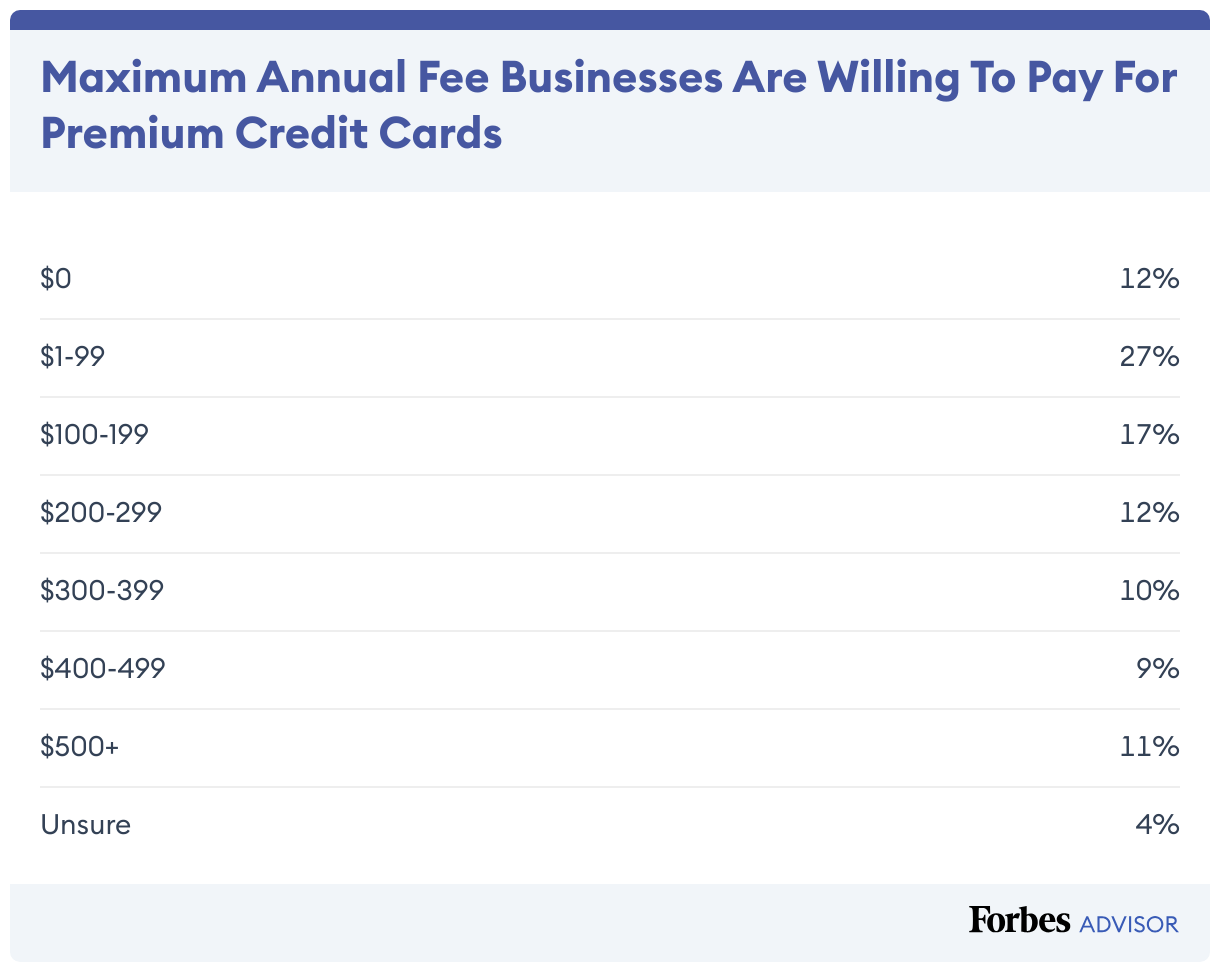
Many premium reward cards charge an annual fee that can range from $95 to over $695. For a card to be "worth it," the value of the rewards earned—plus the value of any included perks like lounge access, travel credits, or insurance—must exceed the cost of the fee. If your annual spending is low, a no-annual-fee card will almost always provide a better net return than a premium card.
Foreign Transaction Fees
If you travel internationally, ensure your chosen card does not charge foreign transaction fees, which can add 3% to every purchase made outside of your home country.
Credit Score Requirements
Reward cards, particularly those with higher earning tiers and sign-up bonuses, generally require "good to excellent" credit. If your credit score is below the range typically required by the issuer, your application will likely be denied, leading to a "hard inquiry" on your credit report that can temporarily lower your score without providing any benefit.
Comparison Table: Reward Card Archetypes
| Card Type | Best For | Complexity Level | Primary Advantage |
|---|---|---|---|
| Flat-Rate Cash Back | Beginners/Minimalists | Low | No category tracking needed. |
| Tiered Category | Budget-focused families | Medium | Maximizes return on fixed costs. |
| Travel/Premium | Frequent travelers | High | High potential value via points. |
| No-Annual-Fee | Debt-averse users | Very Low | No "break-even" threshold. |
Common Mistakes to Avoid
- Chasing Sign-Up Bonuses: Many people spend money they wouldn't otherwise spend just to hit a minimum spending requirement for a sign-up bonus. Only aim for these bonuses if the spending aligns with your existing, necessary budget.
- Neglecting Redeeming Deadlines: Some rewards expire, or lose value if the account is closed. Review the terms of your specific program periodically.
- Ignoring the "Effective" Return: If you pay a $95 fee, you must subtract that from your total rewards earned. If you earn $100 in rewards and pay a $95 fee, your actual profit is only $5.
Frequently Asked Questions
Are credit card rewards taxable income? Generally, no. The Internal Revenue Service (IRS) typically views credit card rewards as a "rebate" on purchases rather than income. However, exceptions may apply to large sign-up bonuses if they are considered "incentives" rather than rebates, though this is rare for standard consumer cards. Consult a tax professional regarding your specific situation.
Do reward points expire? It varies by the issuer and the specific program. Some points are permanent as long as your account remains open and in good standing. Others may expire after a set period of inactivity. Always check the terms and conditions provided in your cardholder agreement.
Does applying for a card hurt my credit? Yes, applying for a credit card triggers a "hard pull" on your credit report, which can lead to a minor, temporary decrease in your credit score. If you are planning to apply for a mortgage or a large loan in the near future, it is generally recommended to avoid applying for new credit cards.
Is it better to have one card or many? Having one card is simpler and safer for those prone to overspending. Having multiple cards can maximize rewards if you are diligent about tracking categories and payment due dates, but it increases the risk of missed payments and administrative fatigue.
What happens to my rewards if I close the account? In most cases, closing a credit card account results in the immediate forfeiture of any accumulated points or miles. Before closing an account, ensure you have redeemed your balance or transferred the points to a partner program if that option is available.
Final Recommendation
To determine if a reward credit card is worth it for you, start by calculating your monthly essential expenses. Look for a no-annual-fee card that offers a flat percentage back on those expenses. Treat the card as a payment method for money you already have in your bank account, not as a tool to bridge a budget gap. If you can maintain a zero balance for six consecutive months, you may then consider "upgrading" to a card with a specific category bonus or a modest annual fee that offers perks you will actually use. If you struggle to pay your balance in full, your best financial "reward" is the interest you save by avoiding credit cards altogether.