Whether rewards programs are worth it depends entirely on your ability to separate the psychological allure of "earning points" from the cold math of your actual spending habits. For most consumers, these programs offer a modest return on money already being spent, provided they do not succumb to overspending or high-interest debt to chase artificial incentives.
The Mechanics of Reward Systems
Modern loyalty and rewards programs function as sophisticated data-collection and behavioral-modification tools. When you enroll in a store loyalty card, a airline frequent flyer program, or a credit card cash-back scheme, you are entering a transactional ecosystem. You exchange your purchasing data—and potentially your loyalty to a single brand—for fractional rebates on your spending.
From the issuer’s perspective, the goal is to increase "share of wallet." By offering a reward for every dollar spent, companies encourage you to consolidate your purchasing within their network. The "worth" of these programs is determined by the spread between the cost of the goods purchased and the value of the rewards earned, minus any membership fees or behavioral costs—such as paying higher prices for goods that are available cheaper elsewhere.
Understanding the True Return on Investment (ROI)
To determine if a program is worth your time, you must calculate the net yield. If a credit card offers 2% cash back but charges a $95 annual fee, your break-even point is $4,750 in annual spending. If you spend less than that, the card effectively costs you money compared to a no-fee alternative.
When evaluating loyalty programs, categorize them into three primary types:
- Direct Rebate Programs: These provide straightforward cash back or statement credits. These are generally the easiest to value and the most objective.
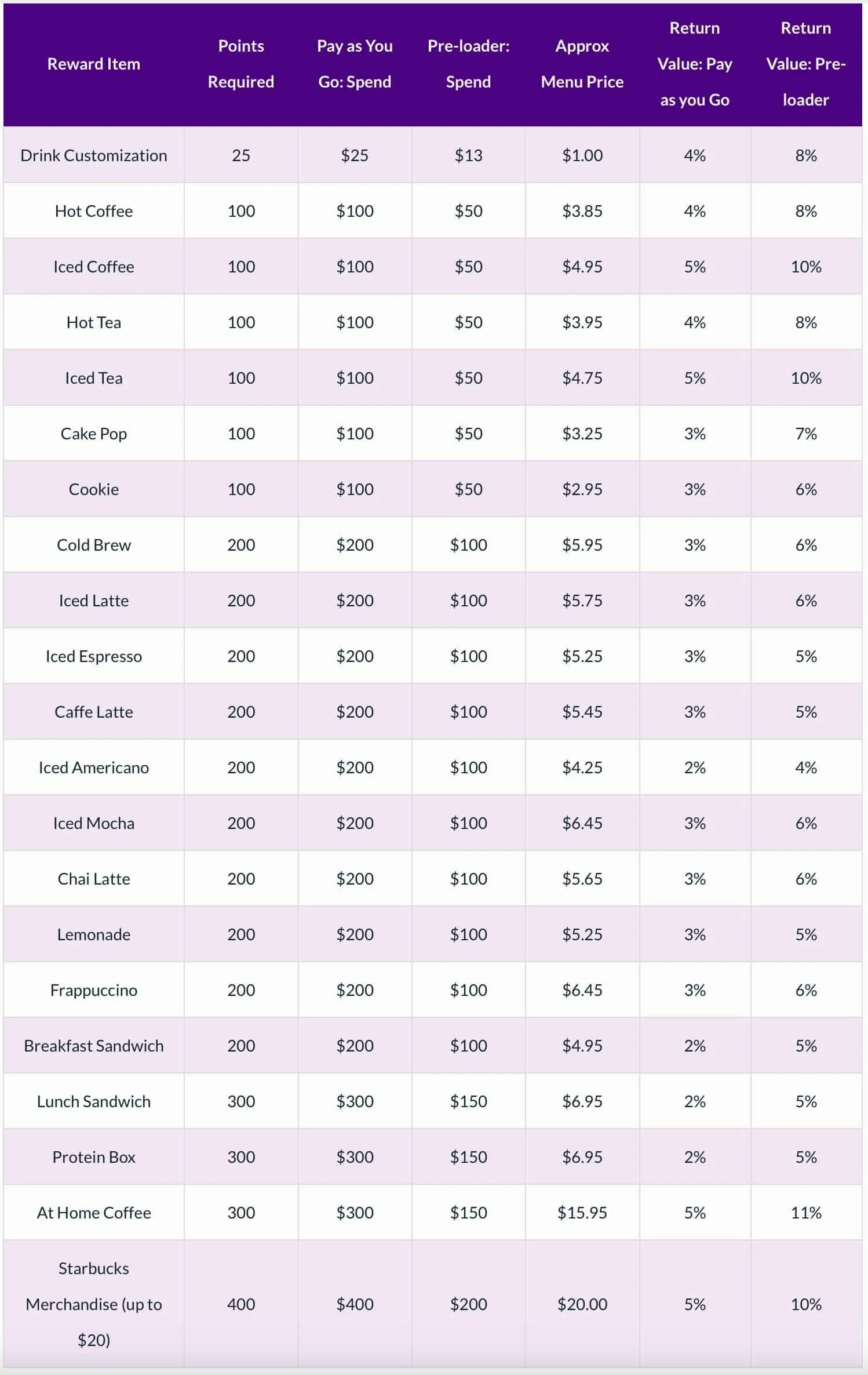
- Point-Based Systems: Common in travel and retail, these programs often involve "devaluation." The purchasing power of a point can fluctuate based on supply, demand, and company policy, making them less predictable.
- Tiered Benefits Programs: These focus on prestige, such as airline status or hotel membership levels. The "value" here is often subjective, involving perks like priority boarding, room upgrades, or free checked bags.
When Rewards Programs Become a Financial Liability
The greatest threat posed by rewards programs is the "gamification" of spending. Retailers design these systems to trigger a reward-seeking response in the brain, often leading consumers to spend more than they otherwise would to reach a threshold or earn "bonus" points.
- The Debt Trap: If you carry a balance on a credit card to earn points, the interest charges will almost always exceed the value of the rewards earned. Credit card interest rates, which often exceed 20% APR, render the 1% to 3% back on purchases mathematically irrelevant.
- The "Sunk Cost" Fallacy: Consumers often remain loyal to a specific airline or hotel brand, even when it is less convenient or more expensive, simply to preserve their "status" or move closer to an award flight. This behavior ignores the opportunity cost of choosing a cheaper or more convenient competitor.
- Privacy Costs: It is essential to acknowledge that rewards are not free; they are subsidized by the data you provide. Companies use your purchase history to build granular profiles, which can influence future pricing, marketing, and inventory management.
Comparing Reward Structures
| Program Type | Primary Benefit | Potential Hidden Cost | Best For |
|---|---|---|---|
| Flat-Rate Cash Back | Simple, liquid, predictable. | Usually lacks high-end perks. | Disciplined spenders. |
| Tiered Travel Points | High value for luxury redemptions. | Blackout dates, devaluation. | Frequent business travelers. |
| Store-Specific Loyalty | Discounts, early access. | Encourages brand lock-in. | High-frequency shoppers. |
| Premium Credit Cards | Lifestyle perks, concierge. | Significant annual fees. | High spenders/travelers. |
Prerequisites for Participation
Before joining any rewards program, audit your financial habits. If you struggle to track expenses or maintain a budget, the complexity of managing multiple rewards programs may lead to missed deadlines for redemptions or failure to utilize benefits before they expire.
To participate effectively:
- Consolidate: Do not join every program you encounter. Focus on one or two programs that align with your largest recurring expenses (e.g., groceries, gas, or travel).
- Automate: Use tools to track point balances and expiration dates if you cannot manage them manually.
- Audit: Once per year, calculate the total value of rewards received versus the cost of maintaining membership or selecting specific vendors. If the net value is negligible, discontinue participation.
The Role of Regulatory Oversight
In 2026, consumer advocacy groups and regulatory bodies remain focused on the transparency of point valuations. Some jurisdictions have begun scrutinizing "hidden" devaluations, where companies adjust the points required for a redemption without significant notice. When participating in these programs, you are a participant in a private currency system; you have little legal recourse if the issuer changes the "exchange rate" of your points, unless specific contractual language protects your balance.
FAQ: Common Questions About Rewards
Are store loyalty cards worth the privacy risk? They are worth it only if you value the discounts higher than your personal data. If you provide a phone number or email, the retailer can track your consumption habits to target you with personalized advertising. Always read the privacy policy to see if your data is sold to third-party brokers.
Should I pay an annual fee for a rewards credit card? Only if the "value-in-kind" (perks like lounge access, insurance, or free bags) and the cash-back return exceed the fee by a margin that justifies the effort. If the card requires you to spend $20,000 just to break even on a fee, it is likely not worth it for the average consumer.
Do reward points expire? Most do, though policies vary. Some programs expire points after 12–24 months of inactivity, while others consider the points valid as long as the account remains open. Check the terms and conditions specifically for the "expiration policy" clause.
Can I effectively "game" the system? While "churning" (opening multiple cards for sign-up bonuses) is a common strategy for some, it requires high credit scores and perfect administrative organization. For most people, the time invested in gaming the system exceeds the hourly value of the rewards earned.
What is point devaluation? Devaluation occurs when a company increases the number of points required for a reward, effectively lowering the value of each point you already hold. This is a common practice in airline and hotel loyalty programs to manage the liability of outstanding points.
Strategic Next Steps
If you are currently overwhelmed by various programs, begin by clearing the deck. Identify your three most significant monthly expenditures. Research which single credit card or loyalty program provides the highest, most liquid return on those specific categories. Cancel or ignore the peripheral programs that offer fragmented, low-value points.
Focus your energy on maximizing the return on your existing spending rather than increasing your spending to hit reward tiers. By treating your participation in these programs as a financial optimization task rather than a hobby, you will ensure that you remain the master of your consumption, not the target.