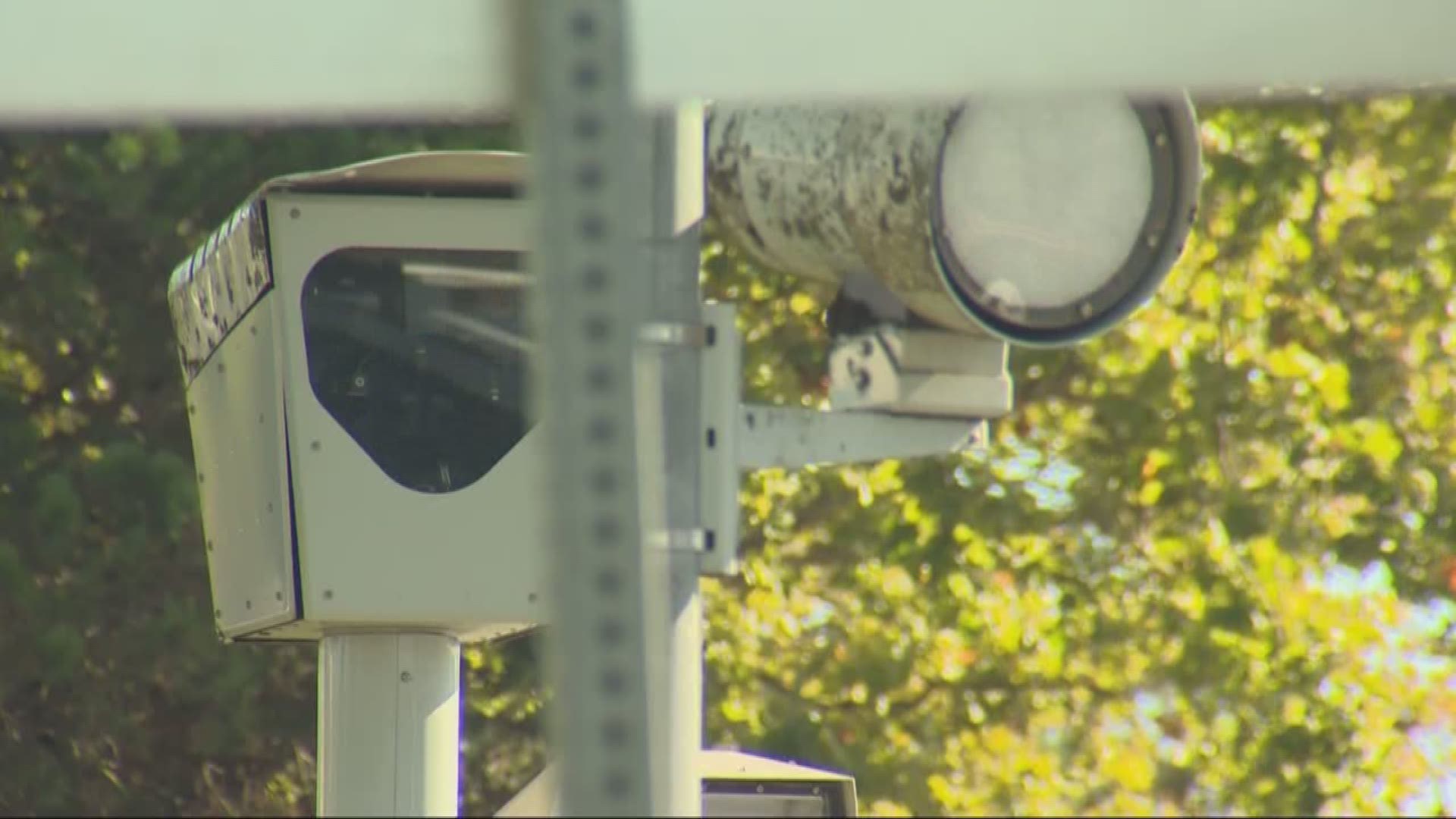
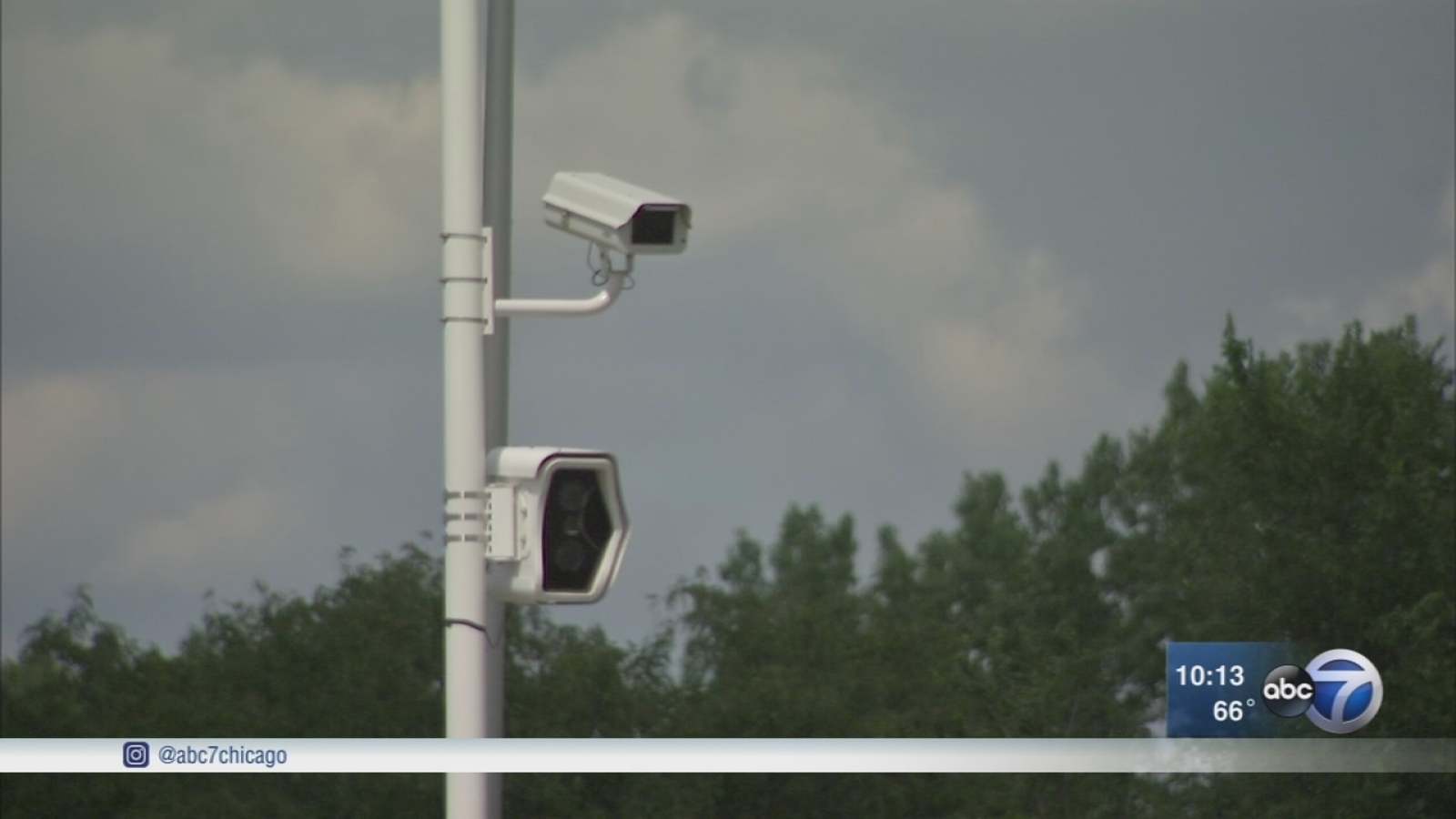
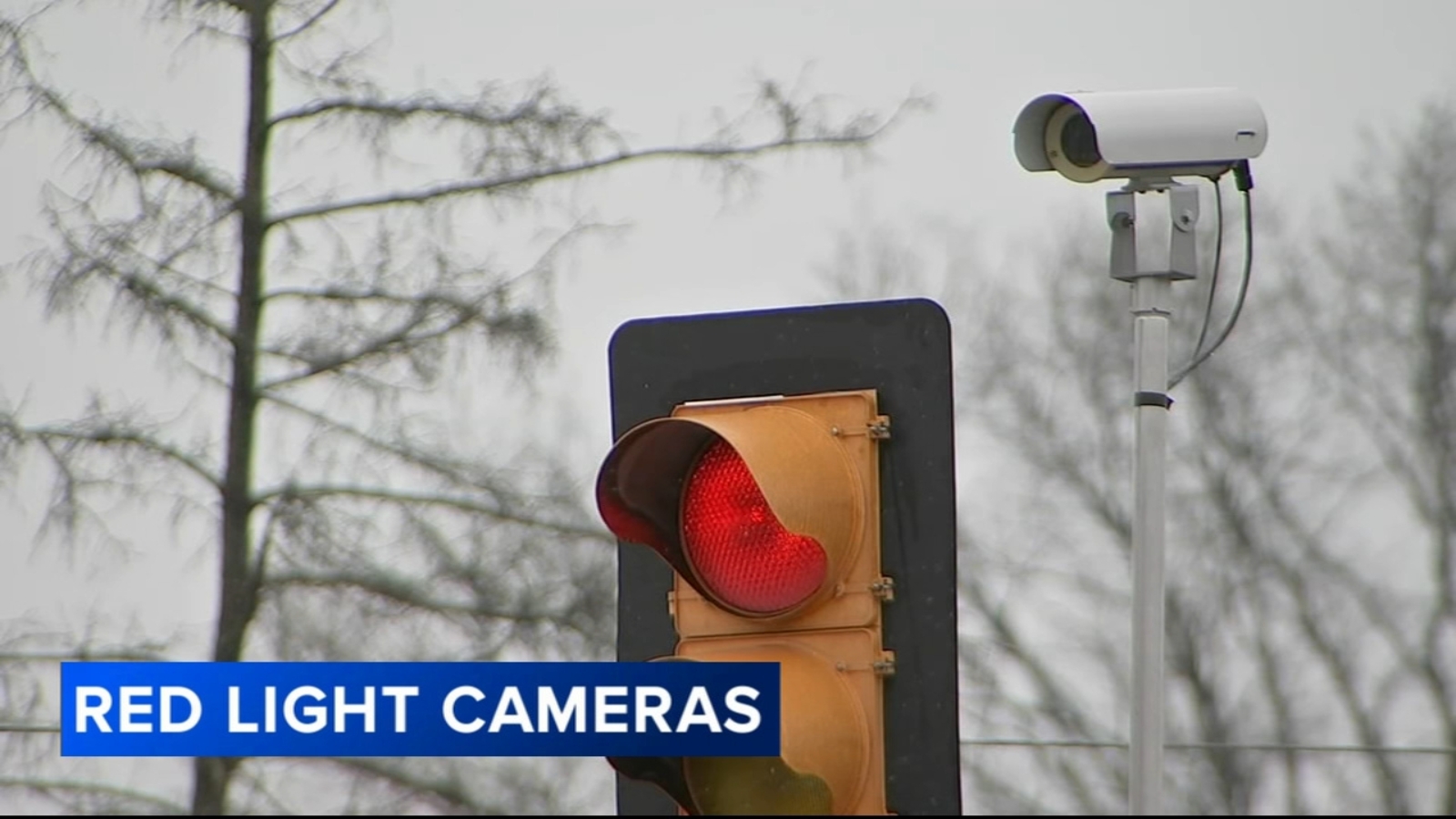
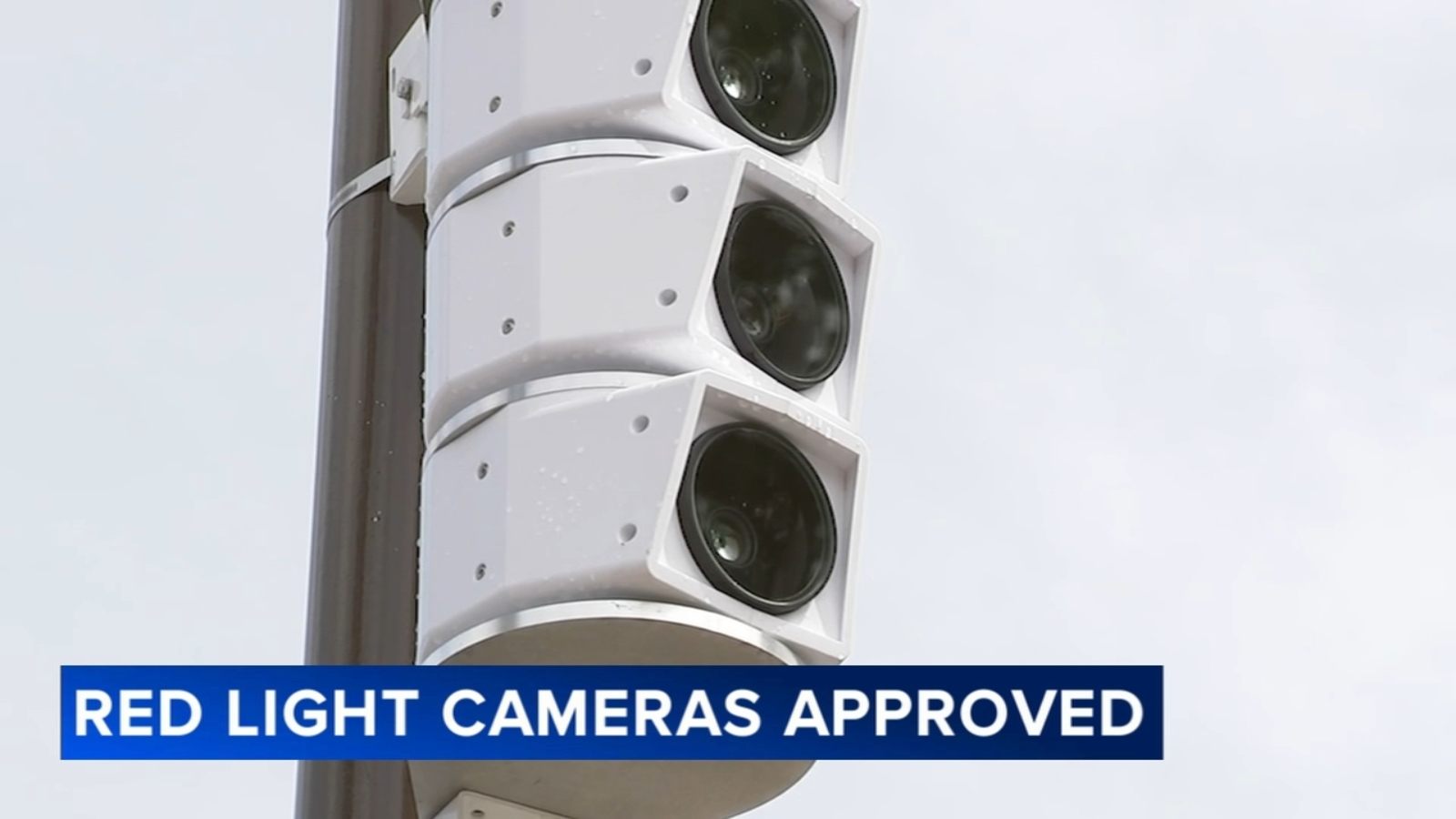
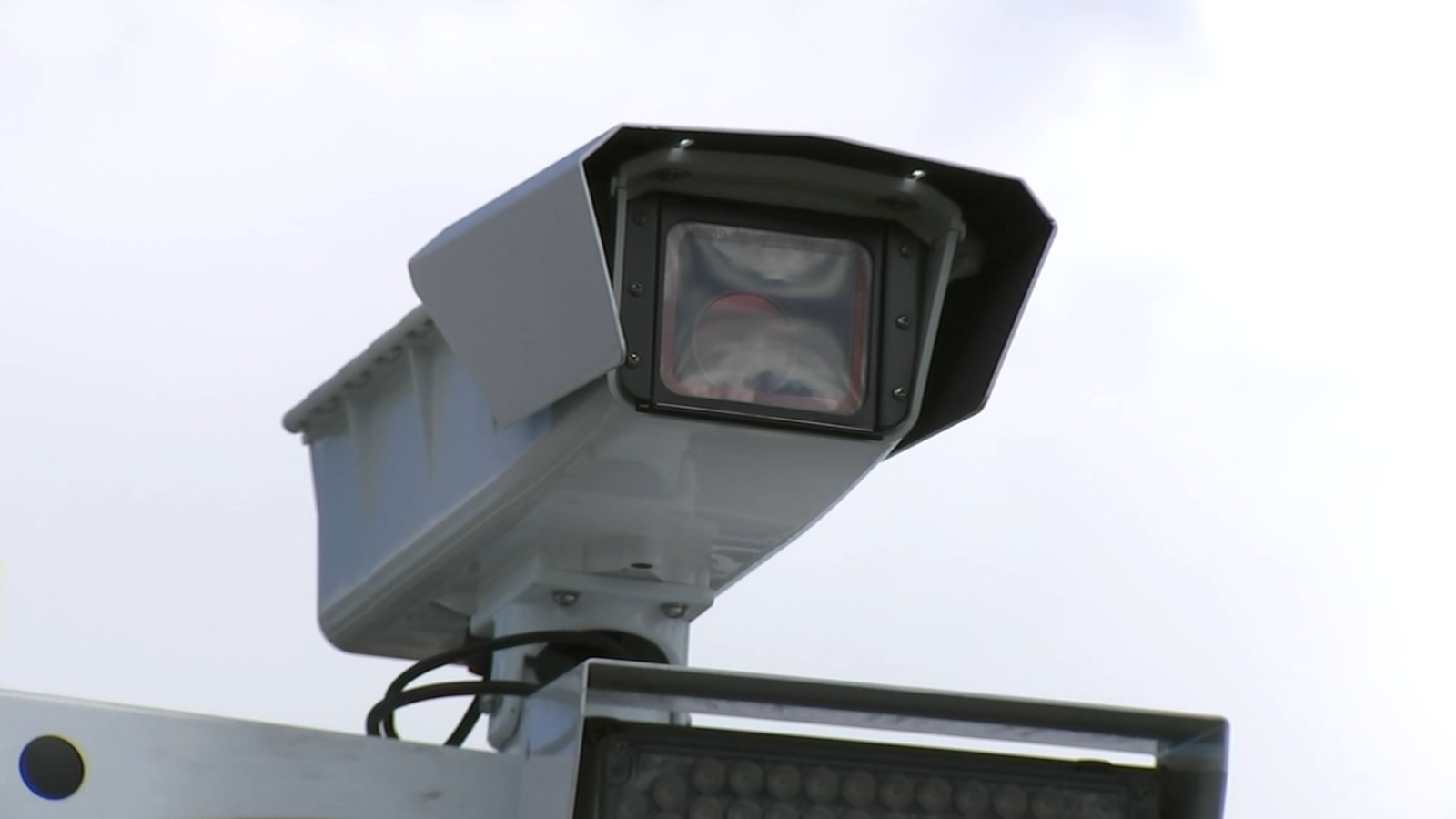
Yes, red light cameras are legal in Illinois and are currently utilized by various municipalities across the state. While they are authorized under Illinois state law, their deployment, operational requirements, and the adjudication of resulting traffic violations are subject to specific legislative mandates. These systems operate as automated enforcement tools designed to detect and record vehicles that enter an intersection after the traffic signal has turned red.
The Legislative Basis for Automated Traffic Enforcement
In Illinois, the legality of red light cameras is rooted in the Illinois Vehicle Code. Specifically, Section 11-208.6 of the code provides the legal framework under which municipalities may implement automated traffic law enforcement systems. This statute does not mandate the use of cameras but rather grants local governments the authority to adopt ordinances that allow for the issuance of citations based on photographic evidence.
The law requires that any municipality intending to use such technology must follow stringent procedural rules. These rules are designed to ensure due process and transparency. For example, the statute requires that before a municipality can issue citations, they must conduct a formal, documented study of the intersection to determine if a safety issue exists that warrants automated enforcement. This prevents the arbitrary placement of cameras and ensures they are intended for traffic safety rather than purely for revenue generation.
How Red Light Camera Systems Operate
When a driver encounters an intersection equipped with an automated enforcement system, the technology functions through a series of sensors buried in the pavement, typically integrated with the traffic signal controller. The system is programmed to activate only when the signal for a specific lane has turned red.
Once the signal is red, if a vehicle crosses the stop bar—the white line at the intersection—the camera system captures high-resolution images or a short video clip of the vehicle. These images typically include the rear of the vehicle, showing the license plate, and often a photo of the vehicle as it approaches the intersection to demonstrate that the driver had sufficient time to stop but chose to proceed.
The data is then reviewed by a third-party vendor or municipal personnel. If the evidence confirms a violation—meaning the vehicle entered the intersection after the light turned red—a "Notice of Violation" is mailed to the registered owner of the vehicle. It is important to note that because the camera captures the license plate rather than the driver’s face, these citations are generally processed as administrative violations rather than moving violations.
Administrative Violations vs. Moving Violations
One of the most significant aspects of the Illinois red light camera program is how the resulting citations are treated by the Secretary of State and insurance providers. Under current Illinois law, a citation issued via a red light camera is considered a civil administrative violation.
Because the system captures the vehicle's plate rather than identifying the driver behind the wheel, the state does not assign "points" to the driver’s license for a red light camera ticket. Furthermore, because these are not classified as moving violations in the same manner as a ticket issued by a police officer who pulls you over, these incidents typically do not appear on your official driving record, nor are they reported to your automobile insurance company.
However, ignoring these notices is not advised. While they may not impact your insurance premiums or driver’s license status, they are legally enforceable debts. Failure to pay or contest the fine within the allotted timeframe can lead to increased penalties, such as late fees, and in some cases, the withholding of vehicle registration renewal by the Illinois Secretary of State.
Municipal Discretion and Local Ordinances
While state law provides the overarching authority, the actual implementation of these programs is managed at the municipal level. This means that a red light camera in Chicago may operate under a slightly different ordinance or fine structure than one in a smaller suburb.
Municipalities have the discretion to determine:
- Placement: The specific intersections that meet the safety criteria defined by state law.
- Fines: The base cost of the violation, which can vary between jurisdictions.
- Grace Periods: Some local ordinances specify if there is a brief buffer (often measured in milliseconds) between the light turning red and the activation of the camera, though all systems must comply with federal standards regarding yellow light duration.
It is vital for drivers to check the specific municipal website where a citation was issued to understand the local deadlines, fine amounts, and the formal process for contesting the ticket.
Contesting a Citation
If you believe a citation was issued in error, you have a legal right to challenge it. Each municipality is required to provide an administrative hearing process. Common grounds for challenging a citation include:
- The vehicle was sold: If you sold the car prior to the date of the violation, you can provide the bill of sale.
- Stolen vehicle: Providing a police report indicating the vehicle was stolen at the time of the violation.
- Emergency vehicle exceptions: If the driver was operating an authorized emergency vehicle or if you had to move into the intersection to allow an emergency vehicle to pass.
- Mechanical failure or signal error: If there is evidence that the traffic signal was malfunctioning.
- Driver identification: While not always a guaranteed defense, some jurisdictions allow owners to submit a sworn affidavit stating they were not the driver, though this usually requires the submission of additional evidence.
Comparison of Enforcement Mechanisms
| Feature | Police Officer Ticket | Red Light Camera Ticket |
|---|---|---|
| Primary Identifier | Identity of the Driver | License Plate of the Vehicle |
| License Points | Yes (Typically) | No |
| Insurance Impact | Yes (Likely) | No |
| Contest Process | Traffic Court | Administrative Hearing |
| Penalty Type | Moving Violation (Fine/Possible Court) | Civil Administrative Penalty |
Safety Impacts and Public Debate
The implementation of red light cameras in Illinois has been a subject of ongoing debate. Proponents argue that the visible presence of cameras encourages safer driving habits, specifically reducing high-speed, "right-angle" crashes (also known as T-bone accidents), which are often the most lethal. By discouraging drivers from accelerating through yellow lights, proponents believe these systems create a more predictable flow of traffic.
Critics, however, often argue that the primary motivation for municipalities is revenue. Concerns have been raised regarding the "yellow light timing," suggesting that if yellow lights are shortened, drivers are more likely to be caught in the intersection when the signal turns red. In response to these concerns, the Illinois Department of Transportation (IDOT) has established strict guidelines for minimum yellow light durations based on the speed limit of the roadway, ensuring that the timing is sufficient for a driver to safely stop or clear the intersection.
Best Practices for Avoiding Violations
To avoid receiving a notice, the most effective strategy is to treat every yellow light as a signal to prepare for a full stop unless it is unsafe to do so. Drivers should be aware that "rolling right turns" are a common cause of red light camera tickets. In Illinois, you must come to a complete stop behind the stop line before making a right turn on red, even if the intersection appears clear. Failing to bring the vehicle to a complete halt before turning is a violation that these cameras are specifically designed to detect.
Frequently Asked Questions
Do red light cameras take a picture of my face? Generally, no. The cameras are designed to capture the vehicle's rear license plate. While some systems may capture an image of the driver, the citation is issued to the registered owner of the vehicle, not the individual driver, because the system cannot definitively prove who was operating the vehicle at the time.
Can a red light camera ticket lead to a suspended license? Typically, no. Because these are administrative violations and not moving violations, they do not carry points that lead to license suspension. However, failing to pay the fines can lead to the state placing a hold on your vehicle registration renewal, which prevents you from legally driving the vehicle with updated plates.
Is it legal for a city to use cameras for revenue? While critics argue that revenue is the primary motivation, the law requires that these systems be used for traffic safety. Municipalities must perform safety studies and ensure that the placement of cameras is justified by crash data or specific safety concerns at the intersection.
How long do I have to pay a red light camera fine? Deadlines are set by the issuing municipality. You should review the "Notice of Violation" you received in the mail, which will clearly state the payment deadline and the consequences for missing it, such as late fees.
Does a red light camera ticket affect my car insurance? No. In Illinois, because red light camera tickets are classified as civil, non-moving violations, they are not reported to the Secretary of State or insurance bureaus. Consequently, they do not trigger insurance premium increases.
Next Steps and Recommendations
If you have received a notice, your first action should be to access the website provided on the citation. Most municipalities use a secure portal where you can view the video or photographic evidence of the alleged incident. Reviewing this footage is the most important step in deciding whether you should pay the fine or contest it. If you believe the citation is unjust, follow the instructions on the notice for requesting an administrative hearing. Always keep copies of your communication and evidence should you decide to contest the ticket.