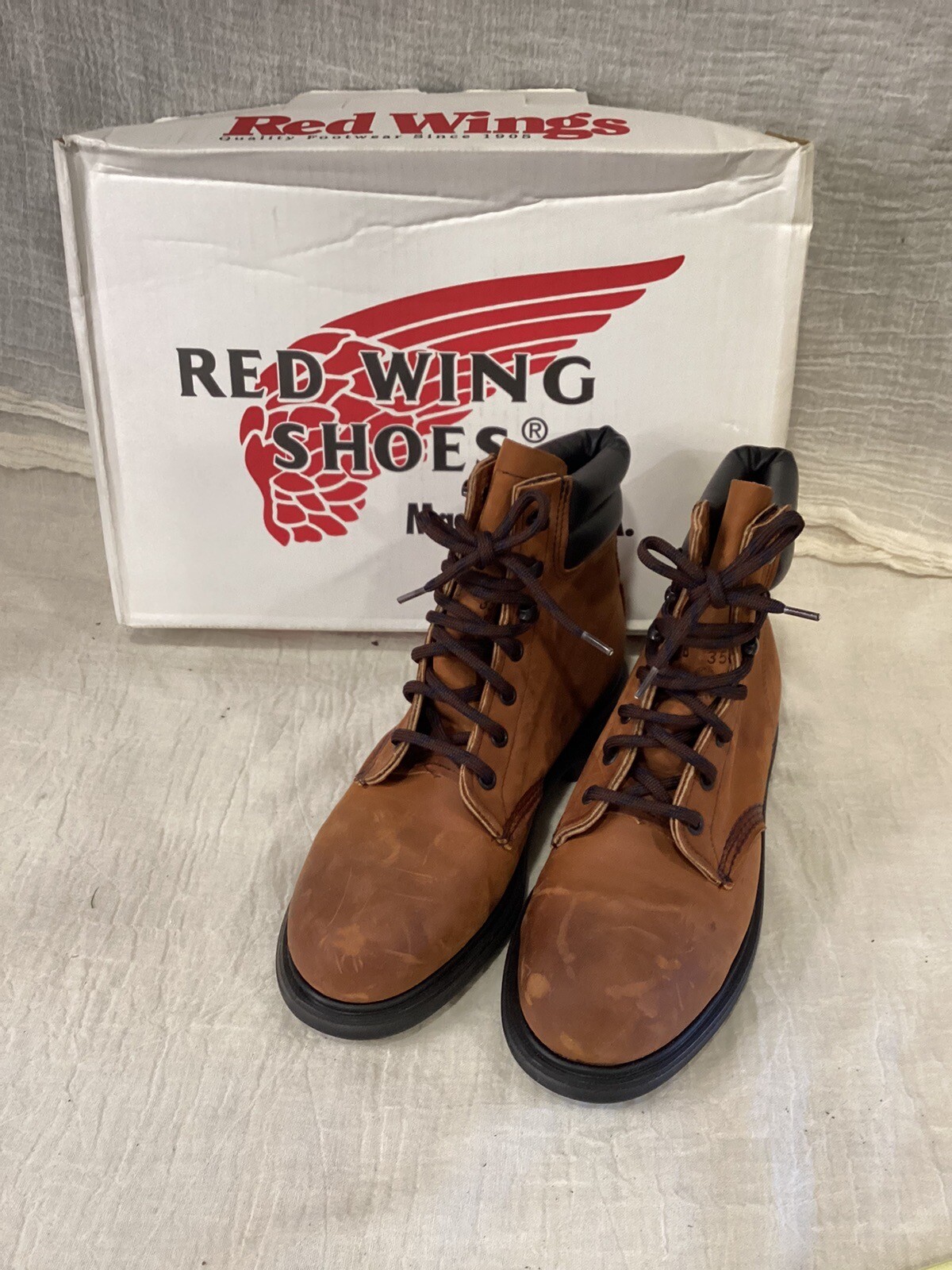
Red Wing Shoe Company continues to maintain a significant domestic manufacturing footprint in the United States, primarily producing its iconic Heritage collection and core work boot lines in Minnesota. While not every single product bearing the Red Wing brand is manufactured domestically, the company remains one of the few global footwear organizations to uphold a substantial "Made in the USA" commitment, utilizing both domestic and globally sourced components across its diverse catalog.
The Landscape of Red Wing Manufacturing
Red Wing Shoe Company, founded in 1905 in Red Wing, Minnesota, has spent over a century building a reputation for durability, craftsmanship, and industrial utility. In 2026, the company operates a hybrid manufacturing model. The core of its domestic identity lies in its Minnesota-based factories, where the brand’s most recognizable Heritage boots and certain industrial work boots are assembled.
Understanding whether a specific pair of Red Wings is made in the USA requires nuance, as the company operates two distinct categories of production: domestic manufacturing and global sourcing. The "Made in the USA" label is not applied to the entirety of the brand's inventory, but rather to specific collections that define its heritage status and heavy-duty work utility. Consumers who prioritize domestic production are generally looking for the "Red Wing Heritage" line or specific American-made industrial work styles.
The Red Wing Heritage Collection
The Heritage collection is the most frequent focus for consumers interested in domestic production. These boots are designed to replicate the styles, materials, and construction methods used by the company in the mid-20th century. Most of these models—such as the Iron Ranger, the Beckman, and the Classic Moc—are manufactured in the Red Wing factories located in Minnesota.
The production process for these boots often includes the use of leather tanned at the S.B. Foot Tanning Company, a subsidiary of Red Wing Shoes also located in Minnesota. This proximity allows for a level of vertical integration that is rare in the modern footwear industry. By controlling the supply chain from the tanning of the hide to the final welt stitching, Red Wing maintains a high degree of quality control that supports its claims of American craftsmanship.
Industrial Work Boots: Distinguishing by Series
While the Heritage line is almost exclusively associated with US manufacturing, the industrial work boot category is more complex. Red Wing produces a vast array of safety-toe, waterproof, and specialized work footwear for the oil, gas, construction, and manufacturing industries.
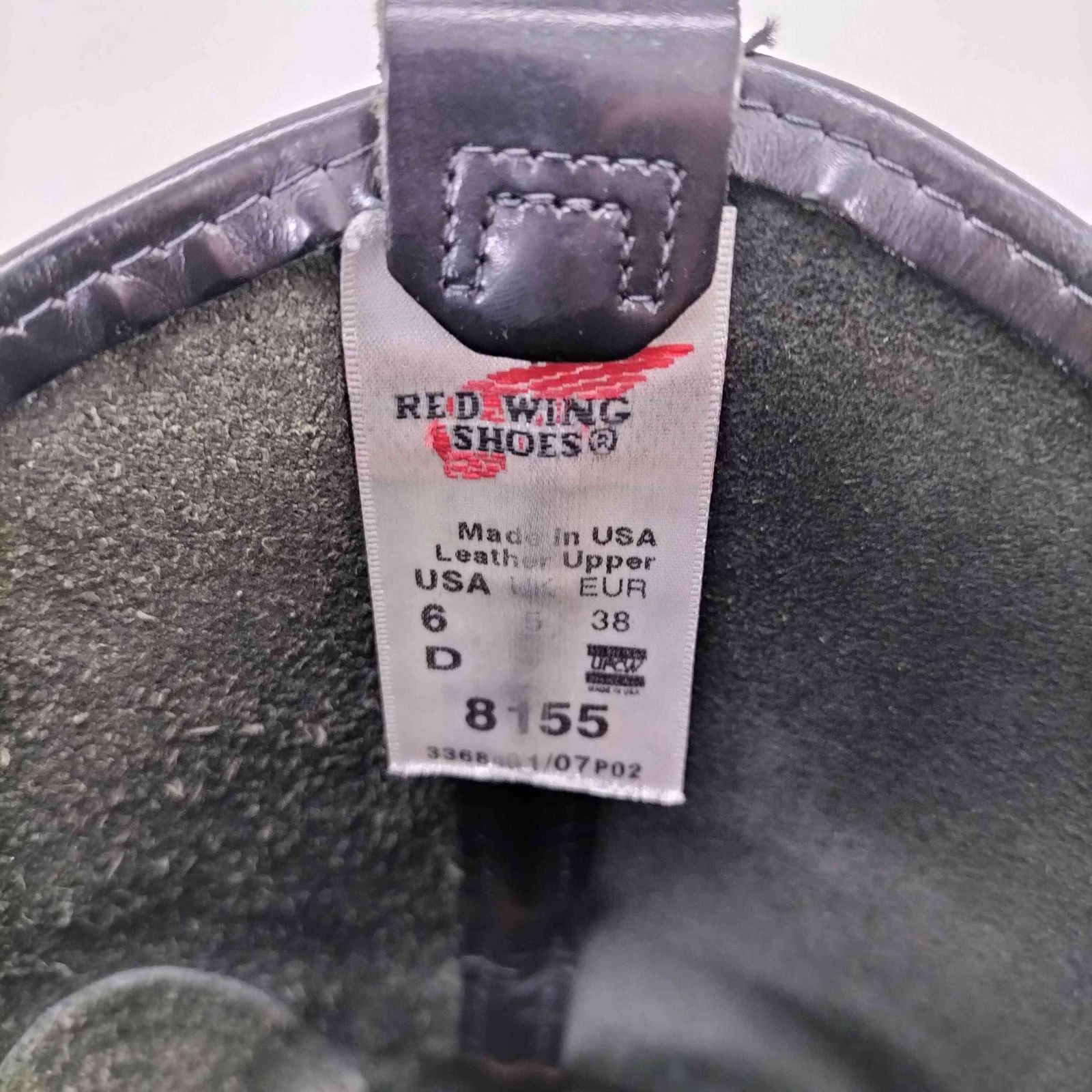
Within this segment, the company utilizes a "Made in the USA with imported materials" designation for several of its lines. This means that while the assembly, quality control, and final construction occur within American facilities, certain raw components—such as specific types of outsoles, eyelets, or textile linings—may be sourced from international partners to maintain cost-effectiveness and technical performance. It is essential for buyers to check the interior label of each individual boot, as the country of origin can vary even within the same product series or updated model years.
Verification: How to Identify Origin
For the consumer, determining if a specific boot is made in the USA is a straightforward task if the product is in hand. Red Wing adheres to strict labeling requirements mandated by the Federal Trade Commission (FTC).
- The Interior Tongue Label: Every Red Wing boot features a label sewn into the tongue or the inside collar. This label explicitly states the country of manufacture. If a boot is made in the USA, it will clearly display "Made in USA" or "Made in the USA with imported materials." If it is made elsewhere, the label will specify the country of origin, such as "Made in China," "Made in Vietnam," or "Made in Cambodia."
- Product Descriptions: On the official Red Wing website and in authorized dealer catalogs, individual product pages include a "Details" or "Specifications" section. This section consistently highlights the manufacturing location. If the page does not explicitly state "Made in the USA," one should assume the product is manufactured at one of the company's international facilities.
- Price Points: While not a perfect indicator, domestic manufacturing generally correlates with higher price points due to the costs associated with American labor and domestic supply chains. Heritage boots, which are largely domestic, typically retail at a premium compared to the brand's lighter-duty international offerings.
Why Manufacturing Locations Matter
The discourse surrounding "Made in the USA" footwear often centers on three pillars: quality, ethical labor practices, and supply chain stability.
Quality and Craftsmanship
Boots manufactured in Red Wing’s Minnesota factories utilize time-tested construction methods like the Goodyear welt. This technique allows the boots to be resoled multiple times, effectively extending the lifespan of the product for decades. When consumers seek American-made Red Wings, they are often not just buying a product, but a repairable asset. The pride of workmanship in domestic factories often results in a higher standard of aesthetic finishing and material selection.
Ethical Standards
Red Wing Shoes maintains internal labor standards that apply to its global supply chain. However, domestic manufacturing provides a level of transparency that is inherently easier to audit. By keeping production in the United States, the company provides American jobs and complies with U.S. labor laws, which is a primary driver for many consumers who prioritize ethical purchasing.
Supply Chain Resilience
In an era of global shipping volatility, domestic production offers a distinct advantage in terms of availability. Relying on local factories reduces the reliance on long-distance logistics, which can be susceptible to geopolitical tensions, port delays, or transport shortages. For the company, having a domestic base serves as a strategic hedge against global market instability.
Comparative Overview of Sourcing
The following table summarizes the general distribution of manufacturing for Red Wing products as of 2026.
| Collection Category | Manufacturing Location | Primary Materials Source |
|---|---|---|
| Heritage Collection | Minnesota, USA | Domestic / S.B. Foot Tanning |
| Premium Work Boots | Minnesota, USA | Domestic / Global Components |
| Light-Duty / Athletic | Global (Asia/Other) | Global Sourcing |
| Accessories | Various | Global / Local |
Common Misconceptions
A common error is the assumption that every product branded as "Red Wing" must be American-made. The company evolved from a regional manufacturer into a global brand, and to maintain competitive pricing for the broad industrial market, it had to diversify its production facilities.
Another misconception is that "Made in the USA" implies the product is 100% domestic. In modern manufacturing, it is common to use imported components (like specialized synthetic fibers or specific chemical compounds for outsoles) while performing the final assembly domestically. Unless a product is labeled "All-American made" or "100% US Materials," it is legally classified under the "Made in the USA with imported materials" category, which is still considered a high-value domestic product.
FAQ: Addressing Common Inquiries
1. Does Red Wing still operate factories in Minnesota? Yes. Red Wing continues to operate its primary manufacturing facilities in Red Wing, Minnesota. These factories serve as the hub for the production of their Heritage line and various industrial work boot models.
2. Is there a quality difference between USA-made and imported Red Wings? Red Wing enforces strict quality control standards across all its factories, regardless of location. However, the domestic line is often characterized by premium materials and construction techniques (such as the Goodyear welt) that are inherently more expensive and durable than the construction methods used in some of the company’s lighter, imported lines.
3. Why are some Red Wings made outside the United States? To remain competitive across different price points and work requirements, Red Wing produces a wide variety of footwear. Importing certain models allows the company to offer high-quality, durable work boots at price points that are accessible to workers who may not be able to afford the higher-cost Heritage or premium domestic models.
4. Can I get my imported Red Wings resoled? Many Red Wing work boots, regardless of where they are manufactured, are designed with construction styles that support resoling. However, the feasibility of a resole depends on the construction of the specific model (e.g., whether it is Goodyear welted or cemented). You should consult an authorized Red Wing retailer or a professional cobbler to inspect your specific pair.
5. How can I confirm the manufacturing origin before purchasing? Always consult the "Details" section on the official Red Wing website product page or check the interior label of the boot. If the product is made in the USA, the manufacturer is required to disclose this prominently in the product description.
Recommendations for the Consumer
If your priority is purchasing footwear made in the USA, navigate your shopping experience by filtering for the "Heritage" collection on the Red Wing website. If you are shopping for work boots, verify the specific product name and model number, then confirm the "Made in the USA" status in the technical specifications.
When visiting a physical store, ask the associate to show you the internal label or the original box, which will explicitly state the manufacturing origin. By focusing on the construction method—specifically seeking out Goodyear-welted boots—you are statistically more likely to find products manufactured within Red Wing’s domestic facilities. Prioritizing these models ensures you receive the traditional craftsmanship that the company has championed since its inception in 1905, while also supporting domestic manufacturing jobs.