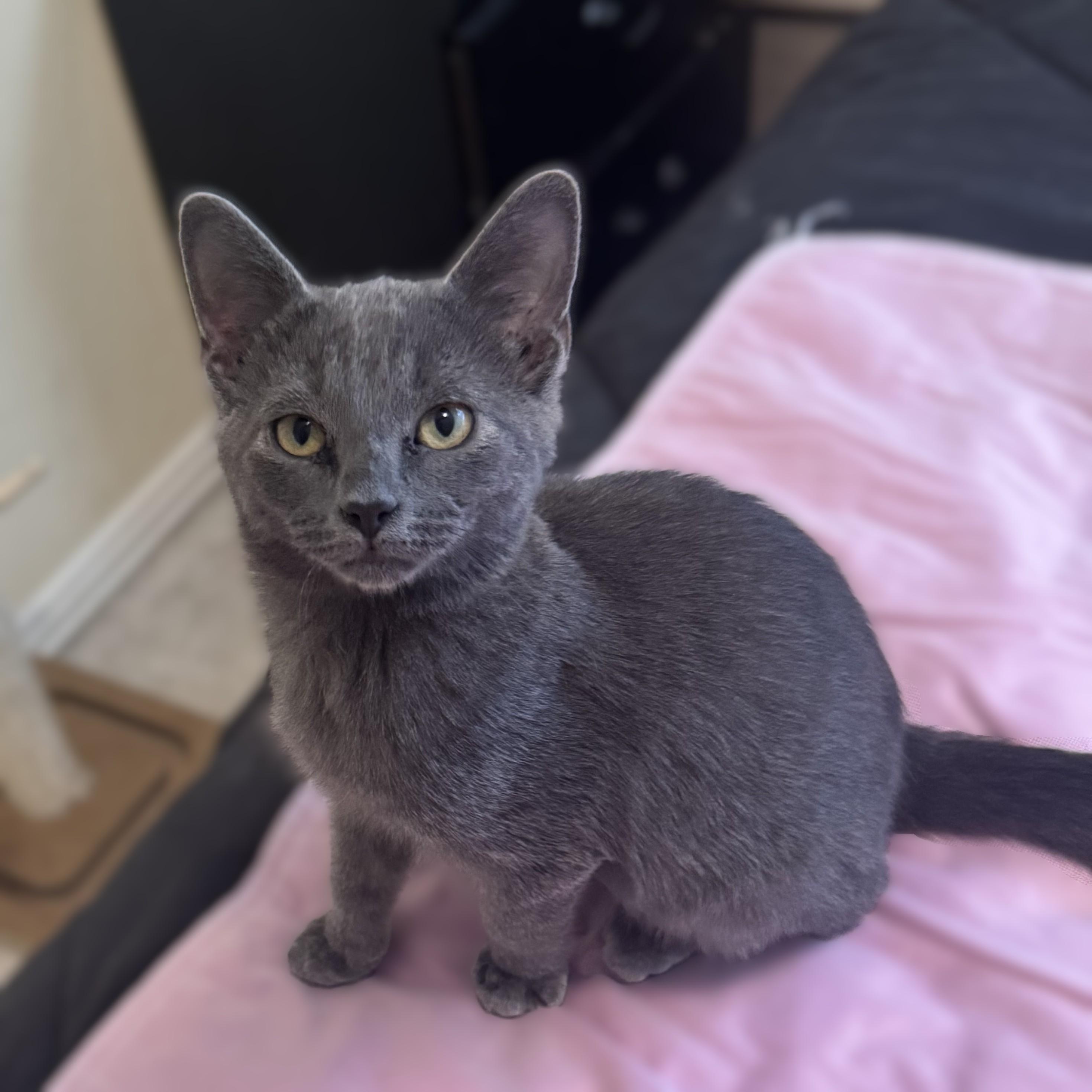
Russian Blue cats are widely considered to be affectionate, gentle, and loyal companions, though they are often described as being reserved or cautious with strangers. While they form exceptionally deep bonds with their primary human caregivers, they typically exhibit a calm and quiet demeanor rather than an overly boisterous or demanding personality.
The Russian Blue is a breed defined by its striking silver-blue coat, vivid emerald eyes, and, perhaps most importantly, a complex emotional intelligence. For prospective owners, understanding the nuances of their "friendliness" is essential for building a successful, long-term relationship with this elegant feline.
The Personality Spectrum of the Russian Blue
To determine if a Russian Blue is "friendly," one must distinguish between general sociability and selective attachment. Unlike some breeds that are inherently gregarious and will approach any visitor with curiosity, the Russian Blue is famously discerning. They are not typically "lap cats" for everyone in the house, but they are deeply devoted to the individuals they have vetted and chosen as their own.
Selective Bonding and Loyalty
The hallmark of the Russian Blue personality is a profound, one-on-one bond. This breed often selects a "favorite" person within a household. Once this bond is established, the cat becomes a "velcro" pet, frequently following their chosen human from room to room, sitting nearby while they work, and greeting them with enthusiasm upon their arrival home. This behavior is a high-level expression of friendliness, even if it is not displayed toward every guest who walks through the door.
Reserved Behavior with Strangers
When visitors arrive, a Russian Blue may initially retreat to a high vantage point or hide under furniture. This should not be interpreted as aggression or a lack of friendliness, but rather as a cautious nature. They are observant creatures that prefer to assess the environment before engaging. Once they determine that a newcomer is not a threat, they may slowly emerge to investigate. Their friendliness in these situations is earned, not given away freely.
Environmental Factors and Socialization
The degree of friendliness a Russian Blue exhibits is not solely genetic; it is heavily influenced by their environment and upbringing. Even a breed known for its gentle disposition requires proper socialization to reach its full potential as a companion.
The Role of Early Socialization
Kittens that are handled frequently by a variety of people during their first twelve weeks of life are statistically more likely to be outgoing adults. A reputable breeder who integrates kittens into a home environment—introducing them to household noises, gentle play with children, and the presence of other pets—sets the foundation for a well-adjusted cat. If you are adopting or purchasing a Russian Blue, inquire specifically about the social environment in which the kitten was raised.
Maintaining a Calm Environment
Russian Blues are highly sensitive to the atmosphere of their home. They thrive in environments where there is consistency and a low level of chaos. A loud, unpredictable, or high-stress household can cause a Russian Blue to become withdrawn. Because they are observant and intelligent, they pick up on the moods of their owners. If the household is generally calm, the cat is more likely to mirror that tranquility, allowing their friendly, affectionate side to emerge more readily.
Comparing Russian Blue Temperament to Other Popular Breeds
It is helpful to compare the Russian Blue to other breeds to better understand where they fall on the spectrum of feline sociability.
| Breed | General Temperament | Interaction Style | Suitability for Guests |
|---|---|---|---|
| Russian Blue | Gentle, reserved, loyal | Deeply attached to few | Cautious initially |
| Maine Coon | Playful, social, dog-like | Interactive with many | Very friendly |
| Ragdoll | Docile, affectionate | Floppy, loves everyone | High |
| Siamese | Vocal, demanding, active | Highly social | Varies by individual |
As shown in the table, the Russian Blue occupies a middle ground. They are significantly more interactive than independent, solitary breeds (like some feral-descended cats) but far less "in-your-face" than breeds like the Siamese or the Ragdoll.
Living with a Russian Blue: Practical Expectations
If you choose a Russian Blue, you must be prepared to honor their communication style. They are generally soft-spoken, rarely resorting to the loud, demanding meows characteristic of more vocal breeds. Instead, they use subtle body language—a slow blink, a gentle nudge of the head, or a quiet chirrup—to express their contentment.
Meeting Their Emotional Needs
To maintain a friendly relationship with a Russian Blue, respect their need for personal space. Forcing interaction when they are hiding or attempting to retreat can damage the trust they place in you. Instead, engage them on their terms. Use interactive toys, such as wand feathers, to initiate play, which is a fantastic way to bond without being overbearing.
Managing Expectations for Households with Children
Are Russian Blues friendly toward children? They are generally patient and gentle, but they are not the type of cat that enjoys rough play or unpredictable grabbing. If children are taught to treat the cat with respect, allowing the cat to approach them on its own, a beautiful friendship can flourish. However, this is not a "toddler-friendly" cat that will tolerate tail pulling or being carried around constantly.
Integrating with Other Pets
Russian Blues can be quite friendly with other animals, including other cats and even cat-friendly dogs, provided the introductions are handled slowly and correctly. They are not prone to territorial aggression, but they do require a period of adjustment. They often appreciate the presence of another cat, as it provides them with a companion for when their human favorite is away.
Frequently Asked Questions
Are Russian Blue cats good lap cats?
They are often "near-lap" cats rather than constant lap sitters. While many enjoy resting on their favorite person's lap, they are just as likely to choose to sit right next to you on the sofa, maintaining physical contact without being confined. Their desire for affection is intense, but they tend to remain poised and elegant even while cuddling.
Do Russian Blue cats get lonely?
Yes, they form such strong bonds with their owners that they can experience separation anxiety if left alone for extended periods. They prefer to be where the action is and will miss their human family deeply during the workday. If your lifestyle requires you to be away from home for ten or more hours a day, providing environmental enrichment or considering a companion animal is advisable.
Are they aggressive toward strangers?
No, the Russian Blue is rarely an aggressive breed. Their default reaction to a stressful situation or an unfamiliar person is avoidance rather than attack. They prefer to retreat to a safe space. Provided they are not cornered or forced into an interaction, they will not display aggressive behaviors like biting or scratching.
How vocal are Russian Blue cats?
They are considered a quiet breed. While they may communicate with their owners through soft, melodic chirps or quiet meows, they are not prone to constant, loud vocalization. If a Russian Blue is meowing, it is usually because they have a specific need, such as food, access to a closed room, or a desire for attention.
Do they need a lot of exercise?
They are moderately active. They enjoy brief, intense bursts of play, such as chasing a laser pointer or a feather toy, but they spend a significant portion of the day observing or napping in sunbeams. They are agile and intelligent, meaning they benefit from puzzle feeders and climbing structures that challenge their minds as well as their bodies.
Next Steps for Prospective Owners
If you believe a Russian Blue aligns with your lifestyle, your next step should be to observe the breed in person. Because their temperament is so distinct, reading about them is secondary to experiencing their behavior firsthand.
- Seek Out Breeders: Visit a TICA (The International Cat Association) or CFA (Cat Fanciers' Association) registered breeder. Ask to spend time with the adult cats, not just the kittens, to observe their behavior toward unfamiliar people.
- Evaluate Your Household: Ensure your home environment is stable and that you can provide the level of consistent, gentle attention this breed craves.
- Prepare the Environment: Before bringing a new cat home, set up a "safe room" where the cat can acclimate. Provide a vertical space, like a cat tree, which is essential for a breed that feels most comfortable when they can observe the world from above.
- Adopt Responsibly: If you prefer to adopt, search for rescue organizations that specifically handle Russian Blues or look for mixed-breed cats that exhibit the physical and personality traits you admire. Always prioritize a cat’s established personality over appearance alone.
The Russian Blue is a rewarding companion for the right owner—someone who values quiet companionship, loyalty, and a cat that feels more like a teammate than a pet. By respecting their need for trust-building and providing a calm environment, you will find that they are, in their own elegant and subtle way, one of the friendliest breeds available.