Meal replacement shakes are generally safe for healthy adults when used as a temporary dietary supplement, provided they are formulated with balanced macronutrients and are free from harmful contaminants. However, their safety depends heavily on the quality of ingredients, the user’s underlying health status, and whether they are used as an occasional convenience or a long-term nutritional foundation.
Understanding the Landscape of Meal Replacements
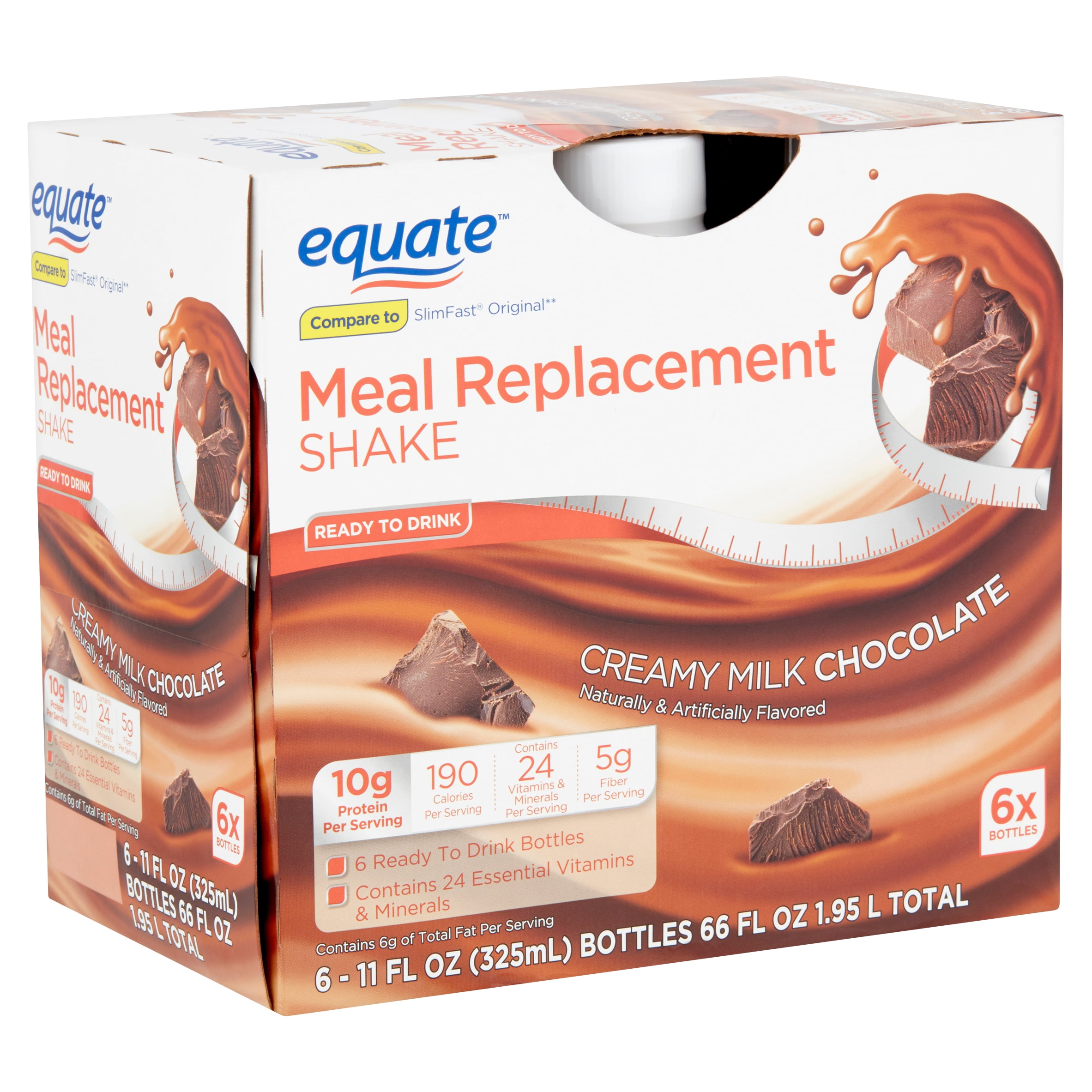
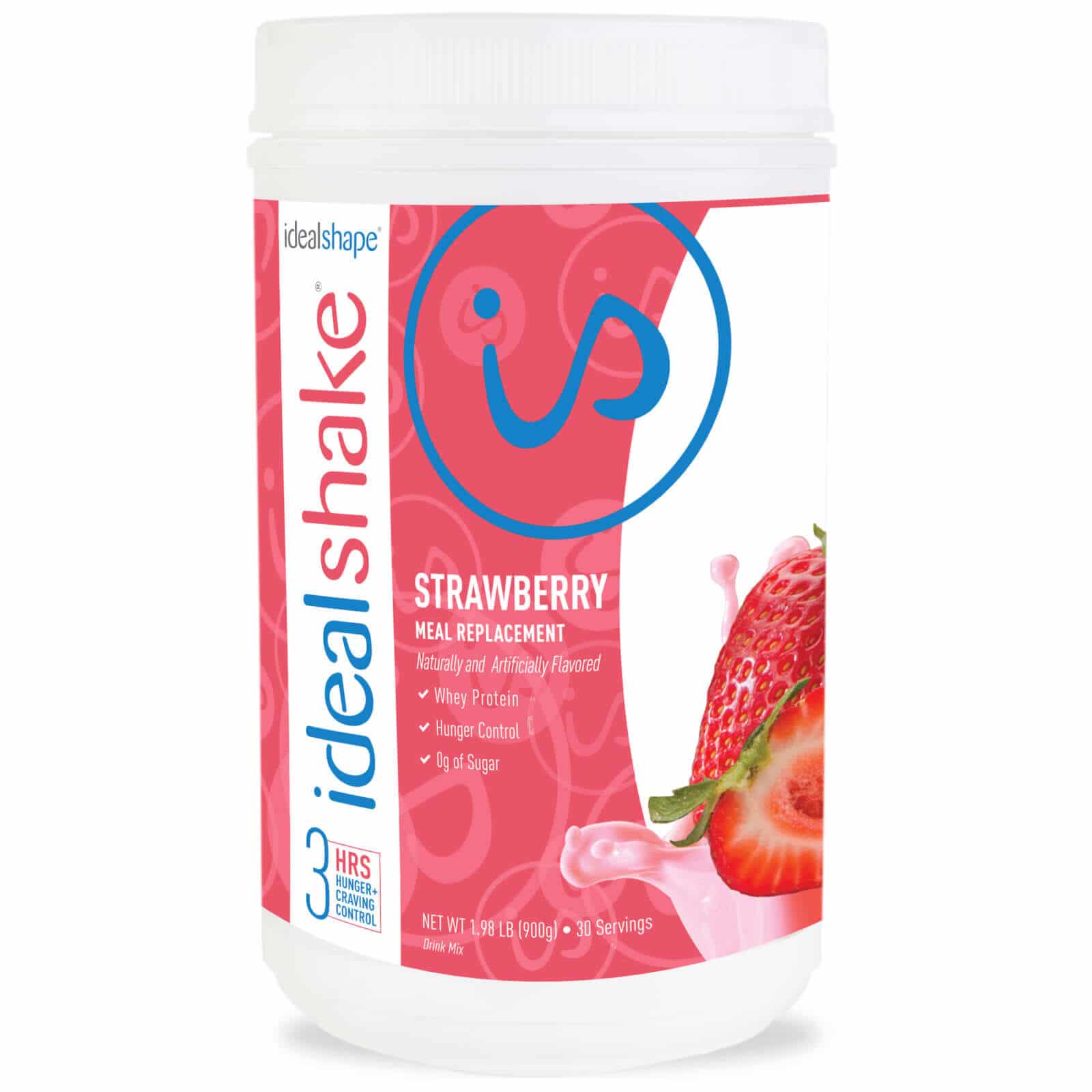
Meal replacement shakes are designed to substitute one or more daily meals by providing a controlled blend of carbohydrates, proteins, fats, vitamins, and minerals. Unlike protein powders, which are intended primarily for muscle recovery and supplement specific macronutrient needs, meal replacements aim to mimic the nutritional profile of a whole-food meal.
In the current landscape of 2026, the marketplace for these products is vast, ranging from medically supervised clinical formulas to consumer-grade products sold in supermarkets. To determine if a specific product is safe, one must distinguish between products designed for rapid weight loss and those designed for sustained nutritional support. Products that promise extreme results often prioritize caloric deficit over nutrient density, which can lead to metabolic slowdown or micronutrient deficiencies if used exclusively for extended periods.
The Criteria for Safety: What Makes a Shake "Safe"?
The safety profile of a meal replacement shake is defined by several technical factors. A product that is considered safe should meet the following baseline requirements:
- Regulatory Compliance: In many jurisdictions, these products fall under food or dietary supplement regulations. While dietary supplements may have looser oversight than drugs, reputable manufacturers adhere to Good Manufacturing Practices (GMP) and third-party testing (such as NSF International or USP verification) to ensure the absence of heavy metals, pesticides, and unlisted stimulants.
- Macronutrient Balance: A safe shake must provide a sensible balance of protein (for satiety and muscle maintenance), complex carbohydrates (for sustained energy), and healthy fats (for hormonal health and satiety). Shakes that rely heavily on refined sugars or synthetic fillers often contribute to blood glucose spikes.
- Ingredient Integrity: Safety is compromised by the inclusion of excessive artificial sweeteners, sugar alcohols that cause digestive distress, or proprietary blends that mask the exact quantities of ingredients. Transparency in labeling is a critical indicator of manufacturer accountability.
- Caloric Density: A product intended to replace a meal should contain enough energy to sustain metabolic function. Shakes with fewer than 200–300 calories are generally insufficient to serve as a full meal replacement and may trigger hunger, leading to compensatory overeating later in the day.
Comparative Overview of Meal Replacement Profiles
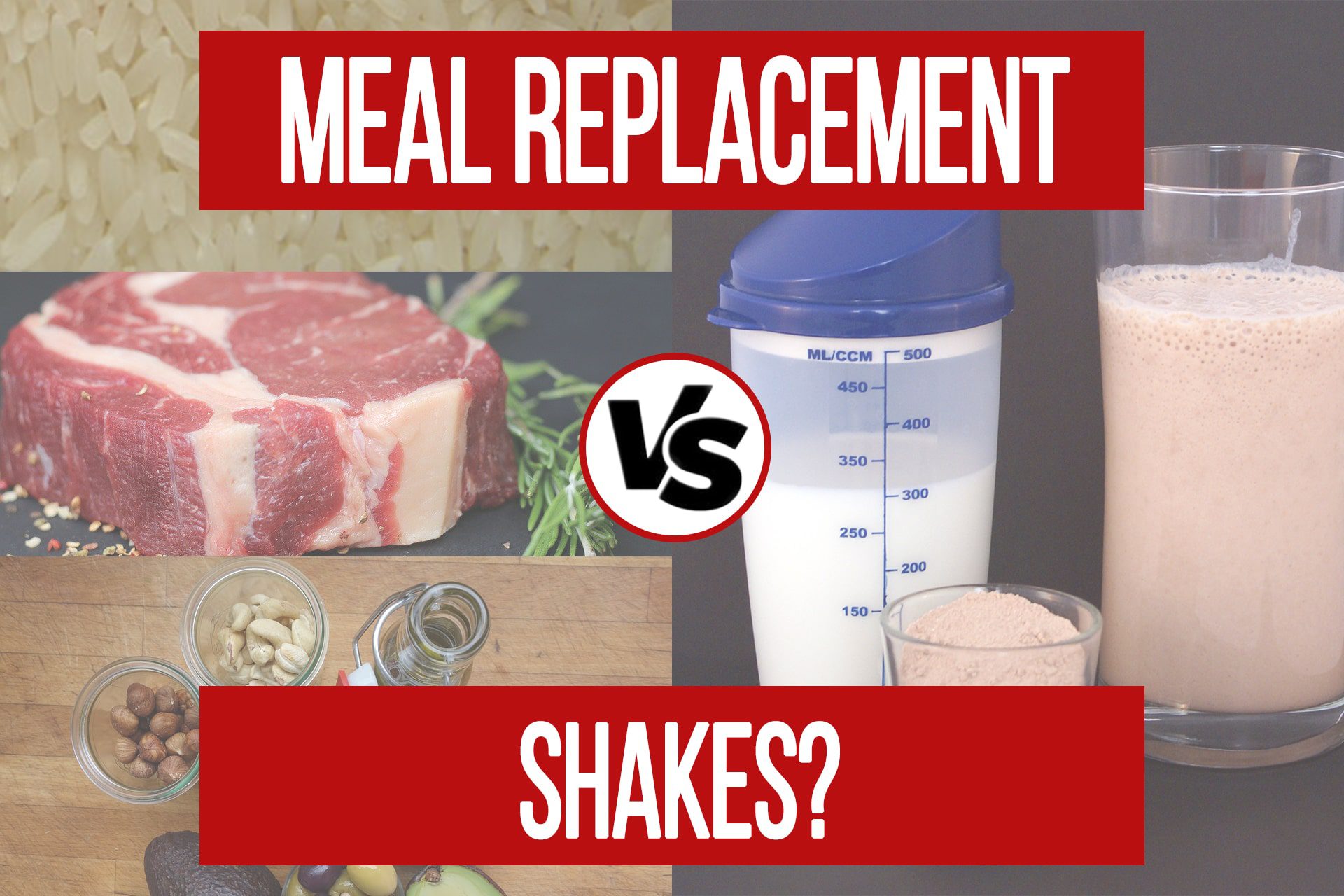
| Feature | Clinical-Grade Shakes | Consumer-Grade Shakes | DIY/Whole-Food Shakes |
|---|---|---|---|
| Nutrient Density | High, scientifically validated | Variable, often processed | High, natural sourcing |
| Regulatory Oversight | Strict, physician-led | Minimal, industry-standard | Minimal |
| Cost Profile | High | Low to Moderate | Variable |
| Primary Use Case | Medical weight management | Occasional convenience | Daily nutritional gaps |
Potential Risks and Physiological Considerations
Even when a product is technically "safe" (meaning it is free from contaminants and nutrient-deficient formulations), improper use can introduce health risks. The primary concern is the potential for nutritional drift.
Whole foods provide fiber, phytonutrients, and a complex matrix of enzymes that are difficult to synthesize in a powder format. Relying entirely on shakes for an extended period can alter the gut microbiome due to a lack of dietary diversity. Furthermore, those with specific medical conditions—such as renal impairment, where high protein intake must be monitored, or diabetes, which requires precise carbohydrate control—should never replace meals without clinical oversight.
Another factor is the "hidden" cost of processing. Many shelf-stable shakes utilize stabilizers, emulsifiers, and preservatives to maintain texture and flavor. While these are approved by food safety authorities, individual sensitivities vary. People with irritable bowel syndrome (IBS) or autoimmune issues may find that even "safe" shakes trigger inflammatory responses due to these additives.
Evaluating Your Specific Needs
Before integrating meal replacements into your diet, it is essential to define the intent. Are you seeking weight loss, or are you filling a gap in a busy schedule?
If the goal is weight management, the safety of the shake is secondary to the safety of the deficit. Rapid weight loss achieved through extreme caloric restriction is rarely sustainable and often leads to the loss of lean muscle mass. A safe approach involves using the shake to replace a meal that is typically high in processed foods, effectively "crowding out" poor nutritional choices rather than simply removing calories.
For busy professionals, the safety of the shake is a matter of nutrient consistency. In this context, look for products that emphasize "whole-food base" ingredients—such as pea, whey, or soy protein combined with oat or fruit powders—rather than those that rely primarily on maltodextrin or synthetic vitamin fortifications.
Common Mistakes and How to Avoid Them
The most frequent error users make is viewing a shake as a total food substitute. Even the most nutritionally complete shake is a supplement, not a replacement for the complexity of a whole-food diet.
- The "All-or-Nothing" Trap: Replacing every meal with a shake can lead to severe nutrient deficiencies over time. It is generally recommended to limit shakes to one or, at most, two meals per day.
- Ignoring Hydration: Many meal replacements are high in protein and fiber. Without an adequate increase in water intake, this can cause significant digestive blockages and discomfort.
- Neglecting Label Discrepancies: Always check the serving size. A product might claim to be "low calorie," but only if you consume half the suggested portion.
- Ignoring Caffeine/Stimulants: Some "energy-focused" meal replacements contain hidden caffeine or green tea extract, which can interfere with sleep and heart rate when consumed alongside daily coffee intake.
Frequently Asked Questions
Are meal replacement shakes FDA-regulated as medicines? No. In most jurisdictions, meal replacement shakes are regulated as food products or dietary supplements, not as medications. This means they do not undergo the rigorous clinical trials required for pharmaceuticals before reaching the market. Responsibility for safety testing lies primarily with the manufacturer.
Can I survive on just meal replacement shakes? Technically, humans can survive on nutritionally complete shakes, but it is not recommended for the long term. Whole foods provide structural and biological benefits that science has yet to fully replicate in powdered form. Use them as a supplemental tool, not as the entirety of your caloric intake.
What are the signs that a shake is not working for me? Persistent digestive issues (bloating, diarrhea, or constipation), sudden fatigue, skin breakouts, or a lack of satiety are common indicators. If you experience these symptoms, stop using the product and observe if your body returns to baseline before attempting a different brand or method.
Do "natural" or "organic" labels guarantee safety? No. While these labels indicate the sourcing of ingredients, they do not guarantee the nutritional balance of the product or its suitability for your specific health needs. Always prioritize the nutritional facts panel over marketing claims on the front of the packaging.
Why do some shakes cause gas and bloating? This is often due to the types of sweeteners (like sugar alcohols) or the specific protein source (such as lactose in whey). Identifying which ingredient triggers your sensitivity is key to finding a shake that is actually safe for your digestive system.
A Practical Recommendation
To ensure you are selecting a safe option, apply the "Four-Step Verification":
- Check for Third-Party Seals: Look for NSF Certified for Sport or Informed-Choice logos.
- Review the First Three Ingredients: Ensure they are recognizable whole foods (e.g., protein isolates, oat flour, flaxseed) rather than simple sugars or maltodextrin.
- Audit the Additives: If the list of artificial gums, flavorings, and sweeteners is longer than the list of nutrient sources, seek a more minimalist formula.
- Listen to Your Biology: Start with a half-serving to assess digestive tolerance before committing to a full meal replacement routine.
By treating meal replacement shakes as a strategic, temporary, or supplementary component of your diet rather than a permanent fix, you can leverage their convenience while mitigating the health risks associated with over-reliance on processed formulas.