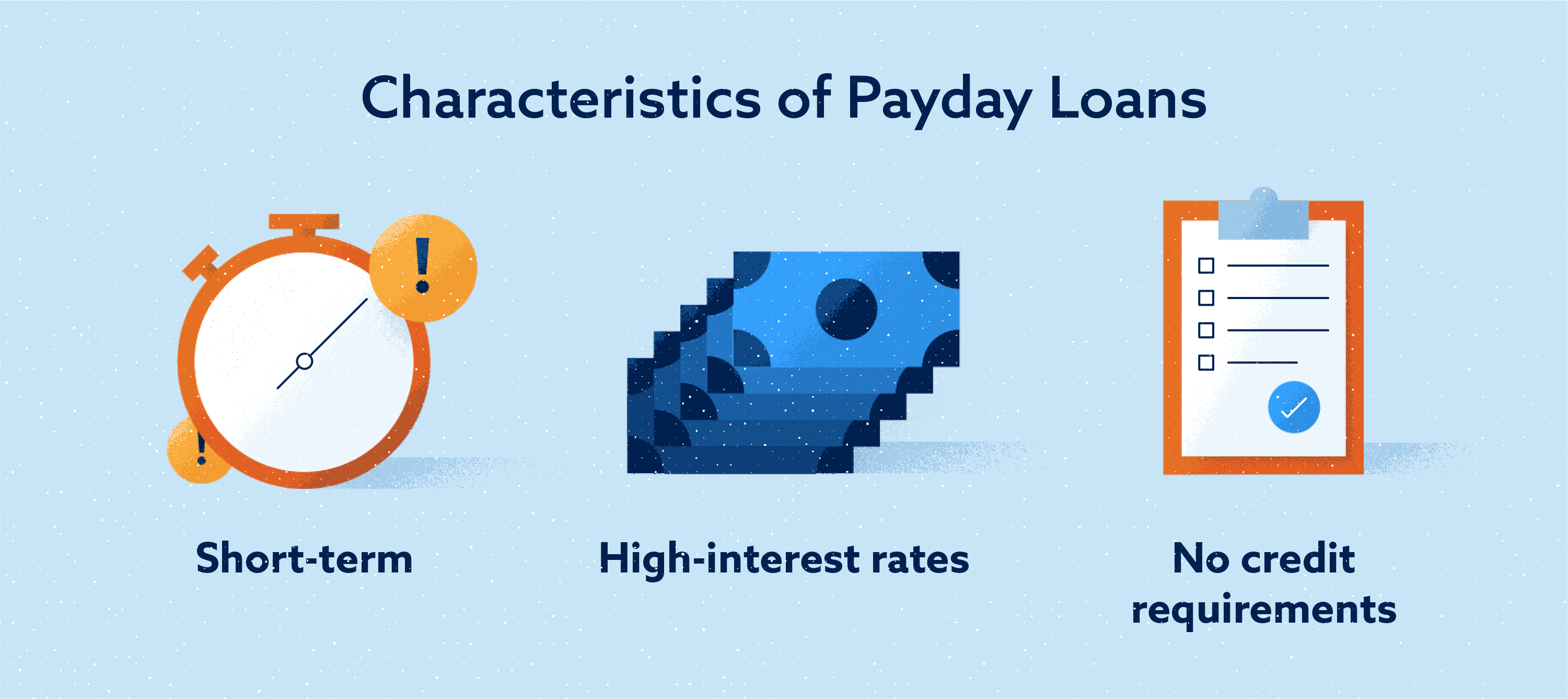
Determining if a payday loan in Sacramento is a "good" option requires balancing immediate liquidity needs against the high cost of short-term credit. For most consumers, these loans are considered high-risk financial products rather than sustainable solutions. They should only be approached after a thorough assessment of total repayment costs, legal protections provided by California law, and the availability of lower-cost alternatives.
Understanding the Sacramento Payday Loan Landscape
In Sacramento, as in the rest of California, payday loans—officially known as Deferred Deposit Transactions—operate under a specific regulatory framework. A payday loan is a short-term, small-dollar loan where the borrower provides a post-dated check or electronic authorization to a lender. The lender holds this check or authorization until the borrower’s next payday, at which point the loan, plus a fee, becomes due.
When asking if these loans are a "good" option, one must first look at the economics of the transaction. Because these loans are unsecured—meaning they do not require collateral like a car or home—lenders face a higher risk of default. They offset this risk by charging fees that translate into extremely high Annual Percentage Rates (APR). In California, payday lenders are legally restricted to charging a fee that results in an APR often exceeding 400% for a two-week loan.
The "goodness" of such an option is almost exclusively situational. If you are facing an emergency expense that, if left unpaid, would result in greater financial loss—such as a utility shut-off fee, an eviction notice, or the loss of transportation to your job—a payday loan might prevent a more catastrophic outcome. However, if the loan is used for discretionary spending, the mathematical cost of borrowing significantly outweighs the utility of the immediate cash.
California Legal Protections and Limits
It is crucial for Sacramento residents to understand that California has specific statutes that govern these lenders. The California Department of Financial Protection and Innovation (DFPI) oversees these entities. Knowing these rules helps you verify if a lender is operating legally:
- Loan Limit: The maximum amount you can borrow in a single payday loan transaction in California is $300.
- Fee Caps: Lenders may charge a fee of up to 15% of the face value of the check. For a $300 loan, the maximum fee allowed is $45, resulting in a total repayment of $345.
- Duration: The loan term cannot exceed 31 days.
- Prohibition of Rollovers: California law prohibits lenders from refinancing or "rolling over" a payday loan. This prevents the cycle of debt that often occurs in states with more lenient regulations, where lenders allow borrowers to pay only the interest and extend the loan period repeatedly.
Despite these protections, the cost remains significant. Paying $45 to borrow $300 for two weeks represents a high cost of capital that can destabilize a tight monthly budget.
Evaluating the Risks of Short-Term Lending
The primary risk associated with Sacramento payday loans is the impact on your cash flow for the following month. When you receive your next paycheck, a portion of it is already "spent" on the loan repayment. If your budget is already lean, this creates a secondary deficit, leading many consumers to seek another loan to cover their basic expenses, which can create a recurring cycle of dependency.
The "Debt Trap" Mechanism
Even without the legal ability to roll over loans, consumers often find themselves returning to the lender within days of repaying a previous loan. This is rarely because of a predatory practice alone, but rather because the underlying financial problem—usually a shortfall between income and fixed expenses—has not been addressed.
Impact on Financial Flexibility
Taking a payday loan limits your ability to respond to other unexpected events. Because the loan is tied to a specific date, you lose the buffer room in your checking account. If a true emergency arises before that date, you have even fewer resources to address it, potentially forcing you into high-interest credit card debt or late fees on other bills.
Alternatives to Consider First
Before entering into a payday loan agreement, investigate options that generally carry lower interest rates and more flexible repayment terms.
- Credit Union Small-Dollar Loans: Many credit unions in the Sacramento area offer "payday alternative loans" (PALs). These are designed to provide members with affordable access to cash and typically feature much lower APRs and longer repayment periods.
- Payment Plans with Creditors: If you are struggling to pay a specific utility or service provider, contact their billing department. Many providers prefer to establish a multi-month payment plan rather than sending an account to collections or shutting off service.
- Local Non-Profits and Charities: Organizations like St. Vincent de Paul or the Sacramento Salvation Army often have emergency assistance funds for residents facing temporary hardships.
- Employer Salary Advances: Some employers have internal policies for salary advances. While this is effectively borrowing from your future earnings, it is usually interest-free and free of the third-party fees associated with commercial payday lenders.
Comparative Overview of Short-Term Funding Options
| Feature | Payday Loan | Credit Union PAL | Personal Loan |
|---|---|---|---|
| Typical APR | 300%–450% | 18%–28% | 8%–36% |
| Approval Time | Minutes to Hours | Days | Days to Weeks |
| Credit Check | Usually None | Required | Required |
| Max Loan Term | 31 Days | 6 Months | 1–5 Years |
| Collateral | None (Check) | None | Usually None |
Note: These figures represent general industry standards as of 2026. Individual lender terms vary based on local regulations and internal risk assessment policies.
Frequently Asked Questions
1. Are all payday lenders in Sacramento licensed?
All payday lenders operating in California must be licensed by the DFPI. You can verify a lender's license status by searching the DFPI database online. Dealing with an unlicensed lender is dangerous because they may not adhere to the $300 limit or the interest rate caps, exposing you to predatory debt collection practices.
2. Can I get a payday loan if I have no credit history?
Yes. Payday lenders typically do not perform traditional credit checks. They focus on your ability to repay, which is verified through your pay stub and an active checking account. However, the lack of a credit check is precisely why these loans are so expensive; the lender is not evaluating your creditworthiness, only your immediate income stream.
3. What happens if I cannot pay back the loan on time?
If your check bounces or your electronic payment fails, the lender will likely charge a non-sufficient funds (NSF) fee. Furthermore, they may initiate debt collection processes. While they cannot send you to jail for an unpaid debt, they can pursue legal action, which may result in a judgment against you, potentially affecting your credit score and future borrowing capacity.
4. Can I rescind a payday loan if I change my mind?
Under California law, you generally have the right to rescind the transaction by the end of the next business day. You must return the full amount of the loan to the lender. Always read the contract specifically for the "Right to Rescind" clause provided at the time of signing.
5. Does paying off a payday loan help my credit score?
Generally, no. Payday lenders typically do not report your repayment to the major credit bureaus (Equifax, Experian, TransUnion). Therefore, while paying on time prevents negative marks, it rarely contributes to building your credit profile or improving your score.
Final Recommendation
Payday loans in Sacramento should be viewed as a tool of last resort, not a standard financial strategy. If you determine that the cost of the fee is worth the avoidance of a more severe consequence, such as a major service disconnection or legal penalty, proceed with extreme caution. Use the loan only for the absolute minimum amount required, ensure you have the full funds available in your account on the due date to avoid NSF fees, and immediately re-evaluate your budget to avoid the need for subsequent borrowing. If you find yourself using these services regularly, it is a clear indicator that you need to seek credit counseling or debt management services to address the underlying structural deficit in your finances.