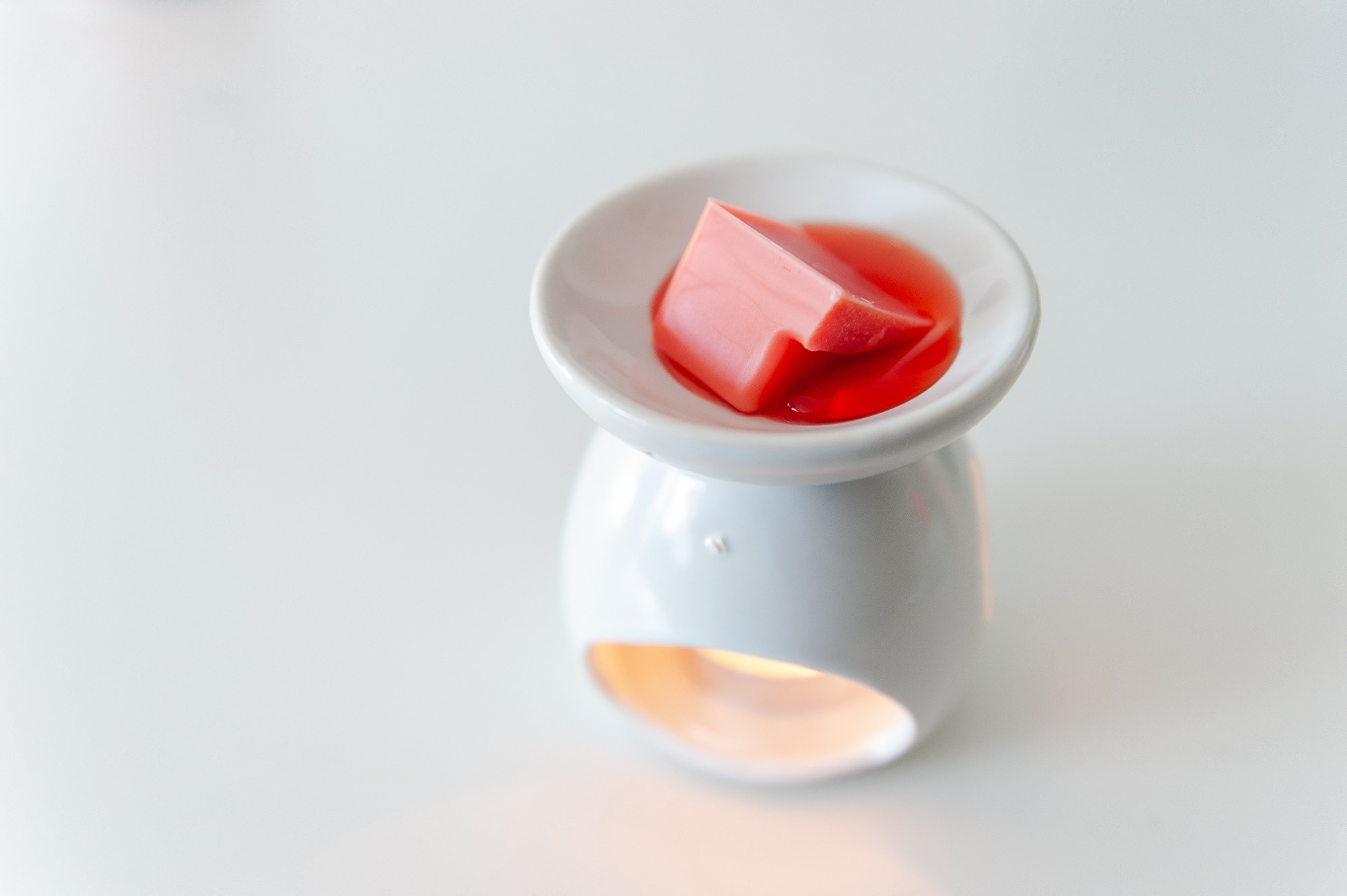
Scented wax melts are generally considered safe for use in residential environments when utilized according to manufacturer instructions. However, they are not inherently "non-toxic" in a medical sense. Like any product that releases volatile organic compounds (VOCs) through heat, wax melts can affect indoor air quality, particularly for individuals with chemical sensitivities, respiratory conditions, or pets.
Understanding the Chemistry of Scented Wax Melts
To determine whether wax melts pose a health risk, it is essential to understand what they are and how they function. A wax melt is a scented piece of wax—typically paraffin, soy, beeswax, or a blend—without a wick. When placed in a warmer, the heat source melts the wax, which releases fragrance oils into the surrounding air.
The Role of Base Materials
The base material of the wax dictates how it behaves under heat.
- Paraffin Wax: Derived from petroleum, paraffin is the most common and cost-effective wax. Concerns often center on the release of trace amounts of hydrocarbons (like toluene and benzene) when burned or heated. However, peer-reviewed studies, including research published by the American Chemical Society, generally indicate that these emissions are well below levels that would pose a significant health risk in a well-ventilated home.
- Vegetable Waxes (Soy, Coconut, Rapeseed): These are naturally derived and are often marketed as cleaner-burning alternatives. While they produce less soot than paraffin, the primary contributor to potential toxicity remains the fragrance additives rather than the base wax itself.
The Role of Fragrance Oils
Fragrance is the most complex component of a wax melt. Manufacturers use complex blends of synthetic chemicals and natural essential oils to create specific scents. These chemicals, when vaporized, become part of the indoor air environment. The toxicity of these compounds is regulated by organizations like the International Fragrance Association (IFRA), which sets standards for the concentration of various ingredients to ensure they remain below known irritation or toxicity thresholds.
Evaluating Indoor Air Quality and Respiratory Impact
When you heat a wax melt, you are performing a process of volatilization. The particles released are fine enough to be inhaled. For the average healthy adult, these levels are typically negligible. However, indoor air quality (IAQ) is a cumulative metric.
Factors That Influence Toxicity
- Ventilation: The most significant factor in whether wax melts feel "toxic" is the airflow in your home. In a small, airtight room, the concentration of VOCs will be significantly higher than in an open-concept space with cross-ventilation.
- Frequency of Use: Using a wax melt for two hours occasionally is fundamentally different from keeping a warmer active for 16 hours a day. Over-exposure to concentrated fragrances can lead to "nose blindness" and, for some, physical symptoms like headaches, dizziness, or eye irritation.
- Chemical Sensitivities: Individuals with asthma, COPD, or Multiple Chemical Sensitivity (MCS) may react to specific synthetic fragrances even if those fragrances are within regulatory safety limits.
Common Symptoms of Over-Exposure
If you notice that a specific fragrance causes physical discomfort, it is often a sign of irritation rather than systemic toxicity. Common indicators include:
- Dry or scratchy throat.
- Watery eyes or sneezing.
- Nasal congestion.
- Mild headaches shortly after entering the room where the wax is melting.
Comparison of Wax Melt Safety Profiles
Understanding the differences between common types of home fragrance delivery systems can help you manage your indoor environment more effectively.
| Feature | Scented Wax Melts | Essential Oil Diffusers | Traditional Scented Candles |
|---|---|---|---|
| Heat Mechanism | Low-temp warming | Ultrasonic vibration | Open flame (combustion) |
| Soot Production | None | None | Potential (if not trimmed) |
| Chemical Load | Regulated fragrances | High-concentration oils | Regulated fragrances |
| Ventilation Needs | Moderate | Moderate | High (to clear smoke) |
Important Considerations for Households with Pets
Pets, particularly birds and cats, have highly sensitive respiratory systems that are more susceptible to air quality changes than humans.
The Risk to Birds
Birds have a unique respiratory system designed for high-efficiency oxygen intake, which makes them extremely sensitive to airborne pollutants. The chemicals released by synthetic fragrances in wax melts can potentially trigger respiratory distress in pet birds. It is generally recommended to avoid using any aerosolized fragrances—including wax warmers—in the same room as a bird.
Cats and Dogs
For cats and dogs, the risk is typically associated with contact or ingestion rather than inhalation. However, certain essential oils used in natural wax melts (such as tea tree, peppermint, or cinnamon) can be toxic if ingested or if the dog/cat licks their fur after oils have settled on it. Always check the ingredient label for pet-safe oils and ensure the warmer is out of reach of curious paws.
Best Practices for Safer Use
You do not necessarily need to stop using wax melts to maintain a healthy home. By following these mitigation strategies, you can minimize the chemical burden on your living space:
- Choose High-Quality Brands: Opt for manufacturers that provide transparency regarding their fragrance oils. Look for companies that certify their oils are phthalate-free and comply with current IFRA standards.
- Limit Duration: Treat wax melts as a temporary atmospheric addition rather than a permanent fixture. Use them for 2–4 hours at a time, then allow the room to air out.
- Ensure Proper Ventilation: Open a window or use an air purifier with a HEPA and activated carbon filter in the room where you use your wax warmers. Activated carbon is particularly effective at absorbing VOCs.
- Practice Regular Maintenance: Clean your wax warmer dish regularly. Old wax can trap dust and debris, which may burn or scorch when the unit is turned on, potentially releasing unnecessary irritants.
- Monitor Your Reactions: If you experience headaches or respiratory discomfort, stop using that specific scent immediately. Not all "natural" or "synthetic" fragrances are created equal, and individual reactions to specific chemical compounds can vary.
Frequently Asked Questions
Are soy wax melts safer than paraffin melts?
While soy wax is a renewable, cleaner-burning base, the safety of a wax melt is determined primarily by the fragrance oil additives. A soy wax melt with low-quality, heavy-chemical fragrance oils can still negatively impact indoor air quality. Focus on the brand's quality standards rather than just the wax type.
Can wax melts cause cancer?
There is no clinical evidence to suggest that the occasional, moderate use of household scented wax melts increases the risk of cancer in humans. While some studies on high-heat combustion of certain waxes (like poorly refined paraffin) have shown trace emissions, these levels are significantly lower than those found in standard environmental exposures.
Are wax melts toxic to dogs?
Wax melts are generally safe for dogs if kept out of reach. However, if a dog ingests the wax or if the oils are highly concentrated with specific essential oils that are toxic to canines (such as wintergreen or pine), it could cause gastrointestinal upset or systemic toxicity. Always keep warmers stable and away from areas where pets play.
How can I tell if a wax melt is "non-toxic"?
Look for labels that state "phthalate-free" and "paraben-free." These are the most common chemical additives associated with indoor air concerns. Furthermore, reputable manufacturers will provide a Safety Data Sheet (SDS) upon request, which details the chemical composition of the fragrance oils used.
Does the type of warmer (electric vs. tea light) affect safety?
Yes. Tea light warmers rely on an open flame, which introduces a small amount of carbon monoxide and soot into the air. Electric warmers use a heating element to melt the wax at a consistent, lower temperature, which prevents the wax from reaching a smoke point and is generally cleaner for indoor air quality.
Final Recommendation
Scented wax melts are a common household luxury, and for the vast majority of users, they present no major health hazard. If you are concerned about your indoor air quality, the most effective step you can take is to purchase products from manufacturers that prioritize transparency, use phthalate-free fragrances, and avoid overuse. Keep your home well-ventilated, monitor your pets for any signs of respiratory stress, and use your warmer for defined periods rather than keeping it running indefinitely. If you suffer from pre-existing respiratory conditions, consult with your physician regarding the use of scented home fragrance products in your immediate environment.