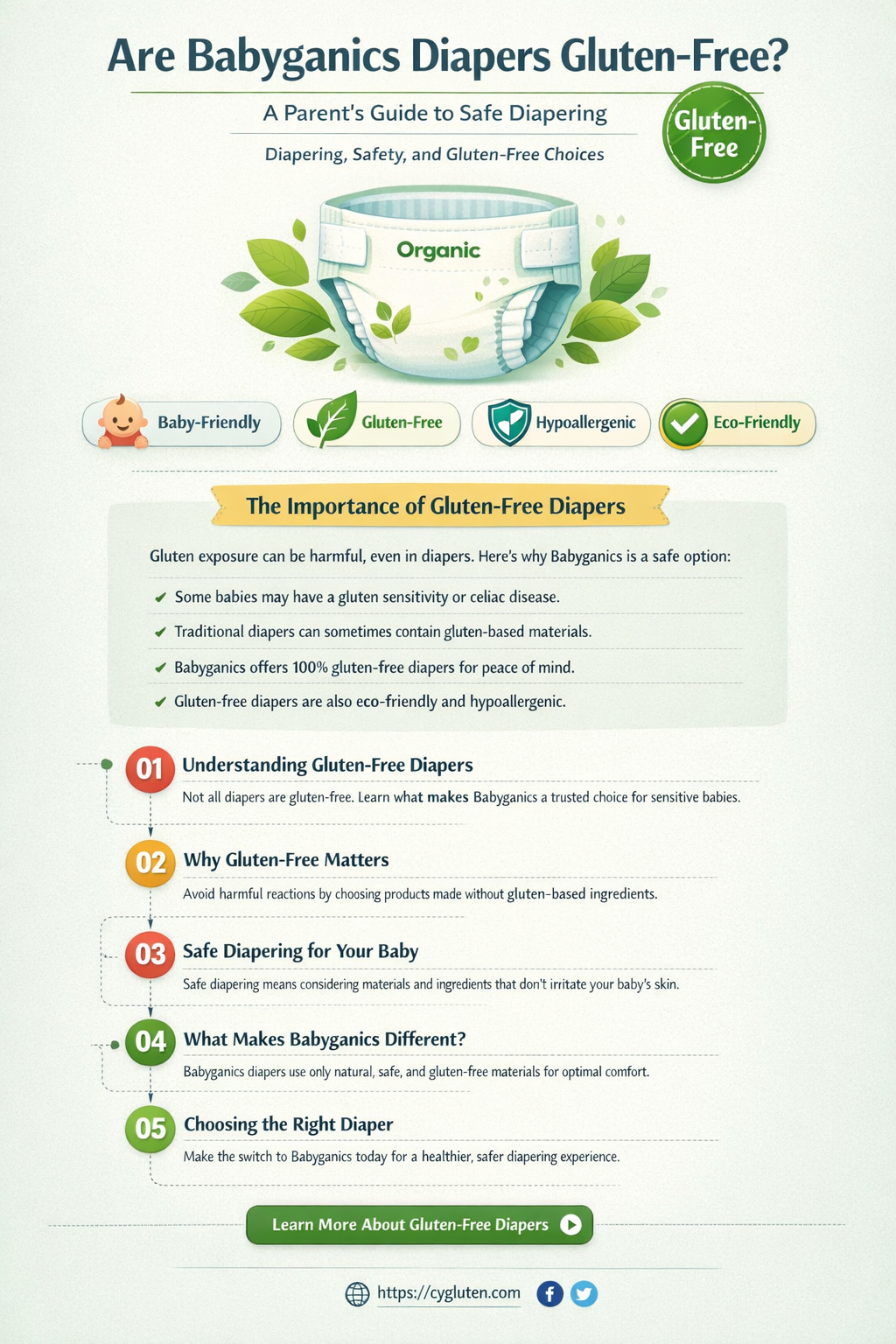
The short answer is that while many "eco-friendly" or "clean" diaper brands represent a significant improvement over traditional mainstream options, the terms "safe" and "free of" are often marketing designations rather than strictly regulated legal standards. While reputable manufacturers work to eliminate intentionally added phthalates and volatile organic compounds (VOCs), achieving a zero-detectable-trace status is difficult due to global supply chain complexities, manufacturing environments, and the lack of a standardized federal definition for "non-toxic" diapers.
Understanding the Chemical Landscape in Modern Diapers
To understand the safety profile of disposable diapers, one must first recognize that a diaper is a sophisticated composite of polymers, adhesives, absorbent cellulose, and elastic materials. When parents see labels claiming a diaper is "free of" certain substances, it usually refers to the intentional avoidance of specific additives during the design phase.
Phthalates are a group of chemicals often used to make plastics more durable or flexible. In the context of diapers, they were historically associated with the plasticized outer layers or certain fragrance-delivering adhesives. Volatile Organic Compounds (VOCs), on the other hand, are a broad class of chemicals that have a high vapor pressure at room temperature. This means they can off-gas into the air. In diapers, potential VOC sources include the adhesives used to bond layers together or the synthetic fragrances added to mask odor.
The primary challenge in verifying these claims lies in the difference between "intentionally added" and "trace contamination." A brand might rightfully claim they do not use phthalates as an ingredient, but if they source components from a global supply chain where cross-contamination occurs in a factory setting, trace amounts may still be present in the final product.
The Role of Regulatory Oversight and Transparency
In the United States, disposable diapers are classified by the Food and Drug Administration (FDA) as medical devices. However, this classification primarily concerns the prevention of skin irritation and the performance of the absorbent core. It does not imply that every chemical component has been rigorously tested for long-term health impacts or that there is a federal "purity" threshold for diapers.
Because there is no universal government seal that defines a "safe" diaper, the burden of proof has shifted to third-party certifications and brand transparency. When a company claims its diapers are "free of VOCs," you should look for the specific testing methodology they use to substantiate that claim. Reputable companies often undergo independent laboratory testing to verify their chemical composition.
Evaluating Marketing Terms vs. Scientific Reality
The marketing landscape for baby products is often confusing. Terms like "non-toxic," "natural," and "safe" are frequently used without a common industry standard.
- "Free of Phthalates": Usually means the manufacturer has audited their supply chain to ensure these specific plasticizers are not part of their formulation.
- "Fragrance-Free": This is a critical distinction. Fragrances are one of the most common ways VOCs and hidden phthalates (used as carriers for scent) enter a baby product. Choosing a fragrance-free option is the most effective way to reduce chemical exposure.
- "Elemental Chlorine Free" (ECF) vs. "Totally Chlorine Free" (TCF): While not directly related to VOCs or phthalates, these terms describe the bleaching process of the wood pulp. TCF is generally considered the "cleaner" standard as it avoids the formation of dioxins.
How to Verify Diaper Safety Claims
If you are concerned about specific chemical exposure, you cannot rely solely on the packaging. Instead, take the following steps to verify a brand's integrity:
- Review the Ingredient Disclosure: Some transparent brands provide a full list of ingredients on their website. If a brand is vague about what goes into their adhesives or elastic bands, exercise caution.
- Seek Third-Party Certifications: Look for labels such as OEKO-TEX Standard 100, which tests for harmful substances at every stage of production, or certifications from organizations like the Environmental Working Group (EWG) or similar reputable health-focused third parties.
- Check the Supply Chain Transparency: Does the company disclose where their materials are sourced? Brands that are open about their factories are generally more accountable than those that rely on "white-label" manufacturing.
Comparison of Diaper Safety Characteristics
The following table summarizes common materials and their potential associations with chemical additives in the diaper industry as of 2026.
| Feature | Potential Risk Factor | Verification Method |
|---|---|---|
| Adhesives | Possible VOCs (solvents) | Look for "solvent-free" labels |
| Fragrance | Hidden Phthalates/VOCs | Always choose "fragrance-free" |
| Outer Backsheet | Potential Phthalates | Verify non-PVC plastic use |
| Super Absorbent Polymer (SAP) | Generally stable, but purity matters | Check for "medical grade" or "safe" certification |
| Elastic/Leg Cuffs | Possible latex or additives | Verify "latex-free" and material sourcing |
Common Mistakes Parents Make
One common mistake is assuming that "natural" materials automatically mean "chemical-free." Even products made from bamboo or organic cotton must be processed into a non-woven fabric, which often requires chemical binders or adhesives. A 100% organic cotton diaper still uses glues and elastic, and those components must be evaluated for their own chemical footprint.
Another mistake is neglecting to store diapers properly. VOCs can off-gas more aggressively in high-heat environments. Keeping diapers in a cool, dry, and well-ventilated area can help minimize the potential for chemical accumulation over time.
The Problem of "Greenwashing"
Greenwashing occurs when a company uses eco-friendly imagery and vague terminology to imply their product is safer than it actually is. In 2026, the marketplace is saturated with "eco" labels. Always prioritize objective data—like laboratory reports provided by the company—over marketing claims like "Earth-friendly" or "Pure."
If a brand claims to be "phthalate-free," ask yourself: Does this claim cover the entire product, including the adhesives and the tabs, or just the main absorbent core? A truly safe product will have data regarding the composition of every part of the diaper, not just the pulp or the backsheet.
Frequently Asked Questions (FAQ)
1. Can I completely eliminate all phthalates and VOCs from my baby's life by choosing the right diaper? It is nearly impossible to eliminate every trace of these chemicals from a modern environment, but you can significantly reduce exposure. By selecting fragrance-free, transparently sourced, and third-party-certified diapers, you minimize the "chemical load" your baby is exposed to on a daily basis.
2. Are cloth diapers a safer alternative regarding phthalates and VOCs? Generally, yes. Because cloth diapers are made of natural or synthetic fabrics (cotton, hemp, bamboo) that are washed and reused, they do not contain the adhesives, synthetic fragrances, and complex chemical composites found in disposables. However, you must consider the chemicals in your laundry detergent, which can also contain VOCs.
3. Do "safe" diapers cost more? Typically, yes. Achieving higher purity standards, conducting independent testing, and using premium, non-synthetic materials increases production costs. While price is not a perfect indicator of safety, "economy" brands are rarely equipped to maintain the stringent purity standards required to keep VOC and phthalate levels at the lowest possible thresholds.
4. Is there a medical reason to be concerned about trace levels in diapers? For the vast majority of infants, the concentrations of phthalates or VOCs found in modern, reputable disposable diapers are considered low by regulatory agencies. However, many parents prefer a "precautionary principle" approach, aiming to reduce cumulative, lifelong exposure to these substances starting from birth.
Next Steps for Parents
To make an informed decision, visit the official websites of the diaper brands you are currently using. Look for a "Chemical Safety" or "Transparency" page. If you cannot find a detailed list of materials or an explanation of their testing protocols for VOCs and phthalates, contact their customer support team. A brand committed to safety will be able to answer specific questions about their supply chain and testing standards. If they provide vague, marketing-heavy responses, consider switching to a brand that prioritizes clinical transparency.