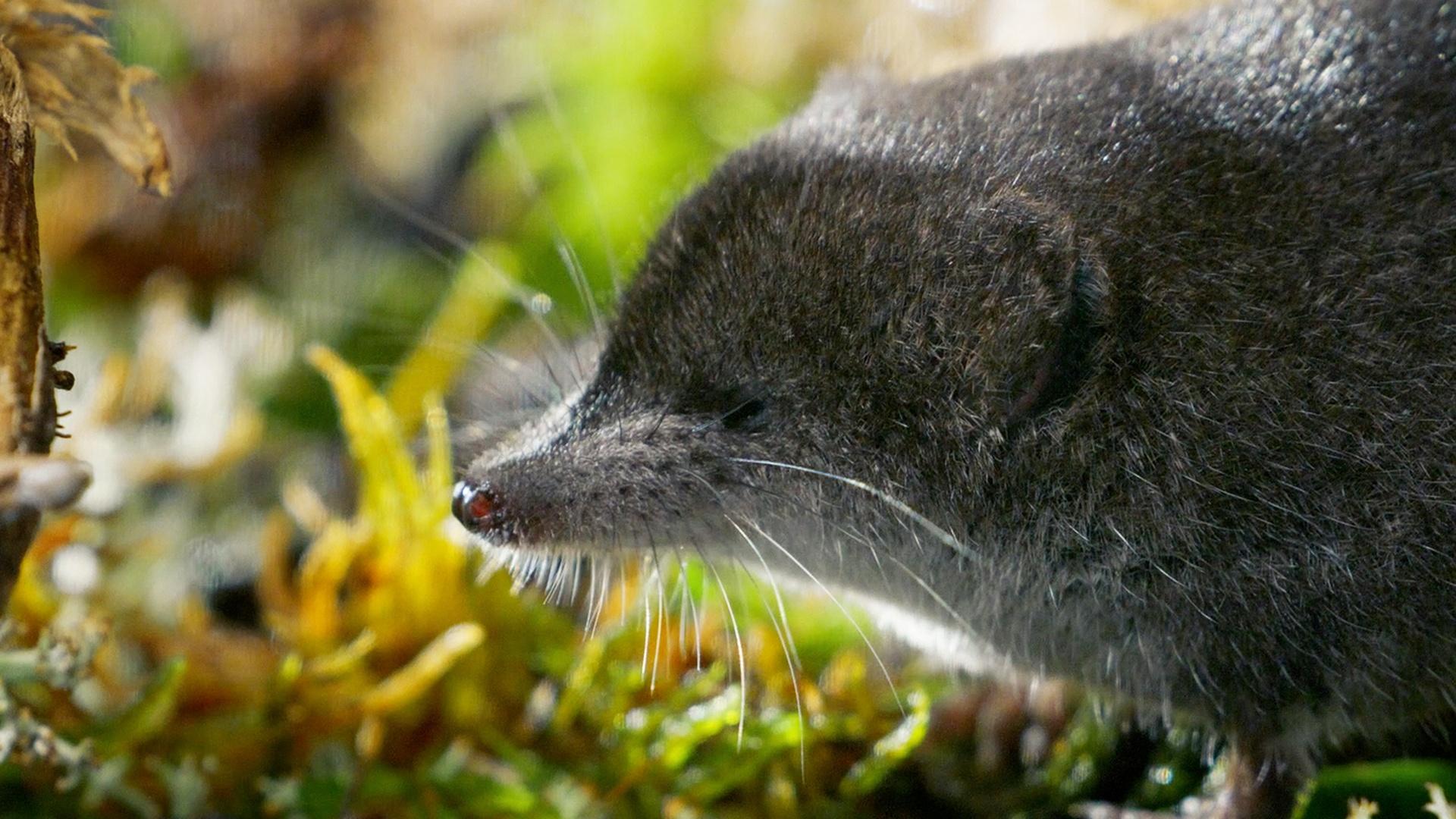
Shrews are highly aggressive mammals, characterized by an intense, predatory temperament driven by an exceptionally high metabolic rate. While they rarely initiate attacks on humans or large pets without provocation, they are fiercely territorial and will bite if handled or cornered. Their aggression is primarily directed toward prey and other shrews.
The Biological Root of Shrew Aggression
To understand why shrews exhibit such high levels of aggression, one must first look at their physiology. As of 2026, biological research continues to emphasize the link between the shrew's "frenetic" lifestyle and its survival needs. Shrews belong to the family Soricidae, and unlike mice or moles, they possess some of the highest metabolic rates of any terrestrial mammal.
A shrew’s heart can beat up to 800 to 1,000 times per minute. This physiological demand requires the animal to consume between 100% and 300% of its own body weight in food every 24 hours. Because they are always only a few hours away from starvation, their "aggression" is actually a manifestation of a constant, desperate search for calories. They do not have the luxury of a "flight" response if "fight" might secure a meal or protect a hunting territory.
Territoriality and Solitary Nature
Shrews are almost exclusively solitary animals. Except for brief mating encounters or a mother raising her young, they do not tolerate the presence of other shrews. When two shrews meet, the encounter is almost always marked by high-pitched squeaking and physical combat. This territorial aggression ensures that each individual has exclusive access to the insects, worms, and small vertebrates within its range, which is vital for its survival.
Are Shrews Dangerous to Humans?
While shrews are aggressive in their natural environment, they do not pose a predatory threat to humans. A shrew will not hunt a human, nor will it seek out a person to attack. However, "aggression" in the context of human interaction usually occurs during accidental encounters.
The Risk of Shrew Bites
If a person attempts to pick up a shrew or accidentally steps on one while gardening, the shrew will bite instantly. Their teeth are sharp and designed for puncturing the exoskeletons of insects or the skulls of small rodents.
A bite from a shrew is typically painful and can cause significant swelling. While most shrews are non-venomous, the Northern Short-tailed Shrew (Blarina brevicauda) is a notable exception in North America. This species possesses venomous saliva that is delivered via grooved lower incisors. In humans, this venom can cause localized pain and swelling that may persist for several days, though it is not considered lethal.
Disease Transmission
Like any wild mammal, shrews can carry pathogens. Although they are not primary reservoirs for rabies in the same way raccoons or bats are, any bite from a wild animal carries a risk of secondary bacterial infection or even rare diseases like Hantavirus or Tularemia. As of 2026, the Centers for Disease Control and Prevention (CDC) recommends that any wild animal bite be thoroughly cleaned and evaluated by a medical professional to prevent complications.
Shrew Aggression Toward Pets
Pet owners often wonder if shrews pose a threat to cats or dogs. The relationship between shrews and domestic pets is complex.
- Cats and Shrews: Cats are natural hunters and often catch shrews. However, cats rarely eat them. Shrews have scent glands (typically located on their flanks) that emit a musky, foul odor when the animal is stressed or attacked. Most cats find this taste repulsive and will leave the shrew's carcass behind.
- Dogs and Shrews: Dogs may attempt to corner a shrew in the yard. Because of their aggressive nature, a shrew will not hesitate to leap at a dog's nose or paws to defend itself.
- The Venom Factor: If a small dog or a cat is bitten by a venomous Short-tailed Shrew, they may experience more severe reactions than humans due to their smaller body mass. Symptoms can include drooling, swelling at the bite site, and apparent lethargy.
Shrews vs. Mice: Identifying the Aggressor
Many homeowners confuse shrews with mice, but their behaviors and physical traits are vastly different. Understanding these differences is crucial for proper wildlife management and safety.
| Feature | Shrew (Soricidae) | Mouse (Mus musculus) |
|---|---|---|
| Diet | Primarily insectivorous (carnivorous) | Primarily granivorous (seeds/grains) |
| Eyes | Very small, often hidden by fur | Large, prominent black eyes |
| Snout | Long, pointed, and highly mobile | Shorter, more rounded |
| Temperament | Aggressive, solitary, bold | Timid, social, flight-oriented |
| Teeth | Continuous row of sharp, spiked teeth | Distinctive gnawing incisors with a gap |
| Activity | Active day and night in short bursts | Primarily nocturnal |
Because mice are "prey" animals with a flight response, they will usually run away when discovered. Shrews, conversely, may stand their ground, squeak loudly, and prepare to strike if they feel trapped.
The Role of Venom in Shrew Aggression
The inclusion of venom in certain shrew species is a fascinating evolutionary trait that aids their predatory aggression. Aside from the Northern Short-tailed Shrew, the Eurasian Water Shrew and the Mediterranean Water Shrew also possess toxic saliva.
The venom is a protease-like substance that paralyzes prey. This allows the shrew to cache (store) its prey alive but immobilized. In the lean winter months of 2026 and beyond, this "living larder" is essential for the shrew’s survival. For a human, the venom is not paralyzing but causes intense irritation.
If you are bitten by a shrew that you suspect is a Short-tailed variety, you should:
- Wash the wound with warm, soapy water for at least five minutes.
- Apply an antiseptic ointment.
- Monitor for signs of an allergic reaction or spreading redness.
- Consult a physician if the pain does not subside or if you have not had a tetanus shot in the last five to ten years.
Managing Shrew Encounters in the Home and Garden
Shrews often find their way into gardens, basements, or crawl spaces. While they provide a benefit by consuming large quantities of grubs, slugs, and crickets, their presence can be unsettling due to their aggressive movements and potential for biting.
Why Are They in My House?
Shrews do not typically "infest" homes in the way mice do because they do not live in social colonies. If you find a shrew inside, it is likely there for one of two reasons:
- Search for Food: It followed an insect trail or a mouse scent into the structure.
- Weather Extremes: It sought refuge from extreme cold or flooding.
Humane and Safe Removal
If you encounter an aggressive shrew in your home, do not attempt to catch it with your bare hands. Use a heavy pair of leather gardening gloves or a plastic container to scoop the animal up and move it outside. Shrews are incredibly fast and can jump higher than one might expect, often lunging toward the hands of someone trying to capture them.
For outdoor management, maintaining a clean perimeter around the home—removing leaf litter and woodpiles—reduces the habitat for the insects shrews feed on, naturally encouraging them to move further away from the residence.
The Ecological Importance of Shrew Aggression
It is important to view shrew aggression through an ecological lens. Shrews are vital components of a healthy ecosystem. Their constant hunting helps regulate populations of insects and invertebrates that might otherwise damage crops or gardens.
In some forest ecosystems, shrews are the primary predators of larch sawflies and other forest pests. Their aggression toward other small mammals, including voles and mice, also helps maintain a balance in small mammal populations. While they may seem "mean" or "angry," they are simply high-performance biological machines designed for maximum efficiency in a world where they must eat or die.
Frequently Asked Questions
Can a shrew kill a mouse?
Yes, shrews frequently kill and eat mice. Despite being similar in size (or even smaller), the shrew's high aggression level and, in some species, venomous bite give them a significant advantage. A shrew will often attack the base of a mouse's skull to quickly incapacitate it.
Do shrews scream when they are angry?
Shrews produce a variety of high-pitched squeaks and "twittering" sounds. Many of these sounds are used for echolocation—allowing them to navigate in the dark or underground—but they also use loud, piercing shrieks as a defensive warning when they feel threatened by a competitor or predator.
Are shrews active in the winter?
Yes, shrews do not hibernate. Because of their metabolism, they must remain active throughout the winter to find food. They often tunnel under the snow (the subnivian zone), where they are protected from the wind and can continue hunting dormant insects and earthworms.
Do shrews carry rabies?
While any mammal can theoretically contract rabies, it is extremely rare in shrews. Their small size means that any encounter with a larger rabid animal (like a raccoon) usually results in the shrew's death rather than its infection. However, medical professionals still treat shrew bites with caution.
How can I tell if I have a shrew or a mole?
Moles are much larger than shrews and have highly specialized, paddle-like front paws designed for digging. Shrews have normal-looking small paws and spend much more time on the surface or in existing leaf litter and tunnels than moles do.
Summary of Safety Tips
If you find yourself in close proximity to a shrew, remember that their aggression is a defensive reflex. Give the animal space to retreat. If you are a gardener, wearing gloves while moving mulch or debris is the most effective way to prevent an accidental bite.
By respecting the shrew as a high-energy predator rather than a common pest, you can appreciate its role in nature while avoiding the unpleasant consequences of its aggressive survival instincts.