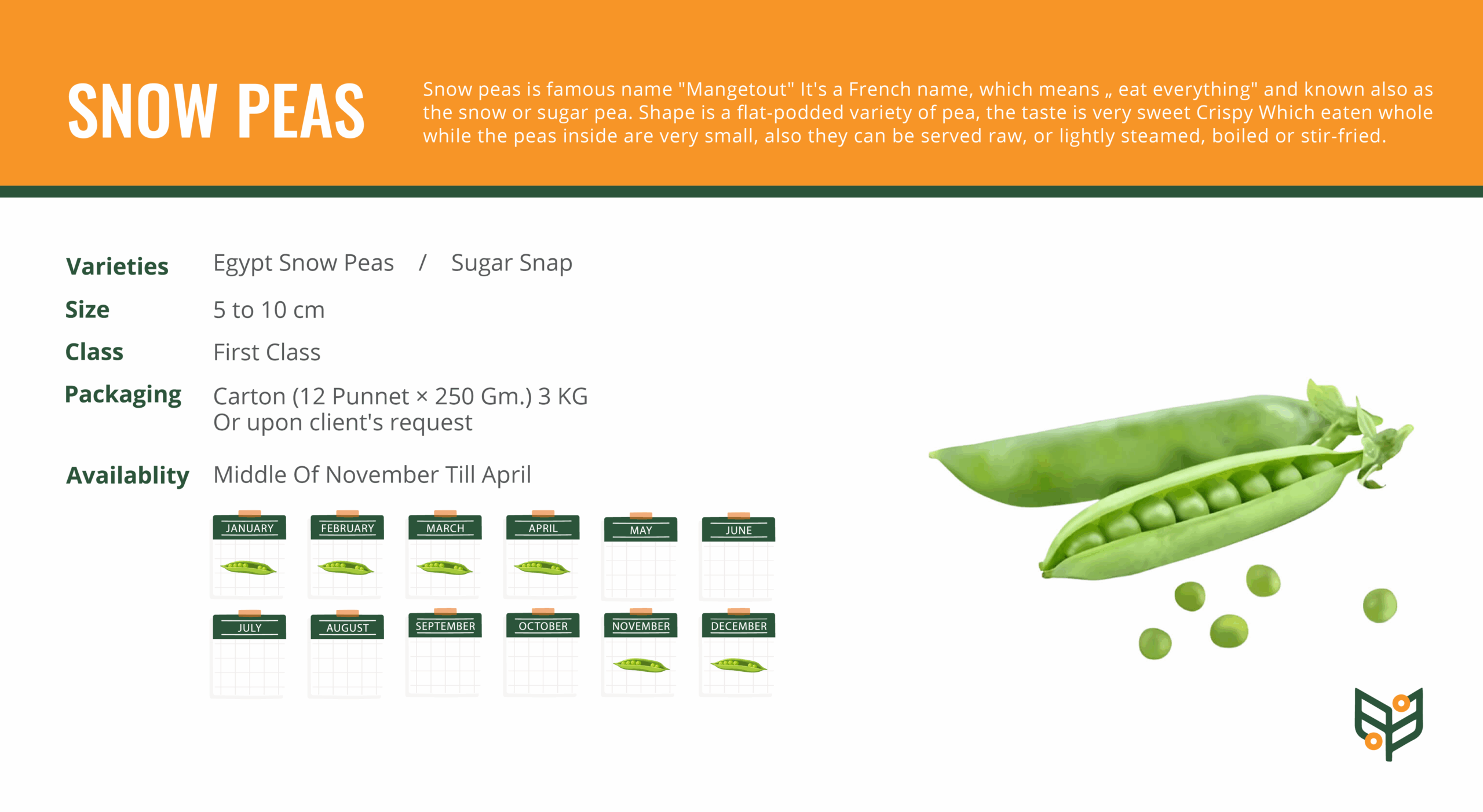
No, snow peas and sugar snap peas are not the same, though they belong to the same species, Pisum sativum. Snow peas are flat with thin walls and immature seeds, while sugar snap peas are a hybrid cross between snow peas and garden peas, featuring rounded pods, thick walls, and a significantly sweeter, crunchier texture.
The world of edible-pod peas can be confusing for home cooks and gardeners alike. While both varieties offer a vibrant green hue and a nutritional boost to various dishes, they possess distinct physical characteristics, flavor profiles, and culinary applications. Understanding these nuances is essential for selecting the right ingredient for your recipe or the right seed for your garden. As of 2026, the popularity of "snacking vegetables" continues to grow, making the distinction between these two staples more relevant than ever.
The Botanical Origins of Edible-Pod Peas
To understand the difference between snow peas and sugar snap peas, we must first look at their lineage. All common peas belong to the species Pisum sativum. Within this species, there are three primary groups: garden peas (English peas), snow peas, and sugar snap peas.
Snow Peas: The Ancient Ancestor
Snow peas, scientifically classified as Pisum sativum var. macrocarpon, have been a staple in Asian cuisine for centuries. They are often referred to as "Chinese pea pods" or "mange-tout" (a French term meaning "eat all"). These peas were specifically bred to be harvested while the pods are still flat and the seeds inside are tiny and undeveloped. The walls of the snow pea are intentionally thin and lack the tough, fibrous "parchment" layer found inside garden pea pods, which is why the entire pod is edible.
Sugar Snap Peas: The Modern Hybrid
Unlike the ancient snow pea, the sugar snap pea is a relatively modern invention. It was developed in the late 1970s by Dr. Calvin Lamborn, a plant breeder in Idaho. Lamborn sought to create a pea that combined the sweetness and thick walls of the garden pea with the edible-pod nature of the snow pea. By crossing a shell pea mutant with a snow pea, he produced the first sugar snap pea, which was introduced to the public in 1979. In the decades since, and continuing into 2026, various cultivars like 'Super Sugar Snap' and 'Sugar Ann' have been refined for better disease resistance and higher yields.
Physical Characteristics: Flat vs. Plump
The easiest way to tell these two varieties apart is by looking at their shape and structure. Because they are harvested at different stages of maturity and have different genetic makeups, their visual cues are quite obvious once you know what to look for.
The Snow Pea Profile
Snow peas are characterized by their strikingly flat appearance. When you hold a snow pea, you can often see the faint outline of the tiny seeds through the translucent, bright green skin. The pods are usually wider than snap peas and can grow quite long, sometimes reaching four to five inches. Because they lack internal mass, they are flexible and slightly translucent. If a snow pea starts to look "bumpy" or rounded, it is usually overripe and may have a tough, stringy texture.
The Sugar Snap Pea Profile
Sugar snap peas are cylindrical and plump. They look like miniature, rounded versions of the English garden pea pod, but unlike the garden pea, the pod wall is thick, juicy, and succulent. When you break a sugar snap pea in half, it emits a distinct "snap," which gives the vegetable its name. The seeds inside are more developed than those in snow peas but remain tender and sweet. The pod wall itself is where most of the sweetness and crunch reside, making them feel much more substantial in the hand and the mouth than snow peas.
Flavor and Texture: Sweetness vs. Savory
While both peas are generally described as "sweet" compared to other green vegetables, their flavor intensities and textures vary significantly.
Culinary Profile of Snow Peas
Snow peas have a mild, slightly grassy, and "green" flavor. They are less sweet than their snap pea cousins. Their texture is tender yet firm, providing a gentle "bite" without being overly crunchy. Because they are so thin, they cook incredibly fast—often in under 60 seconds in a hot wok. This makes them the gold standard for stir-fries and quick sautés, where they can absorb the flavors of soy sauce, ginger, and garlic without losing their vibrant color.
Culinary Profile of Sugar Snap Peas
Sugar snap peas are the "candy" of the pea world. They are remarkably sweet, often compared to the sweetness of fresh corn or baby carrots. The texture is dominated by a heavy crunch; the thick, hydrated walls of the pod provide a satisfying resistance when bitten. This high water content and sugar density make them ideal for eating raw. In 2026, they remain a top choice for vegetable platters, school lunches, and as a healthy alternative to processed snacks. When cooked, they retain their shape and crunch much better than snow peas, making them suitable for roasting or light steaming.
Comparison Summary: Snow Peas vs. Sugar Snap Peas
The following table provides a quick reference for the key differences between these two popular pea varieties.
| Feature | Snow Peas (Pisum sativum var. macrocarpon) | Sugar Snap Peas (Pisum sativum var. macrocarpon ser. cv.) |
|---|---|---|
| Shape | Flat, wide, and thin | Round, cylindrical, and plump |
| Pod Wall | Very thin and translucent | Thick, fleshy, and opaque |
| Seed Maturity | Harvested with tiny, flat seeds | Harvested with medium-sized, round seeds |
| Texture | Tender-crisp, flexible | Very crunchy, firm "snap" |
| Flavor | Mild, grassy, slightly sweet | Intense sweetness, honey-like notes |
| Primary Use | Stir-fries, salads, Asian cuisine | Raw snacking, dipping, roasting, salads |
| Cooking Time | Extremely fast (30–60 seconds) | Fast (1–3 minutes) |
| Prep Requirement | Usually need "stringing" | Often need "stringing" (unless stringless variety) |
Nutritional Value and Health Benefits
Both snow peas and sugar snap peas are nutrient-dense additions to a balanced diet. As of 2026, nutritional science continues to emphasize the importance of whole-food fibers found in edible-pod legumes.
Fiber and Digestion
Because you consume the entire pod, both varieties are excellent sources of dietary fiber. This includes both soluble and insoluble fiber, which aids in digestion, helps maintain healthy cholesterol levels, and promotes a feeling of fullness. Sugar snap peas, having thicker walls, typically offer slightly more fiber per serving than the thinner snow peas.
Vitamin Content
Both peas are rich in:
- Vitamin C: An antioxidant essential for immune function and skin health.
- Vitamin K: Crucial for bone health and proper blood clotting.
- Vitamin A: Important for vision and cellular communication.
One notable difference is that sugar snap peas tend to have a slightly higher calorie and carbohydrate count due to their higher natural sugar content. However, this difference is negligible for most people unless they are on a strictly controlled glycemic diet.
Gardening Insights: Growing for the Harvest
For the home gardener in 2026, choosing between snow peas and sugar snap peas often comes down to harvest window and personal preference. Both are cool-season crops that thrive in the spring and autumn.
Planting and Growth
Both varieties are climbing vines that require support, such as a trellis or pea netting. While "bush" varieties exist for both, the climbing types generally produce higher yields. They prefer well-drained soil and consistent moisture. One common mistake is planting them too late in the spring; as soon as the summer heat hits, pea production usually grinds to a halt as the plants become stressed.
Harvesting Specifics
- Harvesting Snow Peas: You must be vigilant. The window for harvesting the perfect snow pea is narrow. You want to pick them when the pod has reached its full length but before the seeds inside begin to swell. If you wait too long, the pod becomes tough and the seeds become starchy.
- Harvesting Sugar Snap Peas: These are more forgiving. You harvest them when the pods are nice and round. Even if they get a little oversized, they usually stay sweet, though the outer skin can eventually become fibrous if left on the vine for too long.
Proper Preparation and Cooking Techniques
Before you start cooking, both types of peas usually require a small amount of preparation known as "stringing."
How to String a Pea
Most traditional varieties of both snow and snap peas have a fibrous "string" that runs along the top and bottom seams of the pod. This string does not soften during cooking and can be unpleasant to eat. To remove it:
- Pinch the stem end of the pea.
- Snap it downward toward the flat side of the pod.
- Pull the stem away; the string should peel off along the length of the pod.
- Repeat on the other side if necessary.
Many modern cultivars available in 2026 have been bred to be "stringless," but it is always worth checking a few pods before you start your meal prep.
Cooking Best Practices
- For Snow Peas: Flash-cooking is key. Overcooked snow peas become limp, greyish, and lose their delicate flavor. Add them to your stir-fry at the very last minute.
- For Sugar Snap Peas: If you aren't eating them raw, try roasting them with a little olive oil, salt, and pepper at 400°F (200°C) for about 8–10 minutes. This caramelizes the natural sugars and creates a unique, charred sweetness.
Storage and Selection Tips
To get the most out of your purchase or harvest, proper storage is vital.
- Selection: Look for pods that are bright green and feel firm. Avoid any that are yellowing, have dry, shriveled ends, or show signs of spotting. For snow peas, the flatter the better. For sugar snaps, they should feel heavy for their size, indicating high water content.
- Storage: Store unwashed peas in a perforated plastic bag in the refrigerator's crisper drawer. They are best consumed within 3 to 5 days. The longer they sit, the more their natural sugars convert into starch, leading to a loss of flavor.
- Freezing: Both can be frozen, but they must be blanched first. Boil them for 1–2 minutes, then immediately plunge them into an ice bath. This preserves their color and prevents them from becoming mushy when thawed.
Frequently Asked Questions
Can I substitute snow peas for sugar snap peas in a recipe?
Yes, but with caveats. If a recipe calls for sugar snap peas to be eaten raw or used for their crunch, snow peas will be a disappointing substitute because they lack the "snap." Conversely, if a stir-fry recipe calls for snow peas, using sugar snap peas will work, but you may need to cook them slightly longer (an extra minute or two) to soften the thicker walls.
Are snow peas or sugar snap peas healthier?
Neither is objectively "healthier" than the other. They offer very similar nutritional profiles, including high amounts of Vitamin C and Vitamin K. Sugar snap peas have more natural sugar and slightly more fiber, while snow peas are marginally lower in calories. Both are considered excellent choices for a healthy diet.
Why are my snow peas tough and stringy?
Toughness in snow peas usually results from two things: harvesting too late or failing to remove the string. If the seeds inside the pod look like round peas, the snow pea is past its prime. Always check for and remove the fibrous string along the seam before cooking.
Do sugar snap peas need to be shelled?
No. One of the defining characteristics of a sugar snap pea is its edible pod. While you could shell them and eat just the peas inside (which would taste like garden peas), you would be wasting the sweet, crunchy pod that makes them unique.
Why are sugar snap peas more expensive than snow peas?
Pricing can fluctuate based on the region and the year. However, sugar snap peas sometimes carry a premium because they have a higher water content (making them heavier by weight) and are often marketed as a convenient, ready-to-eat snack food, which can drive up demand.
Are there "stringless" versions of these peas?
Yes. Many seed companies and commercial growers now offer "stringless" varieties. For sugar snaps, the 'Sugar Ann' is a famous stringless variety. For snow peas, 'Oregon Sugar Pod II' is widely known for being relatively string-free and highly resistant to common pea diseases.
Final Recommendation
When deciding between snow peas and sugar snap peas, consider the texture you want to achieve. If you are preparing an authentic Asian stir-fry or a delicate salad where you want a tender, flexible green, reach for the snow peas. If you want a vegetable that can stand up to dipping, roasting, or being eaten as a sweet, crunchy snack on its own, sugar snap peas are the superior choice. Both are nutritional powerhouses that deserve a place in the modern 2026 kitchen, providing versatility, color, and a fresh burst of flavor to various culinary traditions.