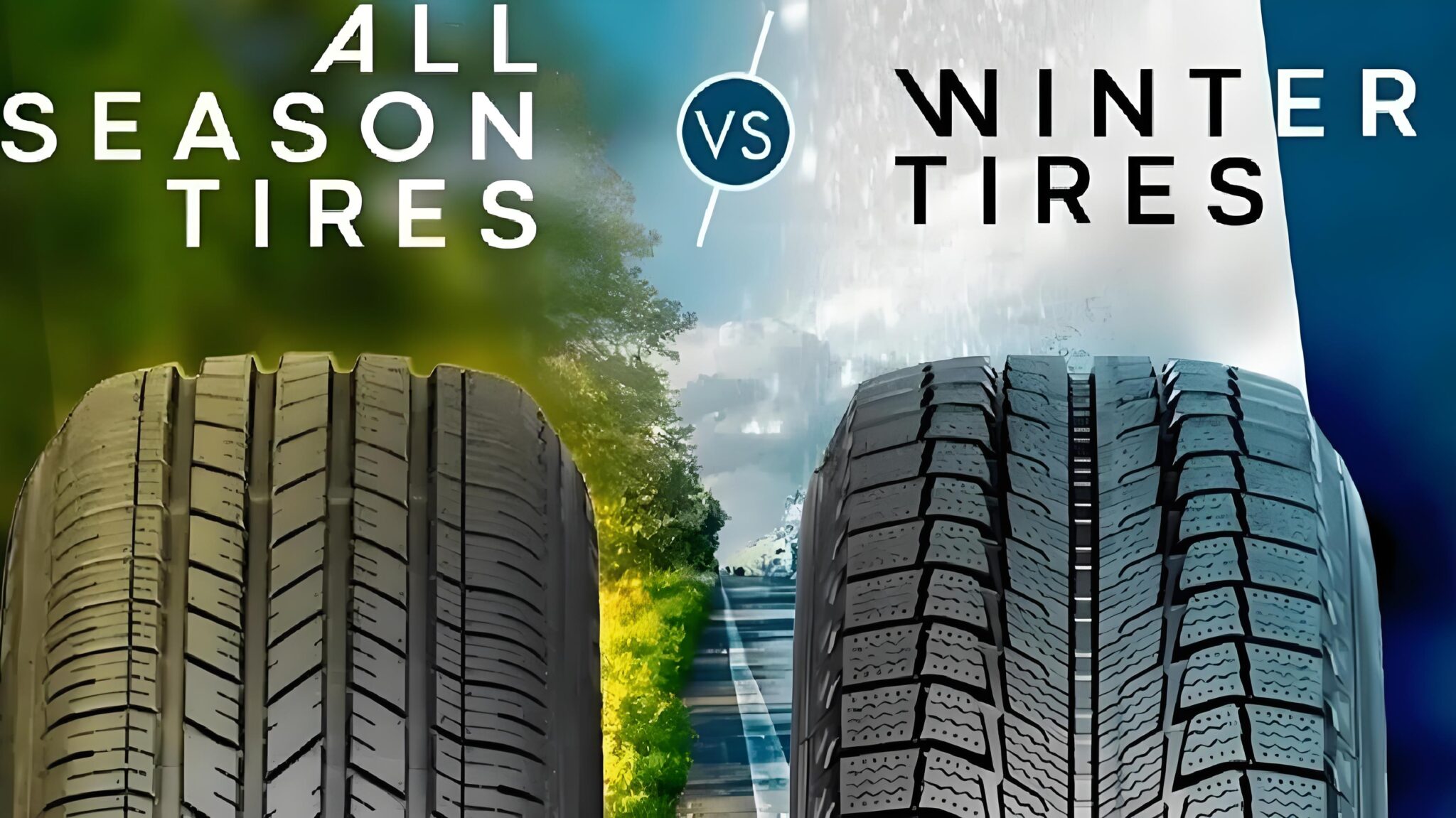
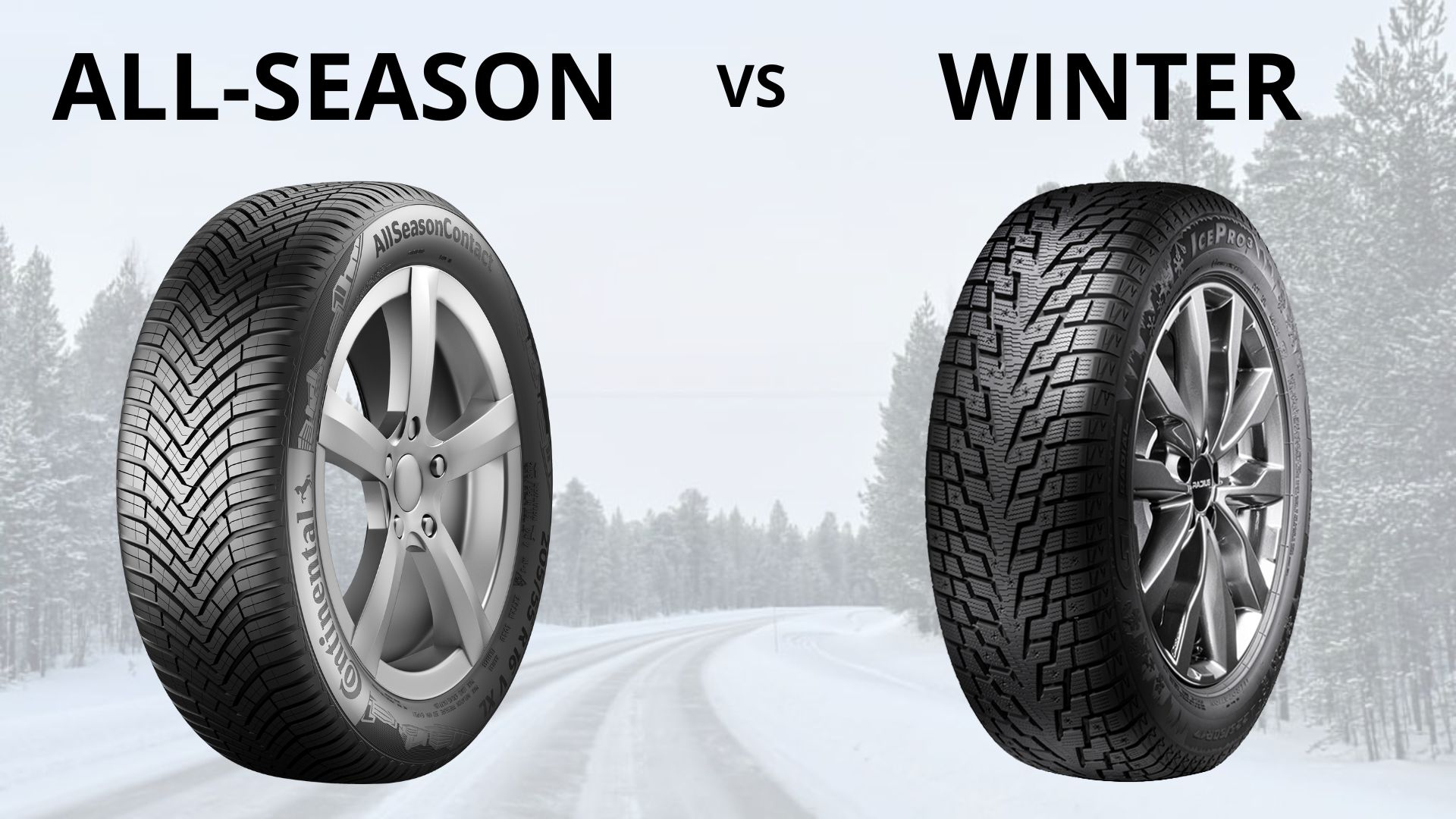
In temperatures consistently below 45°F (7°C), snow tires are significantly better than all-season tires for safety, traction, and braking. While all-season tires provide convenience in mild climates, dedicated winter tires use specialized rubber compounds and aggressive tread patterns to maintain grip on ice and packed snow where all-seasons typically fail.
Selecting the right tire for winter conditions is one of the most critical safety decisions a vehicle owner can make. The debate between "all-season" and "snow tires" (technically called winter tires) often stems from a misunderstanding of what these products are designed to do. As we move through the 2026 winter season, tire technology has advanced, yet the fundamental laws of physics regarding rubber and road contact remain unchanged.
To determine if snow tires are "better" for your specific situation, you must look beyond the name and understand the chemistry, tread mechanics, and performance data that separate these two categories.
The Chemistry of Grip: Why Rubber Compounds Matter
The most significant difference between all-season and snow tires is not the tread pattern, but the chemical composition of the rubber itself. This is a factor often overlooked by consumers who focus solely on the "look" of the tire.
The 45-Degree Threshold
Rubber is a polymer, and like all polymers, it reacts to temperature. All-season tires are designed to handle a wide range of temperatures, from hot summer asphalt to chilly autumn mornings. However, this versatility comes with a physical compromise known as the "glass transition temperature."
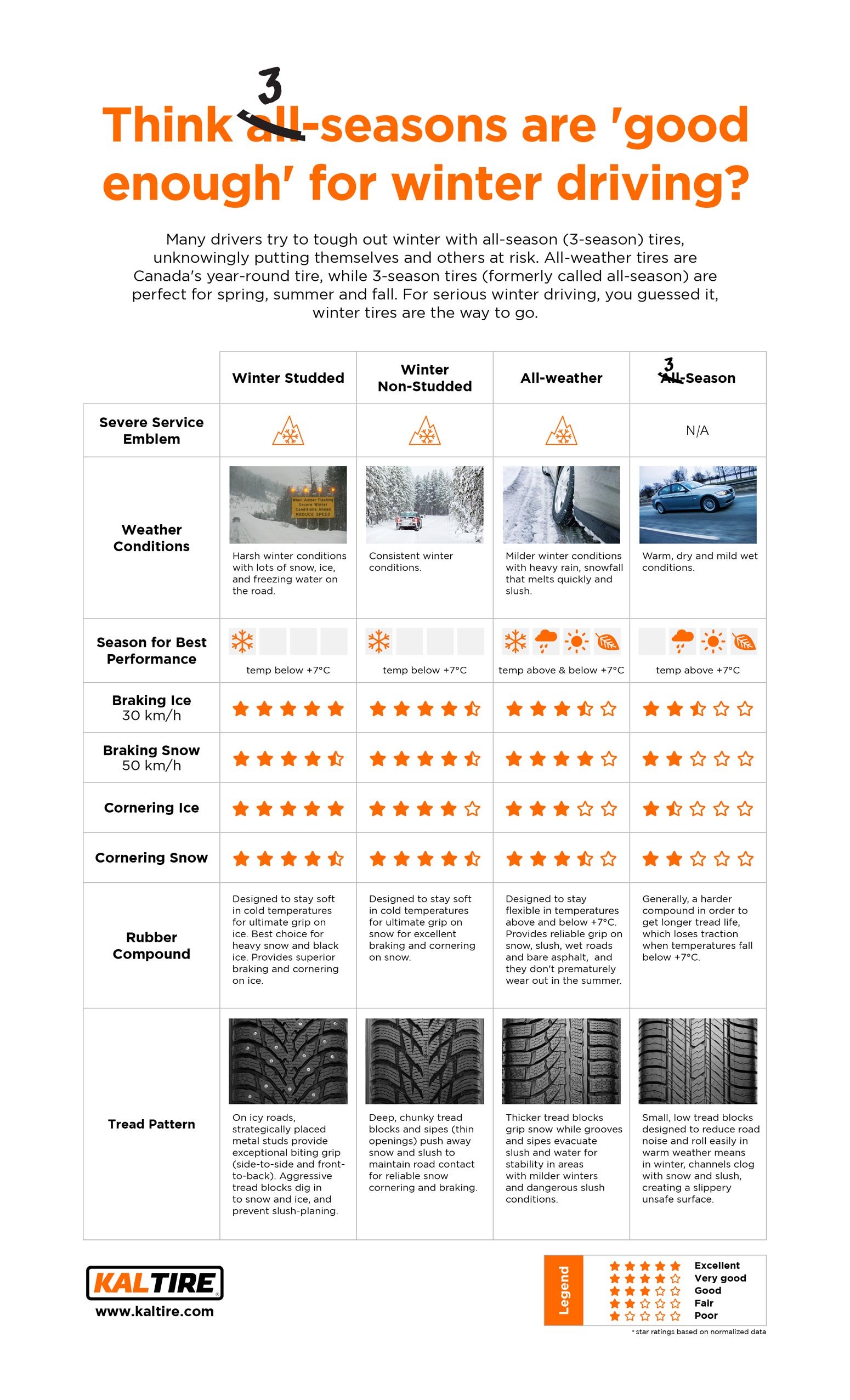
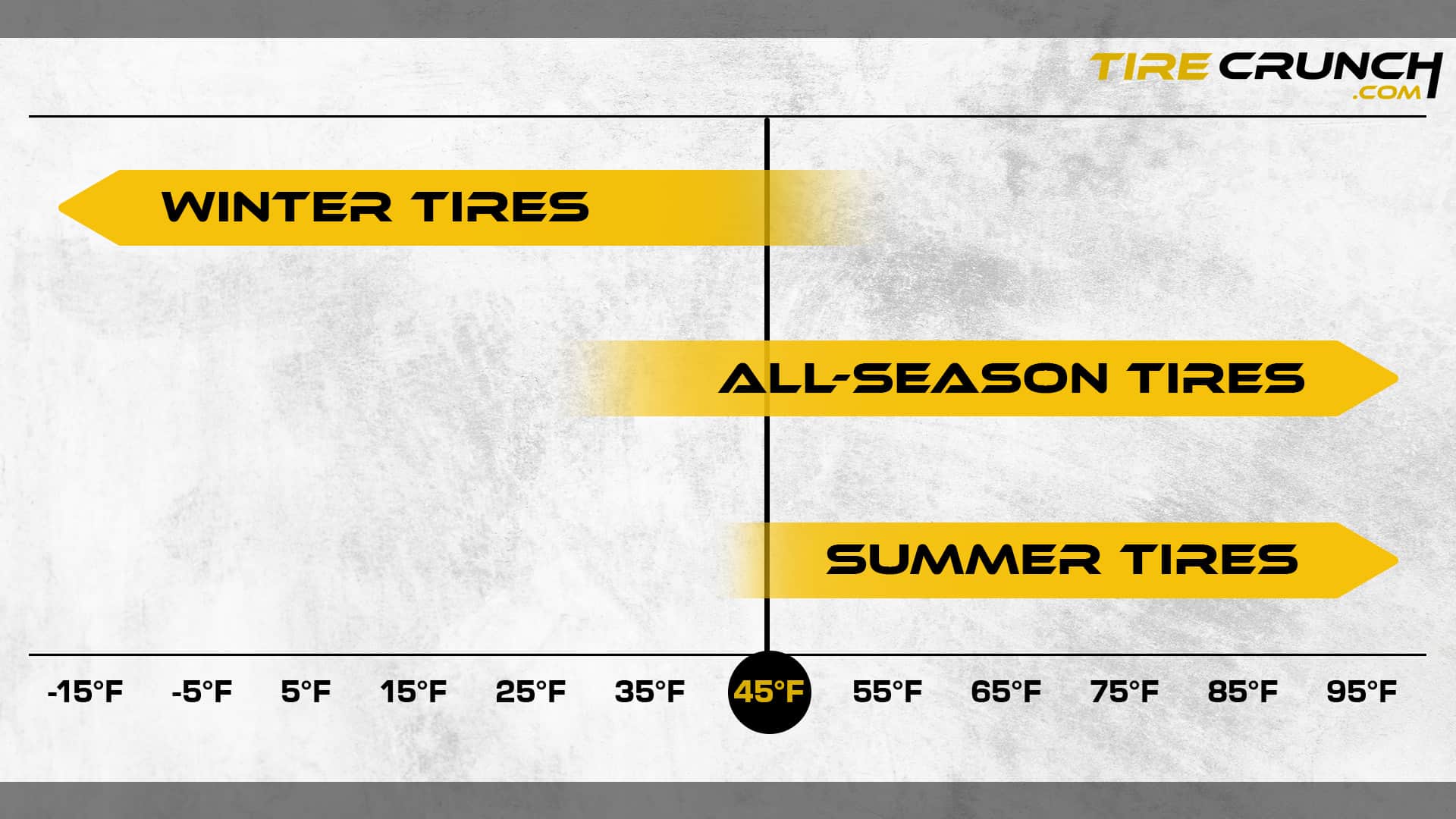
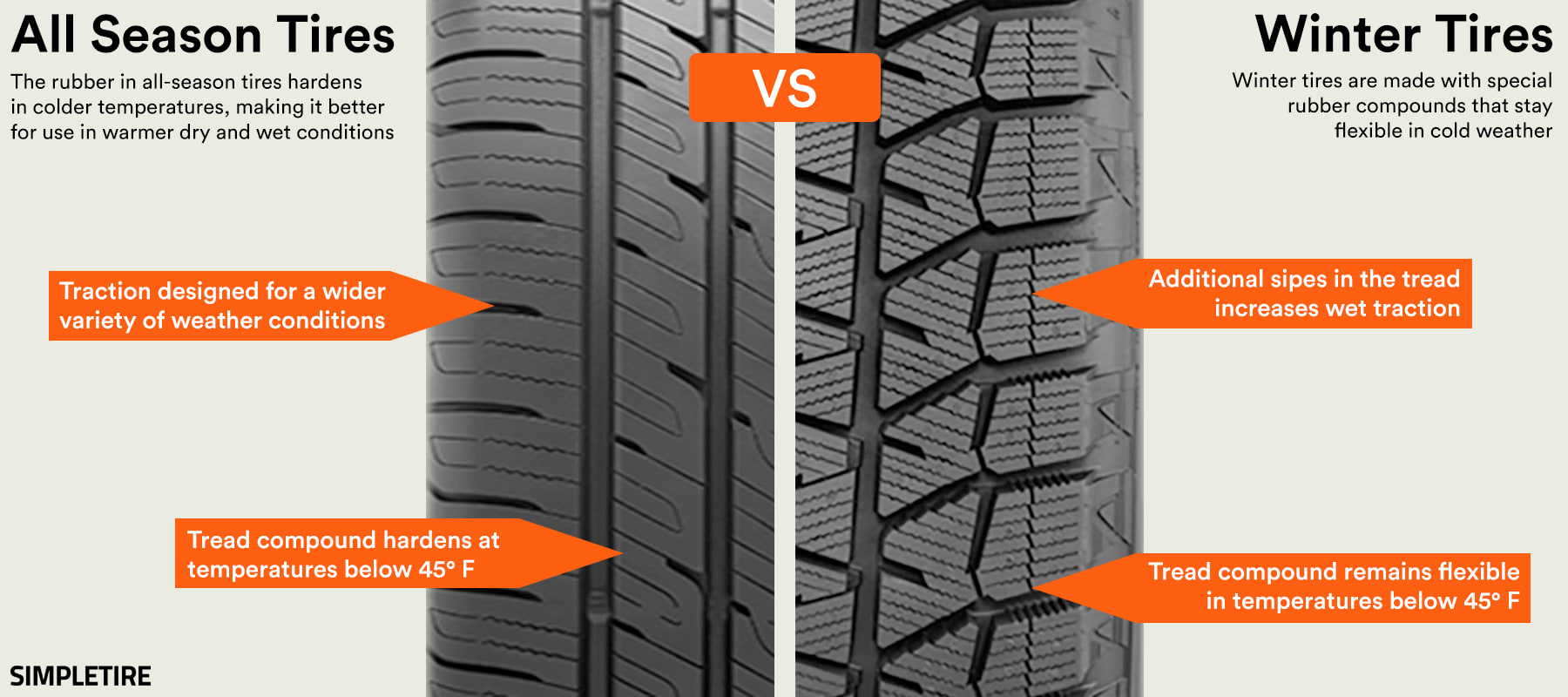
When temperatures drop below 45°F (7°C), the rubber compounds in standard all-season tires begin to harden. As the rubber becomes stiff, it loses its ability to deform and "wrap" around the microscopic imperfections in the road surface. This results in a loss of friction, even on dry pavement.
Winter-Specific Compounds
Snow tires are engineered with high silica content and specialized resins that allow the rubber to remain soft and pliable in sub-freezing temperatures. In 2026, manufacturers have refined these "nanocompounds" to ensure that even at -20°F, the tire remains flexible. This flexibility allows the tire to maintain a consistent contact patch with the road. If the rubber cannot flex, it cannot grip. Therefore, even if there is no snow on the ground, a winter tire is technically "better" than an all-season tire once the ambient temperature stays below the 45-degree mark.
Tread Design and the Mechanics of Snow Traction
While the rubber compound provides the grip, the tread pattern provides the mechanical bite required to move through snow and clear water.
The Role of Sipes
If you look closely at a snow tire, you will see thousands of tiny slits across the tread blocks. These are called sipes. As the tire rolls and the tread block touches the ground, these sipes open up, creating thousands of tiny "biting edges" that grip into ice and snow. Furthermore, these sipes are designed to trap a small amount of snow within the tire. This may seem counterintuitive, but snow-on-snow friction is actually stronger than rubber-on-snow friction. By "packing" snow into the sipes, the tire uses the elements to improve its own traction.
Deep Grooves and Void Ratios
All-season tires typically have a lower "void ratio," meaning more of the rubber is touching the road to provide a quiet, smooth ride and better fuel economy. Snow tires have a much higher void ratio with deeper grooves. These channels are designed to evacuate slush and water away from the contact patch to prevent hydroplaning. In deep snow, these grooves act like paddles, digging into the snow to provide forward momentum.
An all-season tire’s tread is often designed with "closed" shoulders to reduce noise. In contrast, snow tires often feature "open" shoulders that allow them to "bite" into the sides of snow ruts, providing lateral stability that all-seasons simply cannot match.
Performance Metrics: Braking and Cornering Data
The true measure of whether a tire is "better" is found in safety data, specifically stopping distances. Most drivers focus on "getting going," but "stopping" is what prevents accidents.
Braking Distances on Ice and Snow
Independent testing by organizations like the National Highway Traffic Safety Administration (NHTSA) and various automotive research groups consistently shows a stark disparity in performance. On a snow-covered road at 30 mph, a vehicle equipped with winter tires can stop up to 30 to 40 feet shorter than the same vehicle equipped with all-season tires. To put that in perspective, 30 feet is roughly the length of two full-sized sedans. That distance is often the difference between a close call and a serious collision.
Cornering and Lateral Stability
Traction isn't just about starting and stopping; it's about staying on the road. All-season tires tend to "plow" or understeer when turning on slippery surfaces because the tread blocks cannot find purchase. Snow tires, with their aggressive siping and soft rubber, provide the lateral grip necessary to maintain the vehicle's intended path. This is especially vital in emergency swerve maneuvers where the weight of the vehicle shifts rapidly.
The All-Wheel Drive (AWD) Myth
A common misconception among drivers is that having an All-Wheel Drive (AWD) or Four-Wheel Drive (4WD) vehicle eliminates the need for snow tires. This is a dangerous fallacy.
Acceleration vs. Deceleration
AWD is excellent at helping a vehicle accelerate from a stop in slippery conditions because it distributes engine power to all four wheels, looking for any bit of available traction. However, AWD does absolutely nothing to help a vehicle stop or turn.
Every car on the road—whether it is a front-wheel-drive economy car or a heavy 4WD SUV—uses all four wheels for braking. If those four wheels are wrapped in hard, slick all-season rubber, the sophisticated AWD system will not prevent the vehicle from sliding through an intersection. In many ways, AWD can provide a false sense of security, leading drivers to travel at speeds that their tires cannot safely handle. A front-wheel-drive car with snow tires will almost always outperform an AWD car with all-season tires in braking and cornering tests.
All-Season vs. All-Weather Tires: The 2026 Middle Ground
As of 2026, a third category has become increasingly popular: the "All-Weather" tire. It is vital to distinguish these from standard all-season tires.
The Three-Peak Mountain Snowflake (3PMSF) Symbol
Standard all-season tires are often marked with "M+S" (Mud and Snow). This is a geometric rating based on the tread pattern, but it does not require any actual performance testing in cold weather.
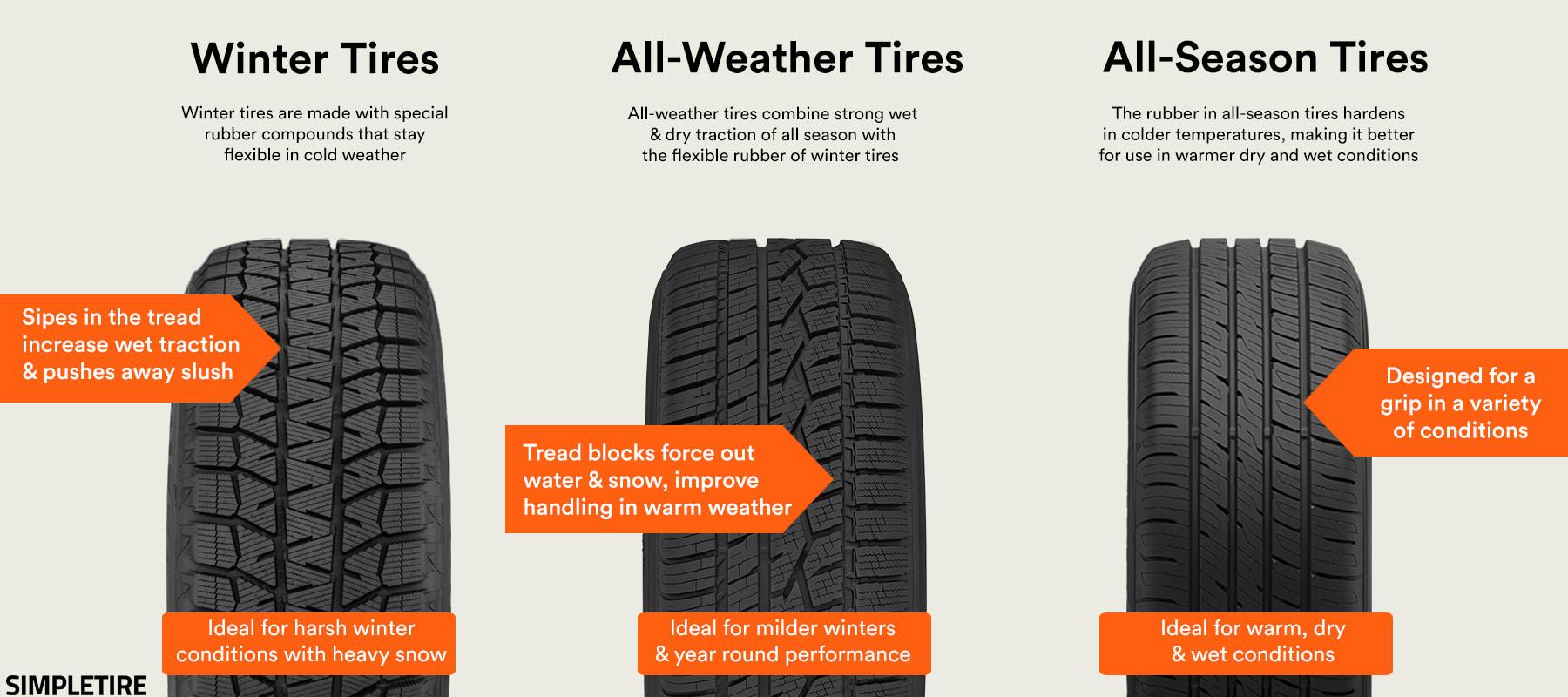
"All-weather" tires, however, carry the Three-Peak Mountain Snowflake (3PMSF) symbol. To earn this, a tire must pass a standardized test for traction on medium-packed snow. All-weather tires are designed to be used year-round like all-seasons, but they utilize a rubber compound that remains more flexible in the cold than a traditional all-season.
While all-weather tires are a significant upgrade over all-seasons for winter driving, they still do not reach the performance levels of a "dedicated" winter tire in extreme ice or deep snow conditions. They are an excellent compromise for drivers in urban areas that see occasional snow but mostly cleared roads.
Comprehensive Comparison Table
| Feature | All-Season Tires | All-Weather Tires | Dedicated Snow/Winter Tires |
|---|---|---|---|
| Rubber Compound | Hardens below 45°F (7°C) | Stays flexible to approx. 10°F | Remains soft well below 0°F |
| Tread Pattern | Smooth blocks, few sipes | Moderate siping, 3PMSF rated | Aggressive siping, deep grooves |
| Ice Performance | Poor | Average | Excellent |
| Deep Snow Grip | Very Low | Moderate | High |
| Dry Warm Pavement | Excellent | Good | Average (faster wear) |
| Stopping Distance | Longest in cold/snow | Moderate | Shortest in cold/snow |
| Year-Round Use | Yes | Yes | No (swap in spring) |
Financial and Logistical Considerations
One of the primary reasons drivers avoid snow tires is the perceived cost. However, the economics of owning two sets of tires are often misunderstood.
The "Double Life" Factor
When you run snow tires for four or five months of the year, your all-season tires are sitting in storage. This means your all-season tires will last twice as many calendar years as they would otherwise. While you have the upfront cost of buying the second set, you are effectively delaying the purchase of your next set of all-seasons. Over the 5-to-10-year lifespan of a vehicle, the cost difference is often negligible, especially when considering the potential cost of an insurance deductible following a winter accident.
Storage and Changing
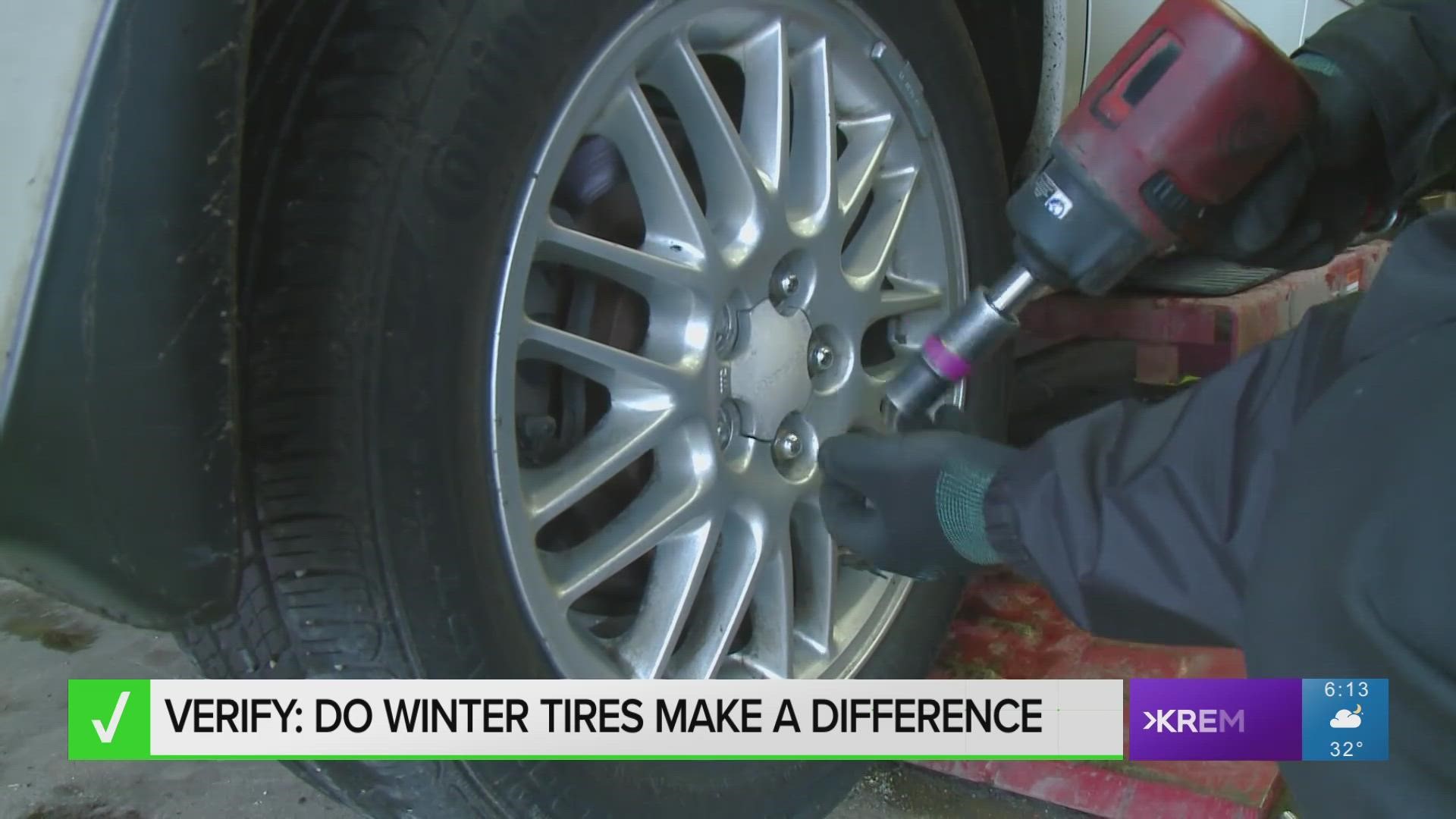
The main "cost" of snow tires is convenience. You must have a place to store the off-season set, and you must pay for a seasonal swap (or do it yourself). Many drivers choose to mount their snow tires on a second set of inexpensive steel wheels. This makes the seasonal change faster and protects the more expensive alloy wheels from the corrosive effects of road salt and brine used in 2026 winter maintenance.
Insurance Benefits
In some jurisdictions, insurance companies are required by law or company policy to provide a discount to drivers who use dedicated winter tires. Even where not mandated, some providers offer 2% to 5% premium reductions because the statistical likelihood of a "loss event" is significantly lower with proper equipment.
When Should You Choose Snow Tires?
The decision to buy snow tires should be based on your geography and your "need to be out."
- The Temperature Rule: If you live in a region where the temperature is consistently below 45°F for several months, snow tires are the safer choice, regardless of how much it actually snows.
- The Reliability Rule: If you have a job or lifestyle that requires you to drive regardless of the weather (e.g., healthcare workers, emergency responders), snow tires are essential.
- The Terrain Rule: If you live in a hilly or mountainous area, all-season tires will frequently leave you stranded or sliding backward, whereas snow tires provide the "bite" needed to climb inclines.
If you live in a climate like the Southern United States where temperatures only occasionally dip and snow is a once-a-year anomaly that shuts down the city anyway, a high-quality set of all-season or all-weather tires is likely sufficient.
Common Mistakes to Avoid
- Only Installing Two Snow Tires: Never install only two snow tires on the drive wheels. This creates a massive traction imbalance. If you put them on the front of a FWD car, the rear will have no grip and will likely fishtail during braking. Always install a matched set of four.
- Leaving Snow Tires on in Summer: Because the rubber is so soft, driving snow tires on hot pavement in 80°F+ weather will cause them to wear out incredibly fast. The handling will also feel "squishy" and unresponsive.
- Waiting for the First Storm: The best time to install snow tires is when the temperature begins to hover around 45°F (7°C) in the morning. Waiting for the first blizzard often means long wait times at tire shops and dangerous driving conditions on the way there.
Frequently Asked Questions
Do I really need snow tires if I have All-Wheel Drive?
Yes. AWD helps you accelerate, but it does not help you stop or turn on ice. Tires are the only part of the vehicle in contact with the road. If the tire rubber is too hard to grip the surface, AWD components cannot compensate for the lack of friction.
Can I use "All-Weather" tires instead of snow tires?
All-weather tires (with the 3PMSF symbol) are a great option if you live in a place with light-to-moderate snow. However, for extreme cold (below 0°F) or heavy, unplowed snow, dedicated winter tires still offer superior safety and performance due to their even softer rubber compounds.
How long do snow tires last?
Generally, snow tires last between three and five seasons, depending on mileage and how quickly you remove them in the spring. Most winter tires have a "winter wear bar"; once the tread wears past a certain point (usually 5/32" or 6/32"), they lose their effectiveness in deep snow even if they still look like they have tread left.
Are snow tires louder than all-season tires?
Historically, yes. However, in 2026, tread pitch sequencing technology has made modern snow tires much quieter than their predecessors. While there may still be a slight increase in road hum due to the aggressive tread, the gap has narrowed significantly.
Can I just lower my tire pressure for better winter traction?
No. You should always follow the manufacturer's recommended tire pressure found on the driver’s side door jamb. Lowering pressure can cause the tire to become unstable, increase wear, and potentially cause the bead to unseat from the rim. In fact, tire pressure naturally drops in the cold, so you should check it regularly in winter to ensure it hasn't fallen too low.
Final Recommendation
If you live in a climate where winter temperatures stay below 45°F, snow tires are objectively better than all-season tires. They provide a level of safety and control that no electronic system (ABS, Traction Control, AWD) can replicate. For the highest level of safety, invest in a dedicated set of four winter tires mounted on separate wheels. If your winters are mild or you primarily drive on well-plowed urban roads, a 3-Peak Mountain Snowflake (3PMSF) certified all-weather tire is the best alternative to a dedicated winter set.