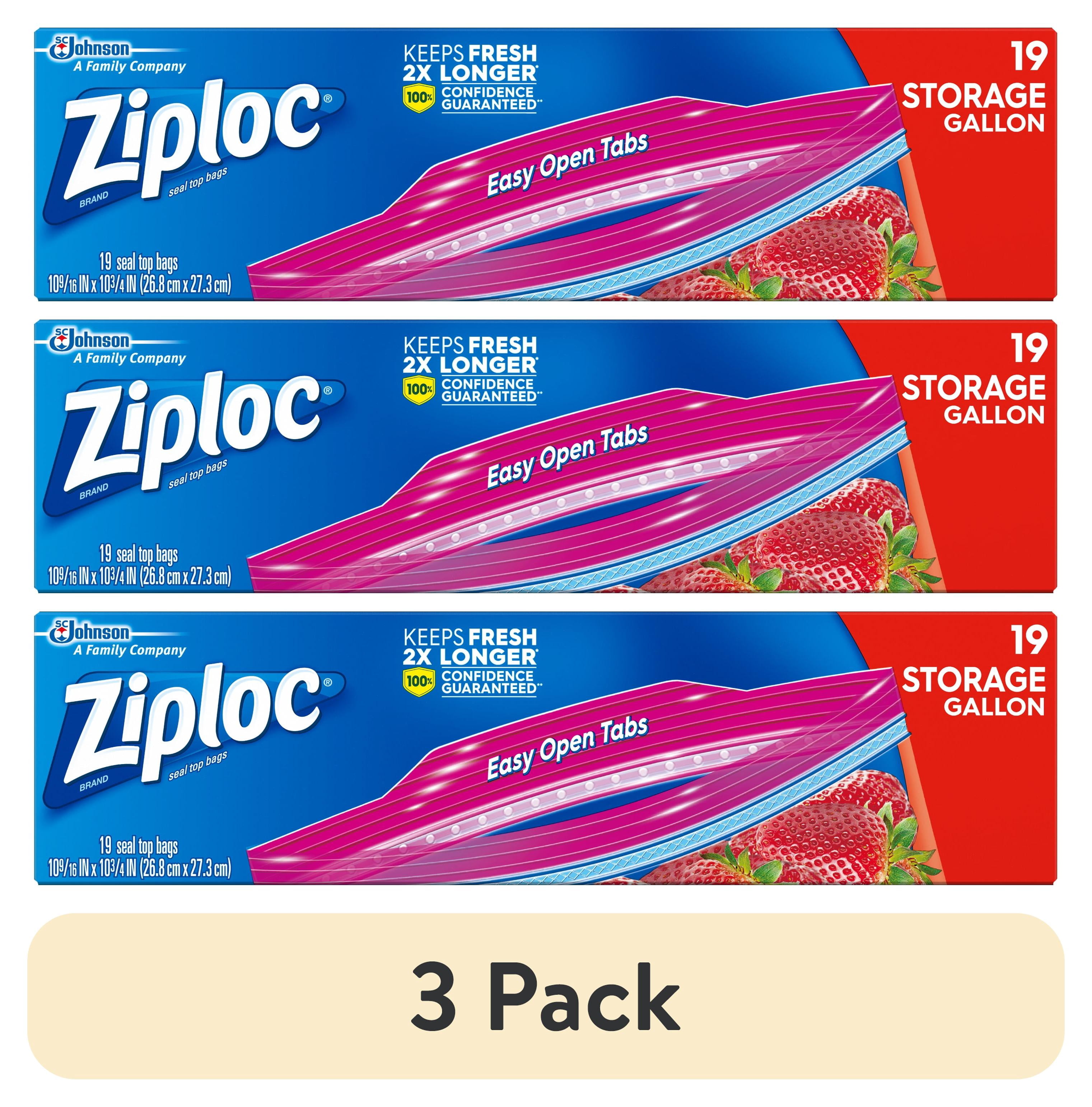
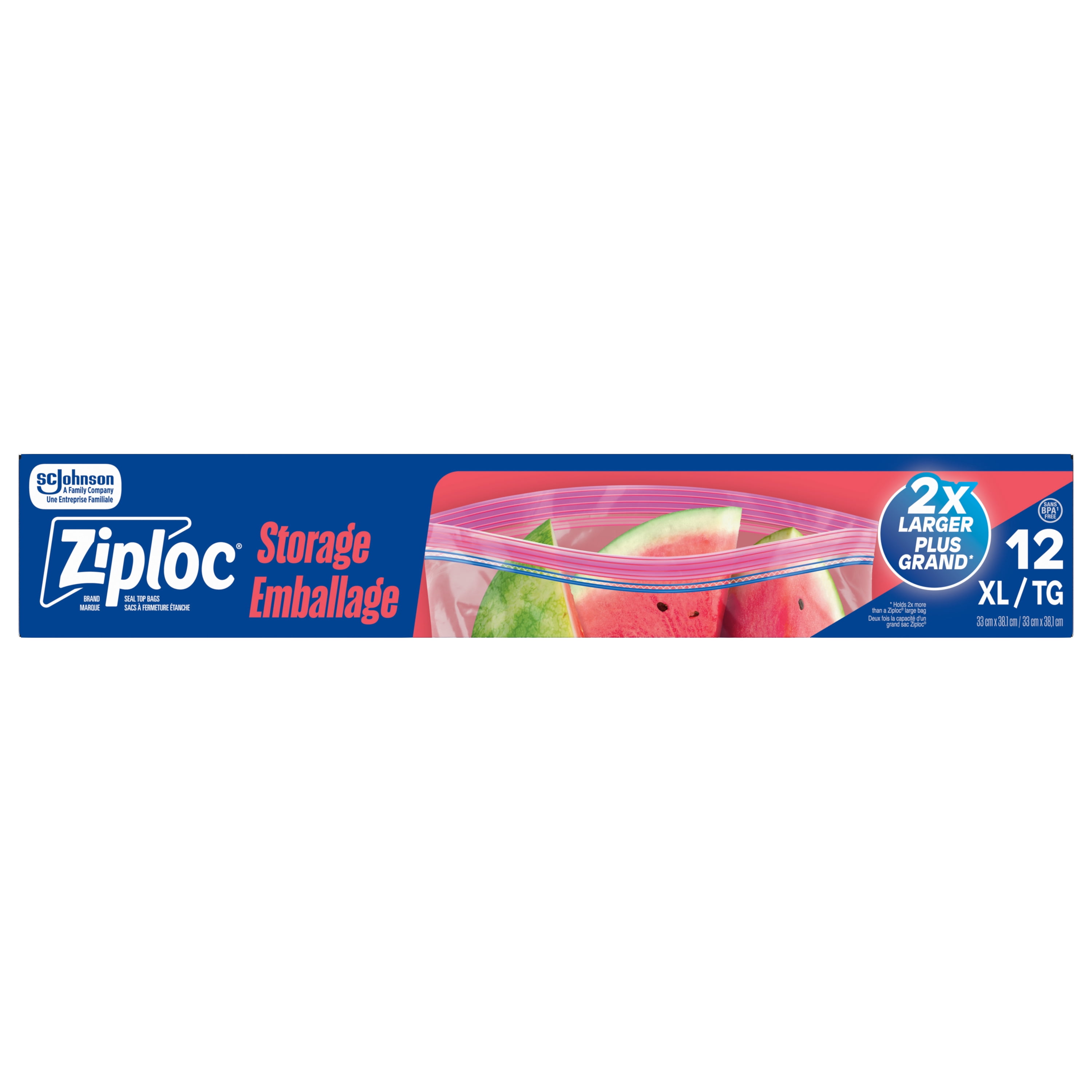
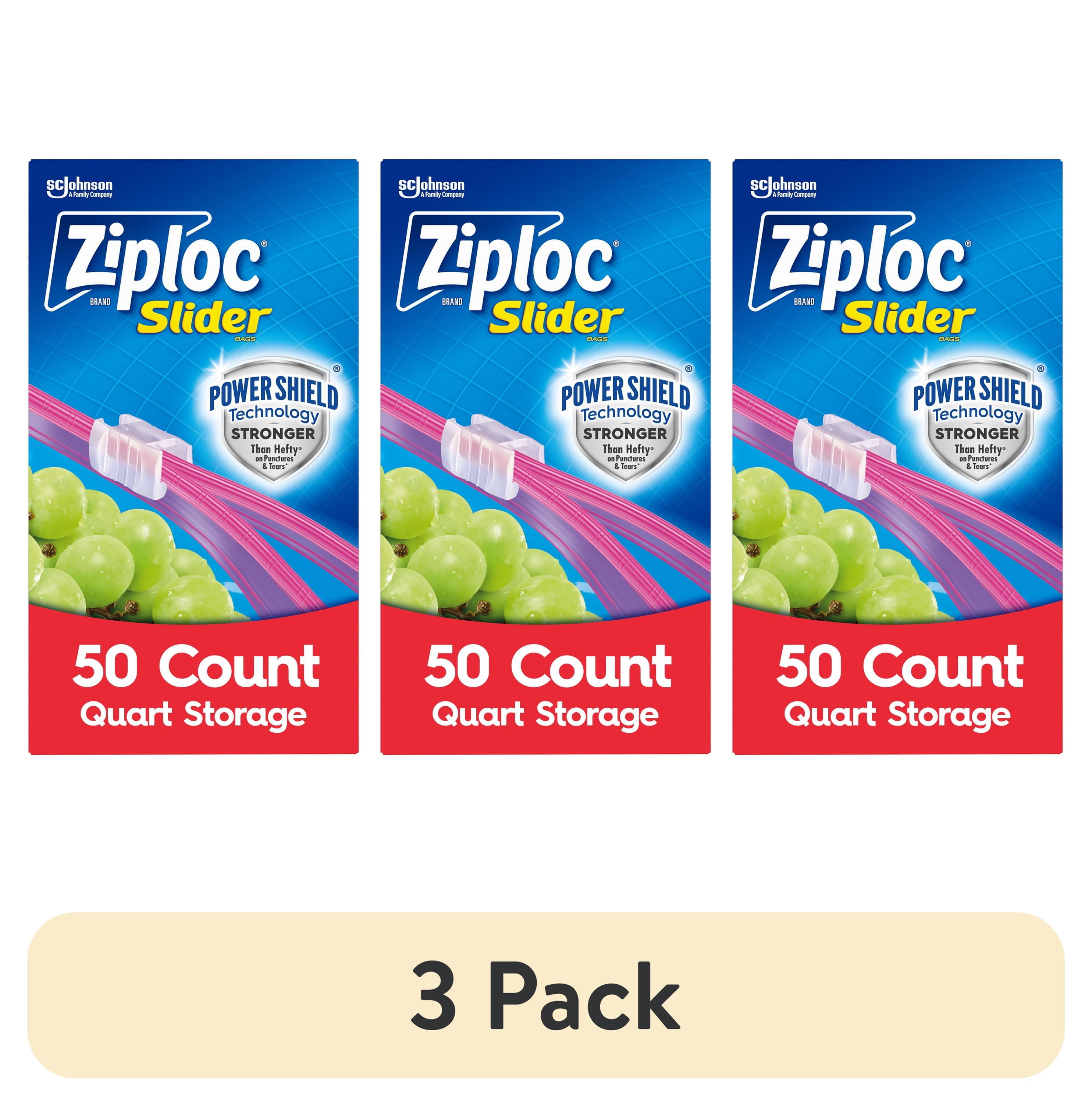
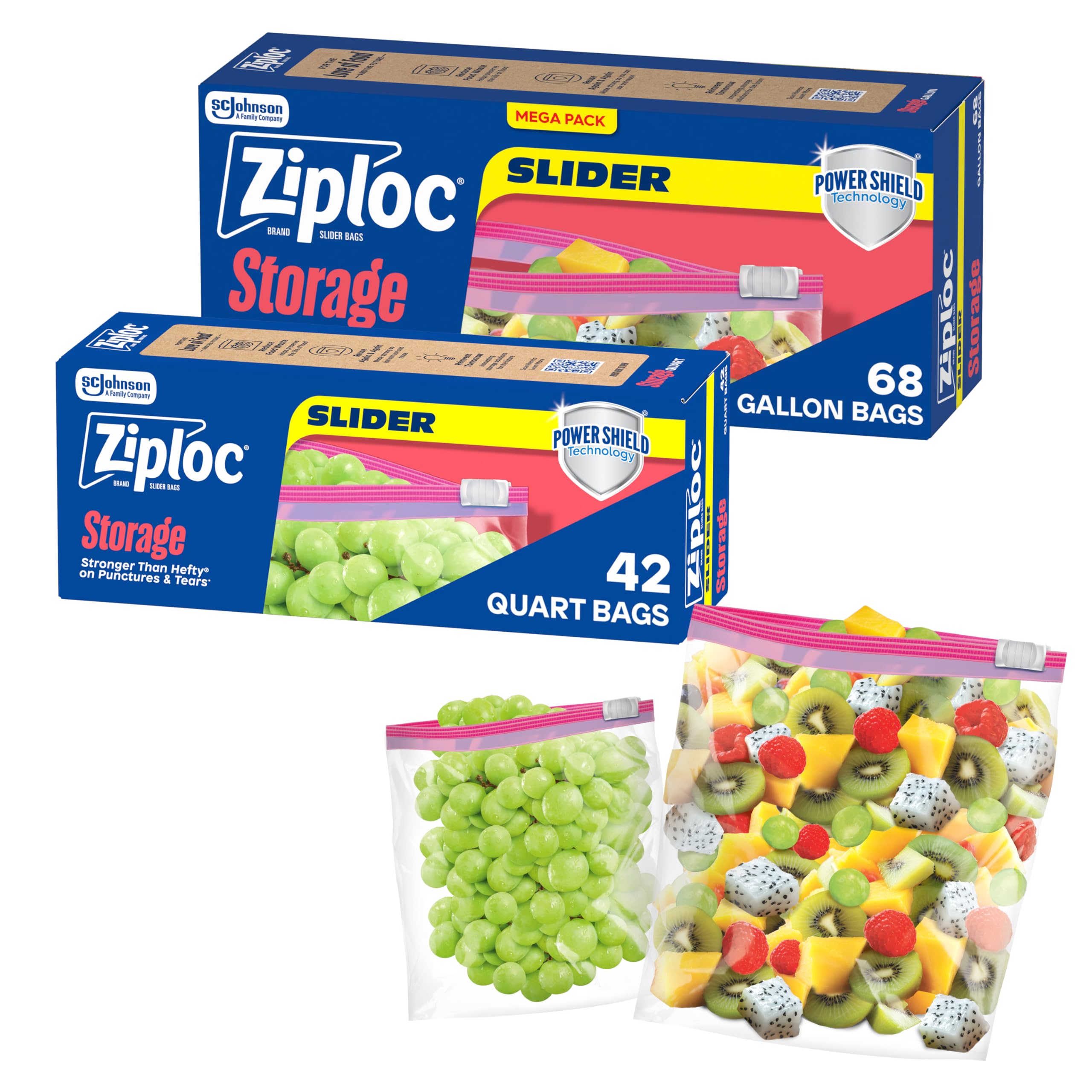
Ziploc storage bags are highly worth using for student storage because they offer an unparalleled combination of visibility, moisture protection, and space efficiency at a lower price point than rigid plastic bins. While they lack the structural protection of hard-sided containers, their ability to compress soft goods and organize small items makes them an essential tool for dorm life and seasonal moves.
The Role of Specialized Storage in the 2026 Student Experience
As of 2026, the landscape of student living continues to be defined by high density and frequent mobility. Whether residing in a traditional university dormitory, a co-living space, or a shared apartment, students face the perennial challenge of maximizing limited square footage. Storage solutions are no longer just about "keeping things;" they are about the strategic management of a lifestyle that changes every semester.
Ziploc, a brand synonymous with resealable polyethylene bags, has expanded its product line far beyond the kitchen. For students, the "Big Bags" and "Flexible Totes" series have become staples. These products are designed to handle the rigors of moving day and the stagnant environment of under-bed storage. To determine if they are worth the investment, one must evaluate them based on durability, cost-effectiveness, and their specific utility in a student's unique living cycle.
Analyzing the Utility of Ziploc Big Bags for Dorm Life
When students ask if Ziploc bags are "worth it," they are usually comparing them to two alternatives: cardboard boxes and rigid plastic bins. The Ziploc Big Bag line—available in Large, XL, and XXL sizes—occupies a middle ground that provides specific advantages.
Transparency and Visual Organization
One of the most significant psychological and practical benefits of using Ziploc bags is their transparency. In a cramped dorm room, finding a specific sweater or a set of bed linens can involve rummaging through opaque bins, creating a mess in the process. Ziploc bags allow students to see the exact contents without breaking the seal. This visual access reduces the time spent searching and helps maintain the organization of the storage area over long periods.
Protection Against Environmental Factors
Dormitories and off-campus storage units are not always climate-controlled or pest-free. Ziploc bags provide a reliable barrier against dust, moisture, and common pests like moths or silverfish. For students storing winter coats or extra bedding over a humid summer break, the airtight (or near-airtight) seal of a heavy-duty Ziploc bag is far superior to a cardboard box, which can absorb moisture and attract insects.
Weight and Portability
Unlike heavy plastic totes, Ziploc bags weigh almost nothing. For a student who may not have a car and needs to move belongings via public transit or a rideshare, every pound saved is a benefit. The built-in handles on the larger Ziploc sizes are reinforced to handle the weight of clothing and linens, making them easy to carry up several flights of stairs in older residence halls.
Durability and Material Science: Can They Handle the Load?
A common concern is whether a plastic bag can truly survive a four-year degree. Ziploc bags are typically made from Low-Density Polyethylene (LDPE). In 2026, the manufacturing process for these bags has been refined to increase puncture resistance while maintaining flexibility.
Tensile Strength and Seams
The "worth" of a Ziploc bag often comes down to its seams. The heavy-duty versions designed for storage feature pleated bottoms and reinforced side seals. While they are not meant for sharp objects—like metal desk organizers or heavy tools—they are remarkably resilient when filled with textiles. A student can pack an XXL bag with three thick comforters, and the bag will maintain its integrity even when stacked.
Reusability vs. Single-Use
From a sustainability and cost perspective, the reusability of Ziploc bags is a key factor. If handled with care, these bags can last through multiple move-in and move-out cycles. However, they are prone to "pinhole" leaks if dragged across rough concrete or if overstuffed to the point of stressing the plastic. For a student on a budget, treating these as multi-year assets rather than disposable items significantly increases their value.
Comparing Ziploc Storage Bags to Alternative Solutions
To provide a clear picture of where Ziploc stands in 2026, we must look at how they perform against traditional storage methods across several categories relevant to students.
| Feature | Ziploc Big Bags | Rigid Plastic Bins | Vacuum Seal Bags |
|---|---|---|---|
| Visibility | High (Clear plastic) | Low to Medium | High (Clear plastic) |
| Weight | Extremely Light | Heavy | Light |
| Space Efficiency | High (Conforms to shape) | Low (Fixed dimensions) | Highest (Compresses items) |
| Protection | Moisture/Dust/Pests | Impact/Moisture/Pests | Moisture/Dust/Pests |
| Durability | Moderate | Very High | Moderate (Prone to leaks) |
| Cost (per unit) | $2.50 - $5.00 | $10.00 - $25.00 | $4.00 - $8.00 |
Ziploc vs. Rigid Bins
Rigid bins are the gold standard for protecting fragile items like electronics or glass. However, they are inefficient for "soft" storage. A half-full plastic bin takes up the same amount of space as a full one. In contrast, a Ziploc bag collapses as it is emptied, allowing it to be tucked away in a drawer when not in use. For students with limited floor space, the flexibility of the bag is a major "pro."
Ziploc vs. Vacuum Seal Bags
While Ziploc makes a "Space Bag" version that requires a vacuum, their standard Big Bags allow for a manual version of compression. By sitting on the bag to expel air before sealing the last inch, a student can reduce the volume of clothing by 30-50%. This is often "good enough" for dorm storage without the hassle of finding a vacuum cleaner on moving day.
Practical Scenarios: Where Ziploc Bags Shine
Understanding the "worth" of these bags requires looking at specific use cases encountered during the academic year.
The Seasonal Swap
Most students do not have enough closet space for both their winter and summer wardrobes. Ziploc XL bags are ideal for storing bulky sweaters and puffer jackets during the spring. Because the bags are flexible, they can be slid under a bed or placed on a high closet shelf that wouldn't accommodate a rectangular bin.
The "Go-Bag" for Laundry
Many students use the Large or XL Ziploc bags as organized laundry liners. By keeping clean clothes in bags within a laundry basket, they ensure that if they have to carry their laundry through rain or snow to a different building, their clothes stay dry.
Protecting Academic Materials
While primarily used for textiles, Large Ziploc bags (the gallon or two-gallon sizes) are excellent for protecting expensive textbooks and tablets from spills inside a backpack. In 2026, where digital devices are ubiquitous but often supplemented by specialized printed materials, this "bag-within-a-bag" strategy prevents catastrophic damage from a leaky water bottle.
Cost-Benefit Analysis for the Modern Student
Is the price tag of a Ziploc-branded bag justified over a generic store brand? In most cases, yes. The primary difference lies in the "zipper" mechanism. Cheaper alternatives often use a single-track seal that is prone to popping open under pressure. Ziploc’s dual-track or slider seals are more reliable for long-term storage where the bag might be moved or squeezed.
In 2026, a pack of 3 XXL Big Bags typically retails between $12 and $15. Compared to a single high-quality plastic tote that costs $20, the Ziploc bags provide more storage volume per dollar. Furthermore, the ability to fold them up and store them in a pocket when empty means they won't become an encumbrance during the semester—a hidden "cost" of rigid bins that many students overlook.
Common Mistakes to Avoid
To ensure Ziploc bags remain a "worthwhile" investment, students should avoid these common pitfalls:
- Overfilling: Forcing the seal to close can cause the plastic to stretch or the zipper to fail over time.
- Storing Sharp Objects: Pen nibs, cornered notebooks, or hangers can easily puncture the LDPE material.
- Dragging: The bags are tough, but they are not abrasion-proof. Always lift the bags by the handles or the base.
- Incomplete Sealing: Always double-check the track. A bag that is 99% sealed offers 0% protection against moisture and moths.
Frequently Asked Questions
Are Ziploc Big Bags waterproof for outdoor storage?
They are highly water-resistant and will protect contents from rain or splashes during a move. However, they are not rated for submersion or for being left outdoors in the elements for extended periods. The plastic can degrade under UV exposure, and temperature fluctuations can cause condensation inside the bag if it wasn't perfectly dry when sealed.
Can I store heavy textbooks in XL Ziploc bags?
While the plastic is strong, the handles are the weak point for heavy items. If you use them for books, do not fill them to capacity, as the weight will make the bag difficult to carry without tearing. It is better to use them for protecting books from moisture within a more supportive container.
How do I get the most air out of a Ziploc bag without a vacuum?
Zip the bag almost all the way across, leaving about one inch open. Slowly fold or roll the bag starting from the bottom to push the air toward the opening. Once the air is expelled, quickly zip the remaining inch. This "manual compression" is very effective for clothing and bedding.
Are Ziploc bags better than cardboard boxes for long-term storage?
Yes. Cardboard is acidic, which can yellow fabrics over time, and it provides no protection against humidity or pests. Ziploc bags are chemically inert and provide a much better environment for long-term textile preservation.
Can I wash and reuse Ziploc storage bags?
Yes, you can. Use a damp cloth with mild soap to wipe the interior and exterior. Ensure the bag is completely dry before resealing it, as any trapped moisture can lead to mold or mildew growth on the stored items.
Final Recommendation
For the average student, Ziploc storage bags are an essential and worthwhile investment. They should not be used as a replacement for all storage—heavy or fragile items still require rigid bins—but for 80% of a student’s belongings (clothes, bedding, towels, and soft gear), Ziploc bags offer the best balance of price, protection, and space-saving flexibility. By choosing the Ziploc brand over generic versions, you ensure a more reliable seal that can survive the transition from the dorm to the storage unit and back again for several academic years.