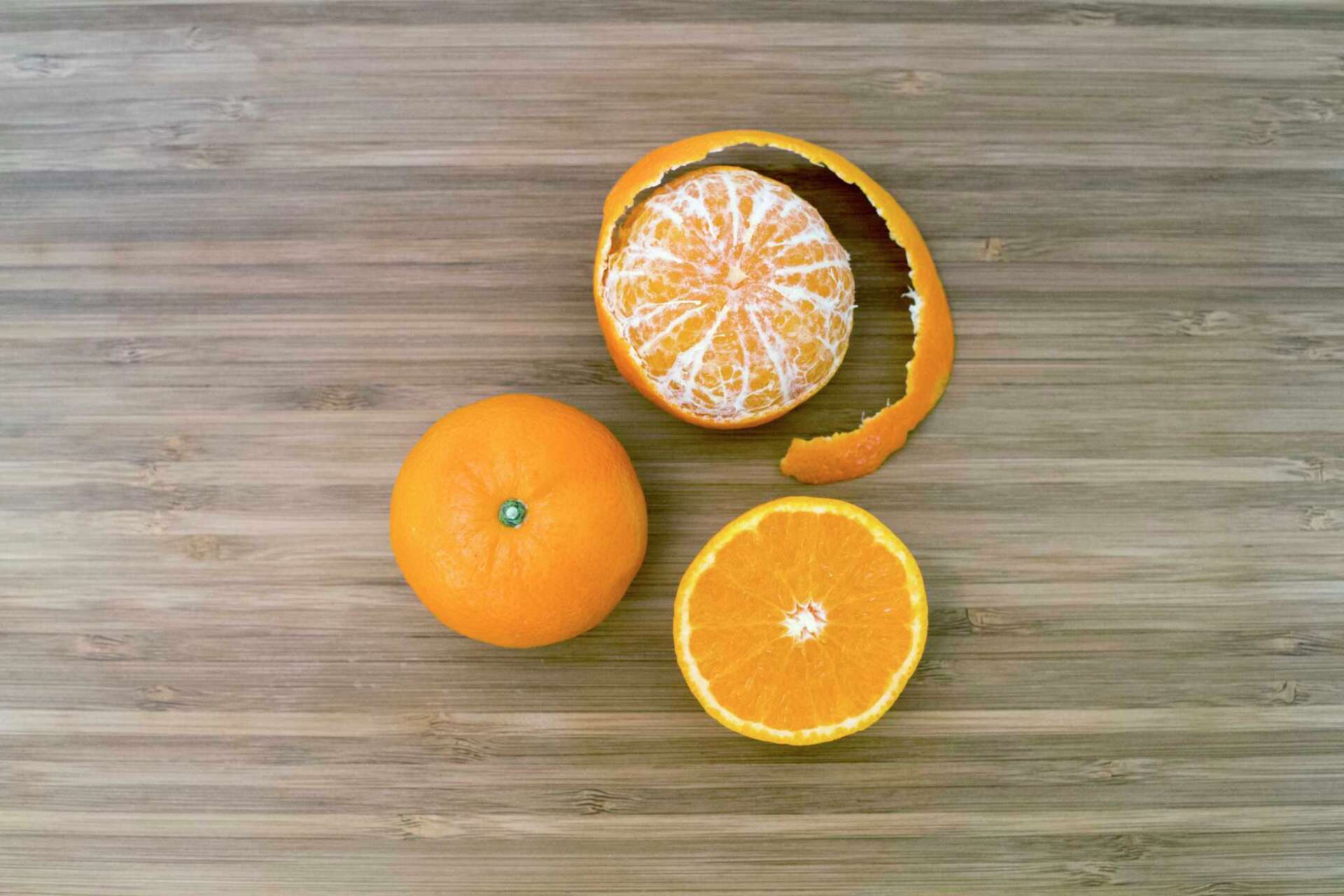
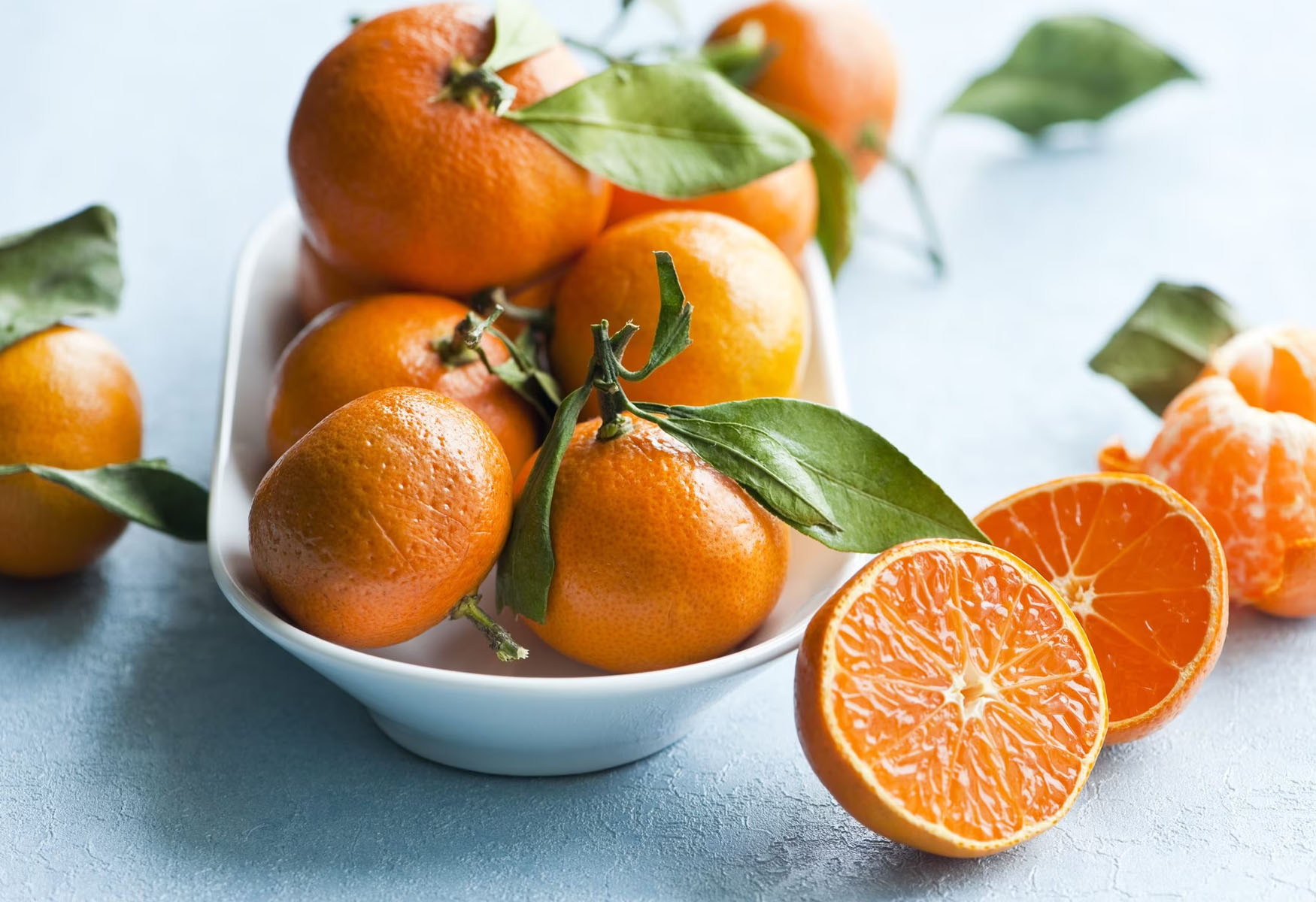
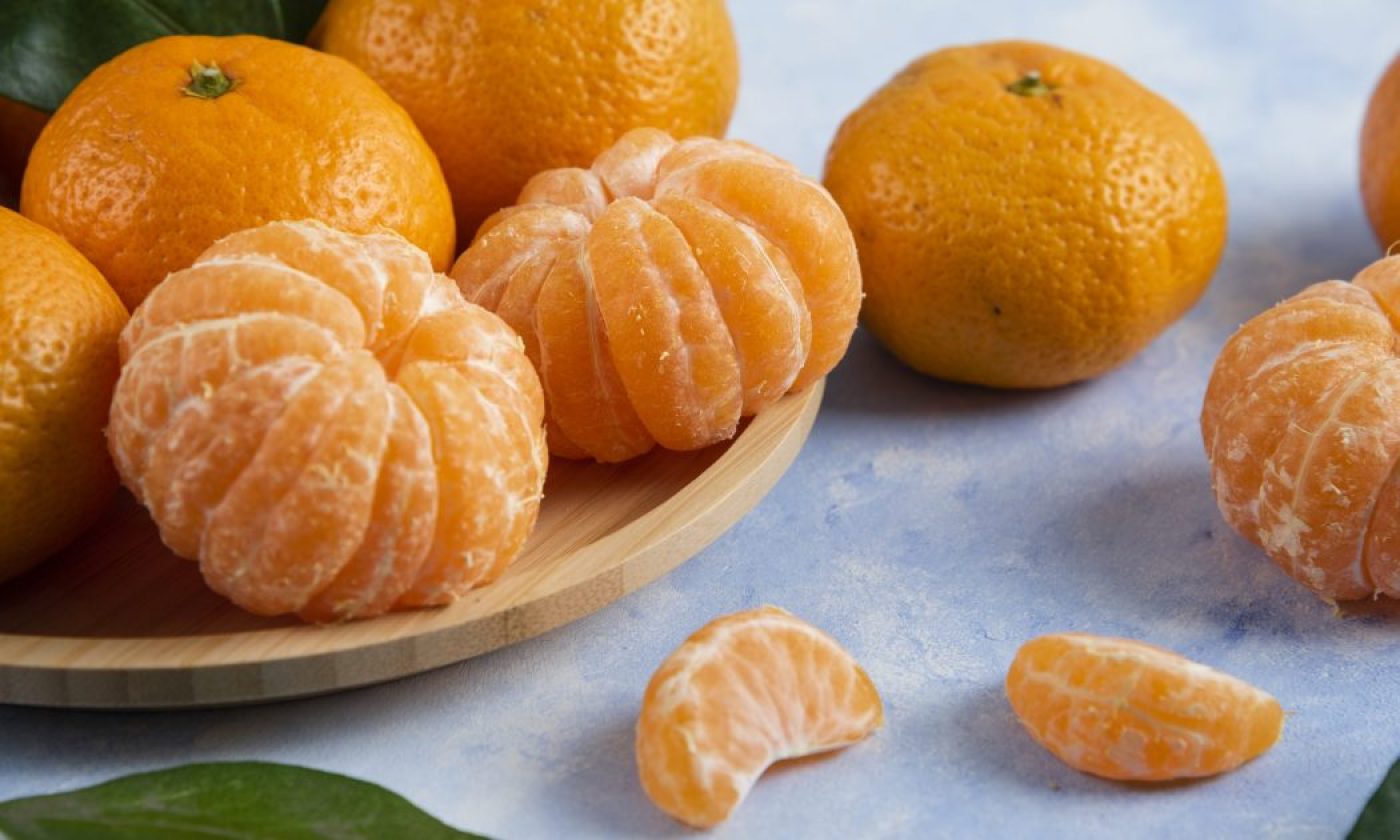
Tangerines are highly effective for relieving and preventing constipation due to their unique combination of soluble and insoluble fiber, high water content, and a specific citrus flavonoid called naringenin. These components work together to soften stool, increase bowel movement frequency, and stimulate the digestive tract's natural muscle contractions.
The struggle with digestive regularity is a common health concern in 2026, as sedentary lifestyles and processed diets continue to impact gut motility. While many people reach for over-the-counter laxatives, whole-food solutions like tangerines offer a gentler, more nutrient-dense alternative. Understanding how this specific citrus fruit interacts with your gastrointestinal system is key to utilizing it as a functional food for digestive health.
The Nutritional Architecture of Tangerines
To understand why tangerines are beneficial for constipation, one must first look at their nutritional profile. A medium-sized tangerine (approximately 88 grams) provides a concentrated dose of nutrients that facilitate digestion. While they are often praised for their Vitamin C content, their impact on the colon is driven primarily by their structural carbohydrates and phytochemicals.
Fiber Density and Types
Tangerines contain roughly 1.5 to 2 grams of dietary fiber per fruit. While this may seem modest compared to a cup of beans, the quality of the fiber is what matters for constipation. Tangerines offer a balanced ratio of two essential types:
- Soluble Fiber (Pectin): Tangerines are rich in pectin, a type of soluble fiber that dissolves in water to form a gel-like substance in the gut. This gel helps soften the stool, making it easier to pass through the colon without strain.
- Insoluble Fiber (Cellulose and Hemicellulose): Found primarily in the membranes and the white "pith" (the albedo) surrounding the segments, insoluble fiber adds bulk to the stool. This bulk triggers peristalsis—the wave-like muscle contractions that move waste through the intestines.
Hydration and Osmotic Balance
A tangerine is approximately 85% water. Chronic constipation is frequently caused or exacerbated by dehydration. When the body is dehydrated, the colon absorbs water from the food waste, resulting in hard, dry stools that are difficult to evacuate. Consuming water-rich fruits like tangerines helps maintain the necessary moisture levels within the intestinal lumen, ensuring that fiber can do its job effectively.
The Role of Naringenin in Gut Motility
One of the most compelling reasons tangerines are recommended for constipation is the presence of a bioflavonoid called naringenin. This compound is found in various citrus fruits but is particularly accessible in tangerines and mandarins.
Research into citrus flavonoids has shown that naringenin acts as a natural stimulant for the bowels. It influences the transport of chloride ions in the intestinal lining, which in turn draws water into the colon—a process known as an osmotic effect. This increased fluid volume in the gut helps to hydrate the stool from the inside out. Furthermore, naringenin has been observed to stimulate certain signaling pathways that increase the frequency of colonic contractions. This makes tangerines more than just a source of fiber; they are a bioactive tool for promoting regularity.
Comparing Tangerines to Other Digestive Aids
In the landscape of natural laxatives, tangerines occupy a specific niche. While prunes are often cited as the gold standard for constipation due to their sorbitol content, tangerines offer a lower-calorie, more hydrating alternative that many find more palatable for daily consumption.
| Fruit Type | Fiber per 100g | Water Content | Primary Laxative Mechanism |
|---|---|---|---|
| Tangerine | 1.8g | 85% | Pectin & Naringenin (Stimulant/Osmotic) |
| Prune | 7.1g | 31% | Sorbitol (Osmotic) & High Fiber |
| Apple (with skin) | 2.4g | 86% | Pectin & Cellulose |
| Pear | 3.1g | 84% | Fructose & Sorbitol |
| Orange | 2.4g | 87% | Pectin & Naringenin |
As shown in the table, while prunes have higher fiber density, tangerines provide a superior hydration profile and the unique benefit of naringenin. For individuals who find prunes too heavy or too high in concentrated sugar, tangerines serve as an excellent "maintenance" fruit to keep the digestive system moving consistently.
The Importance of the "White Stuff": Pith and Membranes
A common mistake when eating tangerines is meticulously removing every strand of the white, stringy material known as the albedo or pith. If you are eating tangerines specifically to combat constipation, you should consume as much of this pith as possible.
The pith is the most concentrated source of both pectin and naringenin. When you peel a tangerine and eat only the juicy juice sacs (vesicles), you are missing out on the structural components that provide the "sweep" through your digestive tract. The membranes that hold the segments together are also vital; they contain the insoluble fiber that provides the necessary bulk to signal your brain that it is time for a bowel movement.
Tangerine Juice vs. Whole Fruit
In 2026, the trend toward "whole food processing" highlights a critical distinction: tangerine juice is not a substitute for the whole fruit when treating constipation.
When tangerines are juiced, the fibrous structure is removed. You are left with a liquid high in Vitamin C and fructose, but lacking the mechanical bulk required to stimulate the colon. While the liquid can help with hydration, the lack of fiber means the sugar is absorbed more rapidly, potentially causing blood sugar spikes without providing the "internal broom" effect of the whole fruit. For therapeutic digestive benefits, the whole fruit—peeled but with the pith intact—is always the superior choice.
Potential Side Effects and Considerations
While tangerines are generally safe and beneficial, there are certain considerations to keep in mind, especially for those with specific health conditions.
Acid Reflux and GERD
Tangerines are acidic. For individuals suffering from Gastroesophageal Reflux Disease (GERD) or chronic heartburn, the citric acid can irritate the esophageal lining. If you find that citrus triggers your reflux, you may need to limit your intake or consume tangerines only after a meal rather than on an empty stomach.
Dental Health
The combination of natural sugars and acid can weaken tooth enamel if consumed in excess. It is advisable to rinse your mouth with water after eating citrus fruits to neutralize the acid and protect your teeth.
Fructose Sensitivity
Tangerines contain fructose, a natural sugar. Most people digest this easily, but those with Irritable Bowel Syndrome (IBS) or fructose malabsorption may experience bloating or gas if they consume too many tangerines at once. Fortunately, tangerines are considered a low-FODMAP fruit in standard serving sizes (usually one to two fruits), making them safer for IBS sufferers than high-fructose fruits like apples or pears.
How to Integrate Tangerines into a Digestive Health Routine
To maximize the benefits of tangerines for constipation, consistency is more important than quantity. Incorporating them into a daily routine can provide the cumulative fiber and flavonoids needed for long-term regularity.
- Morning Ritual: Eat one tangerine with your breakfast. The natural sugars provide a gentle energy boost, while the fiber starts the digestive process early in the day.
- The "Pith-Positive" Approach: Practice peeling the fruit in a way that leaves the white membranes on the segments. Avoid using a knife to "clean" the fruit.
- Synergistic Pairing: Combine tangerines with other high-fiber foods. For example, adding tangerine segments to a bowl of oatmeal or a spinach salad creates a high-fiber meal that targets constipation from multiple angles.
- Hydration Reinforcement: Always drink a glass of water alongside your tangerine. Fiber requires water to move through the system; without it, increasing fiber intake can occasionally make constipation worse.
Scientific Context and Evidence
The effectiveness of citrus in digestive health is supported by several studies regarding dietary fiber and fruit intake. According to the National Institute of Diabetes and Digestive and Kidney Diseases (NIDDK), increasing fiber and fluid intake is the primary recommendation for managing constipation. Furthermore, research published in the Journal of Medicinal Food has highlighted that citrus flavonoids like naringenin can modulate the gut microbiota, encouraging the growth of beneficial bacteria that produce short-chain fatty acids, which further support intestinal motility.
Frequently Asked Questions
How many tangerines should I eat a day for constipation?
For most adults, eating two to three tangerines a day is an effective amount to contribute to daily fiber goals without overconsuming sugar. It is best to spread these out throughout the day rather than eating them all at once to provide a steady supply of fiber to the digestive tract.
Can tangerines cause constipation?
It is very rare for tangerines to cause constipation. However, if you drastically increase your fiber intake (from tangerines or any other source) without also increasing your water intake, the fiber can become "plugged" in the system. Always ensure you are staying hydrated.
Are tangerines better than oranges for digestion?
Both are excellent, but tangerines are often easier to peel and eat with the pith intact, which is where the most benefit lies. Tangerines also contain slightly different ratios of flavonoids, but for the purpose of constipation, either choice is significantly better than processed snacks.
Can I give tangerines to a child with constipation?
Yes, tangerines are a safe, natural remedy for children. They are often more appealing to kids than prunes or fiber supplements. Ensure the segments are cut into appropriate sizes for younger children to prevent choking, and encourage them to eat the whole segment rather than just sucking out the juice.
Is it better to eat tangerines on an empty stomach?
For many, eating fruit on an empty stomach in the morning can stimulate the "gastrocolic reflex," which tells the colon to empty. However, if you have a sensitive stomach or acid reflux, it is better to eat them as part of a meal.
Practical Recommendation
If you are currently experiencing constipation, start by adding two tangerines to your daily diet—one in the morning and one in the afternoon. Ensure you leave the white pith on the fruit and drink at least 8 ounces of water with each serving. If your symptoms do not improve within 48 to 72 hours, or if you experience severe abdominal pain, it is essential to consult a healthcare professional. For long-term maintenance, tangerines should be part of a diverse diet rich in various fiber sources, including whole grains, legumes, and vegetables.