Determining if the advantages of putting money into life insurance are worth it depends on your financial goals. While term insurance offers affordable protection, permanent policies provide tax-advantaged growth, cash value liquidity, and estate benefits. For high-net-worth individuals seeking wealth preservation and tax efficiency in 2026, the long-term ROI often justifies the costs.
Understanding the Dual Function of Life Insurance
To evaluate if the advantages of life insurance are worth the capital commitment, one must first distinguish between the two primary vehicles: term life insurance and permanent life insurance. In 2026, the financial landscape continues to favor diverse portfolios where life insurance acts as both a safety net and a specialized asset class.
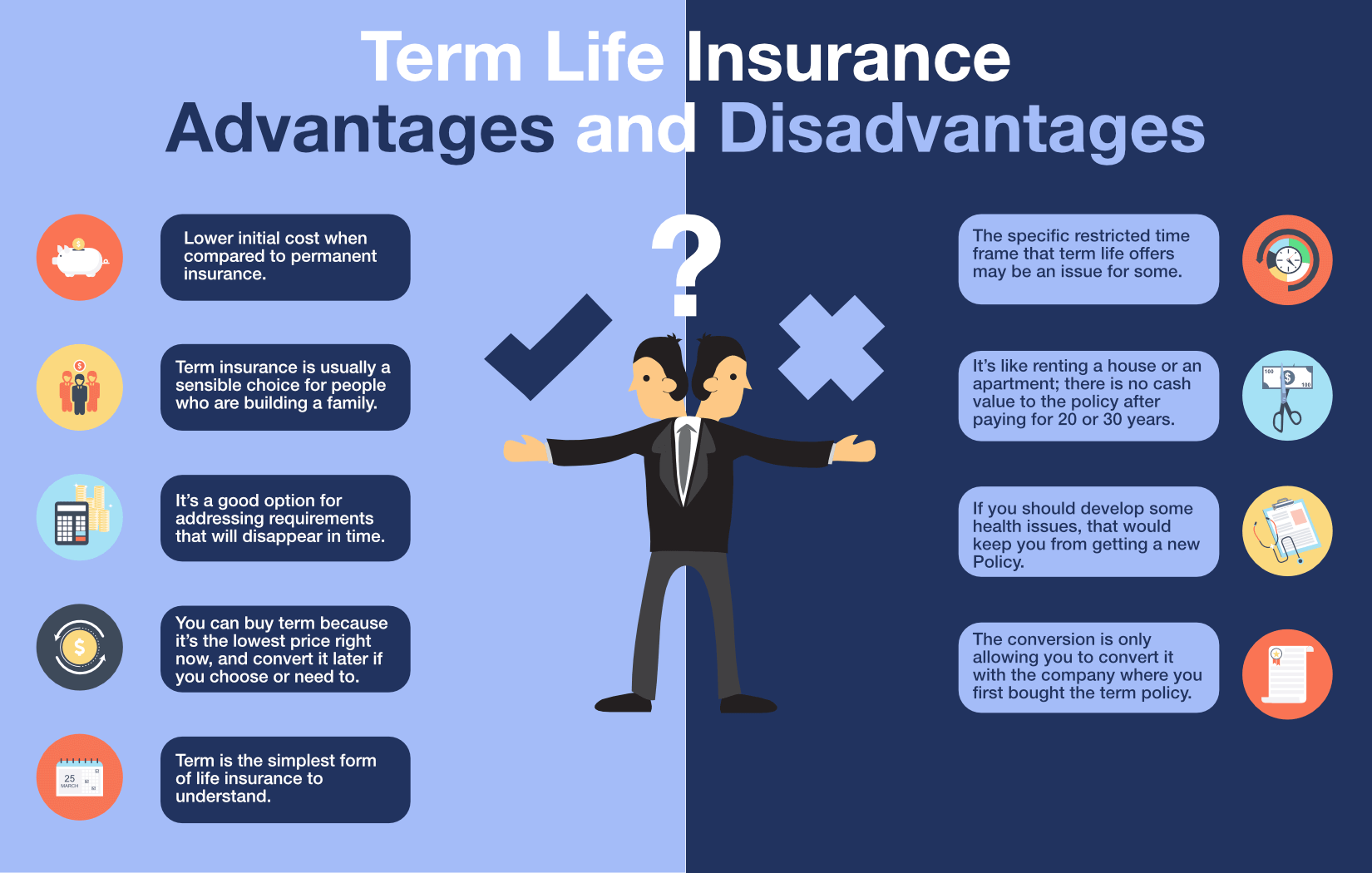
Term life insurance is straightforward. You pay a premium for a specific period—typically 10 to 30 years—and if you pass away during that window, your beneficiaries receive a tax-free death benefit. It is "pure" insurance with no savings component. The advantage here is the low cost for a high payout, which is almost always worth it for families with young children or significant debt.
Permanent life insurance, including whole life, universal life, and indexed universal life (IUL), is more complex. These policies remain in force for your entire life, provided premiums are paid, and they include a cash value component. This cash value grows over time, often tied to a fixed rate or a market index. The debate regarding whether these "advantages" are worth it usually centers on these permanent products, as they require significantly higher premiums than term policies.
The Financial Advantages of Permanent Life Insurance
For many policyholders in 2026, the decision to put money into life insurance is driven by the specific financial "mechanics" that other investment vehicles cannot replicate. These advantages are not merely about the death benefit but about the "living benefits" available to the policyholder during their lifetime.
Tax-Deferred Growth and the Power of Compounding
One of the most significant advantages of permanent life insurance is the tax-deferred status of the cash value accumulation. Under current tax laws, the interest, dividends, or market gains realized within a policy are not taxed annually. This allows the full balance to compound over decades without being eroded by capital gains taxes or income taxes.
When compared to a standard brokerage account, where dividends and realized gains are taxed every year, the internal rate of return (IRR) on a well-structured life insurance policy can be quite competitive. For individuals in high tax brackets, the "tax-equivalent yield" of a life insurance policy often exceeds what they could earn in a taxable bond fund or a high-yield savings account.
Tax-Free Access to Capital via Policy Loans
The ability to access cash value is frequently cited as a primary reason the premiums are "worth it." Unlike a 401(k) or an IRA, which often carry strict age requirements (59½) and penalties for early withdrawal, life insurance cash value can be accessed at any age through policy loans.
In 2026, savvy investors use these loans to fund real estate purchases, business expansions, or emergency expenses. Because you are technically borrowing against your own death benefit rather than withdrawing the cash, the money remains in the policy, often continuing to earn interest or dividends. Furthermore, these loans are generally not considered taxable income, providing a source of tax-free liquidity that is rare in the financial world.
Estate Planning and Wealth Transfer
Life insurance remains the gold standard for estate planning. The death benefit is almost always paid out to beneficiaries income tax-free. In an era where estate taxes and "death taxes" can significantly diminish an inheritance, life insurance provides an immediate infusion of liquidity. This liquidity can be used to pay off estate taxes, settle debts, or ensure that a family business can continue operating without the need for a fire sale of assets.
The Cost of Security: Premiums, Fees, and Surrender Charges
While the advantages are substantial, they are not free. To determine if putting money into life insurance is worth it, one must account for the high "friction" costs associated with these policies.
- High Initial Premiums: Permanent life insurance can cost 5 to 10 times more than term insurance for the same death benefit. This is because a portion of the premium goes toward the insurance cost (mortality charges), while the rest funds the cash value and administrative fees.
- Front-Loaded Commissions: Most life insurance policies have high agent commissions and administrative costs in the first few years. This means the cash value grows slowly at first, often taking 7 to 12 years to "break even" (where the cash value equals the total premiums paid).
- Surrender Charges: If you decide the policy is no longer worth it and want to cancel it within the first 10 to 15 years, the insurance company will likely levy a surrender charge. This fee can consume a significant portion of your accumulated cash value.
- Opportunity Cost: Every dollar put into a life insurance policy is a dollar that is not being invested in the S&P 500, a venture capital fund, or real estate. While life insurance is safer and provides tax benefits, its long-term growth typically trails the aggressive returns of the equity markets.
Comparative Analysis: Life Insurance vs. Traditional Investment Vehicles
To provide clarity, the following table compares how life insurance stacks up against other common financial vehicles in 2026.
| Feature | Term Life Insurance | Whole/Universal Life | 401(k) / IRA | Taxable Brokerage |
|---|---|---|---|---|
| Primary Goal | Death Protection | Protection + Savings | Retirement Income | Wealth Building |
| Tax Treatment | Tax-free payout | Tax-deferred growth | Tax-deductible/Deferred | Taxable annually |
| Liquidity | None | High (via loans) | Restricted (age 59.5) | Very High |
| Investment Risk | None | Low to Moderate | Moderate to High | High |
| Cost/Fees | Very Low | High (Commissions/Fees) | Moderate (ER/Admin) | Low (Index funds) |
| Guarantees | Death benefit only | Often includes floor/min | None | None |
Is It Worth It? Determining Suitability for Your Portfolio
The "worth" of life insurance is highly subjective and depends on your current financial stage. For a 25-year-old just starting their career, putting significant money into a whole life policy is rarely the most efficient move; they are better off with a cheap term policy and investing the rest in a diversified stock portfolio.
However, as you move into higher income brackets and max out traditional retirement accounts, the calculus changes. In 2026, the IRS continues to limit contributions to 401(k)s and IRAs. Life insurance provides an "overflow" vehicle for tax-advantaged savings with no government-mandated contribution limits (provided the policy is not classified as a Modified Endowment Contract or MEC).
Who Is It Worth It For?
- High Earners: Those who have exhausted other tax-advantaged accounts and need a place to shield wealth from high marginal tax rates.
- Business Owners: Using life insurance for "Buy-Sell Agreements" or "Key Person Insurance" ensures the business survives the loss of a partner.
- Estate Planners: Those looking to pass on a legacy without the burden of taxes or the delays of probate.
- Conservative Investors: Individuals who value the "guaranteed" growth and downside protection of whole life or indexed universal life over the volatility of the stock market.
Who Should Avoid It?
- Individuals with High-Interest Debt: If you have credit card debt or high-interest loans, the 4-6% return on a life insurance policy is mathematically inferior to paying off 20% interest debt.
- Short-Term Savers: If you might need the money in 3 to 5 years, the surrender charges and initial fees make life insurance a poor choice.
- Under-Insured Families: If you can only afford the premium for a small whole life policy but actually need $1 million in coverage to protect your family, you should prioritize a large term policy first.
Managing the Risks of Modern Policies
In 2026, "Indexed Universal Life" (IUL) policies are popular but require careful management. These policies credit interest based on the performance of a market index (like the S&P 500), usually with a "floor" of 0% and a "cap" of 8-10%. While the floor protects you from market crashes, the internal costs of insurance within a universal policy can rise as you age.
If the market remains flat for several years and the internal costs continue to climb, the policy could potentially lapse unless you inject more capital. This is why many financial experts argue that the advantages are only worth it if you work with an experienced advisor who can "stress-test" the policy illustrations under various economic scenarios.
FAQs
Can I lose money in a life insurance policy?
In a term policy, you do not "lose" money; you pay for a service (protection) that eventually expires. In permanent policies like Variable Life, you can lose principal if the underlying investments perform poorly. In Whole Life or IUL, your principal is generally protected by a floor, but the "net" value could decrease if the policy's internal fees exceed the interest credited in a given year.
Is the cash value the same as the death benefit?
No. The cash value is the "living" portion of the policy you can access. The death benefit is the amount paid to your beneficiaries. In many policies, when you pass away, the insurance company keeps the cash value and pays out the death benefit. However, certain policy "options" allow beneficiaries to receive both the face amount and the accumulated cash value, though this usually requires higher premiums.
How do I know if my policy is a Modified Endowment Contract (MEC)?
A policy becomes a MEC if you put too much money into it too quickly, exceeding the Technical and Miscellaneous Revenue Act (TAMRA) limits. If a policy becomes a MEC, it loses its favorable tax status—withdrawals and loans become taxable as income, and penalties may apply if you are under age 59½. Most insurance companies will warn you before your payment triggers a MEC status.
Are life insurance dividends guaranteed?
Dividends, typically paid by "mutual" insurance companies (owned by policyholders), are not legally guaranteed. However, many major carriers have paid dividends every year for over a century, including during the Great Depression and the 2008 financial crisis. These dividends are considered a return of premium and are generally tax-free until they exceed the "basis" (the total amount you paid in).
Can I convert my term policy into a permanent one?
Most term policies include a "conversion rider" that allows you to switch to a permanent policy without undergoing a new medical exam. This is a massive advantage if your health declines during the term. However, you must execute this conversion before the deadline specified in your contract (often before age 65 or 70).
Final Recommendation
Putting money into life insurance is worth it if you view it as a long-term volatility hedge and tax-management tool rather than a high-growth investment. If you are looking for the highest possible returns, stick to low-cost index funds. But if you have a high net worth, have maximized your retirement accounts, and want a "private reserve" of capital that grows tax-deferred and transfers tax-free to the next generation, permanent life insurance is a powerful and unique addition to a 2026 financial plan. Always ensure your "death benefit" needs are met with term insurance first before committing significant capital to the cash-value components of permanent insurance.