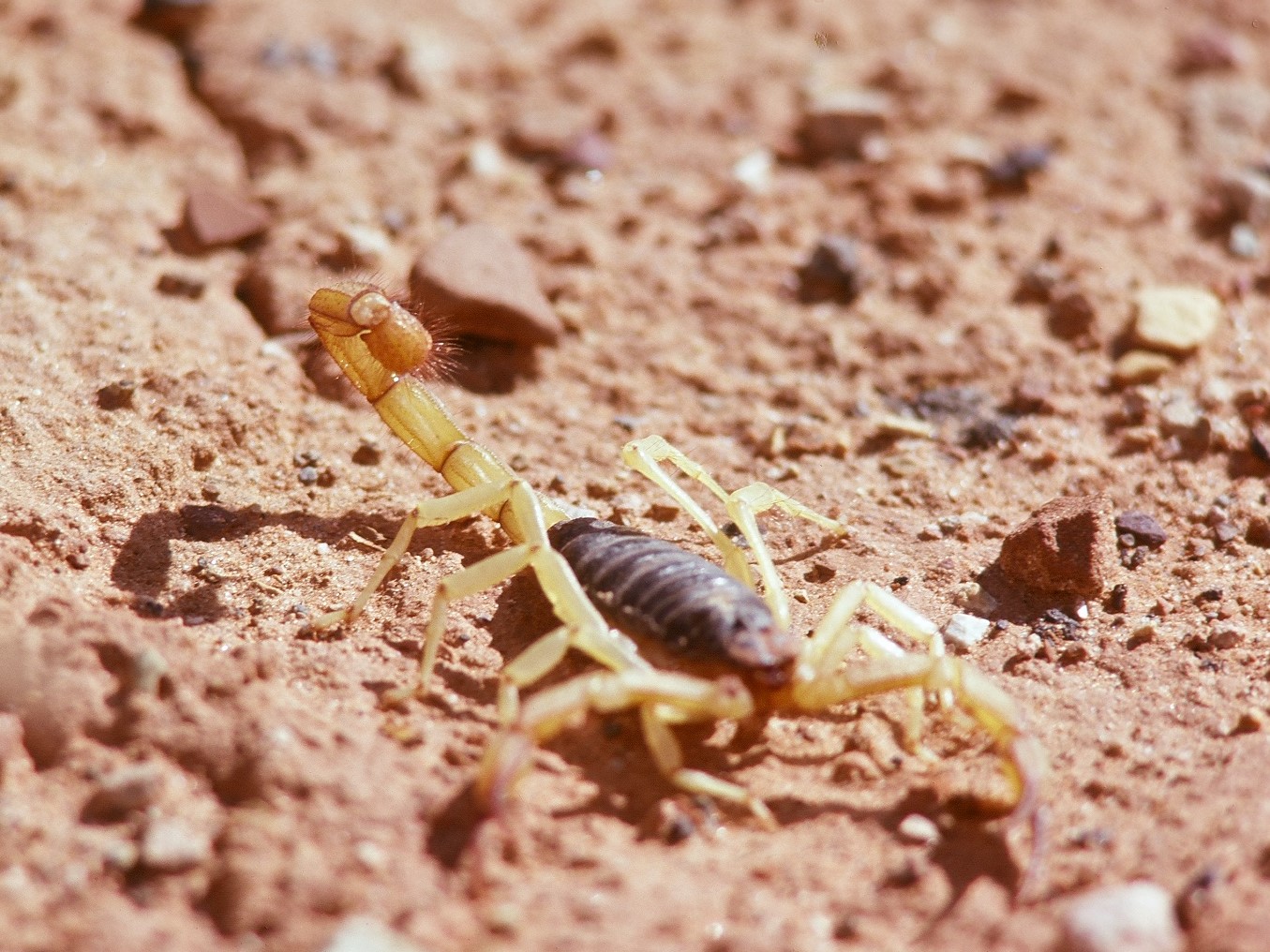
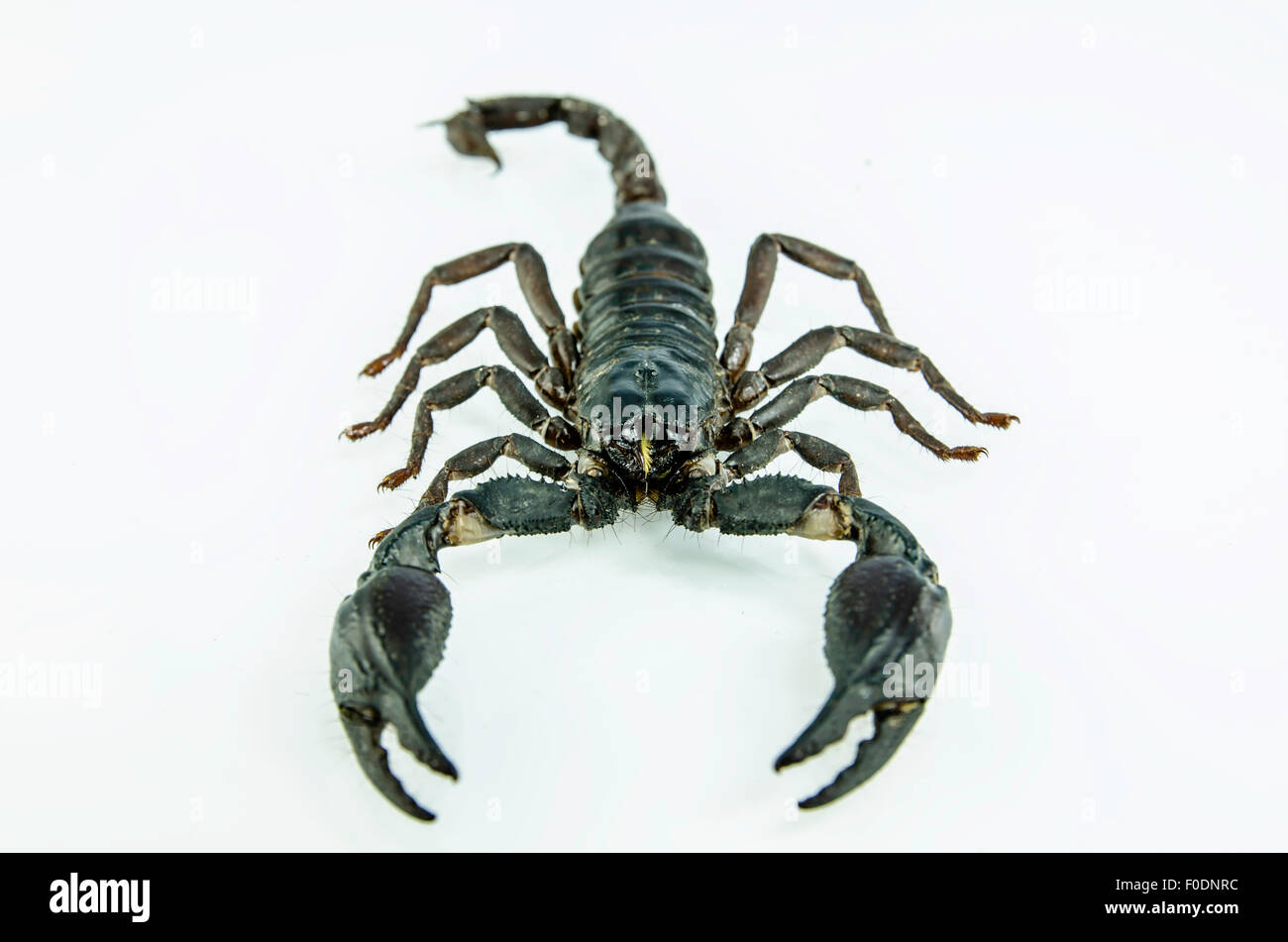
Scorpions are not insects. While both are members of the phylum Arthropoda, scorpions belong to the class Arachnida, placing them in the same biological grouping as spiders, ticks, and mites. Insects, by contrast, fall under the class Insecta. This distinction is rooted in fundamental anatomical differences, including body segment structure, the number of legs, and the presence or absence of sensory organs like antennae.
The Taxonomic Hierarchy of Arthropods
To understand why scorpions are often misidentified as insects, it is helpful to look at the broader biological classification system. Both insects and scorpions are arthropods—invertebrate animals characterized by a hard exoskeleton, a segmented body, and jointed appendages.
However, the classification splits at the class level. In biology, class is a high-level rank in the taxonomic hierarchy. All insects are categorized under the class Insecta. All scorpions are categorized under the class Arachnida. This means that, genetically and morphologically, a scorpion is significantly more closely related to a house spider than it is to a beetle or an ant.
Understanding Class Arachnida
The class Arachnida includes more than just spiders and scorpions. It encompasses a wide range of eight-legged terrestrial arthropods. Members of this class generally share specific traits that differentiate them from insects, such as the lack of wings and the absence of antennae. The arachnid body plan is distinct, and understanding this plan is the key to identifying these creatures correctly.
Defining Characteristics: Why Scorpions Are Not Insects
The most straightforward way to distinguish a scorpion from an insect is to examine its morphology. If you were to place a scorpion and an insect side-by-side, several physical markers would immediately clarify their different classifications.
Leg Count
The most reliable field identifier is the number of legs. Insects are defined by having exactly six legs, usually attached to the middle segment of their bodies (the thorax). Scorpions possess eight legs. These eight legs are used for locomotion, while the front "pincers," or pedipalps, are specialized appendages used for grasping prey and defense rather than walking.
Body Segmentation
Insects have a three-part body structure: the head, the thorax, and the abdomen. This tripartite design is a defining trait of the class Insecta. Scorpions, conversely, have a two-part body structure:
- Cephalothorax (Prosoma): This is the fused head and thorax section, which houses the eyes, the chelicerae (mouthparts), the pedipalps (pincers), and the four pairs of walking legs.
- Abdomen (Opisthosoma): This section is further divided into the wider pre-abdomen and the narrow, tail-like post-abdomen, which ends in the telson (the stinger).
Sensory Organs: The Antennae Gap
All insects have at least one pair of antennae, which they use to navigate, sense chemicals, and communicate. Arachnids, including scorpions, do not have antennae. Instead, scorpions rely on a sophisticated array of sensory hairs called trichobothria located on their pincers and legs, which detect vibrations in the air and substrate.
Comparison Table: Scorpions vs. Insects
The following table summarizes the primary morphological and biological differences between a typical insect and a scorpion.
| Feature | Scorpion (Arachnid) | Typical Insect |
|---|---|---|
| Leg Count | 8 legs | 6 legs |
| Body Segments | 2 (Cephalothorax and Abdomen) | 3 (Head, Thorax, Abdomen) |
| Antennae | Absent | Present |
| Wings | Absent | Present in many species |
| Pincers | Present (Pedipalps) | Absent (except in some specialized forms) |
| Habitat | Primarily Terrestrial | Terrestrial, Aerial, Aquatic |
Biological Behavior and Life Cycles
Beyond anatomy, the life cycle and behaviors of scorpions provide further evidence of their status as arachnids. Unlike many insects that undergo a complete metamorphosis—transforming from an egg to a larva, then a pupa, and finally an adult—scorpions exhibit a more direct developmental path.
Reproductive Strategies
Scorpions are viviparous, meaning they give birth to live young. After mating, the female scorpion carries the embryos internally, receiving nourishment from the mother. Once the nymphs are born, they crawl onto their mother's back and remain there until their first molt. This maternal care is an evolutionary strategy that stands in contrast to the mass-egg-laying behaviors observed in many insect species.
Molting and Growth
As arthropods, scorpions have an exoskeleton made of chitin. Because this shell does not grow, the scorpion must shed its old skin in a process called molting (or ecdysis) to grow larger. While insects also molt, the scorpion’s reliance on this process throughout its lifespan—without a pupal stage—is a hallmark of its arachnid heritage.
The Evolutionary Context
Scorpions are among the oldest known terrestrial arthropods. Fossil records indicate that scorpion-like ancestors existed in the Silurian period, over 400 million years ago. These ancient ancestors were originally aquatic, only transitioning to land later in their evolutionary history. This evolutionary journey resulted in the development of "book lungs," a specialized respiratory organ located within the abdomen that is highly efficient for air-breathing, differing significantly from the tracheal system used by most insects.
Addressing Common Misconceptions
The tendency to label scorpions as insects is largely a result of the colloquial use of the term "bug." In casual conversation, people often use "bug" as a catch-all term for any small, creepy-crawly creature. However, in scientific terms, "insect" is a specific classification.
Are all creepy-crawlies insects?
No. Many creatures commonly mistaken for insects are actually arachnids, crustaceans, or myriapods. For instance, centipedes and millipedes are their own distinct classes within the phylum Arthropoda. The confusion usually stems from visual grouping rather than biological accuracy.
Is the stinger a defining insect feature?
No. While some insects like bees and wasps possess stingers, these are modified ovipositors (egg-laying structures) and are fundamentally different from the scorpion's telson. The scorpion’s stinger is located at the end of the abdomen, while insect stingers are generally associated with the reproductive anatomy.
Frequently Asked Questions
Why do people keep calling scorpions insects?
The term "insect" is frequently used incorrectly in everyday language to describe any small arthropod. Because scorpions, spiders, and insects all share a similar size range and inhabit similar environments, the public often conflates these groups, even though their biological structures are distinct.
Do scorpions have eyes like insects?
Scorpions do have eyes, but they are very different from the compound eyes found on insects like dragonflies or flies. Most scorpions have a pair of median eyes and several pairs of lateral eyes. These eyes are essentially simple structures that perceive light and shadow, and they are not nearly as sophisticated as the multi-faceted compound eyes of most insects.
Can scorpions fly?
No. Because scorpions are arachnids and not insects, they do not possess wings. Their evolutionary history is rooted in the ground, and they are entirely terrestrial. If you encounter a small, crawling creature that has wings, you can be certain that it is not a scorpion.
Are all arachnids, like scorpions, dangerous to humans?
While all scorpions are venomous, the vast majority do not have venom potent enough to be medically significant to humans. Out of nearly 2,000 known species, only about 30 to 40 have venom capable of killing a human. However, because venom toxicity varies by species, caution is always advised when interacting with any arachnid.
How are scorpions different from spiders?
While both are arachnids, scorpions are distinct due to their segmented tails, stingers, and enlarged pedipalps (pincers). Spiders lack these features and have evolved to use silk production and fangs for hunting, whereas scorpions rely on their pincers and stingers.
Conclusion and Next Actions
Understanding that scorpions are arachnids rather than insects is more than just a matter of semantics; it provides insight into the complex evolutionary history of life on Earth. Recognizing these differences allows for better identification of pests, improved safety awareness, and a greater appreciation for the diversity of the arthropod phylum.
If you are dealing with a scorpion in your home or garden, the most effective approach involves structural exclusion. Because they are not insects, standard pesticide treatments developed for common pests like ants or roaches may not be effective. Focus on sealing cracks in foundations, clearing debris from around the house perimeter, and managing moisture levels. For significant infestations, contact a local pest management professional who specializes in the local species native to your area.