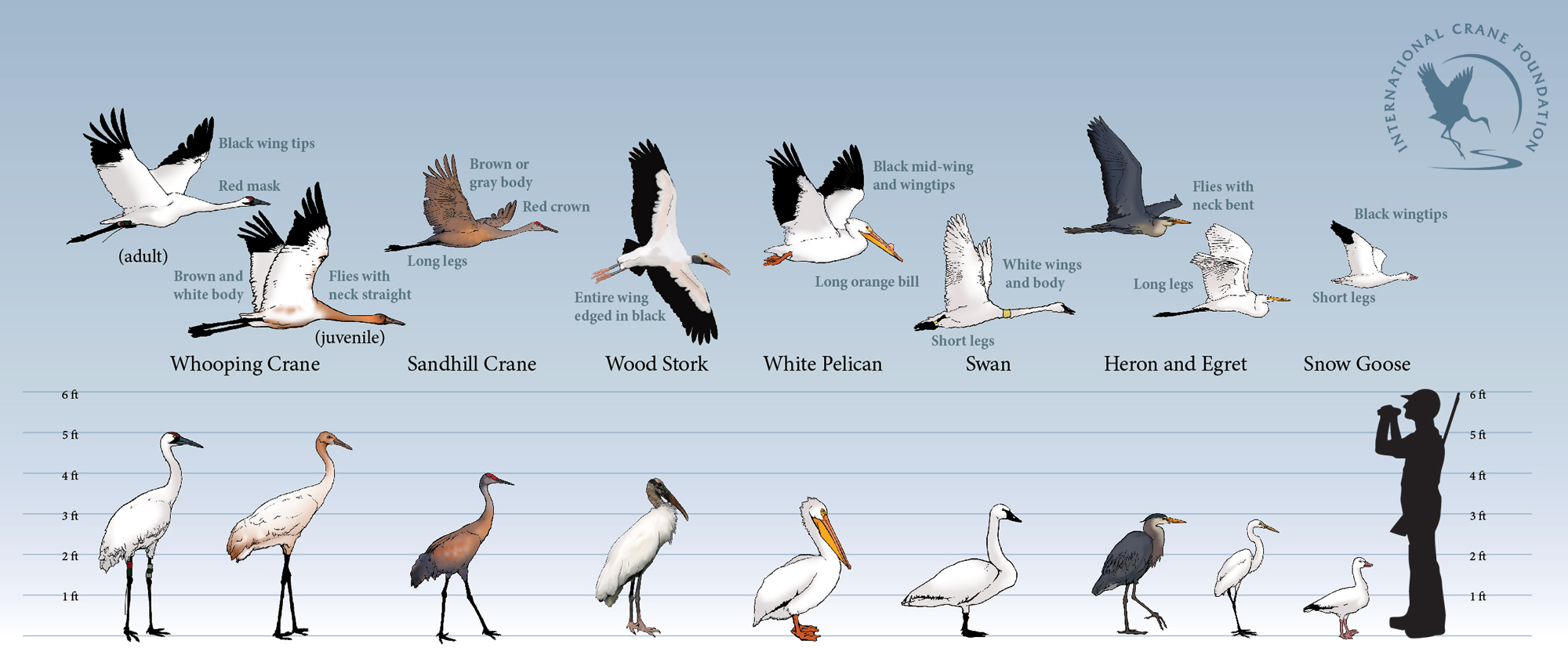
Sandhill cranes are not currently classified as endangered, either globally or within the United States. While certain subspecies face localized pressures and specific populations have required historical conservation intervention, the species Antigone canadensis is categorized as Least Concern by the International Union for Conservation of Nature (IUCN) and remains stable throughout much of its North American range.
Understanding the Conservation Status of Sandhill Cranes
To understand why sandhill cranes are not endangered, it is necessary to differentiate between the species as a whole and its individual subspecies. The sandhill crane is a complex of populations that span a vast geographical area, from Siberia and Alaska down through Canada and the United States, into Cuba and Mexico.
The Least Concern status assigned by the IUCN indicates that the species does not meet the criteria for being Threatened, Vulnerable, or Endangered. This is largely due to the sheer size of the total population, which is estimated to be in the hundreds of thousands. Unlike species that are restricted to small, isolated habitats, sandhill cranes are highly migratory and utilize a diverse array of wetlands, grasslands, and agricultural fields, which provides them with a measure of ecological resilience.
However, conservation biology often operates on a granular scale. A species may be thriving on a continental level while specific populations—or subspecies—suffer from habitat fragmentation, environmental shifts, or human-wildlife conflict. It is this nuance that often leads to confusion regarding their status.
The Role of Subspecies and Regional Population Health
The sandhill crane is divided into several subspecies, most notably the Lesser, Greater, and Canadian sandhill cranes. Additionally, there are three non-migratory populations: the Florida, Mississippi, and Cuban sandhill cranes.
The distinction between migratory and non-migratory subspecies is critical. While migratory populations (such as the Mid-Continent Population) are abundant and even subject to regulated hunting in certain jurisdictions, the non-migratory subspecies are far more vulnerable.
For instance, the Mississippi sandhill crane (Antigone canadensis pulla) is a federally listed Endangered subspecies in the United States. It possesses a very small, isolated population that relies on specific wet pine savanna habitats. Because these birds do not migrate, they cannot relocate if their habitat is degraded or destroyed. Consequently, they are subject to intensive monitoring and recovery efforts by the U.S. Fish and Wildlife Service (USFWS) that do not apply to the widespread, migratory populations.
Historical Context and Recovery Success
The current stability of the sandhill crane is a testament to successful North American wildlife management. In the early 20th century, many crane populations were significantly reduced due to market hunting and the widespread draining of wetlands for agricultural expansion.
The recovery of the species began with the passage of the Migratory Bird Treaty Act of 1918, which provided essential protections by regulating the taking, selling, and transporting of migratory birds. Over the decades, habitat restoration projects and the protection of stopover sites—most notably the Platte River in Nebraska—allowed the Mid-Continent Population to rebound dramatically.
Today, the primary challenge is no longer widespread extinction, but rather the preservation of critical stopover habitats. Sandhill cranes are "obligate" users of specific staging areas during their migration. If these sites are lost to urban development or water mismanagement, the birds have nowhere to rest and refuel, which can lead to population declines despite the species' overall health.
Regulatory Frameworks and Population Monitoring
In 2026, the management of sandhill cranes remains a collaborative effort between the U.S. Fish and Wildlife Service, state wildlife agencies, and international partners. The USFWS manages populations based on Flyway Councils. Each council conducts regular aerial surveys to estimate population numbers.
| Population/Subspecies | Conservation Status | Primary Concern |
|---|---|---|
| Mid-Continent Population | Stable / Managed | Habitat loss at staging areas |
| Rocky Mountain Population | Stable | Disturbance of breeding grounds |
| Florida Sandhill Crane | State Threatened | Urban sprawl in Florida |
| Mississippi Sandhill Crane | Federally Endangered | Restricted range, fire suppression |
| Cuban Sandhill Crane | Vulnerable (Local) | Habitat degradation in Cuba |
The use of these surveys allows wildlife managers to adjust hunting permits and land-use restrictions annually. This data-driven approach ensures that while the species is not endangered, the "harvest" (the hunting of the birds in areas where they are abundant) does not exceed sustainable levels.
Environmental Challenges: Beyond Endangered Status
Even for a non-endangered species, the sandhill crane faces persistent environmental pressures that require ongoing monitoring and adaptive management strategies.
1. Wetland Drainage and Water Management
Sandhill cranes are "wetland-dependent" species. They require shallow, open water for roosting at night to protect themselves from land-based predators like coyotes and bobcats. In the interior of North America, the diversion of river water for irrigation has reduced the amount of open, sandbar-rich habitat that cranes historically utilized.
2. Agricultural Conflict
Cranes are opportunistic feeders, often consuming waste grain in harvested fields. While this helps them build fat reserves for migration, it can create friction with agricultural interests if the birds graze on newly sprouted crops. Sustainable solutions, such as providing "lure crops" or utilizing specialized deterrents, are becoming standard practices in regions where human-bird conflict is high.
3. Climate Variability
The shifting timing of spring melt and regional droughts can affect the availability of stopover habitats. Because cranes have a rigid, instinct-driven migration schedule, they may arrive at traditional staging areas only to find them dry or lacking in the specific insects and tubers they need to complete their journey.
Comparative Perspective: Why Distinctions Matter
When asking "are sandhill cranes endangered," it is helpful to look at their relative, the Whooping Crane (Grus americana). The whooping crane is a classic example of an endangered species that has been brought back from the brink of extinction through extraordinary conservation efforts.
Unlike the sandhill crane, the whooping crane has a much narrower ecological niche and a significantly lower reproductive rate. By comparing the two, one can see the difference between a "Least Concern" species that requires managed habitat connectivity and an "Endangered" species that requires active reintroduction and captive breeding programs to survive.
Frequently Asked Questions
Are sandhill cranes protected by law? Yes. In the United States, sandhill cranes are protected under the Migratory Bird Treaty Act. This makes it illegal to kill, capture, or harm them, or to possess their feathers, eggs, or nests, except as specifically authorized by federal permit for managed hunting seasons in certain states.
Why do I hear that sandhill cranes are being hunted? In specific regions where populations are particularly high, the USFWS authorizes managed hunting seasons. These seasons are strictly regulated based on the annual population counts mentioned earlier. The goal is to keep population levels within a range that supports both the bird's biological health and the interests of local ecosystems and agriculture.
Is the Florida sandhill crane the same as the migratory ones? No. The Florida sandhill crane is a distinct, non-migratory subspecies. It spends its entire life in Florida. Because it does not migrate and lives in a state with high human population growth, its habitat is under constant pressure, leading to its designation as a state-threatened species in Florida.
What is the biggest threat to sandhill cranes? For the overall species, the biggest long-term threat is the loss of quality wetland stopover sites. Without safe, protected areas to rest and feed during their long-distance migrations, even large populations can experience sharp declines if their migratory route becomes fragmented.
Can I help conserve sandhill cranes? Yes. The most effective way to help is by supporting land trusts and conservation organizations that work to protect wetlands and prairie habitats. Additionally, in areas where cranes gather, maintaining a respectful distance and avoiding habitat disturbance during the roosting season is vital for their survival.
Final Actions and Recommendations
If you are concerned about the status of sandhill cranes in your local area, the best course of action is to consult your state’s wildlife management department or the local regional office of the U.S. Fish and Wildlife Service. These agencies provide the most accurate and up-to-date reports on local populations, which may differ from the continental status.
For those interested in birdwatching, visiting designated wildlife refuges during peak migration seasons (typically spring and autumn) is a responsible way to observe these birds. Always adhere to local guidelines—stay in your vehicle or on designated trails—to ensure that you do not force the birds to flush, which wastes energy they need for their long-distance flights. By participating in wildlife tourism at these managed sites, you contribute to the funding of the very refuges that keep these populations healthy and thriving.