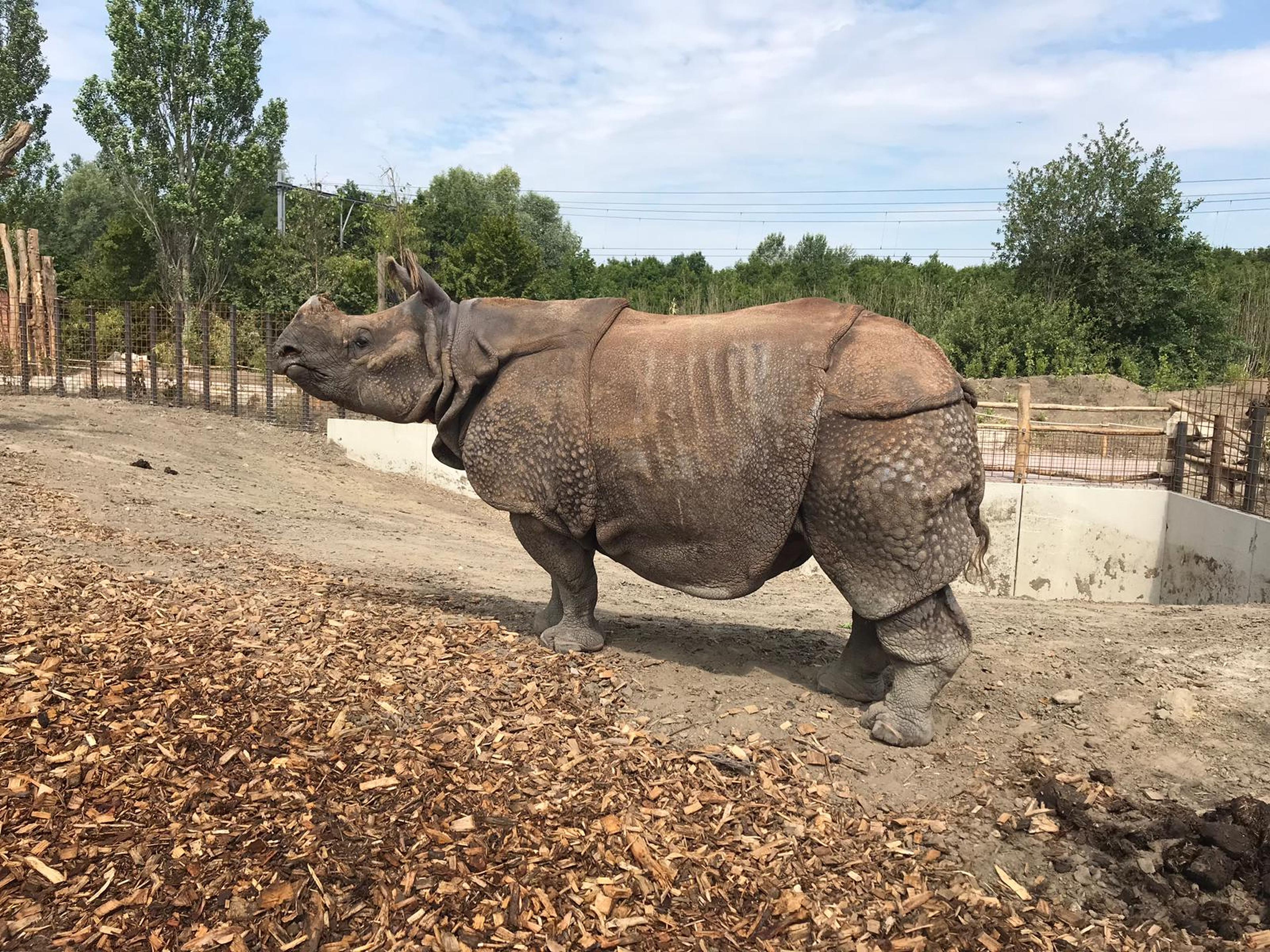
Whether rhinos in zoos are truly worth the ethical and financial cost depends on balancing the immediate welfare of captive animals against their role in species preservation. While zoos provide a hedge against extinction through managed breeding and research, these benefits are weighed against the limitations of captive environments, the high cost of maintenance, and the ongoing debate regarding the efficacy of reintroduction programs.
The Role of Modern Zoological Institutions
In the landscape of 2026, the function of a zoo has shifted significantly from public display to scientific stewardship. Zoological institutions, particularly those accredited by organizations such as the Association of Zoos and Aquariums (AZA) or the European Association of Zoos and Aquaria (EAZA), now operate as hubs for Species Survival Plans (SSPs). For rhinos—a group currently facing extreme pressure from poaching in their native ranges in Africa and Asia—these facilities serve as an "ex-situ" insurance policy.
The core argument for the existence of rhinos in zoos is the mitigation of extinction risk. If the wild population of a specific subspecies, such as the Northern White Rhino, reaches a point where the genetic pool is too small to sustain itself, zoo populations become the last viable repository for that genetic information. By maintaining stable, healthy populations in controlled environments, researchers can study rhino biology, reproductive health, and disease pathology with a level of granular detail that is impossible to achieve in the field.
Financial and Operational Costs of Captive Care
Maintaining a rhino in a zoo environment is a massive financial undertaking. The costs extend far beyond basic food and shelter. A single rhinoceros requires significant acreage, specialized veterinary care, advanced climate control systems, and high-security measures to prevent theft or unauthorized access.
- Dietary Management: Rhinos are heavy consumers of browse and specialized pellets. Sourcing high-quality, nutritionally balanced feed for mega-herbivores requires robust supply chains.
- Infrastructure: Enclosures must be built to withstand the immense physical strength of the animals while ensuring staff safety. This includes heavy-duty fencing, reinforced holding areas, and complex hydraulic gate systems.
- Veterinary Specialization: Rhinos are susceptible to unique health issues, such as iron storage disease and foot problems. Veterinary teams must be trained in the specific physiological needs of perissodactyls, which increases operational overhead.
- Research Funding: Many zoos dedicate a portion of their budget to field conservation, funneling proceeds from ticket sales directly to anti-poaching units in range countries.
When critics ask if these animals are "worth it," they often compare the millions of dollars spent on a single zoo exhibit to the potential impact of those funds if used for field conservation. Proponents argue that zoos act as powerful "ambassadors," connecting urban populations with wildlife and driving the philanthropic donations that sustain field work.
Comparing In-Situ and Ex-Situ Conservation
To determine the value of maintaining rhinos in captivity, it is helpful to analyze the distinct differences between in-situ (wild) and ex-situ (captive) strategies.
| Feature | In-Situ Conservation | Ex-Situ Conservation (Zoos) |
|---|---|---|
| Primary Goal | Protecting habitat and wild populations | Maintaining genetic diversity and breeding |
| Primary Threats | Poaching, habitat loss, conflict | Captive stress, genetic stagnation |
| Research Scope | Ecological interaction, range movement | Reproductive science, pathology, nutrition |
| Public Engagement | Limited/Eco-tourism only | High/Education and public awareness |
| Risk Mitigation | Localized to range states | Global safeguard against catastrophe |
Ethical Considerations and Welfare Standards
The ethical cost of keeping rhinos in captivity is a frequent point of contention. Rhinos are large, wide-ranging animals that evolved to navigate vast territories. Even the most advanced zoo enclosures represent a minuscule fraction of the home range a rhino would traverse in the wild.
In response to welfare concerns, modern zoos have moved toward "behavioral enrichment." This includes creating complex landscapes that simulate natural conditions, such as mud wallows, scratching posts, and varied terrain to encourage natural foraging behaviors. However, critics argue that no matter how much enrichment is provided, the psychological effects of confinement and the unnatural social structures found in zoos cannot be entirely negated.
The "worth" of these animals, therefore, is also measured by the progress made in animal welfare science. Every piece of knowledge gained about rhino gestation, artificial insemination, and stress-hormone regulation in zoos directly informs how biologists manage endangered rhinos in the wild.
The Success of Managed Breeding and Reintroduction
The ultimate proof of the value of captive rhinos is successful reintroduction. While this is not a universal goal for all species or individuals, it is the gold standard for conservation success. For instance, the Southern White Rhino population, which plummeted to fewer than 100 individuals in the late 19th century, was saved largely through strict protection and the establishment of breeding populations in protected areas that mirror some elements of controlled management.
In 2026, the use of advanced reproductive technology, such as the cross-species embryo transfer trials involving White and Northern White rhinos, demonstrates how captive populations are being used to "resurrect" endangered lineages. This work is impossible without the baseline data and physical access provided by zoo-based animals. If the goal is to prevent the total loss of a species, then the utility of these institutions becomes undeniably high.
Addressing Common Questions Regarding Captive Rhinos
Do zoo rhinos contribute to anti-poaching efforts? Yes, primarily through fundraising and advocacy. Many AZA-accredited zoos serve as direct donors to African and Asian wildlife agencies, providing equipment, salaries for rangers, and surveillance technology.
Is it possible to return zoo-bred rhinos to the wild? It is difficult and requires significant transition periods. Successful reintroduction depends on selecting candidates with sufficient genetic diversity and ensuring they possess the survival skills required for a life without constant veterinary intervention.
What is the most significant health risk for captive rhinos? Iron storage disease is a major focus of zoo veterinary medicine. Captive diets often contain more iron than the natural diet of a wild rhino, leading to potential organ damage. Managing this through diet is a critical, ongoing task for zoo nutritionists.
Are rhinos in zoos happy? "Happiness" is a subjective term, but ethologists measure success through "welfare markers." If a rhino is breeding naturally, exhibiting low cortisol levels, and interacting with its environment in complex ways, it is considered to be thriving within its captive, protected context.
Balancing the Ledger
When evaluating the worth of rhinos in zoos, the answer is nuanced. From a purely biological perspective, they serve as a critical backup to the wild. From an educational perspective, they catalyze public interest and funding for global wildlife protection. However, these benefits are contingent upon the high standards of care maintained by the institution.
If a zoo fails to provide for the physical and psychological needs of its rhinos, it arguably loses its moral and conservation justification for keeping them. The "value" is maintained only when the institution serves as a center for excellence in care and a source of active support for the remaining wild habitats.
Ultimately, the most effective path forward involves an integrated approach: using the data, genetic resources, and public awareness generated by zoos to bolster the protection of wild rhinos in their natural environments. Without the captive insurance policy, we risk losing species to catastrophic events; without the wild habitat, the captive policy eventually loses its purpose.
Recommendation
If you are interested in supporting rhino conservation, evaluate the zoos you visit. Look for institutions that are accredited by major zoological associations and that publish transparent reports on their field conservation contributions. Prioritize donating to organizations that operate directly in range countries, as these efforts are essential to the long-term survival of rhinos in the wild. By focusing your support on institutions that balance high-quality captive welfare with rigorous field support, you ensure that the presence of these animals in our society contributes to their ultimate survival rather than merely serving as an exhibition.