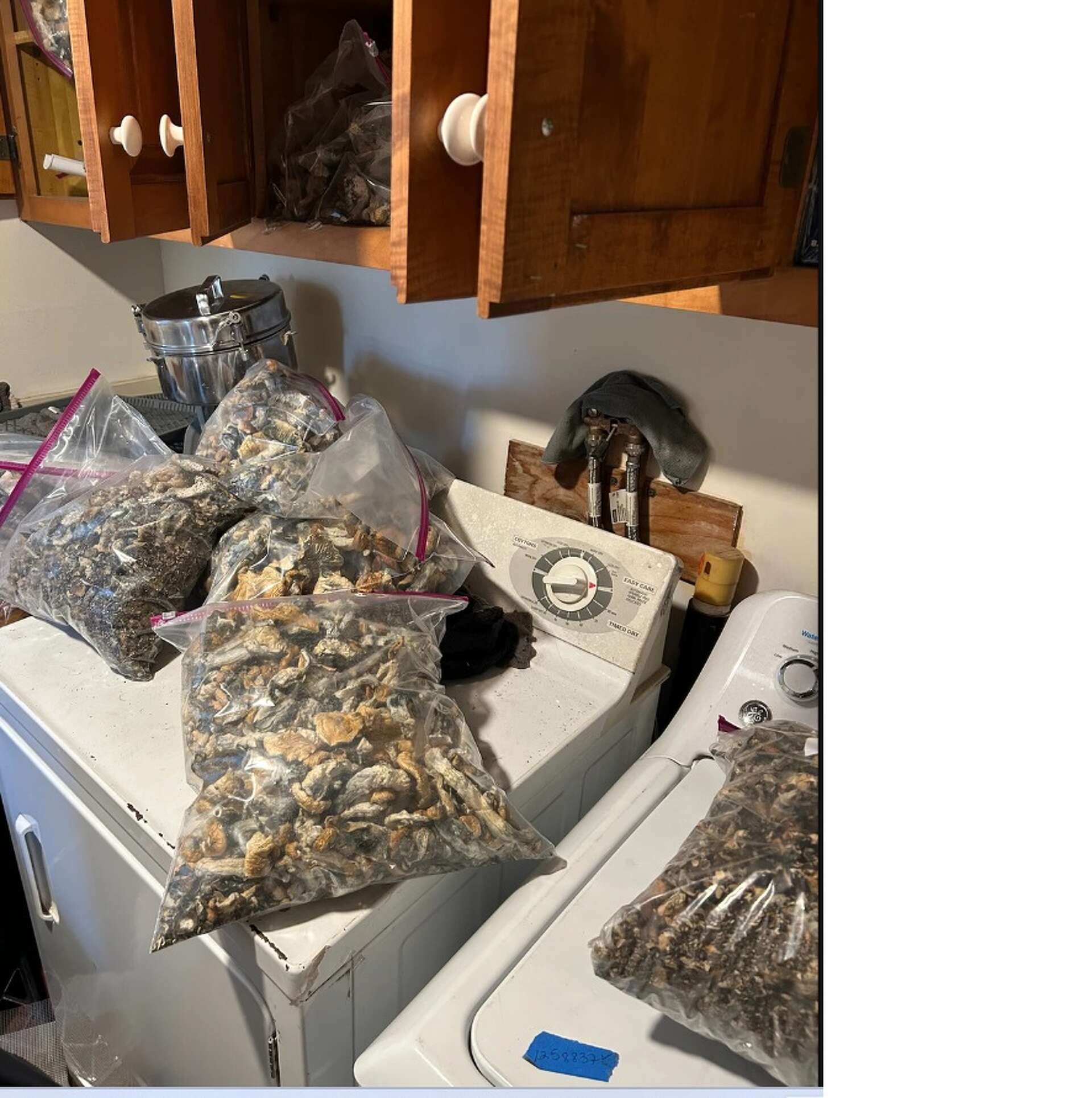
Psilocybin mushrooms—commonly referred to as "magic mushrooms"—are classified as Schedule I controlled substances under Ohio state law and federal law. Consequently, the possession, cultivation, sale, distribution, or manufacturing of psilocybin or psilocin is illegal in the state of Ohio. As of 2026, there are no state-level exemptions for recreational use, and the state has not enacted a medical psilocybin program comparable to its existing medical marijuana framework.
The Legal Status of Psilocybin in Ohio
To understand the legal standing of psilocybin in Ohio, one must look at both the Ohio Revised Code (ORC) and the federal Controlled Substances Act. Under Ohio law, the classification of a controlled substance determines the severity of penalties associated with its possession or trafficking.
State Classification: Schedule I
Under the Ohio Revised Code, specifically within the chapters governing controlled substances, psilocybin and psilocin are listed as Schedule I drugs. A Schedule I classification indicates that the substance is defined by the state as having:
- A high potential for abuse.
- No currently accepted medical use in treatment in the United States.
- A lack of accepted safety for use under medical supervision.
Because these compounds are placed in this highly restrictive category, any unauthorized interaction with them is treated as a criminal offense. Unlike states that have moved to decriminalize or legalize the substance for therapeutic use, Ohio’s legislative and judicial landscape remains strictly prohibitory.
Federal Supremacy and Consistency
Ohio’s state laws mirror the federal scheduling set by the Drug Enforcement Administration (DEA). The federal Controlled Substances Act of 1970 also classifies psilocybin as a Schedule I substance. This means that even if a local municipality or state were to pass a resolution or ordinance to "decriminalize" the substance—an action often taken by cities to deprioritize enforcement—it would not grant legal immunity under federal law. In Ohio, however, there has been no significant movement to pass such decriminalization measures at the state level, and the enforcement of drug laws remains a standard function of state and local law enforcement agencies.
Distinguishing Between Substances and Fungi
A common point of confusion for individuals researching this topic involves the distinction between the physical mushroom and the chemical compound. While legislation often targets the chemical compound (psilocybin or psilocin), the law encompasses the entire mushroom because the fungus naturally contains these illegal chemicals.
The Scope of Enforcement
Law enforcement agencies do not generally differentiate between a processed chemical extract and the raw, dried, or fresh fruiting body of a mushroom. If a substance is identified as a psilocybin-containing fungus, it is treated as contraband. This includes:
- Fresh mushrooms: Harvested directly from the wild.
- Dried mushrooms: Processed for consumption.
- Mycelium/Spore prints: While some states allow the possession of spores for "microscopy purposes" under specific legal interpretations, Ohio law does not provide a specific carve-out or exemption for psilocybin mushroom spores. Possessing biological material intended to produce a Schedule I controlled substance can lead to significant legal exposure.
Penalties and Legal Consequences
The consequences for violating Ohio drug laws are contingent upon the quantity involved, the nature of the activity (possession vs. trafficking), and the individual’s prior criminal history.
Possession Offenses
Possession of a controlled substance in Ohio is typically charged as a felony. The severity of the charge—the degree of the felony—is heavily dependent on the "bulk amount." The bulk amount is a standardized measurement used by the state to differentiate between personal possession and potential intent to distribute.
- Minor possession: May result in significant fines and potential incarceration, depending on the weight of the material seized.
- Aggravated possession: When amounts exceed specific weight thresholds, the charges escalate, potentially leading to mandatory prison sentences.
Trafficking and Manufacturing
The production, sale, or distribution of psilocybin is treated with higher scrutiny than simple possession. If law enforcement discovers an operation designed to grow or distribute mushrooms, the charges are likely to include:
- Trafficking: The act of selling or delivering the substance.
- Illegal Manufacture: The act of cultivating or processing the mushrooms for consumption.
These charges often carry long-term consequences, including a permanent criminal record, which can impact employment eligibility, housing, professional licensing, and firearm ownership rights.
Comparison of Legal Status in Related Categories
To clarify how Ohio fits into the broader landscape of controlled substances, the following table compares psilocybin against other substances in the state.
| Substance | Status in Ohio | Medical Use | Notes |
|---|---|---|---|
| Psilocybin | Schedule I | None | Strictly illegal; criminal offense. |
| Marijuana | Medical Legal | Yes | Limited to state-approved medical program. |
| Alcohol | Legal | N/A | Regulated for age and public conduct. |
| Tobacco | Legal | N/A | Regulated for age and taxation. |
Note: This table is for informational purposes only and does not constitute legal advice. Marijuana laws are subject to specific state regulations that do not apply to psilocybin.
Medical Research and Future Outlook
As of 2026, there is no clinical program in Ohio that permits the administration of psilocybin as a therapeutic treatment. While there is a growing body of national research regarding the use of psilocybin for conditions such as treatment-resistant depression, PTSD, and anxiety, this research is primarily conducted in states with specific legal frameworks or under federal clinical trial protocols (Investigational New Drug applications).
Participation in Research
Individuals interested in the therapeutic potential of psilocybin cannot legally obtain or use the substance in Ohio, even if they have a diagnosis that is being studied elsewhere. Participating in a legitimate clinical trial requires strict adherence to FDA-approved protocols and local institutional review board (IRB) oversight. If a clinical trial were to operate within Ohio, it would need to obtain the necessary federal and state scheduling exemptions, which is a rare and highly regulated process.
Frequently Asked Questions
1. Is there any "medical" exception for psilocybin in Ohio?
No. Unlike medical marijuana, which has a structured regulatory and distribution framework in Ohio, there is no medical program for psilocybin. It remains a Schedule I substance with no recognized medical use under state law.
2. Can I legally buy spores for study purposes?
While some online vendors operate in a gray area in certain jurisdictions, possession of spores with the intent to cultivate a Schedule I substance is illegal in Ohio. Engaging in such activity can result in criminal charges, as law enforcement may categorize the intent as manufacturing a controlled substance.
3. Have any Ohio cities decriminalized psilocybin?
Unlike some cities in the United States that have passed local ballot measures to "deprioritize" the enforcement of psilocybin, Ohio has not seen widespread municipal movement toward decriminalization. State law remains the dominant authority, and local ordinances cannot override state-level criminal statutes regarding the classification of Schedule I substances.
4. What should I do if I am facing charges related to psilocybin?
If you are facing legal issues involving controlled substances, it is essential to consult with a qualified criminal defense attorney licensed in the state of Ohio. Only a legal professional can assess the specifics of your case, navigate local court procedures, and provide advice tailored to your circumstances.
5. Does the federal status override state law?
Yes. Federal law prohibits the possession of psilocybin throughout the United States. Even if a state were to legalize it, federal agents could still enforce the Controlled Substances Act. However, in Ohio, the state and federal laws are aligned, meaning there is no conflict between the two: both define psilocybin as illegal.
Understanding the Risks
The legal risk is only one facet of the situation. Because psilocybin is a potent psychoactive substance, its unauthorized use carries risks beyond legal repercussions. In unregulated markets, there is no way to verify the purity, concentration, or safety of the substance.
Furthermore, the legal prohibition means that there are no consumer protections. Users have no recourse regarding product safety or accuracy of claims. The lack of standardized testing and oversight makes the unregulated consumption of these substances inherently unpredictable.
Final Recommendation
As of 2026, psilocybin mushrooms remain strictly prohibited in Ohio. The possession, distribution, and cultivation of these fungi are serious criminal offenses under both state and federal law. Individuals seeking information on the potential medical benefits of psilocybin should focus on following legitimate, ongoing academic research or national clinical trials, rather than attempting to procure or use the substance on their own. If you have specific legal concerns, you should contact a licensed attorney to discuss the current statues and your rights.