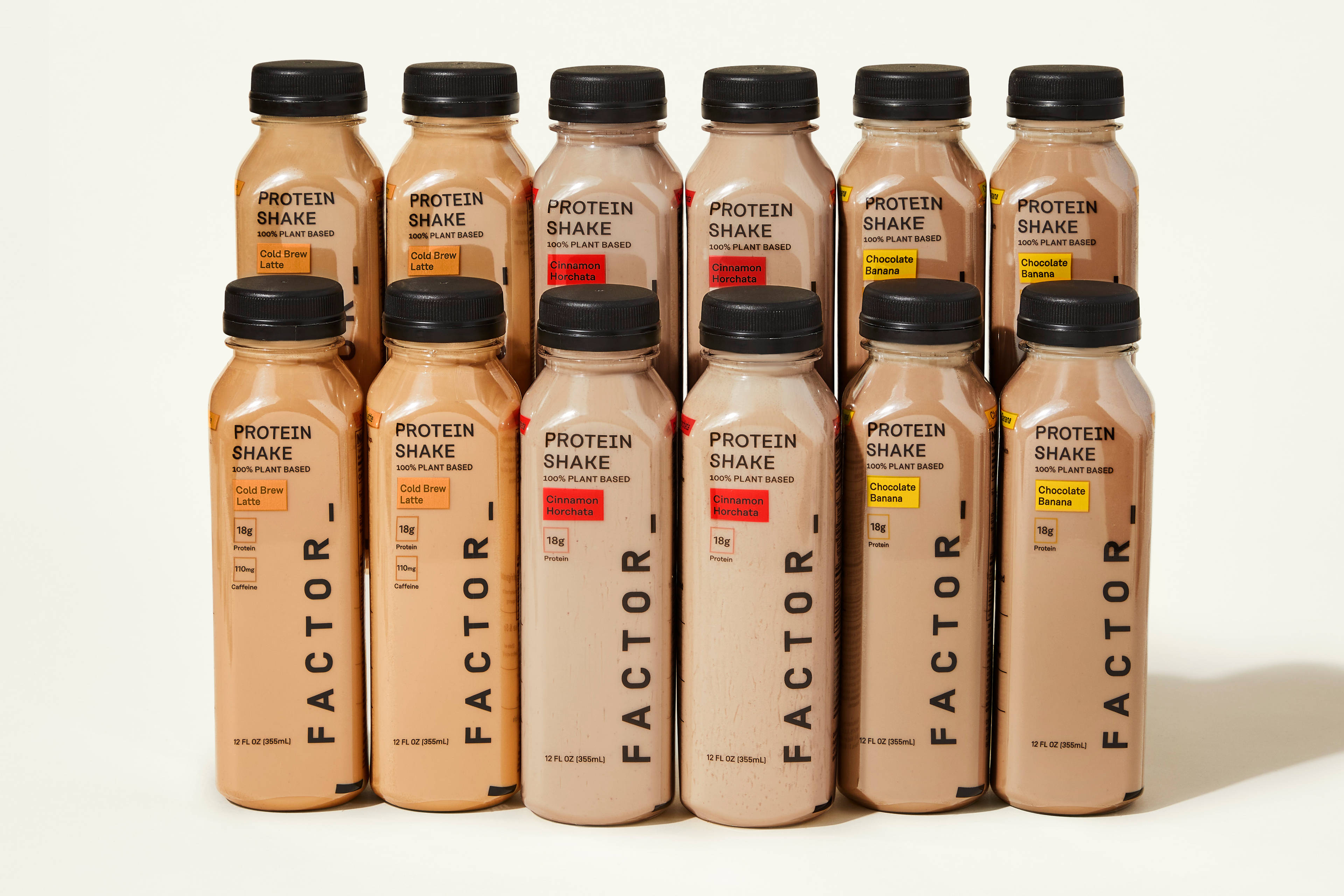
Protein shakes are not strictly necessary for health or muscle growth, as total daily protein intake derived from whole-food sources can meet the needs of even high-performance athletes. However, shakes offer a convenient, time-efficient, and easily digestible method to bridge the gap between your physical requirements and your actual dietary consumption, especially in busy, modern schedules.
Understanding the Role of Dietary Protein
To determine if protein shakes are necessary, one must first understand what protein actually does in the human body. Protein is composed of amino acids, which are the fundamental building blocks of muscle tissue, enzymes, and hormones. When you engage in resistance training or strenuous physical activity, you create microscopic tears in your muscle fibers. The repair process, known as muscle protein synthesis (MPS), relies on a consistent supply of amino acids to repair and eventually grow those fibers, leading to increased strength and lean body mass.
For the average sedentary adult, the Recommended Dietary Allowance (RDA) suggests approximately 0.8 grams of protein per kilogram of body weight. However, for individuals engaging in regular exercise, this requirement increases significantly. Depending on the intensity, duration, and type of training, athletes often require between 1.2 and 2.0 grams of protein per kilogram of body weight. While these targets can be reached through eggs, lean meats, dairy, legumes, and nuts, many individuals find the sheer volume of chewing required to reach these levels—particularly during a fat-loss phase where caloric intake is restricted—to be impractical.
The Argument for Convenience and Precision
The primary value proposition of a protein shake is not some magical metabolic advantage over chicken or fish, but rather its superior "nutritional logistics." In a 2026 landscape where work-life balance is often strained, the ability to consume 25 to 30 grams of high-quality protein in under two minutes without requiring a stove, refrigerator, or fork is a significant advantage.
Protein powders—whether whey, casein, soy, or pea—are processed to remove most fats and carbohydrates, leaving a highly concentrated source of protein. This allows for precise "dosing" of macronutrients. If you have tracked your day and realize you are 30 grams short of your protein goal, a shake allows you to hit that exact mark without adding the significant calories that might come from the fat content of whole food sources like red meat or fatty fish.
Comparing Protein Sources for Optimal Results
When evaluating whether to incorporate shakes, it is helpful to contrast them with common whole-food equivalents. While the amino acid profile of whey protein is exceptionally high in leucine—a key initiator of muscle protein synthesis—whole foods offer micronutrients, fiber, and the satiety benefits of complex digestion.
| Feature | Whole Foods (e.g., Chicken) | Protein Shakes (e.g., Whey) |
|---|---|---|
| Digestion Speed | Moderate to Slow | Rapid |
| Convenience | Low (Requires preparation) | High (Mix and drink) |
| Micronutrient Profile | High (Vitamins/Minerals) | Low (Unless fortified) |
| Satiety | High (Fiber/Volume) | Low |
| Cost per Serving | Variable (Market dependent) | Generally lower |
As shown in the table above, the choice is not binary. Many successful individuals utilize a hybrid approach, relying on whole foods for the majority of their daily intake while using shakes to cover "bottleneck" periods, such as post-workout windows or busy mid-day office hours.
Potential Downsides and Considerations
While protein shakes are safe for the vast majority of the population, they are not without limitations. Over-reliance on shakes at the expense of whole foods can lead to a "micronutrient gap." Whole foods contain complex vitamins, minerals, and phytonutrients that synthetic powders often lack. Furthermore, liquid calories do not trigger the same satiety signals as solid food. If your goal is weight loss, drinking 300 calories in a shake may leave you feeling significantly hungrier than if you had consumed those same 300 calories via a solid meal, potentially leading to overeating later in the day.
Additionally, some individuals experience gastrointestinal distress with specific types of protein. Whey protein concentrate, for instance, contains lactose. For those with lactose sensitivity, this can lead to bloating or discomfort. In such cases, switching to a whey isolate—which has most of the lactose removed—or a plant-based alternative such as rice or pea protein is a common and effective troubleshooting step.
Who Truly Needs a Protein Shake?
Determining necessity requires an honest assessment of your lifestyle and dietary habits. A protein shake is likely "necessary" for your specific routine if you fall into one of the following categories:
- The Time-Constrained Professional: If your job keeps you away from a kitchen for 8–10 hours, a shake prevents the reliance on high-calorie, low-protein "convenience" snacks found in vending machines.
- The Hard-Gainer: For those looking to put on significant mass, eating enough solid food to maintain a caloric surplus while hitting high protein targets can be physically difficult. Shakes provide an easy way to ingest additional calories and protein without feeling overly full.
- The Vegan/Vegetarian Athlete: While many plant foods contain protein, they are often incomplete or contain significant amounts of carbohydrates that must be accounted for. High-quality plant-based protein blends ensure you get a full amino acid profile without the logistical headache of combining various legumes and grains throughout the day.
- Post-Workout Recovery: If you train early in the morning and do not have time for a full meal before heading to work, a shake provides the body with immediate amino acids to jump-start the repair process.
Common Mistakes When Using Protein Supplements
One of the most frequent errors is treating protein shakes as a "meal replacement" without accounting for the lack of fiber and fats. If you replace a balanced meal of salmon, sweet potato, and broccoli with a scoop of protein powder in water, you are missing out on the healthy fats and fiber that your body requires for hormonal health and digestive function. If you must use a shake as a meal, consider adding a fat source like nut butter and a fiber source like ground flaxseeds to better mimic the nutritional profile of a whole meal.
Another mistake is assuming that "more is better." The body has a limit to how much protein it can effectively use for muscle protein synthesis in one sitting. Consuming 80 grams of protein in a single sitting will not result in three times the muscle growth of 25-30 grams; the excess will simply be oxidized for energy or excreted. Aim for moderate, consistent doses throughout the day rather than one massive, concentrated intake.
Resolving the "Necessity" Question
Ultimately, protein shakes are a tool, not a requirement. Your body does not distinguish between amino acids derived from a grilled chicken breast and those derived from a whey protein isolate. The "necessity" is determined by your personal lifestyle. If you can consistently hit your daily protein requirements through whole foods while maintaining your health and sanity, you have no biological need for a supplement.
However, if your schedule, budget, or digestion patterns make it difficult to hit your protein targets, a supplement becomes a highly practical solution to ensure you remain consistent. Consistency, rather than the source of the protein, is the most important factor in long-term body composition and performance success.
Frequently Asked Questions
Does a protein shake immediately after working out provide better results? The "anabolic window" is far wider than previously thought. While consuming protein around your workout is beneficial, the total amount of protein consumed over the 24-hour period is significantly more important than the exact timing of a post-workout shake. If you have eaten a protein-rich meal a few hours before training, your body likely still has circulating amino acids to support recovery.
Are there long-term health risks to drinking protein shakes? For healthy individuals with functioning kidneys, there is no evidence that standard protein supplementation is harmful. The fear regarding protein damaging kidneys is generally unfounded for the general population. However, if you have a pre-existing medical condition related to kidney or liver function, you should consult with your physician before significantly increasing your protein intake through any source.
Can I get the same benefits from eating extra eggs? Yes, you can. Eggs are a "gold standard" for protein quality. If you prefer eating eggs over drinking a shake, there is no biological reason to switch. Shakes are simply a matter of preference and logistics; if you enjoy eggs and have the time to cook them, they provide excellent nutrition and high satiety.
How do I know how much protein I need? As a general guideline for those training with weights, aim for roughly 1.6 to 2.0 grams of protein per kilogram of body weight. You can calculate this by taking your body weight in kilograms and multiplying it by these values. If you are significantly overweight, base this calculation on your goal body weight or "lean" body mass to avoid over-consuming calories.
Do plant-based protein shakes work as well as whey? Yes, provided you choose a blend or a high-quality single source. While some plant sources are lower in specific amino acids like leucine, modern formulations use blends (e.g., pea and rice) to ensure a complete amino acid profile that mimics whey. The primary concern is ensuring you consume enough total protein to compensate for slightly lower absorption rates in some plant-based materials.
Practical Next Actions
If you are currently deciding whether to add protein shakes to your routine, take the following steps to make an evidence-based decision:
- Track for Three Days: Use a mobile application to log every gram of protein you consume for three days. Be honest and include all meals and snacks.
- Compare to Requirements: Calculate your goal (1.6g to 2.0g per kg of body weight).
- Identify the Gap: If your daily average is consistently lower than your goal, note where the gap occurs. Is it breakfast? Is it during the workday?
- Select the Tool: If you consistently struggle to meet the goal during a specific time of day, purchase a high-quality protein powder (Whey Isolate if you are lactose sensitive, or a Pea/Rice blend if you are vegan) to fill that specific gap.
- Monitor and Adjust: Use the supplement for four weeks. Monitor your energy, recovery, and progress. If your performance improves and your daily routine feels more manageable, the tool is serving its purpose. If you find no difference or experience digestive issues, discontinue and focus on whole-food meal preparation strategies instead.