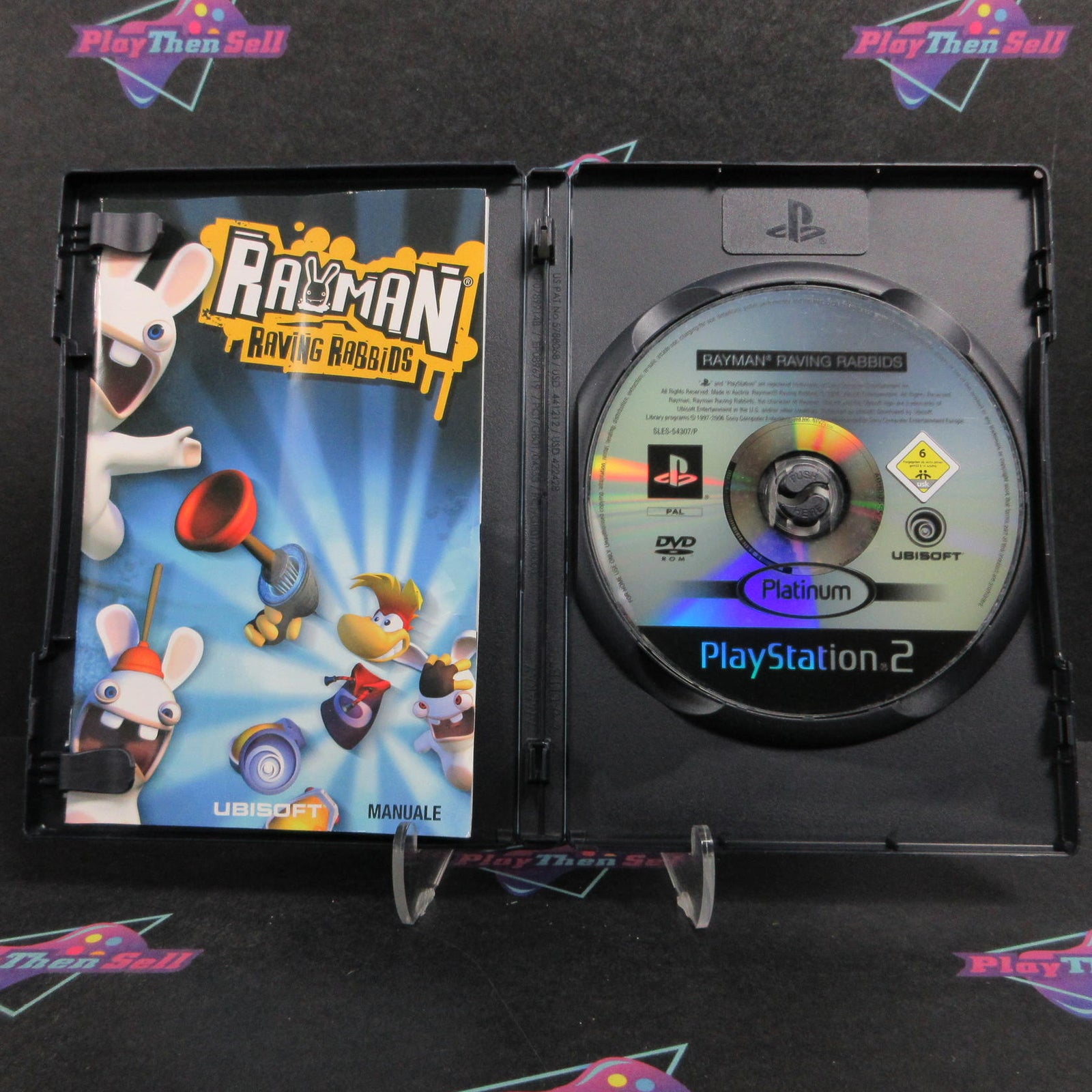
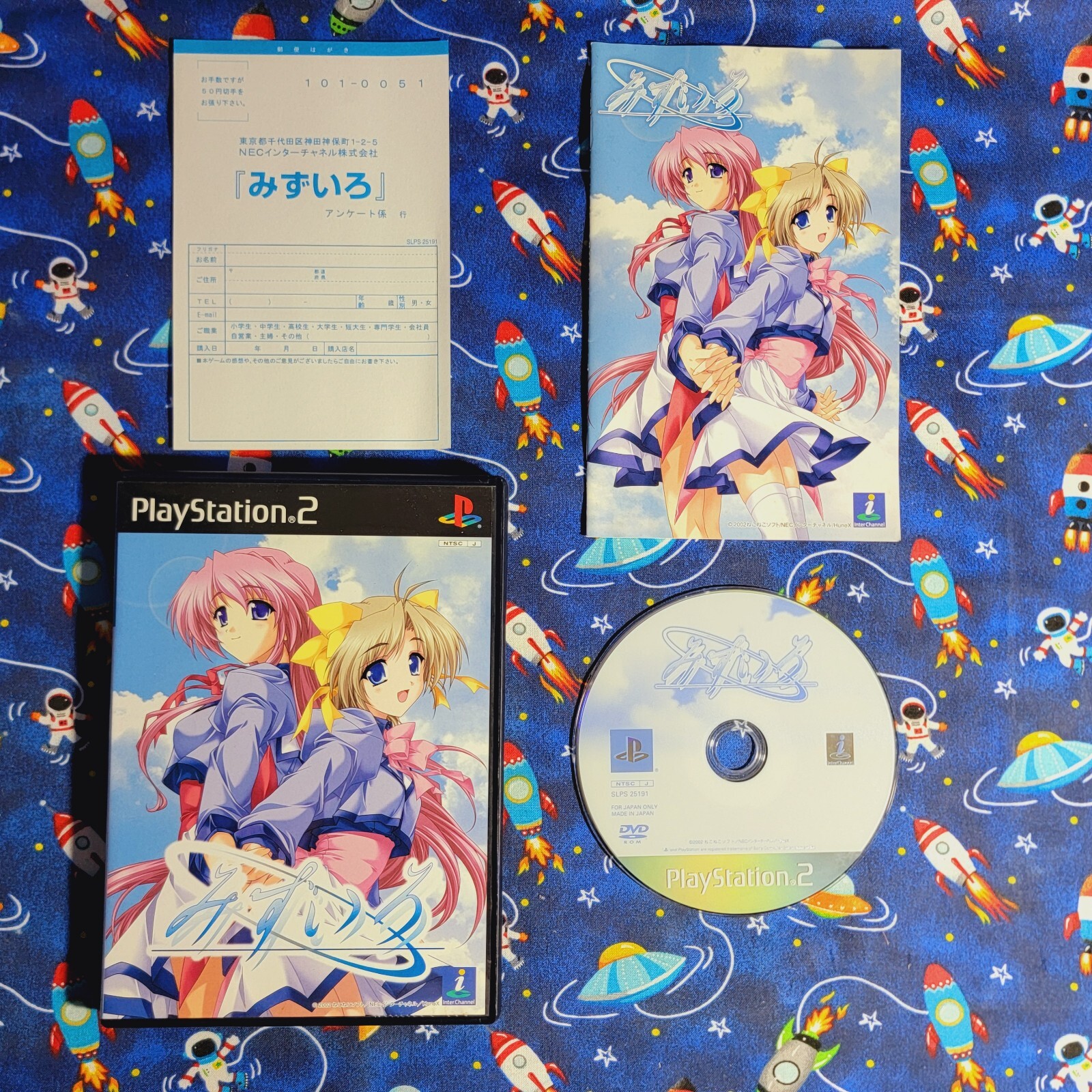
Yes, the PlayStation 2 (PS2) is region-locked. Each console was manufactured to operate exclusively with software produced for its specific geographic region. If you insert a game disc from a different region into a standard, unmodified PlayStation 2 console, the system will fail to recognize the disc or display a regional incompatibility error, preventing the software from launching.
The Mechanism of Regional Lockout on the PlayStation 2
Regional lockout was a standard practice in the video game industry during the early 2000s, designed to allow publishers to control the release schedules, pricing, and distribution of games across different global markets. For the PlayStation 2, this was implemented primarily through the console's firmware and the optical disc format.
Each PlayStation 2 console contains a region code embedded within its internal hardware settings. When a game disc is inserted, the console performs a verification process. It reads the region code on the disc—which corresponds to specific geographical areas defined by Sony—and compares it against the console's own internal code. If the two do not match, the system prevents the game from executing. This serves as a digital barrier that discourages the importation of games from abroad, effectively segmenting the global market into distinct zones.
Defining the PS2 Regional Zones
Sony categorized the global market into several distinct regions, each represented by a specific NTSC or PAL television standard. Understanding these zones is essential for collectors and gamers who seek to import titles from international markets.
- NTSC-U/C: This region includes North America (United States, Canada) and typically South American territories. Games released in this region are formatted for the NTSC television signal standard.
- PAL (Europe/Oceania): This covers most of Europe, Australia, and New Zealand. PAL games operate at a different frame rate (50Hz) compared to NTSC games (60Hz), which is a significant factor in how the games render on compatible hardware.
- NTSC-J: This encompasses Japan and parts of East Asia. While this region shares the "NTSC" label with North American consoles, the internal region-locking mechanism still distinguishes between NTSC-U/C and NTSC-J, meaning the two are not interchangeable.
- Other Territories: Certain regions, such as parts of Asia (e.g., Hong Kong, Singapore), utilized specific variations of the PAL or NTSC standards, further complicating the compatibility map for original console owners.
The Role of Television Standards: NTSC vs. PAL
Beyond the software verification of region codes, the PlayStation 2 hardware was built to accommodate the television broadcasting standards prevalent in its respective market. This adds another layer of complexity to the question of region locking.
NTSC (National Television System Committee) was the standard for North America and Japan, operating at a 60Hz refresh rate. PAL (Phase Alternating Line) was the standard for Europe, utilizing a 50Hz refresh rate. Because of these fundamental differences in how video signals are generated and displayed, even if one were to bypass the regional lockout, a PAL game might not display correctly on an NTSC television, or vice-versa. Users would often experience visual issues, such as rolling screens, incorrect color balance, or, in some cases, a complete lack of a video signal. While some high-end or multi-format televisions could adjust to these signal differences, most standard consumer televisions in the early 2000s were restricted to the standard of their specific region.
Comparative Overview of Regional Compatibility
| Feature | NTSC-U/C | NTSC-J | PAL |
|---|---|---|---|
| Primary Markets | North America | Japan | Europe / Australia |
| Refresh Rate | 60Hz | 60Hz | 50Hz |
| Region Code | 1 | 2 (Japan) | 4 (Europe/PAL) |
| Disc Compatibility | NTSC-U/C Discs | NTSC-J Discs | PAL Discs |
Legal and Technical Implications of Bypassing Region Locks
To play games from outside their region, many users historically turned to hardware modifications (modchips) or software-based boot loaders (such as Swap Magic). It is important to distinguish the technical nature of these solutions from their legal standing and potential risks.
Modchips are physical hardware additions soldered onto the PS2 motherboard. They override the system’s internal region-check routines, allowing the console to boot discs from any region. While functional, the installation of these chips requires advanced soldering skills and carries a high risk of permanently damaging the console’s sensitive electronic components. Furthermore, many of these chips were associated with the playback of unauthorized software, which led to significant legal scrutiny regarding intellectual property and anti-circumvention laws.
Software-based solutions, such as boot discs, were generally considered less invasive but relied on the console's ability to read and execute a "swap" disc, which would then trick the console into accepting an imported game. These methods often put significant mechanical stress on the PS2’s optical disc drive, which is a common failure point for the aging hardware as of 2026.
Risks to Hardware Longevity
In the current year of 2026, the PlayStation 2 is a legacy console. The optical drives, which are essential for reading original game discs, are increasingly fragile. Modifying a console or using heavy-duty swap methods to bypass region locks can accelerate the wear and tear on the laser lens and the disc tray mechanism. Given the limited availability of original replacement parts, many enthusiasts are moving toward preserving their consoles in their original state rather than subjecting them to modifications.
If you are a collector who has acquired a game from a different region, consider the following risks before attempting to modify your system:
- Permanent Hardware Failure: Poorly installed modchips can short-circuit the motherboard, rendering the console unrepairable.
- Increased Lens Wear: Constant use of third-party boot software can tax a laser that may already be nearing the end of its operational life.
- Lack of Support: Official Sony repair services for the PlayStation 2 concluded years ago, meaning any damage caused by modification attempts must be handled by private hobbyists or independent repair shops, often at significant cost.
Frequently Asked Questions
Can I use a Japanese game in a North American PS2 if I change the video settings? No. While you can change settings for screen alignment or aspect ratio in some games, the internal region-locking mechanism is independent of these display settings. The system will detect the region mismatch during the initial disc verification process and refuse to boot the game regardless of your display output preferences.
Do all games for the PS2 carry region codes? Yes. Virtually every commercial disc released for the PlayStation 2 includes a region code. While some early promotional discs or non-game media discs were occasionally produced as "region-free," these are the exception rather than the rule. If a disc is an official game release, it is almost certainly region-locked.
Does a "Region-Free" modchip exist for the PS2? Yes, historically, several "region-free" modchips were developed. However, these are largely obsolete in the current market and are generally not recommended due to the difficulty of sourcing reliable hardware and the high risk of installation error. Many users now prefer alternative methods that do not require physical hardware modification, such as using specialized memory card software.
Are PlayStation 2 games on the PlayStation Store also region-locked? If you are referring to digital titles available on contemporary digital storefronts, those are tied to the regional account you are using. You cannot typically access or download software from a foreign store (e.g., a Japanese store) using a North American account. Digital content is governed by your account’s geographic registration rather than the physical console’s regional hardware code.
Why did Sony implement region locking in the first place? Region locking was primarily used to enforce regional pricing strategies and to protect local distributors. By restricting games to specific territories, companies could release games at different times and price points to match local economic conditions and market competition, preventing "gray market" imports from disrupting these controlled releases.
Practical Advice for Collectors
If your primary goal is to play games from other regions, the most effective approach today is to source a dedicated console from that specific region. While this requires a higher upfront investment and requires you to have a television capable of handling the different signal formats, it is the safest way to maintain the integrity of your hardware.
For those strictly interested in playing imported titles without the cost of a second console, ensure your current setup can handle the video frequency conversion, and always research the specific regional requirements of the games you intend to play. If you possess a rare or valuable collection of imported games, prioritize the preservation of your original hardware. Using unofficial software or hardware modifications should be considered an absolute last resort, as the risk of damaging a functional, vintage PlayStation 2 is significant.