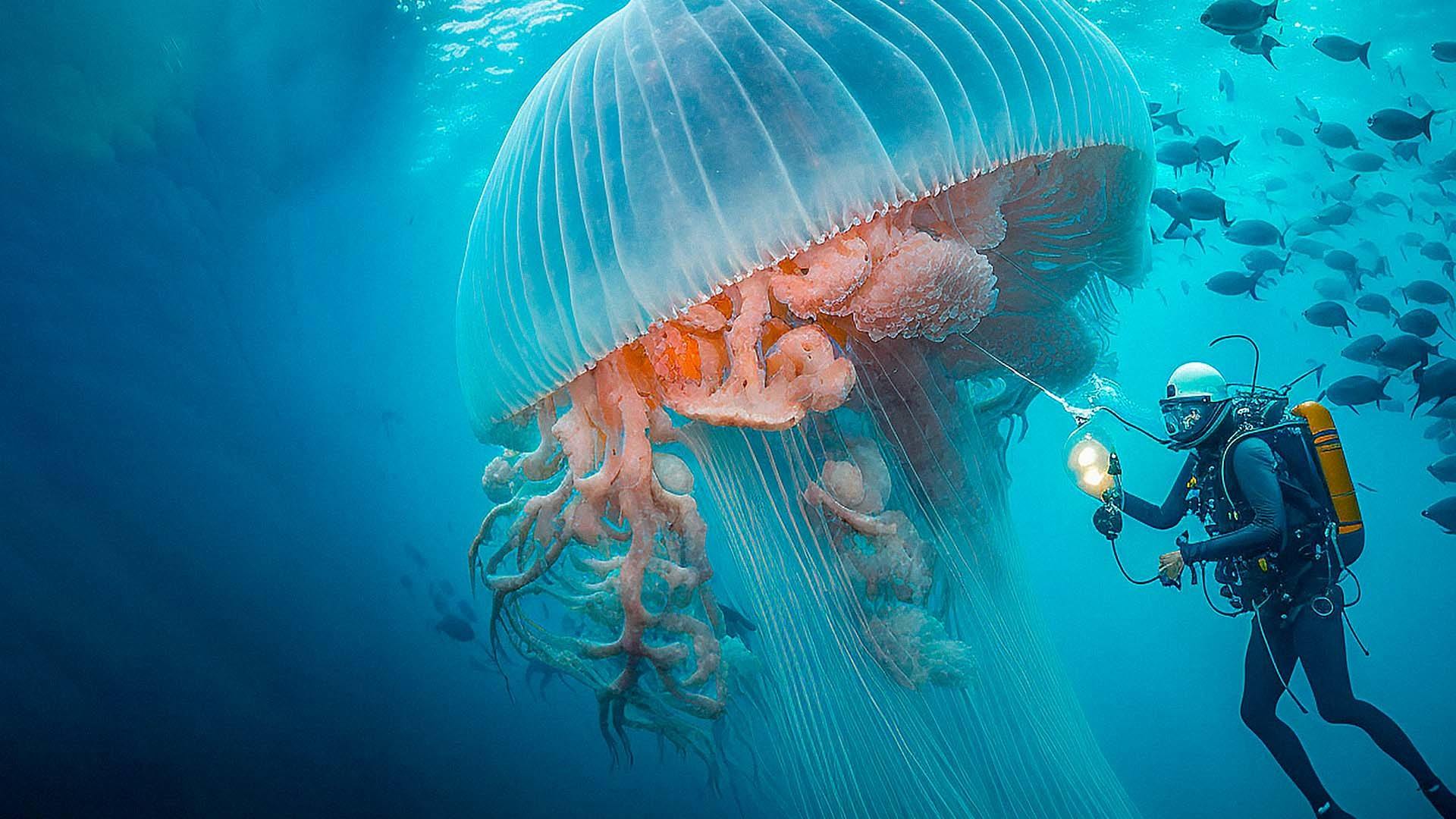
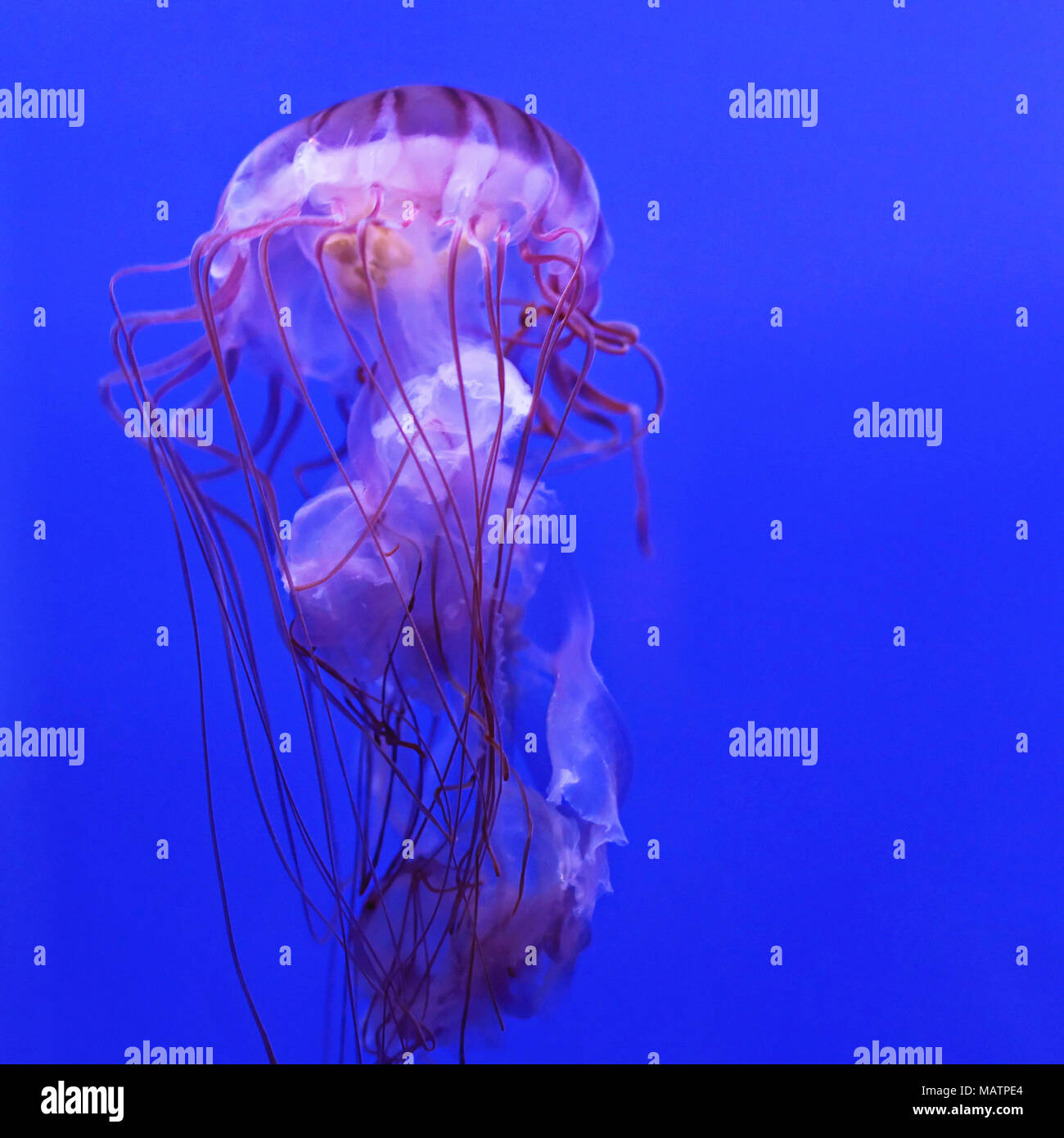
Purple jellyfish, most notably the Pelagia noctiluca, colloquially referred to as the "mauve stinger," are indeed dangerous to humans. They possess potent nematocysts—specialized stinging cells located on their tentacles and oral arms—that deliver a painful, often burning sensation upon contact. While their stings are rarely fatal to healthy adults, they can cause significant localized pain, skin irritation, and, in rare instances of allergic sensitivity or massive exposure, systemic complications that require medical attention.
Understanding the Purple Jellyfish (Pelagia noctiluca)
To manage safety around these marine organisms, it is essential to identify the specific species. The term "purple jellyfish" is frequently used by beachgoers to describe the Pelagia noctiluca. This species is relatively small, typically measuring between 3 to 12 centimeters in bell diameter. Its coloration can range from deep purple to pink or reddish-brown, often adorned with darker spots or warts along the bell.
Unlike some jellyfish that inhabit deep ocean trenches, the Pelagia noctiluca is a pelagic species, meaning it often drifts near the surface. They are bioluminescent, which adds to their distinct appearance, particularly in low-light conditions. Their tentacles can extend significantly further than the diameter of their bell, creating a wide "danger zone" that is often difficult for swimmers to detect until contact is made.
The Mechanics of the Sting
The primary reason purple jellyfish are considered dangerous is the specialized biological mechanism they use for both defense and capturing prey. The nematocysts are microscopic, spring-loaded capsules located within the jelly’s tissue. When stimulated by chemical signals or physical contact, these capsules eject a thread-like tubule that penetrates the skin.
This process is nearly instantaneous. Once the tubule penetrates the human epidermis, it injects a complex mixture of proteins and enzymes—essentially a biochemical cocktail—designed to paralyze or kill small marine organisms. In humans, this cocktail causes an immediate inflammatory response. The severity of the sting depends on several factors:
- Surface Area of Contact: The more tentacles that brush against exposed skin, the higher the concentration of venom injected.
- Location on the Body: Areas with thinner skin or areas closer to the face and neck are generally more sensitive to the inflammatory effects of the venom.
- Individual Sensitivity: As with bee stings, some individuals may have a heightened immune response, leading to a more severe reaction or even anaphylaxis.
Clinical Symptoms and Immediate Reactions
When a person is stung by a purple jellyfish, the immediate sensation is usually described as a sharp, intense burning or stinging pain. Within minutes, the affected skin typically develops a raised, red, or purple rash. This is often accompanied by itching and a throbbing sensation that can last for several hours.
In more severe cases, individuals may experience systemic symptoms. These can include nausea, dizziness, vomiting, headache, or muscle cramps. If you experience difficulty breathing, chest pain, or swelling of the face or throat after contact, this indicates a potential severe allergic reaction, and emergency medical services should be contacted immediately.
Essential First Aid Procedures
If you or someone in your vicinity is stung by a purple jellyfish, staying calm is the most critical first step. Panic increases heart rate, which can accelerate the circulation of any toxins throughout the body. Follow these evidence-based steps to mitigate the damage:
- Exit the Water: Get to a safe, dry area to avoid further stings or potential secondary accidents like drowning if symptoms lead to shock.
- Rinse with Seawater: Use abundant seawater to rinse the affected area. Do not use fresh water, as the osmotic change can trigger undischarged nematocysts to fire, effectively increasing the dose of venom.
- Remove Remaining Tentacles: If visible tentacles are stuck to the skin, do not touch them with your bare hands. Use a pair of tweezers or a credit card to gently scrape them off. Wearing gloves or using a thick towel as a barrier is recommended if tools are unavailable.
- Heat Application: Research suggests that immersion in hot water (ideally around 40–45°C or 104–113°F) for 20 to 30 minutes is effective at denaturing the protein-based toxins found in many jellyfish stings. If hot water is not available, a heat pack can be used.
- Monitor for Allergic Reactions: Keep a close eye on the victim for signs of anaphylaxis, such as airway constriction or rapid swelling.
Common Myths and Misconceptions
There is persistent folklore regarding jellyfish sting treatment that can actually exacerbate the injury. Specifically, do not urinate on the sting. The chemistry of urine is inconsistent and can cause the nematocysts to release more venom. Similarly, avoid rubbing the area with sand, as this physically grinds the stinging cells deeper into the skin. Alcohol, vinegar, and ammonia should also be avoided unless specifically advised by a medical professional, as their efficacy is unproven for Pelagia noctiluca and may trigger further stinging.
Risk Assessment and Prevention
The best way to handle the danger posed by purple jellyfish is to avoid them entirely. In 2026, many coastal regions utilize sophisticated monitoring and notification systems. Beach patrol and lifeguards frequently monitor water conditions and jellyfish blooms.
- Heed Warning Flags: Most popular swimming beaches use color-coded flag systems. A purple or yellow flag often indicates the presence of hazardous marine life, including jellyfish.
- Wear Protective Clothing: When swimming in areas known for high jellyfish populations, wearing a "stinger suit" or a thin wetsuit can provide a physical barrier. These suits are made of materials that prevent the nematocysts from making direct contact with the skin.
- Avoid Turbid Water: Jellyfish are often harder to see in choppy or murky water. If visibility is low, consider skipping your swim.
- Respect Dead Jellyfish: Even if a purple jellyfish is washed up on the sand and appears dead, it is not necessarily safe. The nematocysts can remain active for an extended period, even after the organism has died. Never touch a jellyfish on the beach with bare hands.
Comparative Risk Factors
To better understand the severity of purple jellyfish, it is helpful to contrast them with other marine hazards. While they are a nuisance and a source of pain, they are generally not considered as life-threatening as the box jellyfish found in the Indo-Pacific.
| Hazard | Primary Threat | Relative Severity |
|---|---|---|
| Purple Jellyfish (P. noctiluca) | Pain, dermatitis, systemic illness | Moderate |
| Box Jellyfish (Chironex fleckeri) | Cardiac arrest, rapid toxicity | Extremely High |
| Sea Urchins | Puncture wounds, infection | Low (unless allergic) |
| Stingrays | Barbed lacerations, venom | Moderate |
Long-Term Healing and Recovery
For most stings, the initial pain begins to subside within a few hours. However, the skin may remain irritated, itchy, and red for several days. During the recovery phase, keep the area clean to prevent secondary bacterial infection.
Over-the-counter hydrocortisone creams or antihistamines can often help manage the itching and local inflammation. If the pain persists beyond 24 hours, or if the rash begins to show signs of infection (such as increasing warmth, pus, or fever), seek professional medical advice. It is also important to remember that some people may develop a delayed hypersensitivity reaction, where the skin rash worsens or spreads days after the initial exposure.
Frequently Asked Questions
Can I get stung by a purple jellyfish if I am not in the water? No, you cannot be stung unless you make physical contact with the tentacles or the oral arms of the creature. However, be cautious when walking on the beach, as washed-up jellyfish remain dangerous to the touch.
Why does my skin feel like it is burning after the sting? The burning sensation is a chemical reaction caused by the toxins injected into your skin by the nematocysts. These toxins trigger an inflammatory response that stimulates pain receptors in the nerve endings of your skin.
Is it safe to go back into the water immediately after treatment? It is generally advised to stay out of the water for the remainder of the day. If a bloom of purple jellyfish is present, the risk of receiving further stings in the same vicinity is high. Wait until the local beach authorities declare the water safe for swimming again.
Should I use vinegar to treat a purple jellyfish sting? While vinegar is effective for some species (like certain box jellyfish), it is not recommended for Pelagia noctiluca. There is evidence that acetic acid can actually trigger the discharge of nematocysts in this species, potentially worsening the sting. Stick to hot water immersion.
Can children handle jellyfish stings better than adults? Children are generally at higher risk. Because they have a lower body mass, the concentration of venom relative to their body size is higher. Additionally, their skin is thinner, which may allow for deeper penetration of the stinging cells. Always exercise extra caution with children in areas where jellyfish are present.
Final Recommendation
If you encounter purple jellyfish while swimming or lounging on the shore, the most prudent action is to maintain a wide berth. If you are stung, prioritize leaving the water and using heat—not cold or chemicals—to mitigate the pain. Should you observe symptoms beyond localized burning, such as difficulty breathing or intense dizziness, do not hesitate to seek emergency medical care. Keeping these protocols in mind allows for safer enjoyment of coastal environments throughout the 2026 season and beyond.