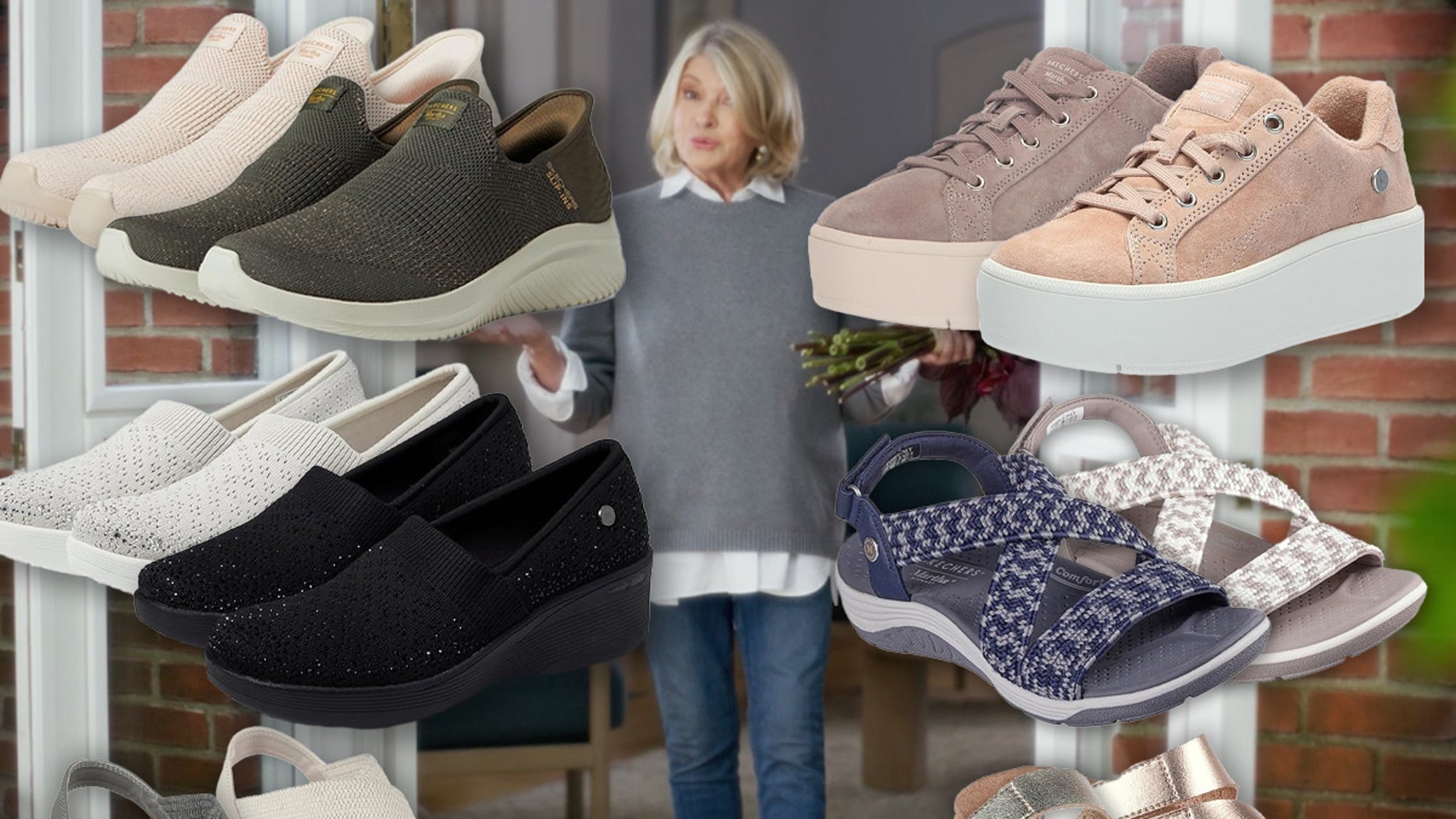
Investing in a Martha Stewart collection is generally considered worth the effort because these products bridge the gap between high-end artisanal design and mass-market accessibility. Whether you are sourcing vintage pieces from the early Kmart years or modern essentials from contemporary retailers, the brand’s commitment to functional beauty, durable materials, and timeless color palettes ensures that the items remain useful and aesthetically relevant for decades.
The Martha Stewart Philosophy: Why Effort Equals Value
To understand why a Martha Stewart collection is usually worth the effort, one must first understand the "Martha" standard of domesticity. For over four decades, Martha Stewart has translated professional-grade standards into consumer-grade products. The "effort" involved often refers to the search for specific discontinued patterns, the maintenance of high-quality materials like copper and silver, or the initial investment in a complete set of coordinated goods.
The value proposition of these collections lies in three specific pillars: utility, durability, and aesthetic cohesion. Unlike many "celebrity brands" that simply slap a name on a generic product, Stewart’s team has historically been deeply involved in the technical specifications—from the weight of a Dutch oven to the thread count and fiber origin of a bath towel. In 2026, as the market is flooded with "fast-homeware," the deliberate construction of Stewart’s legacy collections stands out as a benchmark for quality.
The Evolution of the Collections: From Kmart to Marquee Brands
The history of Martha Stewart’s product lines is essential for any collector or savvy shopper. The effort to find "the right" Martha Stewart item often requires knowing which era a product belongs to, as manufacturing standards and retail partners have shifted over time.
The Martha Stewart Everyday Era (1997–2009)
Perhaps the most famous iteration, the partnership with Kmart, democratized good design. While Kmart was a discount retailer, the "Everyday" collection was remarkably high-quality. The 100% cotton towels and percale sheets from this era are still found in secondary markets today, often in excellent condition. The "effort" here involves scouring thrift stores or online resale platforms for these "vintage" pieces, which many enthusiasts claim surpass the quality of modern mid-tier brands.
The Macy’s Martha Stewart Collection (2007–Early 2020s)
The Macy’s partnership elevated the brand to a "masstige" (mass-prestige) level. This era focused on heavy-duty kitchenware, including the celebrated enameled cast iron line. These pieces were often manufactured to specifications that rivaled premium European brands but at a third of the cost. The effort to curate a kitchen with these items resulted in a professional-looking space that performed exceptionally well under high heat and heavy use.
The Modern Licensing Era (2020s–2026)
Following the acquisition of the brand by Marquee Brands, the collections expanded into diverse channels, including Amazon, Wayfair, and specialized furniture retailers. In 2026, the focus remains on accessibility, but the "effort" has shifted toward discerning which specific product lines maintain the original high standards of material science and which are more focused on trend-driven aesthetics.
Kitchenware: The Technical Standard of Martha Stewart Collections
The kitchen is where a Martha Stewart collection most frequently proves its worth. The brand’s culinary tools are designed for people who actually cook, which means the technical specifications often exceed the requirements of a casual user.
- Enameled Cast Iron: The Martha Stewart Collection enameled Dutch ovens are legendary for their thick porcelain coating and heavy lids that create a tight seal. Technical evaluations consistently show that these pots provide even heat distribution comparable to brands like Le Creuset. The effort to properly season and clean these items is rewarded with a lifetime of service.
- Stainless Steel Cookware: Most Martha Stewart stainless steel sets utilize an aluminum core encapsulated by 18/10 stainless steel. This construction ensures rapid heating (from the aluminum) and a non-reactive, durable surface (from the steel).
- Whiteware and Dinnerware: One of the most enduring "efforts" for collectors is building a set of Martha Stewart whiteware. The brand championed the idea that food looks best on white plates. These collections are typically made of high-fired porcelain, which is resistant to chipping and thermal shock, making them suitable for both formal dinners and everyday microwave use.
Textiles and the "Touch Test"
The effort to source Martha Stewart linens is almost always justified by the tactile experience. In the realm of textiles, the brand has historically focused on "long-staple" cotton.
Bath Towels
A Martha Stewart towel collection is characterized by high GSM (Grams per Square Meter). A standard high-quality towel usually sits between 600 and 900 GSM. Stewart’s premium lines often utilize "zero-twist" cotton loops, which increase surface area for faster drying and a plusher feel. For a homeowner in 2026, investing in a full set of these towels means fewer replacements over a ten-year period, as the reinforced headers (the edges of the towel) prevent the "puckering" common in cheaper alternatives.
Bedding and Thread Count
The brand was instrumental in educating the public that thread count isn't the only metric of quality—fiber quality matters more. Martha Stewart collections often emphasize long-staple cotton percale, which provides a crisp, cool sleeping surface that softens with every wash rather than pilling or thinning out.
Comparing Martha Stewart Collection Tiers (2026 Market View)
This table compares the different "efforts" required for various collection categories and their expected longevity.
| Collection Category | Primary Material Standard | Value Proposition | Expected Lifespan |
|---|---|---|---|
| Kitchen (Cast Iron) | Enameled 18/10 Steel/Iron | Professional performance; heat retention. | 20+ Years |
| Kitchen (Gadgets) | Silicone & Stainless Steel | Ergonomic design; BPA-free; dishwasher safe. | 5–10 Years |
| Textiles (Bed/Bath) | Long-staple Egyptian/Pima Cotton | Breathability; pilling resistance; colorfastness. | 7–12 Years |
| Furniture (Outdoor) | Powder-coated Aluminum / Resin Wicker | Weather resistance; classic "Bedford" style. | 10–15 Years |
| Organization | Heavy-duty plastics / Natural Fibers | Modular design; maximizes small-space utility. | 15+ Years |
Why the "Effort" of Maintenance is Part of the Value
A common critique of high-quality collections is the maintenance required. However, in the context of Martha Stewart products, this effort is a form of stewardship that preserves the asset's value.
- Copper Cookware: Martha Stewart’s copper collections require regular polishing with acid-based cleaners (like lemon and salt) to prevent oxidation. While this takes effort, copper offers the highest thermal conductivity of any cookware material, providing precision that stainless steel cannot match.
- Silver-Plated Flatware: Unlike disposable plastic-handled cutlery, Stewart’s silver-plated lines require occasional polishing. The payoff is a table setting that gains a "patina" (a soft glow from micro-scratches) over time, which is highly prized by interior designers.
- Garden Tools: Her collections often feature wooden handles and carbon steel heads. The effort to oil the wood and sharpen the steel ensures these tools outperform and outlast fiberglass alternatives.
The Resale Market: Is it a Good Investment?
As of 2026, a secondary market has matured for "Legacy Martha" items. Collectors specifically seek out the "Jadeite" glass collections and the original Kmart-era "Blueberry" and "Light Sage" colorways.
The effort to track these items on platforms like eBay or at estate sales is often worth it because the items hold their value remarkably well. A well-maintained Martha Stewart Dutch oven from 2015 can often be resold for 60-70% of its original retail price, a rarity in the world of used kitchen appliances. This "resale ceiling" exists because the designs are classic; they do not look "dated" even ten or twenty years later.
Potential Limitations and Common Mistakes
While a Martha Stewart collection is usually worth the effort, there are pitfalls to avoid:
- Over-purchasing Trends: Some limited-edition seasonal items (like specific holiday-themed ceramics) may not have the same long-term utility as the core "Everyday" or "Whites" collections.
- Ignoring Care Instructions: High-quality textiles (especially those with delicate embroidery) can be ruined by high-heat drying. The "effort" includes reading the tag.
- Counterfeit and Licensing Dilution: In the mid-2020s, some lower-tier licensed products appeared in "dollar" store formats. These lack the technical specifications of the Macy’s or Amazon "Martha Stewart Lab" lines. Always check for material transparency (e.g., "100% Cotton" vs. "Cotton Blend").
FAQs: Maximizing the Value of Your Collection
Is Martha Stewart kitchenware dishwasher safe?
Most modern Martha Stewart stainless steel and porcelain items are dishwasher safe. However, to ensure the collection remains "worth the effort" long-term, hand-washing is recommended for enameled cast iron and any cutlery with wooden handles to prevent dulling and cracking.
How do I identify "vintage" Martha Stewart Kmart items?
Look for the "Martha Stewart Everyday" logo, typically featuring a simple serif font. These items often include specific color names on the tags like "Butterfield" or "Sea Glass." The quality of the stitching on textiles is a primary indicator—vintage pieces usually have a higher stitch-per-inch count than modern budget linens.
Why is the Martha Stewart cast iron cheaper than Le Creuset if it’s "worth the effort"?
The price difference is largely due to the manufacturing location (often China for Martha Stewart vs. France for Le Creuset) and the thickness of the enamel. While Le Creuset is the "gold standard," Martha Stewart’s version provides approximately 90% of the performance at 30% of the cost, which is why it is considered a high-value investment.
Can I still find replacement pieces for discontinued Martha Stewart patterns?
Yes, but this is where the "effort" comes in. Sites like Replacements, Ltd. and dedicated Facebook collector groups are the primary sources for discontinued dinnerware patterns from the Macy’s and Kmart eras.
Are the Martha Stewart furniture collections durable for outdoor use?
Yes, particularly the lines featuring powder-coated aluminum frames. Unlike cheap steel furniture that rusts within two seasons, the aluminum collections are rust-proof and designed to withstand UV exposure without significant fading, provided they are covered during winter months.
What is the most "valuable" Martha Stewart item to collect in 2026?
Currently, the Martha Stewart Jadeite (milk glass) produced in the late 90s and early 2000s has seen the highest appreciation in value. These pieces were reproductions of mid-century Fire-King glass and are now highly sought after for their iconic green hue and durability.
Final Recommendation
If you are looking to upgrade your home environment in 2026, focusing on a Martha Stewart collection—particularly in the realms of kitchenware and bed linens—is a strategically sound move. The "effort" required to select, maintain, and occasionally hunt for these pieces is repaid through their longevity and superior performance. Start by investing in the "core" items: a white porcelain dinnerware set, a 6-quart enameled Dutch oven, and 100% cotton percale sheets. These foundational pieces provide the best return on investment and serve as the backbone of a functional, beautiful home.