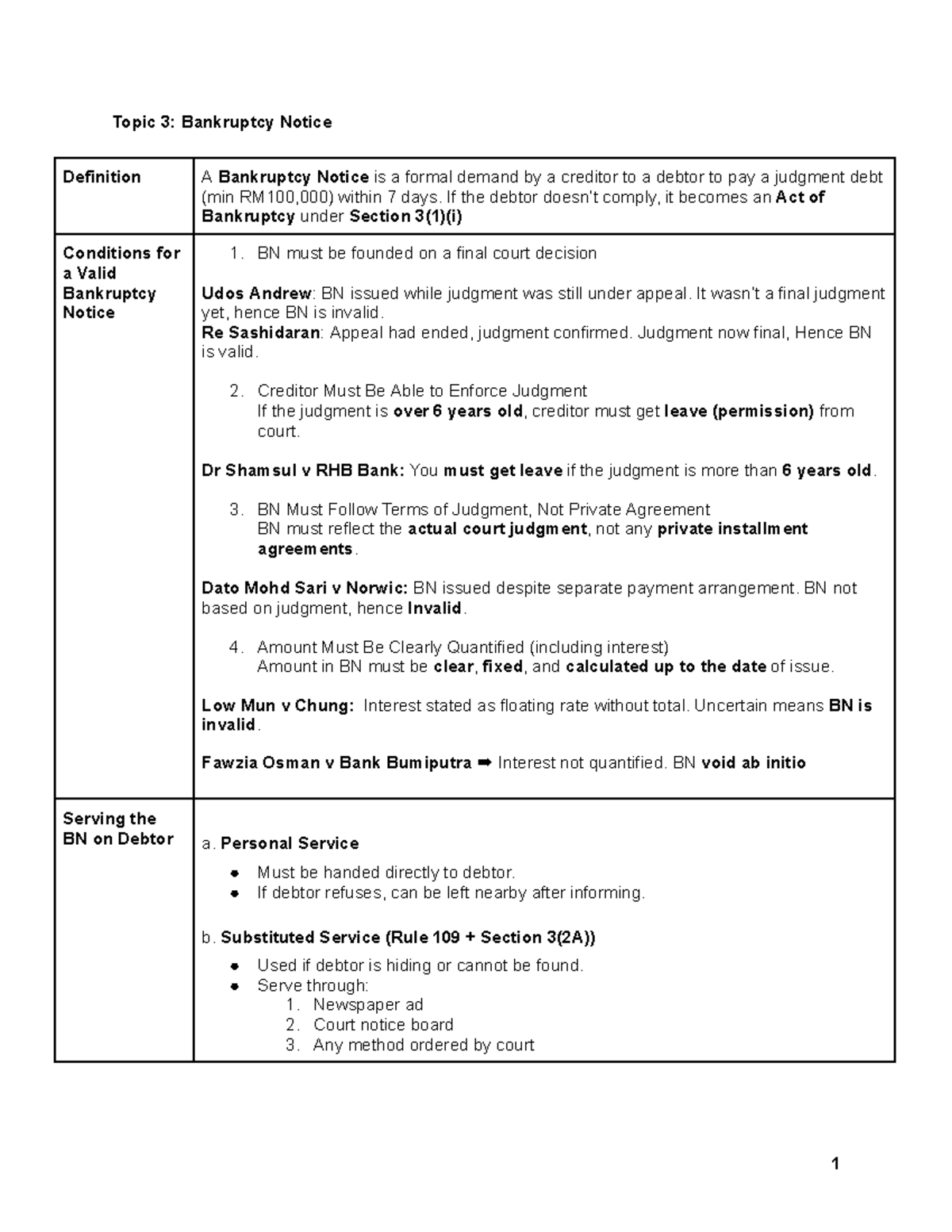
Filing for bankruptcy is a formal legal process that helps individuals and businesses eliminate or restructure their overwhelming debts under the supervision of federal bankruptcy courts, guided by specialized legal professionals. Navigating this intricate legal system requires a clear understanding of the statutory framework, eligibility thresholds, and strategic decision-making required to protect essential assets while seeking financial relief.
Understanding the Foundation of Bankruptcy Law
Bankruptcy law operates primarily at the federal level, governed by Title 11 of the United States Code. The core purpose of this legal framework is twofold: to provide honest, financially distressed debtors with a fresh financial start free from the crushing weight of insurmountable liabilities, and to ensure an equitable distribution of available assets to creditors. Because the United States Bankruptcy Code interacts heavily with state property exemptions, contract law, and civil procedure, legal representation is not merely procedural—it is fundamental to achieving a successful discharge.
When individuals or corporate entities find themselves drowning in debt caused by medical emergencies, job loss, failed business ventures, or unexpected economic downturns, attempting to navigate the system without legal counsel can lead to catastrophic errors. Debtors who represent themselves—known as proceeding pro se—face severe procedural hurdles, strict filing deadlines, and the constant risk of having their cases dismissed with prejudice. An experienced bankruptcy attorney acts as both a strategist and a shield, evaluating financial portfolios, communicating with aggressive creditors, and ensuring strict compliance with federal bankruptcy rules.
Chapter Overviews: Chapter 7 vs. Chapter 13 for Individuals
For individual debtors, the two primary pathways for relief are Chapter 7 and Chapter 13 liquidation and reorganization frameworks, respectively. Choosing between these chapters depends heavily on household income, asset ownership, and specific financial goals.
Chapter 7: Liquidation and Discharge
Chapter 7 bankruptcy is often referred to as "straight bankruptcy" or liquidation. Under this chapter, a court-appointed trustee reviews the debtor's non-exempt assets, liquidates them, and distributes the proceeds to unsecured creditors. However, federal and state exemption laws allow most filers to keep necessary personal property, tools of trade, primary residences, and vehicles.
- Eligibility: Determined by the "Means Test," which compares a household's current monthly income to the state median income for a household of the same size. Filers earning below the median qualify automatically; those above must pass a detailed expense calculation.
- Timeline: Typically resolves quickly, moving from filing to discharge within four to six months.
- Outcome: Most unsecured debts—such as credit cards, medical bills, and personal loans—are completely wiped out (discharged).
Chapter 13: Wage Earner Reorganization
Chapter 13 is designed for individuals with a regular steady income who have fallen behind on debts or possess non-exempt luxury assets they wish to protect. Instead of liquidating property, the debtor proposes a three- to five-year repayment plan to pay back a portion of their debts.
- Eligibility: Open to individuals with unsecured and secured debt totals that fall below statutory debt limits adjusted periodically by federal updates.
- Timeline: Lasts for a mandatory commitment period of 36 to 60 months, depending on income levels relative to state medians.
- Outcome: Once the repayment plan is successfully completed, the remaining eligible unsecured debts are discharged, allowing debtors to catch up on mortgage or car loan arrears over time.
| Bankruptcy Feature | Chapter 7 (Liquidation) | Chapter 13 (Reorganization) |
|---|---|---|
| Primary Goal | Discharge unsecured debt via asset liquidation | Repay a portion of debt via a 3-to-5-year plan |
| Means Test Requirement | Mandatory to determine eligibility | Required to determine repayment plan duration |
| Asset Protection | Relies entirely on statutory exemptions | Allows retention of non-exempt assets via plan payments |
| Typical Duration | 4 to 6 months from filing to discharge | 3 to 5 years of structured payments |
| Best Suited For | Low-income debtors with minimal non-exempt assets | Regular wage earners trying to save a home from foreclosure |
The Role of the Bankruptcy Attorney: What to Expect
Hiring an attorney is a comprehensive process that goes far beyond filling out standard court paperwork. A qualified bankruptcy lawyer provides critical guidance across every phase of the legal lifecycle.
Initial Consultation and Financial Audit
The relationship begins with a thorough financial consultation. The attorney will examine tax returns, pay stubs, bank statements, and comprehensive debt schedules. During this phase, the lawyer identifies hidden risks, such as recent large asset transfers, preferential payments made to family members, or luxury purchases accumulated shortly before filing. Spotting these issues early prevents allegations of bankruptcy fraud or fraudulent transfer.
Document Preparation and Petition Filing
Filing for bankruptcy requires completing dozens of complex official forms detailing assets, liabilities, current monthly income, and historical financial transactions. A minor omission or inaccurate valuation can lead to severe legal penalties or the dismissal of the case. Your attorney ensures absolute accuracy, compiles all required credit counseling certificates, and submits the official petition to the appropriate federal district court.
The Automatic Stay in Action
The moment a bankruptcy petition is filed, the court issues an automatic stay pursuant to Section 362 of the Bankruptcy Code. This injunction legally halts all collection activities, including foreclosure sales, wage garnishments, harassing creditor phone calls, and civil lawsuits. Your attorney actively notifies creditors of the filing to enforce the stay and can take legal action against creditors who willfully violate this federal protection.
Representation at the Meeting of Creditors
Approximately 20 to 40 days after filing, the debtor must attend the Meeting of Creditors (also known as the 341 Meeting). Despite its name, creditors rarely attend; instead, a government-appointed bankruptcy trustee questions the debtor under oath regarding their financial affairs and the accuracy of the petition. Your attorney prepares you thoroughly for this examination and stands beside you to object to improper lines of questioning or overreaching requests for documentation.
Corporate Restructuring: Chapter 11 and Business Bankruptcy
When commercial entities face insolvency, bankruptcy law provides mechanisms to either salvage the enterprise or wind it down in an orderly fashion. Chapter 11 bankruptcy is the primary vehicle for corporate reorganization, allowing businesses to continue operating while negotiating debt adjustments with creditors.
Small businesses often utilize specialized subcategories, such as Subchapter V of Chapter 11, which was streamlined to make the reorganization process faster, less expensive, and more accessible for smaller enterprises with limited debt burdens. Corporate bankruptcy attorneys must navigate complex issues involving commercial leases, vendor contracts, debtor-in-possession (DIP) financing, and fiduciary duties owed to creditors and shareholders alike.
Key Exemptions and Asset Protection Strategies
A common fear among prospective filers is the prospect of losing everything they own. Federal and state bankruptcy laws incorporate statutory exemptions designed to protect basic necessities of life, ensuring that a debtor is not left destitute.
- Homestead Exemption: Protects a designated amount of equity in the debtor's primary residence. Exemption limits vary dramatically by jurisdiction.
- Motor Vehicle Exemption: Shields a specific dollar amount of equity in a personal automobile used for commuting or family transportation.
- Personal Property and Household Goods: Protects clothing, basic furniture, household appliances, and retirement accounts (such as 401(k) plans and IRAs), which enjoy robust federal protections under ERISA rules.
An attorney evaluates whether to apply federal exemption statutes or state-specific exemptions based on residency requirements, maximizing the protection of the client's hard-earned property.
Common Pitfalls and Mistakes to Avoid
Navigating bankruptcy without professional guidance—or making missteps early in the process—can jeopardize the entire legal proceeding. Common errors include:
- Incurring Luxury Debt Before Filing: Running up credit cards for cash advances or luxury goods shortly before filing can lead creditors to object to the discharge of those specific debts on the grounds of fraud.
- Transferring Assets to Relatives: Giving away cars, real estate, or valuable collections to family members to shield them from the court is viewed as a fraudulent transfer and can result in criminal penalties or denial of the discharge.
- Failing to Disclose Assets: Omitting secondary bank accounts, side businesses, or valuable personal property constitutes perjury and compromises the integrity of the bankruptcy estate.
- Missing Credit Counseling Deadlines: Debtors must complete an approved credit counseling course within 180 days before filing and a debtor education course before receiving a discharge.
Practical Steps to Prepare for a Bankruptcy Consultation
To maximize the efficiency of your initial meeting with a bankruptcy attorney, you should assemble a comprehensive financial portfolio beforehand. Gather the following documentation:
- Tax returns from the past two federal filing years.
- Recent pay stubs or proof of income for the past six months from all household earners.
- Recent statements for all active bank accounts, retirement funds, investment portfolios, and life insurance policies.
- Complete billing statements and collection notices from all creditors, including unsecured lenders, mortgage servicers, auto lenders, and medical providers.
- A complete list of monthly living expenses, including rent, utilities, food, insurance, and transportation costs.
By organizing these records in advance, your attorney can quickly analyze your financial standing, determine your eligibility under the relevant chapters, and outline a clear, actionable roadmap toward financial recovery.