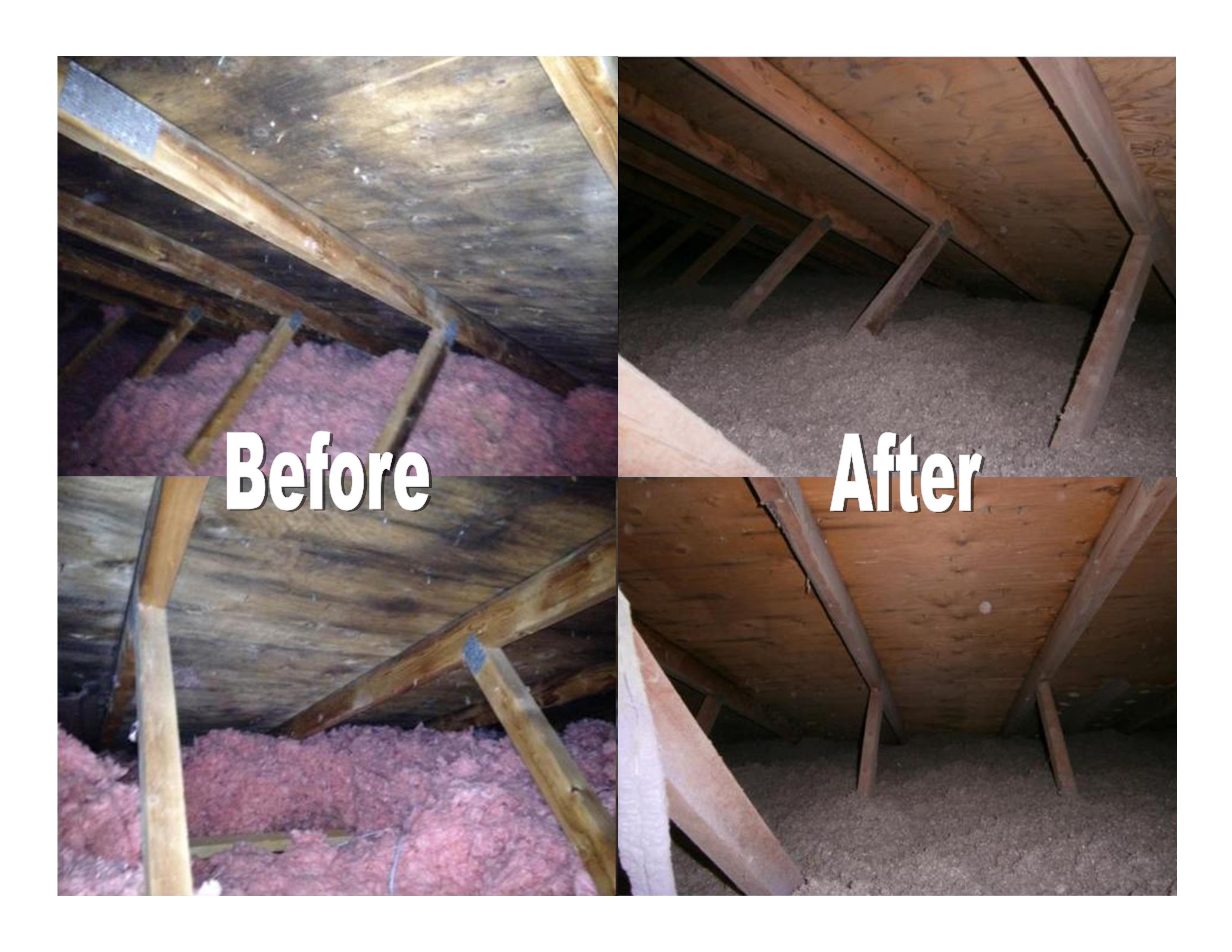
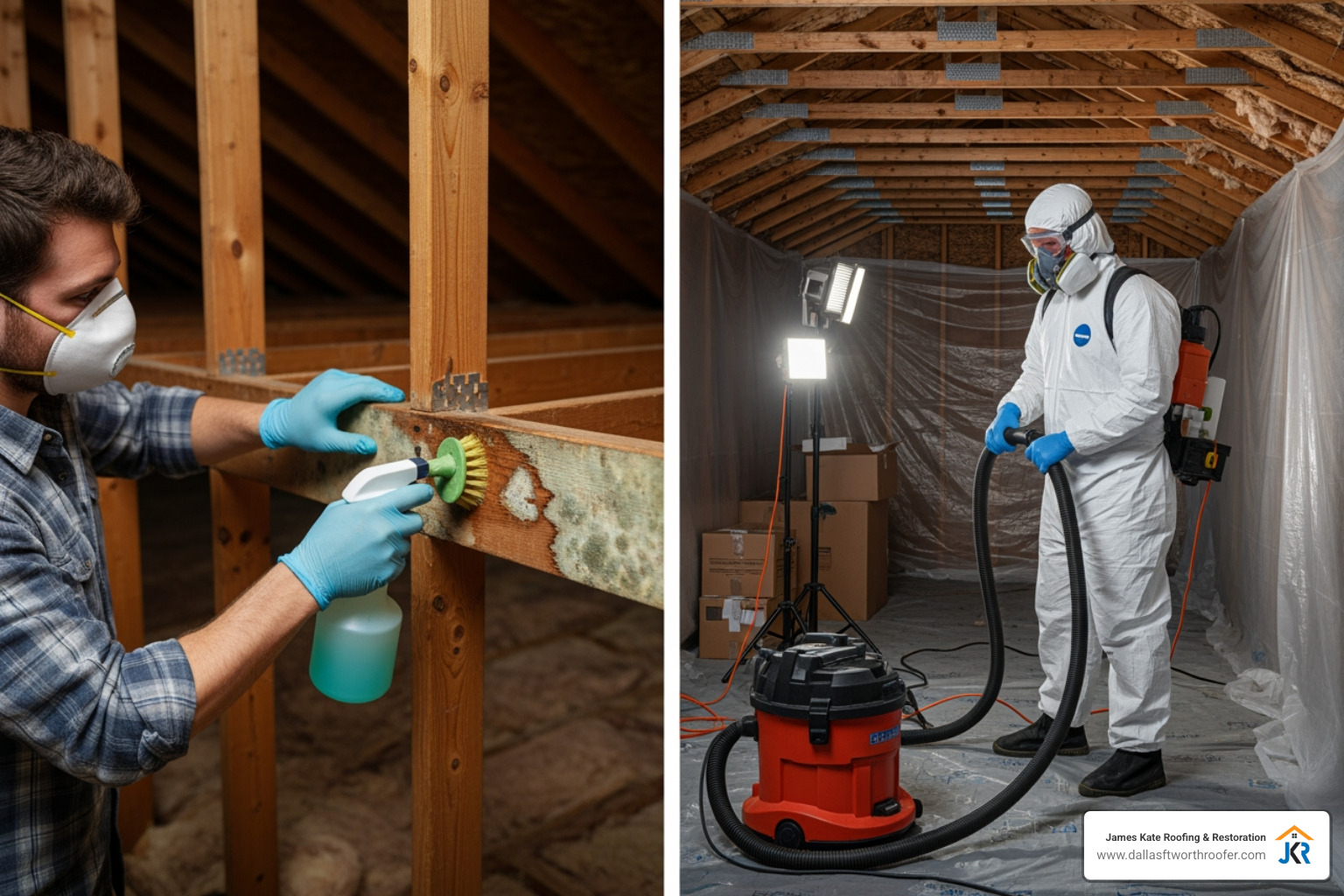
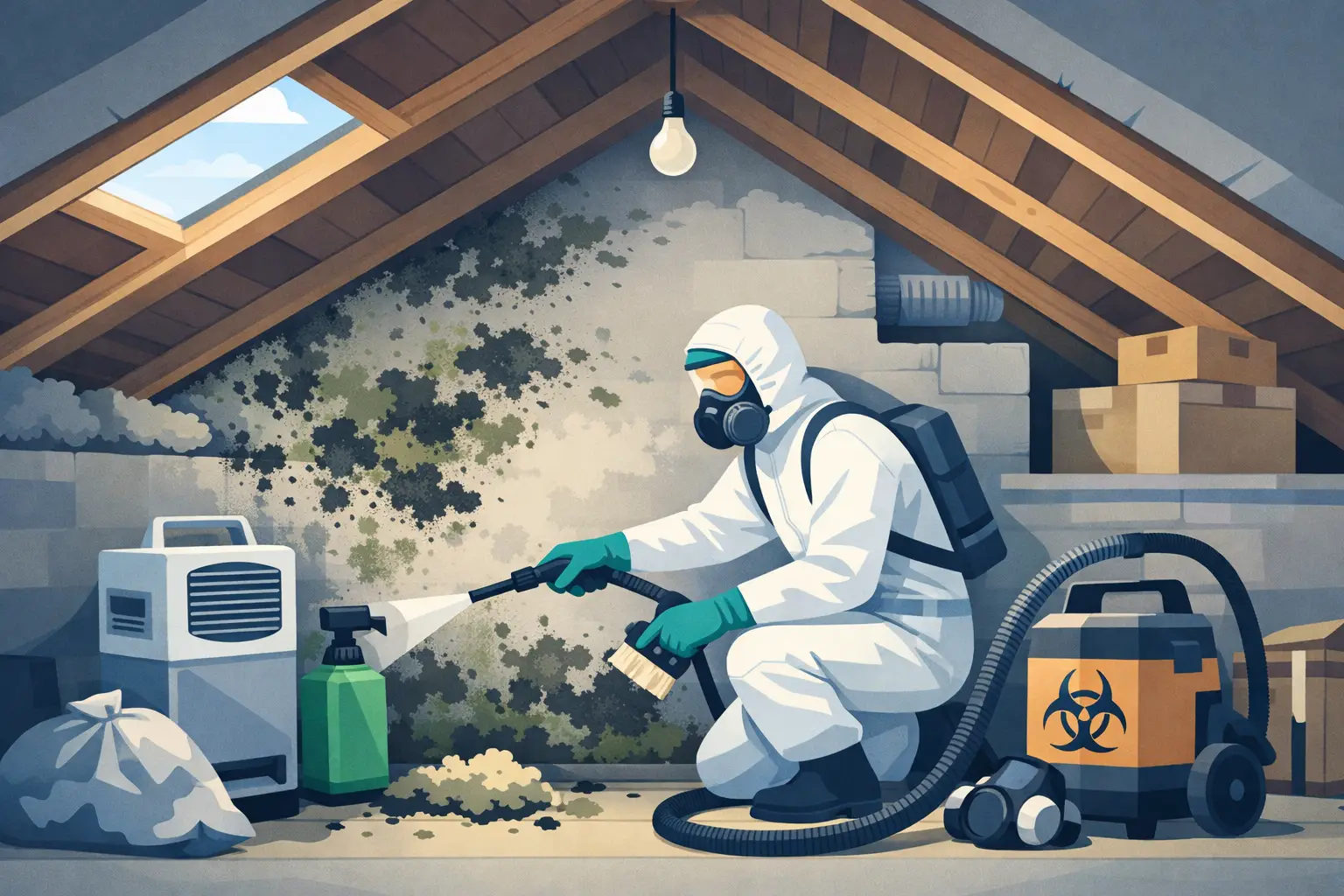
Attic mold remediation in West Bloomfield, MI involves isolating the attic with containment barriers, running HEPA-filtered air scrubbers, physically removing active fungal growth from roof sheathing using abrasive or antimicrobial methods, and resolving chronic moisture sources. Remediation eliminates health risks, restores structural framing, and prevents mold spores from infiltrating lower living areas.
Oakland County's distinct seasonal shifts—characterized by humid summers around local lakes and freezing winter temperatures—create prime conditions for attic moisture issues. When conditioned, humid air from your living space escapes into an unconditioned, cold attic, it meets freezing roof decking. The resulting condensation rapidly breeds mold. Resolving the problem requires both physical remediation and correcting ventilation or insulation deficiencies to ensure permanent results.
Why Attic Mold Is Prevalent in West Bloomfield Homes
West Bloomfield Township features unique geographic and architectural traits that heighten the risk of attic microbial growth. Recognized for its extensive lake networks—including Orchard Lake, Cass Lake, and Pine Lake—the local microclimate carries elevated ambient relative humidity through late spring, summer, and autumn.
During winter, the mechanism reverses through the stack effect. Warm, buoyant air generated by household heating, cooking, and bathing rises through the structure. In homes with unsealed ceiling penetrations (such as recessed light cans, attic access hatches, plumbing chases, and chimney flues), this warm, moisture-laden indoor air bypasses insulation and enters the freezing attic space.
When relative humidity at the surface of the wooden roof sheathing exceeds 70%, or when the temperature of the wood drops below the indoor air's dew point, water condenses on the rafters and oriented strand board (OSB) or plywood. This recurring moisture cycle provides the exact environment fungal spores need to germinate.
Several architectural characteristics common in West Bloomfield neighborhoods contribute directly to attic mold:
- Complex Rooflines and Valleys: Many multi-story custom and semi-custom homes built between the 1970s and 2000s feature hip roofs, dormers, and multiple valleys that interrupt natural cross-ventilation, creating stagnant air pockets where moisture accumulates.
- Improperly Terminated Bathroom Exhaust Fans: A frequent building defect involves contractor or homeowner exhaust ducts terminating directly inside the attic or blowing toward a soffit, rather than venting out through an insulated, dedicated roof cap.
- Blocked Soffit Vents: Blown-in fiberglass or cellulose insulation often shifts or is installed without proper rafter baffles (soffit chutes), smothering intake air vents along the eaves and halting passive airflow.
- Ice Damming: Snow accumulation on poorly insulated roofs melts over warm attic spots, runs down to freezing eaves, and freezes into ice dams. Trapped meltwater backs up beneath shingles and penetrates the wooden roof deck.
Recognizing the Warning Signs of Attic Mold
Because attics are unoccupied, microbial colonies can expand undetected for years until triggered by an inspection during a property sale, a roof replacement, or noticeable air quality problems in living spaces.
Common Visual Indicators of Attic Moisture & Mold
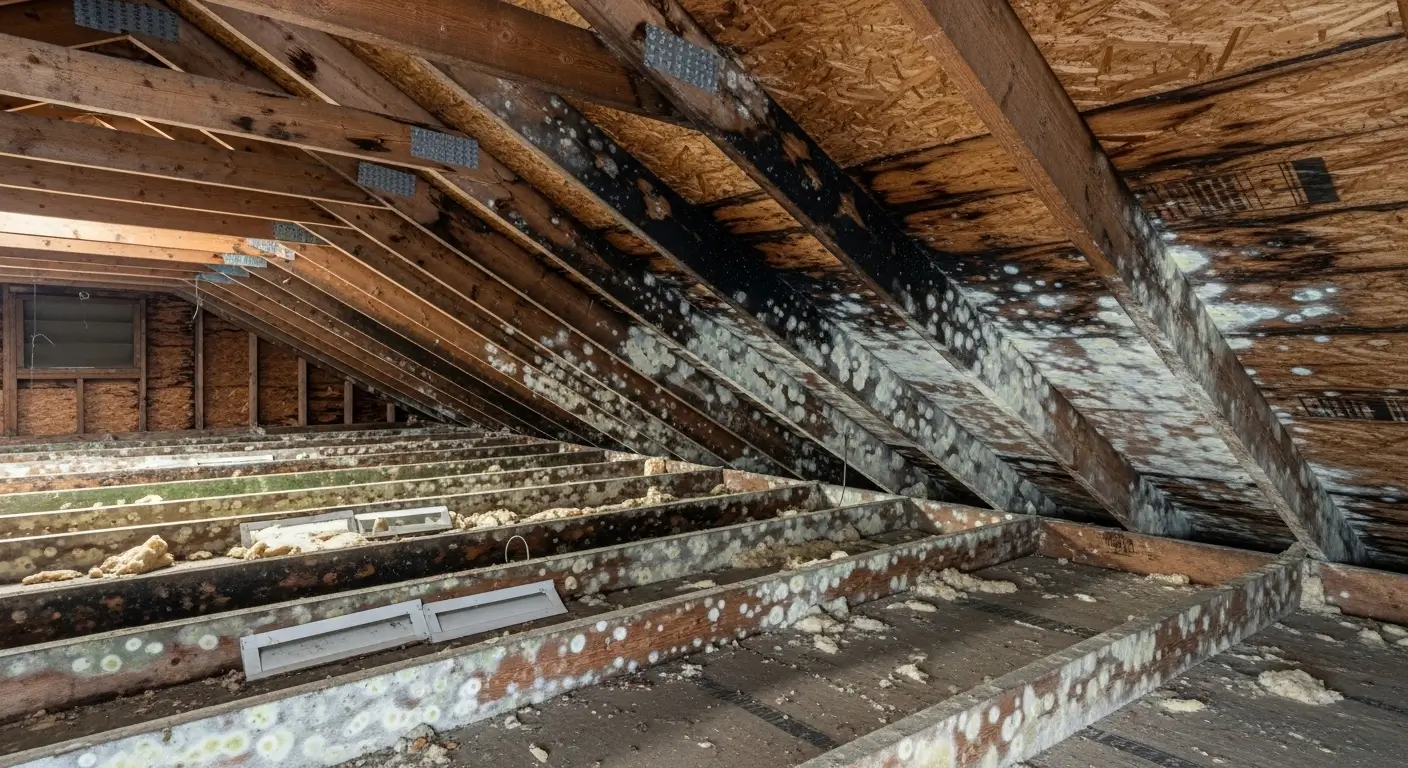
- Roof Sheathing Discoloration (Black, white, or greenish spotting along OSB/plywood)
- Fastener Oxidation (Heavily rusted roofing nails penetrating the deck)
- Frost or Condensation (Visible droplets or ice coating rafters in winter)
- Insulation Deterioration (Compacted, matted, or discolored fiberglass batts)
Visual Symptoms on Framing and Sheathing
Healthy roof sheathing exhibits natural wood grain coloration. When fungal growth takes hold, sheathing darkens into patchy black, charcoal, or dark green patterns, often starting around the cold north-facing roof slopes or directly above bathroom locations. White, powdery colonies (Penicillium or Aspergillus species) also colonize rafters and ceiling joists.
Rusted Roofing Fasteners
Roofing nails that penetrate through the sheathing act as thermal bridges. Because metal conducts cold faster than wood, nails become the first condensation points in winter. If the tips of attic roofing nails are covered in heavy rust or winter frost, attic moisture levels are dangerously elevated.
Persistent Musty Odors
Attic air does not remain isolated. Through natural pressure differentials and HVAC ductwork routed through unconditioned spaces, up to 40% of the air on upper living floors can originate in the attic. A persistent, earthy, or damp odor on the top floor of a home often indicates an advanced attic mold colony.
Health and Allergy Triggers
Occupants sensitive to bioaerosols may experience unexplained allergic reactions, nasal congestion, eye irritation, chronic coughing, or worsening asthma symptoms while inside the home. These reactions often spike during winter months when windows are shut and the home's heating system accelerates the stack effect.
The Professional Remediation Process: Step-by-Step
Professional attic mold remediation in West Bloomfield must follow the IICRC S520 Standard for Professional Mold Remediation established by the Institute of Inspection Cleaning and Restoration Certification. Surface cosmetic wiping or spraying bleach on structural lumber is ineffective because fungal root structures (hyphae) penetrate deep into porous wood fibers.
Standard Attic Remediation Sequence
- Assessment & Moisture Mapping
- Pinpoint moisture intrusion and test substrate wetness
- Containment & HEPA Air Scrubbing
- Seal attic hatches and establish negative air pressure
- Contaminated Insulation Extraction
- Vacuum out ruined cellulose/fiberglass using external bags
- Active Microbial Removal
- Dry ice blasting, HEPA vacuuming, or chemical agitation
- Fungicidal Treatment & Encapsulation
- Apply EPA-registered antimicrobial sealants to framing
- Post-Remediation Verification (PRV)
- Independent air and surface clearance testing
Step 1: Comprehensive Inspection and Moisture Mapping
Before disturbing any material, a certified remediation professional inspects the entire attic cavity. Technicians measure wood moisture equivalent (WME) using calibrated pin or pinless moisture meters. Framing lumber with a moisture content above 16% to 19% remains vulnerable to active mold colonization. Thermal imaging cameras identify cold-air bypasses, missing insulation, and concealed roof leaks.
Step 2: Containment and Negative Air Pressure
Preventing cross-contamination of lower living spaces is critical. Technicians establish critical barriers by sealing the attic access hatch, recessed lights, and HVAC registers using 6-mil polyethylene sheeting. Commercial HEPA air filtration devices (air scrubbers) are ducted through a nearby window or roof opening to create negative air pressure. This ensures that whenever the containment zone is entered, air pulls inward toward the attic rather than blowing mold-laden air into living spaces.
Step 3: Insulation Assessment and Bulk Removal
Loose-fill cellulose or fiberglass insulation that has absorbed mold spores, heavy moisture, or rodent waste cannot be completely sanitized. Technicians use high-powered, truck-mounted insulation vacuums to extract contaminated insulation directly into disposal bags outside the home. Removing floor insulation exposes the ceiling drywall below, allowing technicians to find hidden air leaks and mold-damaged ceiling framing.
Step 4: Physical Mold Removal from Sheathing and Framing
Remediation requires physical removal of the fungal biomass, not merely neutralizing its surface color. Technicians select one of several methods depending on space, deck condition, and severity:
- Dry Ice Blasting (Cryogenic Cleaning): Pellets of frozen carbon dioxide ($CO_2$) are propelled at supersonic speeds against the wood sheathing. Upon impact, the dry ice sublimates into gas, lifting mold spores and root structures from the wood substrate without abrading structural lumber or leaving secondary grit waste.
- Abrasive Sanding and Wire Brushing: In tight attic spaces where blasting equipment cannot navigate, technicians manually sand framing and sheathing, paired with continuous direct HEPA vacuum extraction.
- Chemical Agitation and Oxidizing Treatments: Advanced hydrogen-peroxide-based chemical formulations penetrate porous wood surfaces. The chemical reacts on contact with organic materials, foaming actively to push contaminants to the surface for extraction with HEPA-filtered vacuums.
Step 5: Application of EPA-Registered Fungicides and Sealants
Once physical growth is eliminated, technicians apply an EPA-registered antimicrobial wash to sanitize the lumber. After the surfaces dry completely, professionals apply an antimicrobial coating or clear breathable encapsulant. Quality encapsulants contain active zinc or silver-ion fungicides designed to prevent residual spore re-attachment while allowing the structural wood to breathe and release natural moisture vapor.
Step 6: Post-Remediation Verification (PRV)
An independent third-party environmental consultant conducts a visual inspection and collects air or surface lift samples to verify success. Clearance is achieved when no active growth or dust remains, and airborne spore counts inside the attic match or sit below regional outdoor baseline levels.
Remediation Costs in Oakland County
Attic mold remediation costs vary based on attic square footage, roof pitch, ease of access, the chosen removal methodology, and whether the scope includes full insulation extraction and mechanical corrections.
| Remediation Scope | Typical Cost Range | Primary Inclusions | Project Duration |
|---|---|---|---|
| Localized Spot Treatment | $1,500 – $2,500 | Isolated treatment (<200 sq. ft.), containment, HEPA vacuuming, antimicrobial application. | 1 Day |
| Standard Sheathing Treatment | $2,500 – $4,500 | Full attic containment, HEPA air scrubbing, chemical/abrasive treatment of decking, rafters, and encapsulant application. | 1 – 2 Days |
| Comprehensive Restoration | $5,500 – $9,500 | Full containment, insulation removal, dry ice blasting or deep abrasion, encapsulant, and air sealing bypasses. | 2 – 4 Days |
| Complete System Overhaul | $9,500 – $14,000+ | Everything in Comprehensive, plus new R-49/R-60 blown insulation, baffles, and complete roof ventilation rerouting. | 3 – 5 Days |
Key Cost Drivers
- Accessibility and Roof Pitch: Steep-pitch attics or low-clearance roofs common in ranch-style homes require more manual labor and specialized fall-arrest systems inside the attic space.
- Insulation Disposal: Contaminated insulation removal and disposal fees in Oakland County depend on the volume of cellulose or fiberglass material extracted.
- Ventilation and Duct Repairs: Re-routing bathroom fans through the roof deck and installing proper intake baffles adds specialized labor and materials to the final invoice.
Homeowners Insurance Considerations
Most standard HO-3 homeowner insurance policies exclude mold remediation unless the mold is the direct consequence of a covered, sudden, and accidental peril (such as a burst pipe or storm damage dropping a tree limb onto the roof). Chronic moisture, improper ventilation, condensation, and gradual maintenance issues are typically excluded. Review your policy declarations with an insurance agent to verify whether you have an optional mold coverage rider.
Correcting Underlying Root Causes to Prevent Recurrence
Failing to resolve the underlying moisture source guarantees mold will return, regardless of how thorough the chemical or blasting treatment was. A lasting remediation plan addresses building science fundamentals: air sealing, balanced ventilation, and proper exhaust termination.
Moisture Prevention Triangle
- Air Sealing Attic Floor (Stops indoor warm air leakage via stack effect)
- Balanced Ventilation (Maintains intake and exhaust balance: 1:300 rule)
- Exterior Exhaust Ducting (Directs bathroom/dryer moisture outside roof)
1. Air Sealing Thermal Bypasses
Before reinstalling insulation, every penetration between the living space and the attic must be sealed:
- Seal electrical wire penetrations, plumbing vent pipes, and wall top plates using expanding polyurethane foam.
- Install fire-rated covers over non-IC recessed light fixtures or replace fixtures with air-sealed, IC-rated LED canisters.
- Install weatherstripping and an insulated rigid foam cover box over the attic access hatch or drop-down stairs.
2. Balancing Intake and Exhaust Roof Ventilation
Attic ventilation relies on balanced airflow following the 1:300 rule outlined in the Michigan Residential Code: for every 300 square feet of attic floor space, provide at least one square foot of net free ventilating area (NFVA), evenly split (50/50) between continuous intake vents at the eaves and exhaust vents at or near the ridge.
- Install Continuous Rafter Baffles: Place rigid foam or PVC rafter baffles along every rafter bay over the exterior wall plate to prevent newly blown insulation from blocking soffit intake airflow.
- Avoid Mixing Exhaust Types: Never mix ridge vents with powered attic ventilators, gable vents, or roof-mounted box vents on the same roof plane. Mixing exhaust systems disrupts passive airflow pathways, pulling exterior air backwards into the attic rather than drawing warm air up from the soffits.
3. Proper Ducting of Mechanical Exhaust Fans
Bathroom exhaust fans must never vent into attic spaces, under soffits, or simply terminate near a roof vent. Run smooth-walled, rigid metal or semi-rigid aluminum ducting from the fan unit directly to a dedicated, insulated damper-equipped roof or gable hood. Insulate the duct run with an R-6 or R-8 insulation sleeve to prevent water vapor from condensing inside the pipe and running back down into the fan motor.
DIY vs. Hiring a Certified Remediation Contractor
Homeowners sometimes attempt to clean attic mold using over-the-counter biocides or household bleach. This approach introduces major structural, biological, and personal safety hazards.
Comparing Remediation Options
- Household Bleach: Fails to penetrate porous wood; water component feeds underlying hyphae
- Chemical Foggers: Deposit thin surface residues without removing embedded fungal roots
- Professional IICRC Protocol: Mechanical isolation, deep removal, and negative-air capture
Why DIY Chemical Treatments Fail
Chlorine bleach is formulated with roughly 90% water. When applied to porous substrates like wood roof sheathing or ceiling joists, the chlorine ions remain on the surface, while the water carrier soaks into the timber. This provides moisture that feeds the deep-seated mold mycelium beneath the surface, often triggering accelerated regrowth within weeks. Additionally, chemical fogging without physical removal leaves dead fungal structures behind. Dead mold spores retain their allergenic and toxigenic properties, continuing to trigger health symptoms in sensitive individuals.
Safety and Structural Hazards
Attic spaces are dangerous work environments featuring extreme temperatures, exposed electrical wiring, structural framing hazards, and narrow joist paths where a single misstep can break through the ceiling drywall. Disturbing mold without containment or personal protective equipment (such as an OSHA-compliant full-face respirator with P100 particulate filters and disposable chemical-resistant coveralls) aerosolizes millions of microscopic spores. These airborne contaminants then settle throughout the living quarters below.
Evaluating West Bloomfield Remediation Contractors
When hiring an attic mold remediation professional in southeastern Michigan, verify the contractor meets these technical criteria:
- IICRC Certification: Holds active credentials as an Applied Microbial Remediation Technician (AMRT) or Water Restoration Technician (WRT).
- Insurance Coverage: Carries specific Pollution Liability insurance in addition to standard general liability and workers' compensation coverage.
- Clear Containment Protocol: Explicitly outlines the use of negative air machines, HEPA air scrubbers, and poly containment barriers in their written scope of work.
- Warranties and Third-Party PRV: Provides a multi-year transferable warranty against regrowth and accepts post-remediation verification testing by an independent environmental testing agency.
Frequently Asked Questions
Does attic mold spread into lower living spaces?
Yes. Warm air rises, but the stack effect also produces pressure shifts that force attic air into living spaces through unsealed gaps around ceiling lights, plumbing stacks, attic doors, and heating returns. If attic mold dries out, ambient air currents can transport spores down through ceiling breaches into second-floor bedrooms and hallways.
Can I legally sell a home in West Bloomfield with attic mold?
Michigan law requires sellers to complete a Seller’s Disclosure Statement disclosing any known environmental hazards, water intrusion, or mold conditions. Most home buyers hire home inspectors who routinely check attic spaces. Unresolved attic mold commonly stalls real estate closings, prompts renegotiation requests, or derails buyer mortgage underwriting. Remediation completed with transferable warranty documentation protects property transactions.
Can mold in an attic damage the roof's structural integrity?
Yes, over prolonged periods. Surface molds consume organic starches in the wood. If underlying moisture levels remain chronically elevated above 20%, wood-decaying fungi (rot) establish alongside mold. This compromises the load-bearing capacity of rafters, trusses, and sheathing, eventually requiring roof redecking.
How long does the attic mold remediation process take?
For an average 1,500- to 2,500-square-foot home in West Bloomfield, standard physical remediation takes one to two days. If the project requires full insulation extraction, comprehensive dry ice blasting, air-sealing corrections, and re-blowing insulation to current Michigan code levels, work typically spans three to five consecutive days.
Which mold species is most commonly found in Michigan attics?
Cladosporium, Penicillium, and Aspergillus are the most common molds found in cold, unconditioned attics. Stachybotrys chartarum (often called black mold) requires prolonged, saturated water intrusion, such as an ongoing roof leak or saturated subflooring, rather than standard atmospheric condensation.
Moving Forward: Restoring Your Attic
If you discover visual discoloration on your roof sheathing, notice persistent musty smells on your upper floors, or find frozen nails in your attic during winter, take systematic action:
- Schedule an Inspection: Hire an IICRC-certified remediation professional or an independent indoor air quality consultant to inspect framing, map moisture levels, and establish baseline readings.
- Request a Detailed Scope of Work: Ensure the proposal includes containment, negative air machine isolation, physical biomass removal, and root-cause ventilation repairs rather than just a cosmetic spray application.
- Address the Mechanics: Coordinate with the contractor or a licensed Michigan residential builder to air-seal attic floor bypasses, direct exhaust ducts outward through the roof deck, and install rafter baffles before installing new insulation.
- Confirm Clearance: Require post-remediation verification testing to confirm fungal spore counts have returned to normal baseline levels before closing the project.