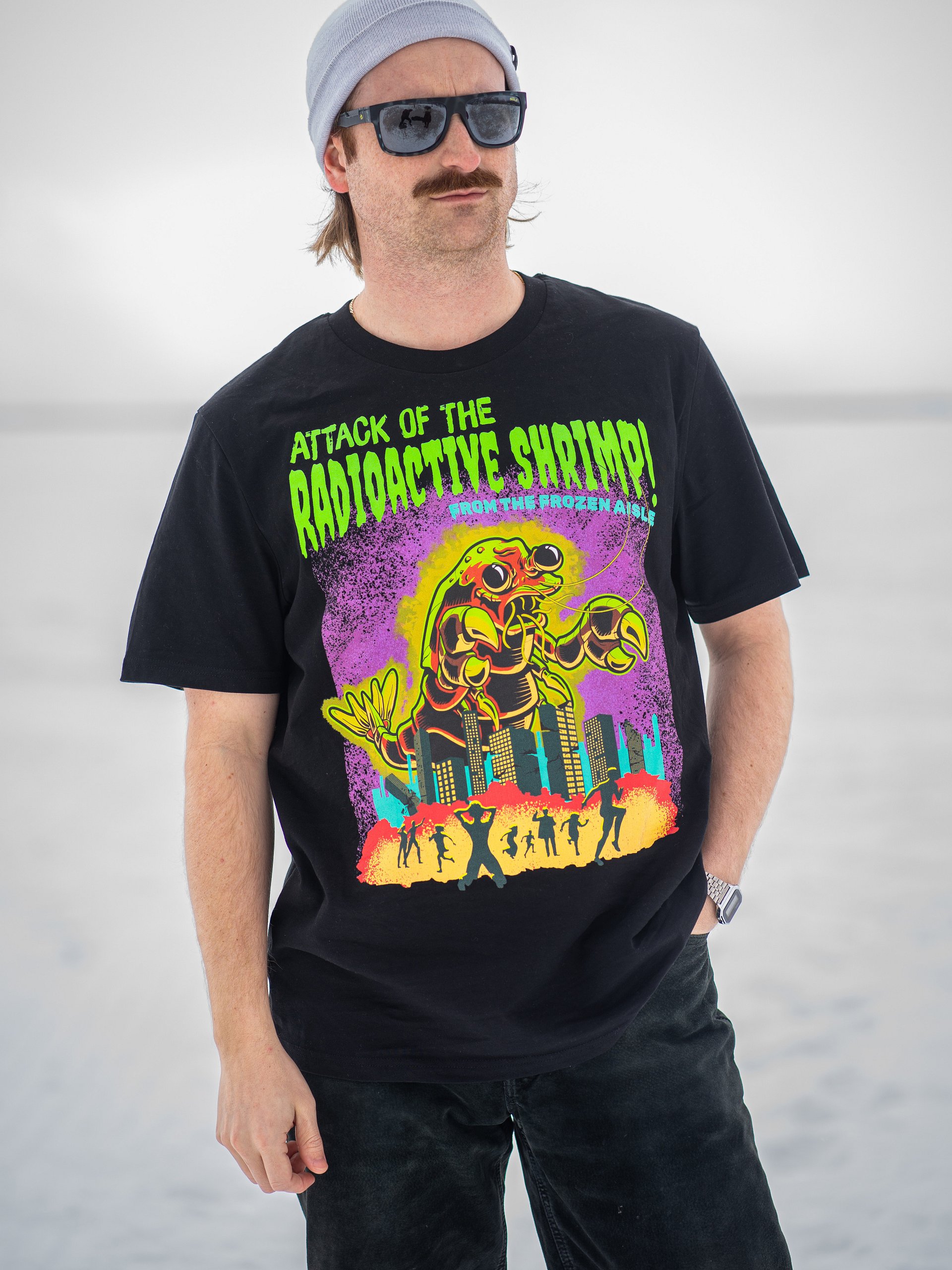
The phrase "attack of the radioactive thin" refers to specialized discussions or creative works touching on themes of radiation, scientific anomalies, and speculative or historical hazards. While not a mainstream household term, exploring this concept requires examining its context, the technical realities of radiation exposure, and the ways media and literature frame environmental hazards.
Understanding the Context of Radiation and Environmental Hazards
To properly examine any cultural or technical reference involving radioactivity, one must first establish the scientific baseline of what radioactivity means in practical terms. Radioactivity is the process by which unstable atomic nuclei lose energy by emitting ionizing radiation. This emission can take the form of alpha particles, beta particles, gamma rays, or neutrons.
When popular culture or specialized literature uses terms invoking radioactive elements, it typically plays upon genuine scientific phenomena—such as contamination, fallout, or material degradation—while blending them with dramatic storytelling or niche subcultural references. Understanding the real-world mechanics of these phenomena helps separate scientific fact from speculative fiction.
The Nature of Ionizing Radiation
Ionizing radiation carries enough energy to liberate electrons from atoms or molecules, thereby ionizing them. This process can damage living tissue and DNA, leading to the strict safety protocols enforced globally by organizations like the International Commission on Radiological Protection (ICRP) and national bodies such as the United States Nuclear Regulatory Commission (NRC).
- Alpha Particles: Consisting of two protons and two neutrons, alpha particles have low penetration power and can be stopped by a sheet of paper or human skin. However, they are hazardous if inhaled or ingested.
- Beta Particles: These high-speed, high-energy electrons or positrons are more penetrating than alpha particles and require denser materials, such as plastic or glass, to block them.
- Gamma Rays: Highly penetrating electromagnetic radiation that requires thick shields of lead or concrete to reduce its intensity.
Historical and Cultural Frameworks of Radioactive Themes
Speculative fiction and artistic expressions have long drawn inspiration from atomic energy, the Cold War, and industrial accidents. The mid-20th century saw an explosion of "atomic age" media, ranging from cautionary scientific documentaries to creature features involving radioactive mutations.
When niche phrases or titles emerge within specific artistic or literary communities, they often parody or pay homage to these classic tropes. Analyzing these works involves looking at how creators use the imagery of invisible hazards to explore contemporary anxieties regarding technology, environmental stewardship, and industrial oversight.
Key Motifs in Radioactive Media
- The Invisible Threat: Unlike physical predators or mechanical failures, radiation cannot be seen, smelled, or felt directly, making it a powerful metaphor for unseen dangers.
- Industrial Complicity: Many narratives explore the friction between corporate or governmental ambition and ecological safety.
- Transformation and Adaptation: Speculative works frequently explore how living organisms or materials react, degrade, or mutate under extreme energetic stress.
Technical Specifications and Material Science of Radiation Shielding
In real-world applications where radioactive materials are handled—such as in nuclear power generation, medical radiotherapy, and industrial radiography—material science plays a critical role in containment. The term "thin" in the context of radiation usually relates to the challenge of creating lightweight, effective shielding materials.
Traditional shielding relies on mass: thick concrete walls, heavy lead aprons, and dense steel containers. However, modern research focuses on advanced composite materials that can achieve high attenuation rates without excessive weight.
| Shielding Material | Primary Composition | Typical Application | Advantages & Limitations |
|---|---|---|---|
| Lead | Elemental lead ($Pb$) | Medical x-ray aprons, container linings | High density and effectiveness; heavy and toxic if ingested. |
| Concrete | Cement, aggregate, water | Nuclear reactor bulkheads | Cost-effective and structurally sound; requires significant thickness. |
| Borated Polyethylene | High-density polyethylene with boron | Neutron shielding in research facilities | Lightweight and effective against neutrons; degrades under extreme heat. |
| Tungsten Composites | Tungsten powder in a metal matrix | Collimators and specialized micro-shields | Exceptional density allowing thin profiles; high material cost. |
Evaluating Safety Regulations and Monitoring Protocols
Handling any environment or material suspected of carrying radioactive properties requires strict adherence to international safety standards. Regulatory bodies enforce strict limits on occupational and public exposure, measured in sieverts (Sv) or rems.
Monitoring Equipment
- Geiger-Müller Counters: Used for detecting individual ionizing radiation events, providing a rapid reading of contamination levels.
- Scintillation Detectors: Utilize materials that emit light when struck by ionizing radiation, offering higher sensitivity for specific isotope identification.
- Dosimeters: Wearable devices worn by workers to track cumulative radiation exposure over time.
For detailed guidelines on radiation safety and regulatory standards, consult the U.S. Nuclear Regulatory Commission or the International Atomic Energy Agency.
Frequently Asked Questions
What does "attack of the radioactive thin" refer to?
The phrase typically surfaces in niche creative, literary, or subcultural contexts, playing on classic atomic-age tropes. It combines speculative fiction imagery with themes of radiation and material hazards, serving as an artistic or narrative reference rather than a formal scientific designation.
How does real-world ionizing radiation affect materials?
Ionizing radiation can alter the molecular structure of materials over time through processes like cross-linking, chain scission, or atomic displacement. This can cause polymers to become brittle, metals to embrittle, and electronic components to fail.
Can thin materials effectively shield against radiation?
Standard thin materials generally cannot block penetrating radiation like gamma rays or high-energy neutrons, which require mass and density. However, specialized nanomaterials and high-Z metal composites are continually researched to maximize shielding efficiency in thinner profiles.
Where can I learn more about radiation safety and handling?
Authoritative information regarding radiation safety, occupational limits, and environmental protection can be found through official governmental and international agencies such as the EPA, NRC, and IAEA.
Are all radioactive materials dangerous in small quantities?
Not all radioactive isotopes pose an immediate health risk in minute quantities. Many radioactive materials exist naturally in the environment (such as potassium-40 in bananas or trace uranium in rock formations) at levels well below harmful thresholds.
Practical Recommendations and Next Actions
When encountering specialized cultural references, creative works, or historical media touching on technical subjects like radioactivity, viewers and researchers should distinguish between dramatic entertainment and empirical science.
- Verify Sources: Cross-reference any technical claims about radiation with documentation from established scientific and regulatory bodies.
- Understand Context: Evaluate whether a given term belongs to speculative fiction, artistic satire, or actual industrial history.
- Prioritize Safety: In any real-world scenario involving suspected contamination or industrial hazards, consult certified health physicists and adhere strictly to local emergency guidelines.