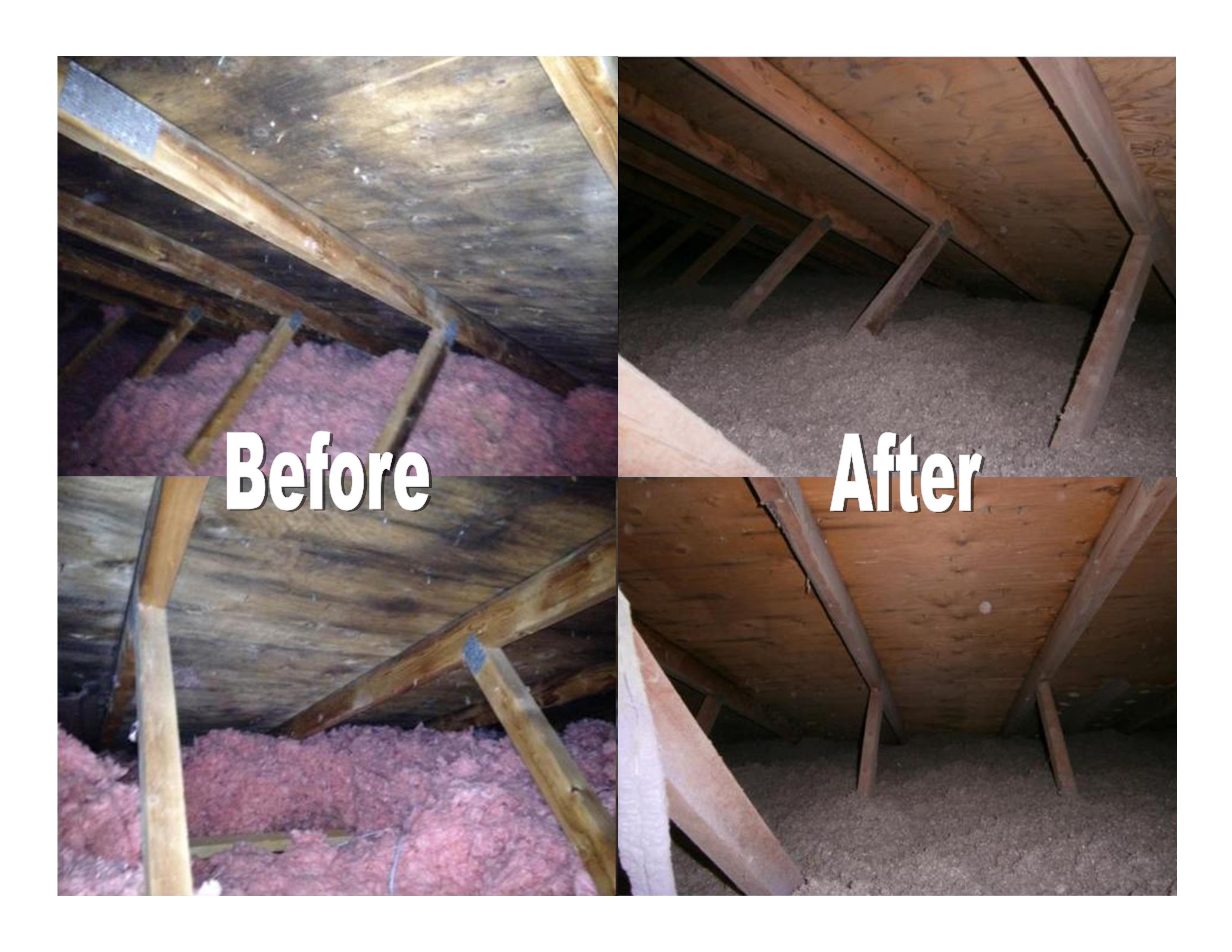
Attic mold remediation involves identifying moisture sources, removing contaminated materials like insulation, and treating surfaces with antimicrobials. Proper restoration requires replacing insulation to meet modern R-value standards while ensuring adequate ventilation. This dual approach protects structural integrity, improves indoor air quality, and enhances home energy efficiency for the long term.
Understanding the Relationship Between Attic Mold and Insulation
The attic serves as a critical buffer zone between a home’s conditioned living space and the external environment. However, because it is often neglected, it becomes a primary breeding ground for mold. Mold growth in the attic is rarely a standalone issue; it is a symptom of a larger systemic failure involving moisture control, thermal performance, and ventilation.
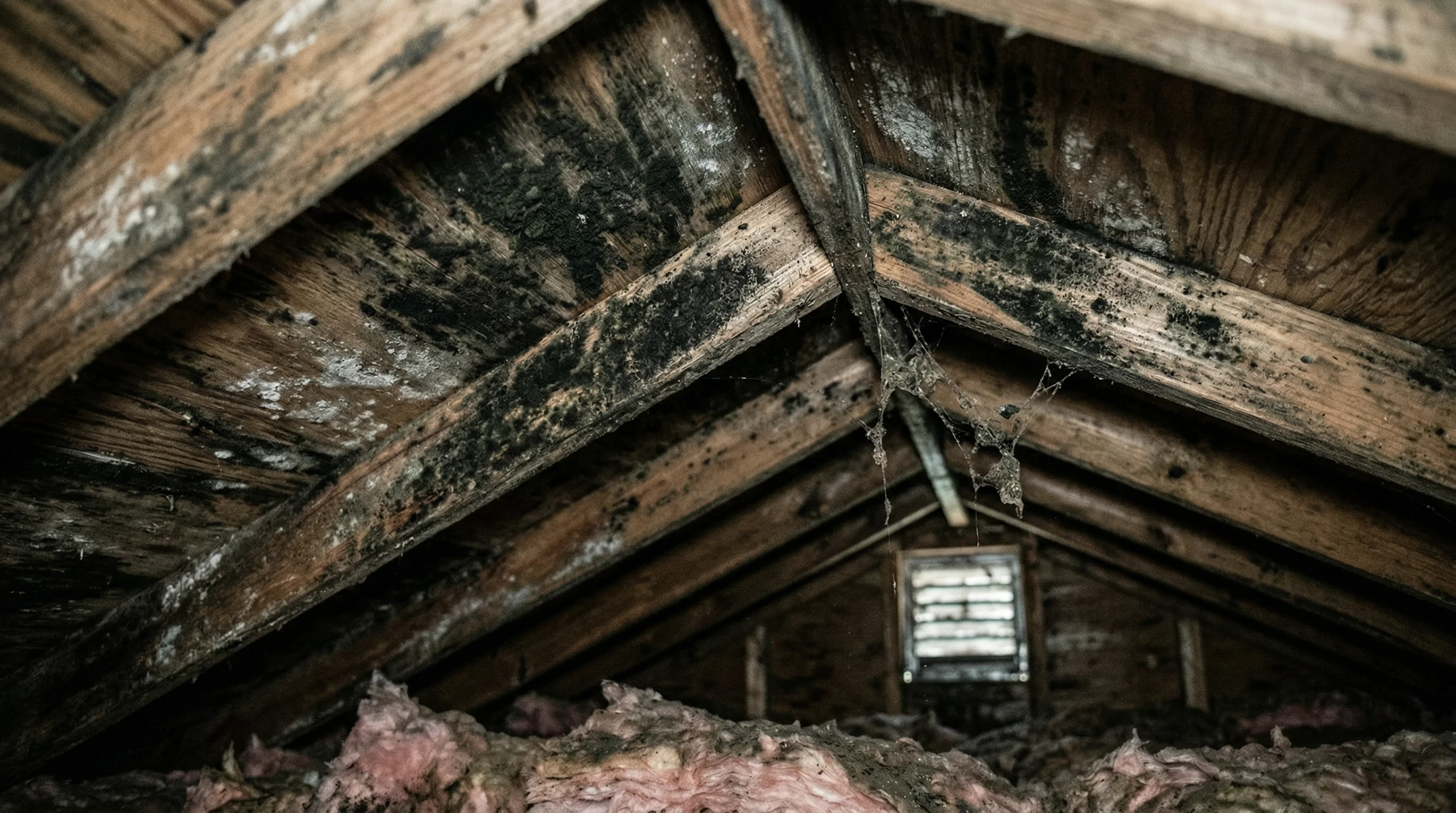
Insulation plays a complicated role in this ecosystem. While its primary job is to resist heat flow, it can also act as a reservoir for moisture and organic debris. Most traditional insulation materials, such as fiberglass batts or blown-in cellulose, are porous. When warm, moist air from the living space escapes into a cold attic—a process known as air bypass—it reaches its dew point and condenses on the underside of the roof sheathing or within the insulation itself.
Once insulation becomes damp, its R-value (thermal resistance) drops significantly, and it begins to trap mold spores. Because most insulation contains binders or accumulated dust that provide a food source, the mold can spread rapidly through the material. Effective remediation, therefore, almost always requires the complete removal of affected insulation, as the porous nature of these materials makes them impossible to fully decontaminate to professional standards.
Identifying Attic Mold: Signs and Assessments
As of 2026, home inspections have become increasingly sophisticated, using infrared thermography and moisture mapping to identify hidden mold. However, homeowners can often spot the early signs of trouble through basic observation.
Visual Cues and Surface Staining
The most obvious sign of mold is discoloration on the rafters, joists, or the underside of the roof deck (the sheathing). This may appear as black "speckling," white fuzzy growth, or grey-green patches. In many cases, homeowners notice "shingle nails" that appear rusted or have white frost on them during winter; this is a sign of excessive humidity and condensation.
Musty Odors
Mold produces microbial volatile organic compounds (mVOCs), which carry a distinct earthy or "wet basement" smell. Because the attic is connected to the rest of the home through recessed lights, plumbing stacks, and attic hatches (the "stack effect"), these odors often drift down into the upper floors of the house, particularly during the summer when the attic is hot.
Physical Symptoms
Residents may experience unexplained respiratory issues, allergies, or headaches that seem to worsen when they are at home. While attic mold is physically separated from the living space, the pressure differentials in a house can pull contaminated air downward, especially if the HVAC system has ductwork running through the attic.
The Professional Remediation Process
When mold is discovered, the response must be systematic to prevent cross-contamination. Professionals follow the IICRC S520 Standard for Professional Mold Remediation, which dictates a specific sequence of actions.
Containment and Negative Air Pressure
Before any insulation is moved, the attic must be isolated. Technicians install 6-mil polyethylene sheeting over the attic access point and use High-Efficiency Particulate Air (HEPA) air scrubbers. These machines create negative air pressure, ensuring that any spores disturbed during the cleanup are exhausted outside the home rather than pushed into the bedrooms below.
Controlled Insulation Removal
Insulation is the primary "filter" that traps spores. Professionals use high-powered industrial vacuums located outside the home to suck out blown-in insulation through large-diameter hoses. If fiberglass batts are present, they are bagged within the containment zone. This prevents the "dust cloud" effect that occurs when DIYers try to bag insulation manually, which can release millions of spores into the air.
Surface Decontamination: Abrasive Cleaning
Once the insulation is gone and the wood framing is exposed, the actual mold must be removed. Simply spraying bleach is ineffective on porous wood because the chlorine cannot penetrate the fibers, leaving the "roots" (hyphae) of the mold intact.
Modern standards in 2026 prefer media blasting—using dry ice or crushed glass—to physically strip the top layer of wood fibers where the mold resides. This leaves the wood looking "new" and ensures the organic material is gone. Following blasting, all surfaces are wiped down with an EPA-registered antimicrobial solution.
Encapsulation
In many cases, after cleaning, a mold-resistant coating or "sealant" is applied to the wood. These coatings often contain fungicides that prevent new spores from taking hold if moisture levels spike again. While not always strictly necessary if the moisture source is fixed, encapsulation provides a secondary layer of protection and is often required for real estate clearances.
Addressing the Root Cause: Moisture and Ventilation
Remediation is a temporary fix if the underlying cause of the mold is not addressed. There are three primary drivers of attic moisture that must be evaluated:
- Roof Leaks: Damaged shingles, failing flashing around chimneys, or "ice damming" can introduce bulk liquid water.
- Air Bypasses: Gaps around plumbing pipes, electrical wires, and "top plates" allow warm, humid air from the kitchen and bathrooms to rise into the attic.
- Inadequate Ventilation: If an attic cannot "breathe," moisture becomes trapped. Proper ventilation requires a balance between intake (soffit vents) and exhaust (ridge vents or gable vents).
As part of the remediation process, professionals should perform air sealing. This involves using expandable foam or caulk to plug every hole between the living space and the attic. This is perhaps the most critical step in preventing future mold growth and is a prerequisite for installing new insulation.
Re-Insulating for 2026 Standards
Once the attic is clean, dry, and sealed, new insulation must be installed. The goal is to meet or exceed current building codes while ensuring the material does not contribute to future mold issues.
Comparison of Insulation Materials for Attic Restoration
| Material Type | R-Value per Inch | Mold Resistance | Best Use Case |
|---|---|---|---|
| Blown-in Cellulose | 3.5 – 3.8 | High (Borate Treated) | Most cost-effective; excellent for filling gaps. |
| Fiberglass Batts | 3.1 – 3.4 | Moderate | DIY-friendly but prone to air gaps and "tunneling." |
| Closed-Cell Spray Foam | 6.5 – 7.0 | Very High | Provides both insulation and air sealing; prevents condensation. |
| Mineral Wool | 3.0 – 3.3 | High (Inorganic) | Excellent fire resistance and moisture shedding. |
R-Value Requirements
In 2026, the Department of Energy (DOE) and local building codes generally recommend R-49 to R-60 for attic spaces in most temperate and cold climates. This typically requires approximately 15 to 20 inches of blown-in material. It is vital to ensure that the new insulation does not block the soffit vents. Technicians must install ventilation baffles (or "rafter vents") to maintain a clear channel for air to flow from the eaves up to the ridge.
Cost Considerations and Professional Selection
Attic mold remediation and re-insulation is a significant investment. Prices vary based on the size of the attic, the severity of the mold, and the type of insulation chosen.
- Remediation Costs: Typically range from $1,500 to $5,000 for standard residential attics. Factors like "low-slope" roofs (difficult access) or heavy staining can increase the price.
- Insulation Removal/Replacement: Usually costs between $2,000 and $4,500.
- Total Project: A comprehensive "clean and restore" project often lands between $4,000 and $10,000.
When hiring a contractor, homeowners should verify that the firm holds Environmental Liability Insurance and is certified by the IICRC. It is also advisable to request a Post-Remediation Verification (PRV), where an independent third party performs "clearance testing" to confirm that spore counts are back to normal levels before the new insulation is installed.
Practical Maintenance for a Mold-Free Attic
After the project is complete, the attic should not be "out of sight, out of mind."
- Annual Inspections: Check the attic twice a year—once in the heat of summer and once in the dead of winter. Look for signs of condensation or roof leaks.
- Monitor Humidity: In humid climates, consider installing a wireless hygrometer in the attic. If humidity levels consistently stay above 60%, the ventilation system may need adjustment.
- Check Bath Fans: Ensure all bathroom exhaust fans are vented directly to the outside through the roof or wall, never "dumped" into the attic insulation.
Frequently Asked Questions
Can I just spray the mold with bleach and add more insulation over it? No. Bleach is ineffective on wood and does not kill the mold's root system. Furthermore, adding new insulation over moldy material "sandwiches" the spores and moisture, often leading to structural rot and poor air quality. The contaminated material must be removed to ensure a permanent fix.
How long does the remediation and insulation process take? A typical residential project takes 2 to 4 days. Day 1 usually involves containment and insulation removal. Day 2 is focused on cleaning and treatments. Day 3 and 4 involve air sealing, baffle installation, and blowing in the new insulation.
Is attic mold covered by homeowners insurance? Coverage depends on the "peril" that caused the mold. If the mold resulted from a sudden, accidental pipe burst or storm damage to the roof, it is often covered. However, mold caused by poor ventilation, humidity, or long-term maintenance neglect is typically excluded from standard policies.
What is the best insulation if I’m worried about mold returning? Mineral wool or cellulose treated with high levels of borates are excellent choices. However, Closed-Cell Spray Foam is often considered the gold standard for mold prevention in attics because it creates an air-tight seal and does not allow moisture to reach the cold roof deck, effectively eliminating the condensation cycle.
Does mold in the attic affect the air inside my house? Yes. Due to the "stack effect," air moves upward and out of your home. However, pressure changes caused by wind, HVAC systems, or fans can cause "backdrafting," where air from the attic is pulled down through gaps in the ceiling. If you have mold in the attic, those spores can and do enter the living space.
Recommendation for Next Actions: If you suspect mold, begin by inspecting your attic with a high-lumen flashlight, focusing on the "north side" of the roof deck where condensation is most likely. If you see staining or smell mustiness, contact a certified mold remediator for a professional assessment. Do not attempt to vacuum out old insulation with a household shop-vac, as this will likely contaminate your entire home with spores and hazardous dust.