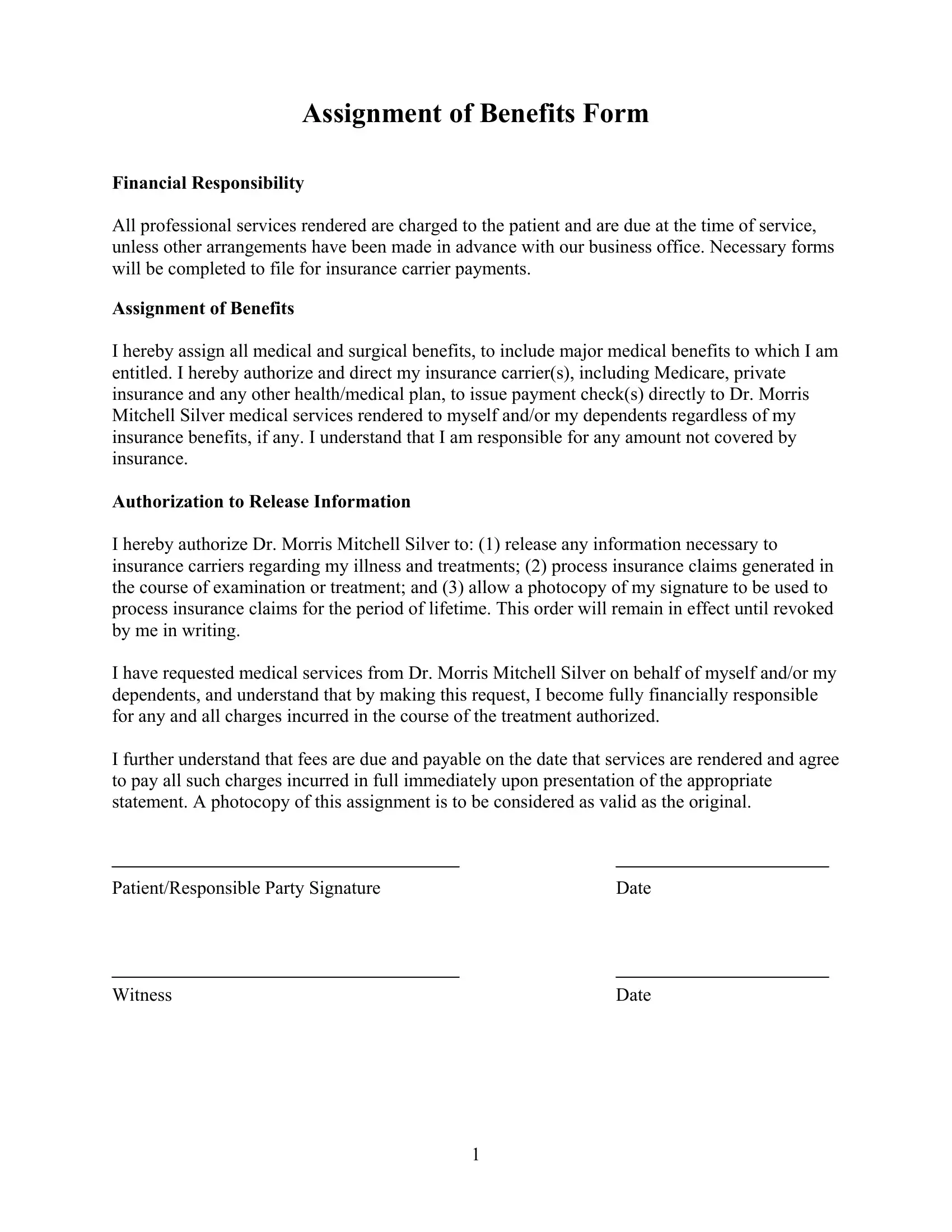
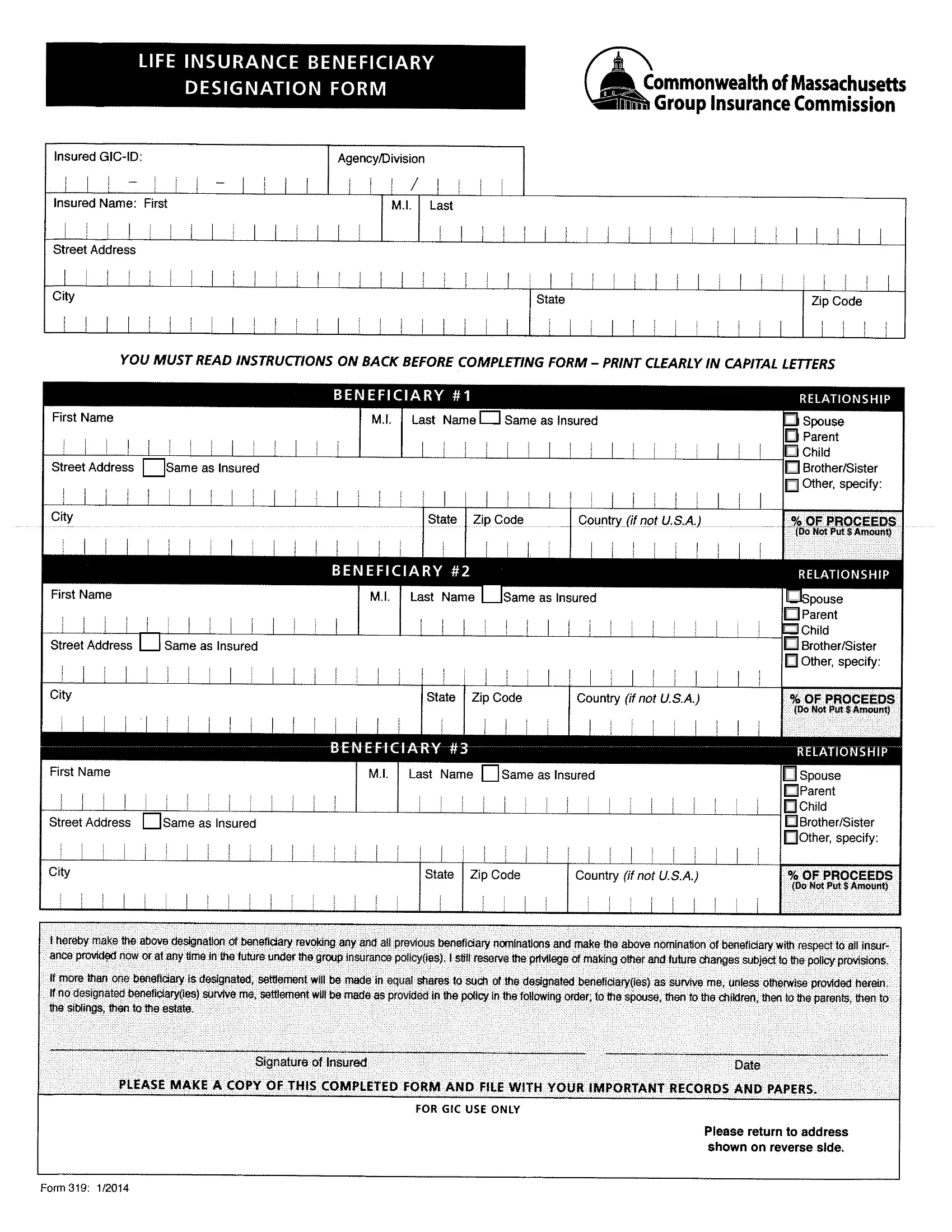
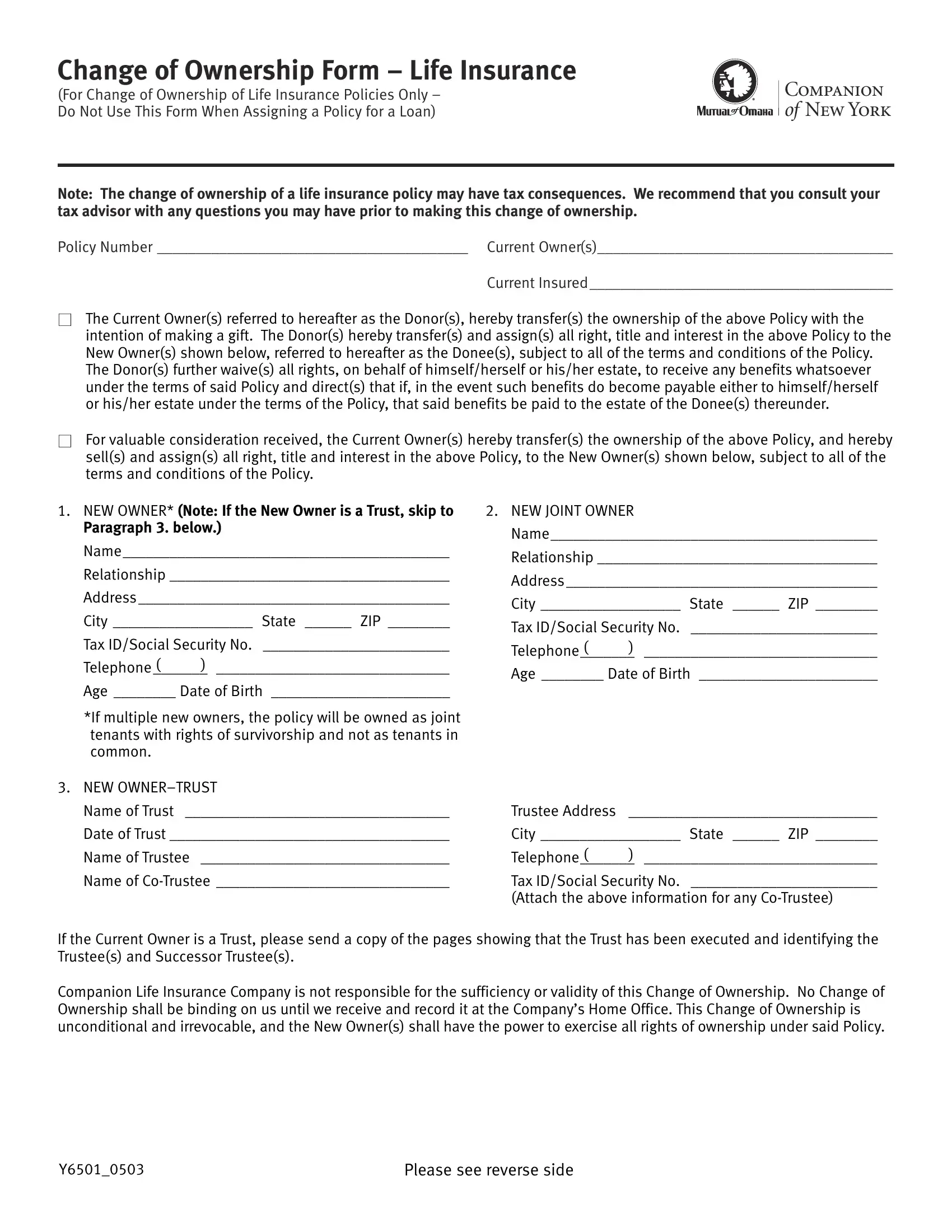
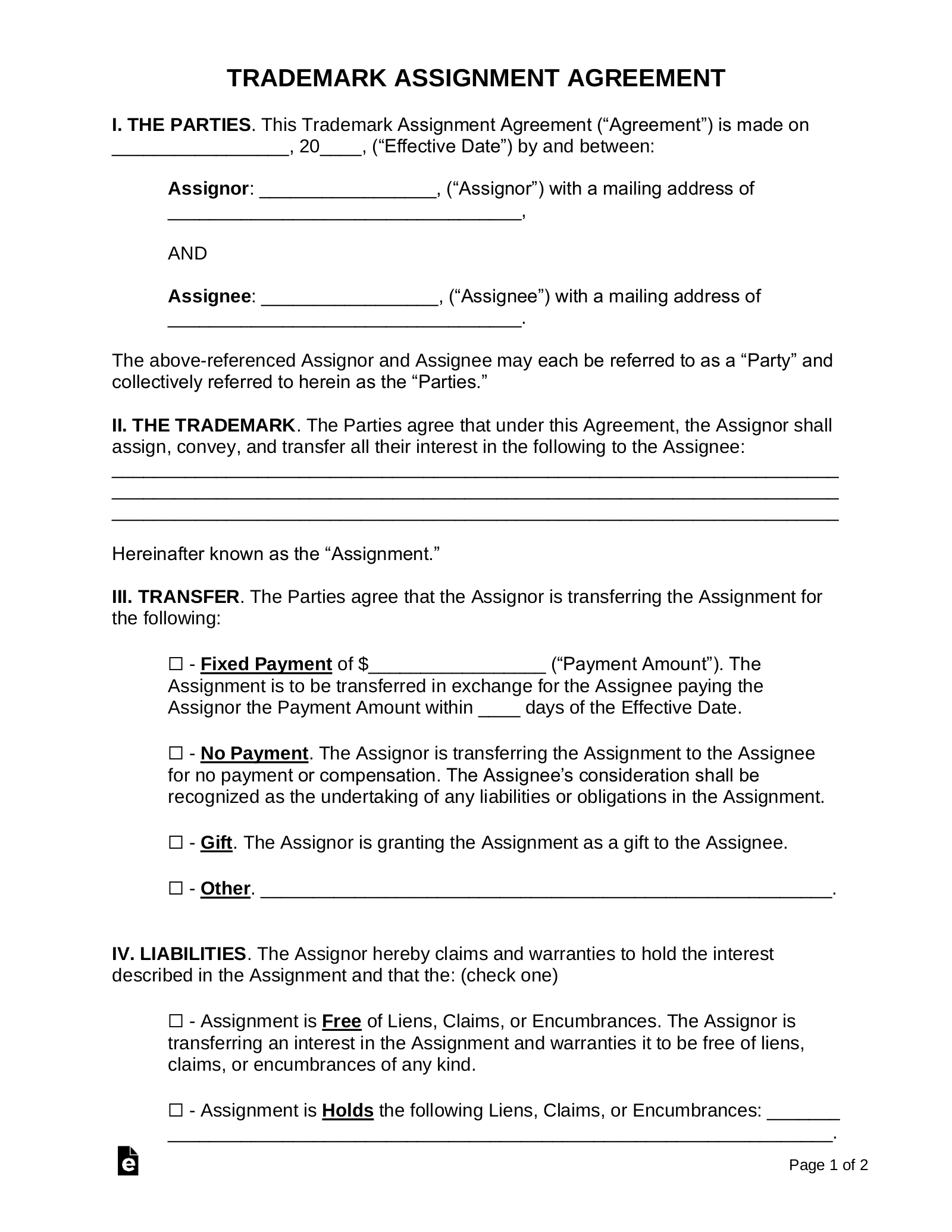
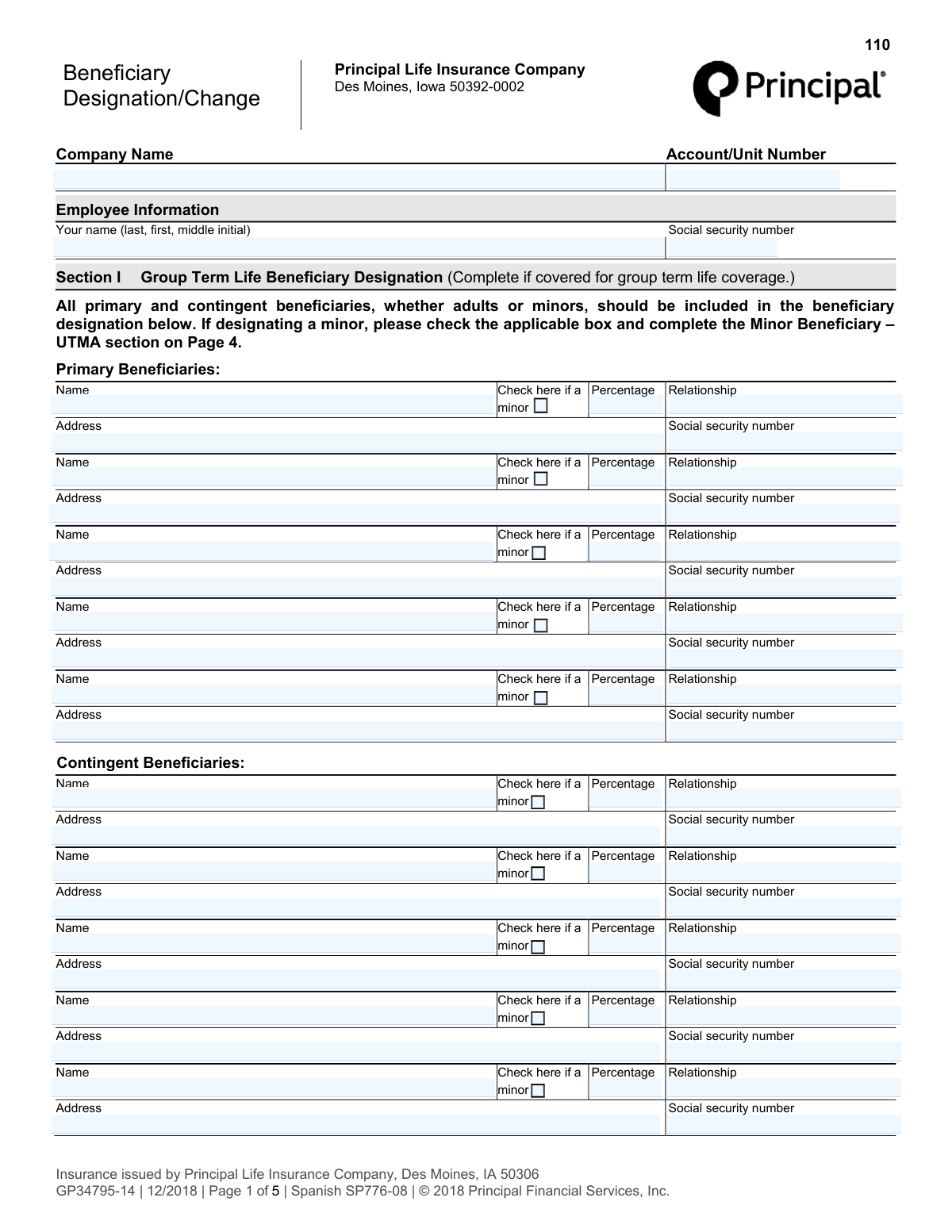
An assignment form for life insurance is a legal document used by a policyowner to transfer all or some ownership rights and benefits of a life insurance policy to another individual, financial institution, or entity. This legal instrument alters who controls the policy, who receives the death benefit, or who can access accumulated cash values, depending on whether the transfer is absolute or collateral.
Understanding how to properly execute, submit, and manage an assignment form is critical for policyholders using life insurance for estate planning, securing loans, or transferring wealth. Because an assignment fundamentally alters contractual rights, insurance carriers enforce strict administrative protocols, and legal frameworks across jurisdictions impose specific requirements. Navigating this process requires careful attention to detail, clear categorization of the type of assignment, and adherence to formal carrier guidelines.
The Fundamental Concept of Life Insurance Assignment
Life insurance policies are valuable personal property. Much like real estate or securities, the ownership rights embedded within a contract can generally be transferred, provided the policy terms and state insurance laws permit it. When a policyholder wishes to transfer these rights, they do not simply write a letter of intent; they execute a specialized assignment form provided by the insurance carrier.
The assignment process severs or modifies the legal relationship between the insurance company and the original policyowner, establishing a new dynamic with the assignee (the person or entity receiving the rights). Insurers require explicit documentation on their proprietary forms to protect themselves against conflicting claims, prevent fraudulent transfers, and ensure that the policy's underlying guarantees remain enforceable.
Types of Life Insurance Assignments
Life insurance assignments generally fall into two distinct categories: absolute assignment and collateral assignment. Choosing the correct form is the most critical initial step for any policyowner.
- LIFE INSURANCE ASSIGNMENT
- ABSOLUTE ASSIGNMENT
- Permanent, irrevocable transfer
- Assignee becomes new owner
- Used in gifting, divorce, trusts
- COLLATERAL ASSIGNMENT
- Temporary transfer for a loan
- Lender gets primary claim on fund
- Policyholder retains ownership
- ABSOLUTE ASSIGNMENT
1. Absolute Assignment (Permanent Transfer)
An absolute assignment—sometimes referred to as an irrevocable assignment—involves the complete and permanent transfer of all ownership rights, privileges, and incidents of ownership to the assignee.
- Control: The original owner gives up all rights to change beneficiaries, surrender the policy for cash, take out policy loans, or make any further modifications.
- Common Use Cases: Absolute assignments are frequently utilized in divorce settlements (where one spouse is mandated to own a policy for the benefit of the other or children), irrevocable life insurance trusts (ILITs), or absolute gifts of wealth to adult children or charitable organizations.
- Tax Implications: Depending on the jurisdiction and the value of the policy at the time of transfer, an absolute assignment may trigger gift tax consequences or affect the taxable estate of the original owner.
2. Collateral Assignment (Conditional Transfer)
A collateral assignment is a temporary, limited transfer of policy rights used primarily as security for a debt, such as a commercial bank loan, a mortgage, or a business buy-sell agreement.
- Control: The policyowner retains ownership of the policy and many underlying rights, but the assignee (the lender) acquires a superior security interest in the policy's cash value and death benefit up to the amount of the outstanding debt.
- Common Use Cases: Small business owners frequently use collateral assignments to secure lines of credit or operating capital from financial institutions. Individuals may also use them to secure private loans.
- Mechanics: Once the underlying debt is fully satisfied, the collateral assignment must be formally released by the lender via a termination or release form filed with the insurance carrier, restoring full, unencumbered rights to the policyowner.
Key Components and Information Required on the Form
While insurance carriers design their own proprietary assignment forms, nearly all standard documents require specific categories of information to be legally binding and administratively processable. Incomplete forms are among the leading causes of administrative delays.
Policy Identification Data
- Policy Number: The exact, unique identifier assigned by the insurance company.
- Insured’s Full Name and Date of Birth: Identifies the life upon which the contract is written.
- Owner’s Full Name and Contact Information: The current legal owner executing the assignment.
Assignee Information
- Legal Name and Address: The full legal name of the individual, trust, corporation, or financial institution receiving the assignment. For trusts, the exact title and execution date of the trust document must be supplied.
- Taxpayer Identification Number (TIN) or Social Security Number (SSN): Required for reporting and identification purposes, particularly for policies with cash value accumulation.
Scope and Execution Details
- Type Designation: Explicit selection indicating whether the document represents an absolute or collateral assignment.
- Signatures and Attestations: Legal execution requires the signature of the current policyowner, and frequently the signature of the irrevocable beneficiary (if applicable). Many insurers also require notarization or witness signatures to verify identity and prevent coercion or fraud.
Step-by-Step Process for Executing an Assignment
Executing an assignment requires a methodical approach to ensure that the legal rights are transferred cleanly without jeopardizing the underlying contract.
- Review Policy Terms
- Select Form Type
- Complete Documentation
- Notarize & Witness
- Carrier Filing & Acknowledgment
Step 1: Review Policy Contract Provisions
Before requesting a form, examine the original insurance contract. Some older policies or specific rider agreements restrict assignments, or require the insurer's formal written consent before a transfer is valid. Universal life, whole life, and term policies may each have distinct administrative rules regarding ownership changes.
Step 2: Contact the Insurance Carrier
Obtain the specific, current assignment form directly from the insurance carrier's customer service department, licensed agent, or online policy portal. Relying on generic forms downloaded from unverified internet sources often results in rejection by the carrier's legal compliance department.
Step 3: Complete the Form Accurately
Fill out all required fields legibly using black ink or secure digital signing platforms approved by the carrier. Ensure that names match legal identification documents exactly. For collateral assignments, clearly state the specific debt obligations or limitations if requested by the form structure.
Step 4: Secure Signatures and Notarization
Sign the document in the presence of required witnesses or a licensed notary public. If the policy features an irrevocable beneficiary, their written, notarized consent is generally mandatory, because an assignment cannot override vested beneficiary rights without their explicit agreement.
Step 5: Submit and Acknowledge
Submit the executed form to the home office of the insurance carrier. Most insurance companies stamp the assignment into their official records and mail or electronically transmit a formal acknowledgment letter. It is vital to note that insurance companies typically record assignments on a "first-in-time" basis and assume no responsibility for the validity or legal sufficiency of the assignment itself; they merely record that the document has been filed.
Comparative Overview: Absolute vs. Collateral Assignment
| Feature | Absolute Assignment | Collateral Assignment |
|---|---|---|
| Transfer Nature | Permanent and complete | Temporary and conditional |
| Ownership Status | Assignee becomes the new owner | Original policyowner retains ownership |
| Primary Purpose | Estate planning, gifting, divorce decrees | Securing a loan, line of credit, or debt |
| Rights Transferred | All rights (loans, cash surrender, beneficiaries) | Security interest limited to debt amount |
| Termination | Generally irreversible once executed | Released upon full repayment of the debt |
| Beneficiary Control | Assignee holds right to change beneficiaries | Original beneficiary remains, subject to lender claim |
Potential Pitfalls and Common Mistakes
Errors during the assignment process can lead to severe financial, legal, and tax complications. Avoiding common missteps ensures the transfer achieves its intended purpose.
- Ignoring Irrevocable Beneficiaries: Attempting to execute an absolute assignment without the written consent of an existing irrevocable beneficiary is legally ineffective in most jurisdictions. The beneficiary holds a vested interest that cannot be unilaterally stripped away.
- Failing to Secure Carrier Acknowledgment: An assignment is generally not binding on the insurance company until it is received and formally recorded at the home office. If an insured dies before the carrier logs the document, disputes regarding policy proceeds can arise.
- Tax Blind Spots: Absolute assignments of policies with significant cash value or outstanding loans can trigger unexpected income tax liabilities (if the loan exceeds the policy basis) or gift tax reporting requirements. Consulting a qualified tax professional or estate planning attorney before submission is strongly advised.
- Neglecting Collateral Release: After paying off a bank loan secured by a collateral assignment, failing to file a formal release document leaves the encumbrance active on the insurer's books, which can complicate future policy loans or death benefit payouts.
Frequently Asked Questions
Can I assign a term life insurance policy?
Yes, both term life and permanent life insurance policies can generally be assigned. However, because term life insurance lacks cash value, term policy assignments are almost exclusively executed as collateral assignments for short-term financial obligations or absolute assignments for specific legal settlements.
Does an assignment change who pays the monthly premiums?
An assignment does not automatically alter premium billing responsibilities. In an absolute assignment, the new owner assumes the obligation to pay premiums. In a collateral assignment, the original owner typically remains responsible for paying premiums to keep the policy in force, though the lender may pay them to protect their security interest and add those costs to the loan balance.
What happens to the assignment if the insured dies?
Upon the death of the insured, the insurance company processes the death claim. If it is a collateral assignment, the assignee (lender) receives the exact portion of the proceeds required to satisfy the outstanding debt, and the remaining balance is paid to the designated policy beneficiaries. If it is an absolute assignment, all proceeds are paid directly to the beneficiaries designated by the new owner (the assignee).
Can an insurance company reject an assignment form?
Yes. Insurance companies can reject forms that are incomplete, lack necessary notarization, feature alterations or white-out corrections, or violate specific contractual provisions within the policy contract. Furthermore, insurers do not verify the legal validity or fairness of the underlying agreement between the assignor and assignee.
Are there fees associated with filing an assignment form?
Most insurance carriers do not charge a direct administrative fee to record an absolute or collateral assignment. However, policyholders should verify fee structures directly with their specific carrier, as administrative practices vary across the insurance industry.
Conclusion and Next Actions
Executing an assignment form for life insurance is a formal legal procedure that bridges contract law, financial planning, and estate administration. Whether transferring ownership permanently through an absolute assignment or securing credit through a collateral assignment, precision is paramount.
To proceed effectively, contact your insurance carrier's policy administration department to request their specific, current assignment form. Review your policy contract to identify any unique restrictions, consult with legal or tax professionals to understand the broader implications of the transfer, and ensure all required signatures and notarizations are properly secured before submitting the document for official home office recording.