The area code in a mobile number functions as a geographic identifier within the North American Numbering Plan (NANP), though its influence on call routing and billing has diminished significantly with the rise of VoIP and nationwide mobile plans. While it once signaled physical location and dictated long-distance charges, it now primarily serves as a legacy administrative tool and a marker of where a number was originally registered.
The Mechanics of the North American Numbering Plan
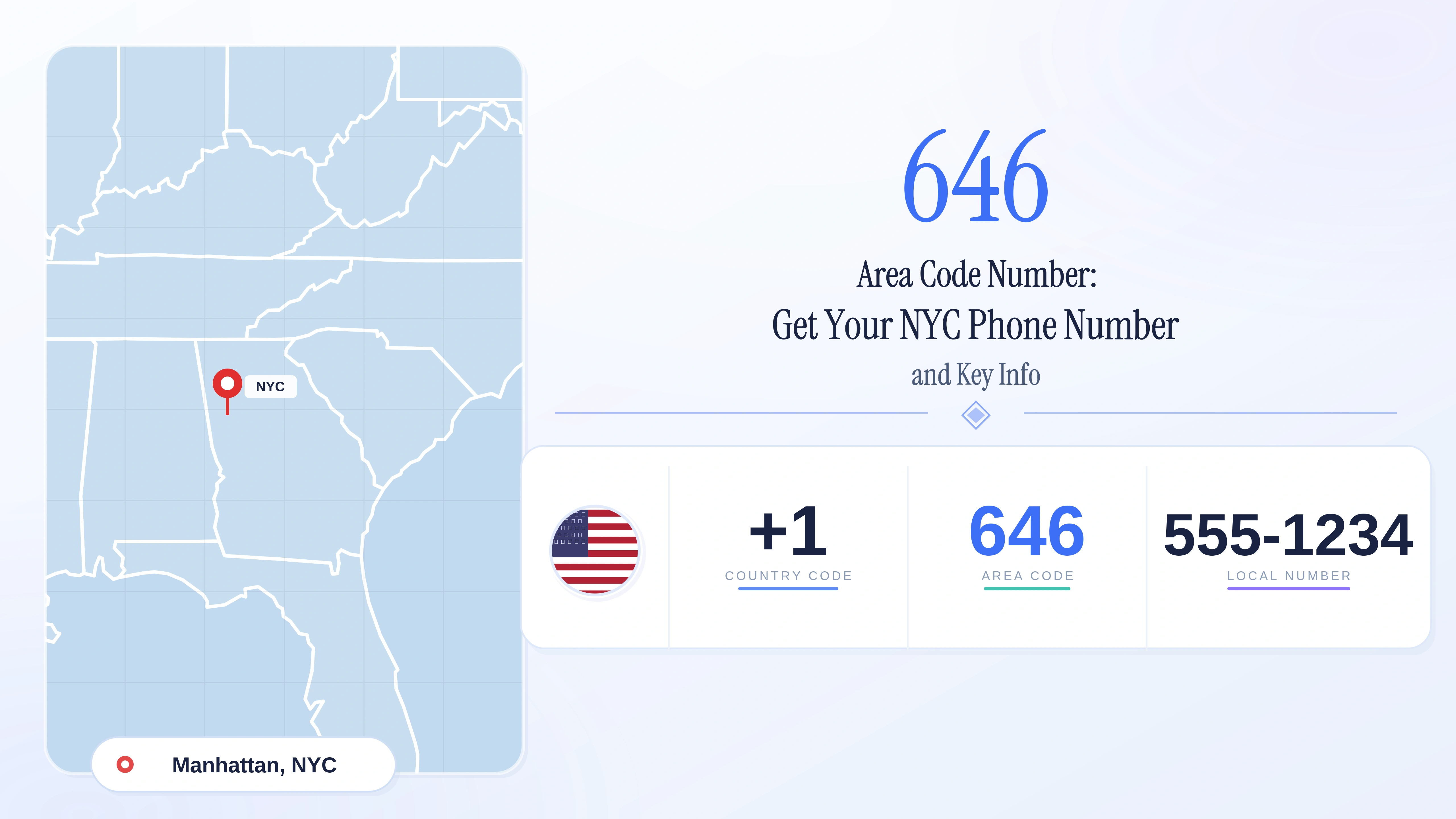
To understand the area code in a mobile number, one must first look at the structure of the telephone system in the United States, Canada, and parts of the Caribbean. The North American Numbering Plan (NANP) organizes telephone numbers into a ten-digit format: the three-digit Numbering Plan Area (NPA) code, followed by a three-digit Central Office code, and a four-digit line number.
The area code—the NPA—was historically designed to act as a routing prefix. In the era of electromechanical switching, the area code told the network which region of the country to send the call toward. When you dialed a number, the switches would interpret the first three digits to determine the geographic path the signal needed to travel. Because physical distance dictated the cost of maintaining the connection, these codes were intrinsically linked to regional long-distance billing structures.
The Evolution of Mobile Telephony and Geographic Decoupling
In the early days of cellular technology, mobile phones were strictly tethered to the geographic region where they were purchased. If you lived in New York, you had a New York area code. If you moved to California, your service would often be terminated or become prohibitively expensive because of "roaming" charges.
However, the rapid expansion of mobile carrier infrastructure in the early 2000s and the subsequent shift to "national coverage" models fundamentally changed this dynamic. Today, a mobile phone number's area code does not reflect the user’s current physical location. A user can reside in Seattle with a 212 area code (Manhattan) and travel to Miami without their mobile service being "roamed" in the traditional sense.
The area code has become a permanent identifier assigned at the time of activation. It acts as an anchor for the number in the database of the North American Numbering Plan Administration (NANPA), but it no longer restricts the device's mobility.
How Area Codes Shape Modern Calling Patterns
While the area code no longer dictates physical routing, it still plays a vital role in several aspects of modern communication:
1. Perception and Trust
Consumer psychology remains deeply tied to local presence. A business or individual with an area code matching the recipient’s region often sees higher answer rates. If a recipient sees a call from an unknown number with a familiar local area code, they are more likely to assume the caller is a neighbor, a local business, or a service provider, rather than a telemarketer or a scam operation. This is why many organizations prefer "local presence" dialing, where the caller ID is spoofed or selected to match the area code of the person being called.
2. Regulatory Compliance and Billing
While domestic long-distance charges have virtually disappeared for mobile users in the United States, regulators and carriers still utilize area codes for legal and administrative purposes. For example, some government agencies or local tax jurisdictions may rely on the registered area code to determine tax levies or compliance with state-specific telecommunications regulations.
3. Administrative Routing
Even if the number is mobile, the underlying infrastructure must know where the call "belongs" for regulatory reasons. When you place a call, the network performs a "dip" into a database called the Local Number Portability (LNP) database. This database tells the network which carrier currently owns that number and where to route the request, effectively ignoring the geographic implication of the area code in favor of the current service provider's network instructions.
Table: Comparison of Area Code Significance (Then vs. Now)
| Feature | Historical Significance (Pre-2000s) | Modern Significance (2026) |
|---|---|---|
| Call Routing | Used to determine physical network path. | Ignored in favor of LNP database queries. |
| Billing | Dictated long-distance vs. local rates. | Irrelevant under modern flat-rate plans. |
| Mobility | Tethered to the subscriber's location. | Fully mobile; independent of location. |
| Trust Factor | Minimal; everyone knew their region. | High; used to signal local origin/safety. |
| Number Portability | None; area code was carrier-bound. | High; numbers move between carriers. |
The Impact of Mobile Number Portability
The most significant disruption to the geographic certainty of area codes was the implementation of Local Number Portability (LNP). Before LNP, if you changed your service provider, you were often required to change your phone number. When regulators forced carriers to allow users to keep their numbers when switching providers, the link between the area code and the "home" carrier was broken.
Today, you can have a Verizon number with an area code originally assigned to AT&T, and you can live in a different state than the one the code represents. This flexibility is a hallmark of the 2026 telecommunications landscape, but it creates a situation where the area code is merely a digital label rather than a geographic or logistical necessity.
Troubleshooting and Common Misconceptions
A common error users face is the assumption that an area code change is required when they move. Because mobile carriers operate on national networks, you do not need to change your number when moving between states. Your existing number will continue to function seamlessly.
However, there are two exceptions where you might consider changing your area code:
- Business Localization: If you are running a local business, having an area code that matches your primary customer base can significantly increase trust and local search rankings.
- Spam Mitigation: If your number has been flagged by various spam-blocking services (often due to previous ownership or accidental flagging), changing your number—and thus your area code—can sometimes provide a "fresh start" in the eyes of network filtering algorithms.
Considerations for International Callers
For those outside the United States, the area code serves a different function. When dialing a North American number from abroad, the area code is treated as the "city code." While the phone will still ring regardless of the user's location, callers from overseas may use the area code to identify the region they believe they are calling, which may impact their willingness to pay the costs associated with international long-distance rates.
Expert Guidance for Mobile Users
If you are choosing a new mobile number or considering changing your existing one, consider the following:
- Maintain Your Identity: If you have had the same number for a long time, the area code is often linked to your digital identity (such as two-factor authentication accounts and contacts). Changing it requires updating every service that uses your number for security.
- Evaluate Business Needs: If you are a remote worker or freelancer, assess whether a "local" area code provides a competitive advantage in your specific market. If your clients are in a specific region, a matching area code can simplify their perception of your proximity.
- Check for Scarcity: In some major metropolitan areas, certain area codes are fully depleted. If you move out of a region and want to re-acquire an area code for that region later, it may not be available.
Frequently Asked Questions
Does my area code affect the cost of my calls? In 2026, for the vast majority of mobile plans in the United States and Canada, the area code has zero impact on your calling costs. Mobile plans generally offer unlimited nationwide calling. Long-distance and roaming within the country have been largely eliminated for standard consumer plans.
Can I keep my number if I move to a different state? Yes. You can keep your current mobile number, including your existing area code, regardless of where you move within the country. Your carrier’s network is designed to route calls to your device regardless of its physical proximity to the geographic region associated with your area code.
Why do I get spam calls from my own area code? This is a technique known as "neighbor spoofing." Spammers intentionally use the first six digits of your number (the area code and exchange) to make the call appear local and trustworthy, increasing the likelihood that you will pick up the phone.
Is it possible to change my area code without changing carriers? Yes. You can contact your mobile service provider and request a "number change." They will assign you a new number from their inventory. Be aware that you cannot typically choose a specific number, and you will lose your existing number immediately upon the switch.
Do business VoIP lines use area codes differently? Business VoIP services operate similarly to mobile phones regarding area codes. They provide "virtual" local presence, allowing a company based in Europe to provide a local 212 (New York) number to its US clients to reduce friction and improve customer trust.
Next Steps and Recommendations
If you are concerned about your current area code, assess whether your specific usage—such as local business operations or personal preference—necessitates a change. For most mobile users, keeping an established number is recommended due to the complexity of updating personal records across various digital platforms. If you receive excessive spam, start by utilizing the native "Silence Unknown Callers" features on your device rather than changing your number immediately, as spammers often target numbers randomly, regardless of the area code.