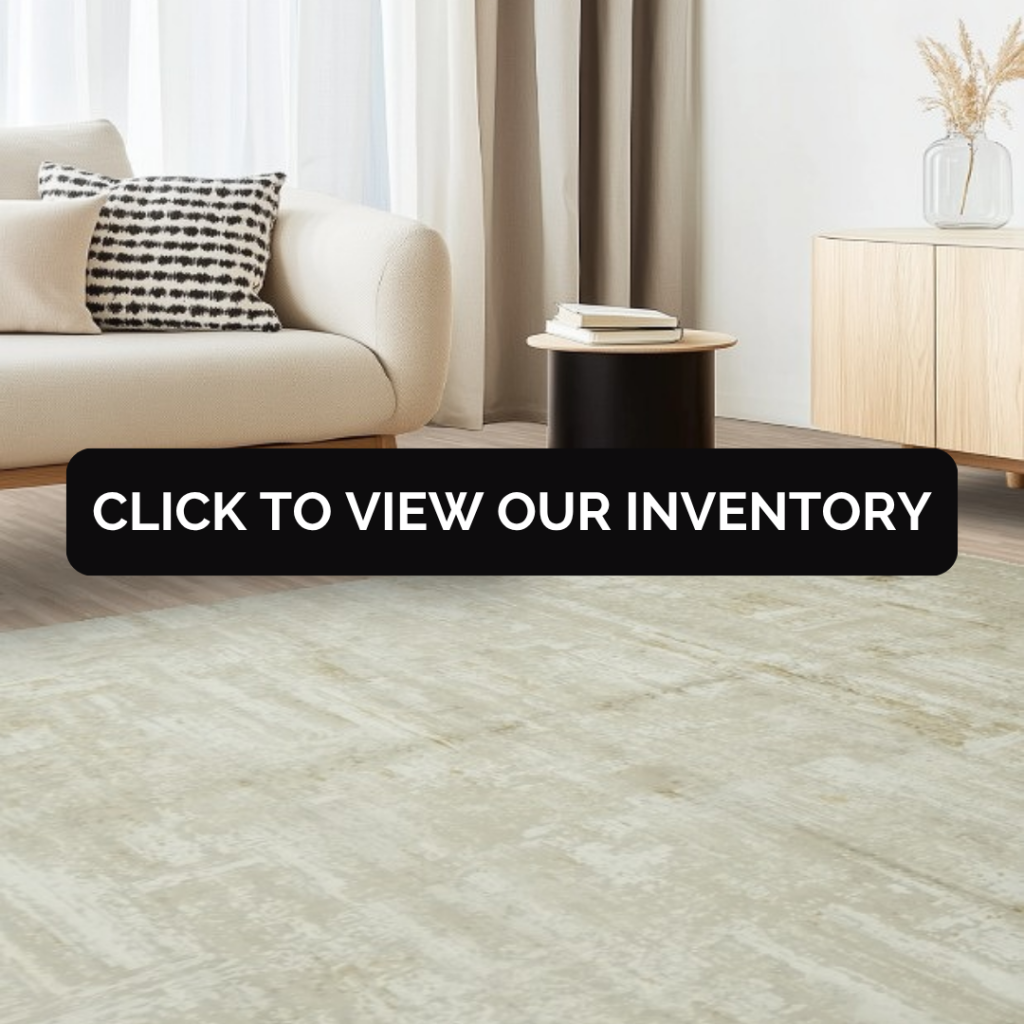
Selecting a 7x10 area rug is a transformative design decision that balances room proportion, furniture layout, and floor protection. This specific size is highly versatile, providing a foundational anchor for mid-sized living rooms, dining areas, and bedrooms. Proper selection requires assessing your floor plan’s traffic patterns, the scale of your existing furniture, and the material durability necessary for your household's unique lifestyle demands.
Understanding the Versatility of 7x10 Area Rugs
The 7x10 dimension occupies a "sweet spot" in interior design. It is large enough to ground a seating arrangement without overwhelming a room, yet compact enough to avoid the installation complexities of custom-fitted wall-to-wall carpeting.
When you choose a 7x10 rug, you are essentially defining a "zone" within a larger space. In an open-concept living area, for instance, a 7x10 rug can visually separate the lounging area from the kitchen or dining space. Unlike standard 5x8 rugs, which often leave furniture feeling "floating" or disconnected from the floor, the 7x10 size provides the necessary surface area to accommodate the front legs of a sofa and two chairs, creating a cohesive visual unit.
Assessing Your Space: Room-by-Room Placement
Placement is the primary factor in determining if a 7x10 rug will succeed in your home. Before purchasing, measure your floor area while accounting for immovable obstacles like radiators, floor vents, or built-in cabinetry.
The Living Room Arrangement
In the living room, the 7x10 rug typically serves as an anchor for the primary seating group. The industry-standard "front-legs-on" approach works exceptionally well with this size. By placing the front legs of your sofa and accent chairs onto the rug, you tether the furniture to the space. This prevents the rug from looking like a small island in the center of the room and creates a unified aesthetic.
Dining Room Utility
Using a 7x10 rug in a dining room requires careful consideration of chair movement. A 7x10 space is best suited for a small dining set consisting of a round table or a rectangular table with four to six chairs. The critical technical requirement here is that the rug must be large enough to allow chairs to be pulled out from the table while remaining entirely on the rug. If the back legs of the chair catch on the edge of the rug when seated, the arrangement will feel unstable and become a tripping hazard.
Bedroom Considerations
In bedrooms, a 7x10 rug is often placed perpendicularly to the bed. A common layout involves tucking the rug beneath the lower two-thirds of a queen-sized bed. This allows the rug to extend beyond the sides and foot of the bed, providing a soft surface for your feet upon waking. Ensure that the rug does not conflict with closet doors or entrance doors that swing inward.
Material Selection and Technical Durability
The material composition of your 7x10 rug dictates its longevity and maintenance requirements. Understanding fiber types is essential for long-term satisfaction.
- Wool: Renowned for durability and natural stain resistance. Wool rugs provide a luxury feel and excellent insulation. However, they are prone to shedding during the first few months and may require professional cleaning to maintain their structure.
- Synthetics (Polypropylene/Nylon): These are ideal for high-traffic areas and households with pets or children. Polypropylene is highly stain-resistant and colorfast, making it a pragmatic choice for living rooms with heavy foot traffic.
- Natural Fibers (Jute/Sisal): These materials offer an organic, textured aesthetic. While eco-friendly and durable, they are not moisture-resistant and can be abrasive underfoot. They are best reserved for lower-traffic areas or layered under softer, smaller rugs.
- Cotton/Flatweave: Lightweight and easy to clean, these are perfect for casual spaces. Because they lack a high pile, they are excellent for high-traffic entryways or spaces where doors need to clear the rug surface easily.
Strategic Buying Considerations: Beyond Dimensions
When shopping for a 7x10 area rug in 2026, consider the following technical factors to ensure you are receiving value for your investment:
Pile Height and Door Clearance
Before purchasing, measure the gap between your floor and the bottom of your nearest door. If the rug is too thick (high pile or shag), it may obstruct the door’s swing. For areas near entryways, a flatweave rug with a pile height of 0.25 inches or less is generally recommended to ensure smooth operation.
Rug Pads: A Non-Negotiable Requirement
Regardless of the rug’s price, a high-quality rug pad is essential. A pad serves three critical purposes:
- Safety: It prevents the rug from slipping on hardwood, tile, or laminate surfaces, reducing the risk of falls.
- Longevity: It absorbs the impact of foot traffic, preventing the rug’s backing from grinding against the floor and reducing pile crushing.
- Comfort: It adds a layer of cushioning that makes even thinner rugs feel more substantial and luxurious.
Color and Pattern Psychology
In a 7x10 footprint, the pattern of a rug can significantly alter the perceived size of a room. Light-colored or monochromatic rugs tend to make a space feel larger and more open, while darker, intricate, or highly patterned rugs can make a large room feel more intimate and grounded. If you are placing the rug in a high-traffic zone, avoid solid light colors, as they will show dirt and debris more readily than a variegated or patterned weave.
Comparison Table: Rug Materials and Use Cases
| Material | Durability | Maintenance | Best For |
|---|---|---|---|
| Wool | High | Professional Clean | Living Room / Bedrooms |
| Polypropylene | Very High | Easy / Washable | High Traffic / Dining |
| Jute/Sisal | Moderate | Vacuum Only | Sunrooms / Entryways |
| Cotton | Low | Machine Washable | Kitchens / Nurseries |
Common Mistakes to Avoid
- Measuring the Furniture Instead of the Space: Many buyers measure the sofa and purchase a rug that matches that length. Instead, measure the desired "landing zone" on your floor, ensuring it allows for an extra 6 to 12 inches of rug extending beyond the furniture on all sides.
- Ignoring Traffic Flow: Placing a rug in a way that forces people to walk half-on and half-off the edge creates a lopsided aesthetic and uneven wear patterns.
- Skipping the Sample: If you are buying a significant, investment-grade rug, order a small swatch or sample first. Colors can appear drastically different under artificial LED lighting compared to natural daylight.
Frequently Asked Questions
Does a 7x10 rug truly measure 7 feet by 10 feet? Standard area rug dimensions can sometimes vary by a few inches due to the manufacturing process, especially with hand-woven items. Always check the specific product description for "exact dimensions" versus "nominal dimensions" to ensure it fits your specific floor area.
How do I get wrinkles out of a new 7x10 rug? Most rugs will flatten out on their own within a few days of being unrolled. If the corners are curled, place a heavy object (like a stack of books) on the corners for 24–48 hours, or use a steamer on the back of the rug to relax the fibers.
Can I use a 7x10 rug on top of wall-to-wall carpet? Yes, but you must use a rug pad specifically designed for carpet-to-rug layering. These pads have a different backing material to prevent the rug from "creeping" or bunching up as you walk across it.
How often should I rotate my 7x10 area rug? To ensure even wear, rotate your rug 180 degrees every six months. This is especially important if the rug is in a room with direct sunlight, as it helps prevent uneven fading of the dyes.
What is the best way to clean a 7x10 rug? Regular vacuuming is the primary maintenance task. For deep cleaning, refer to the manufacturer’s instructions. Many synthetic rugs are compatible with spot-cleaning agents, while natural fibers like wool and silk should generally be left to professional cleaners to avoid fiber damage or color bleeding.
Next Actions for Your Purchase
To move forward with your selection, start by marking the 7x10 dimensions on your floor using painter’s tape. This visual aid will help you determine if the size effectively anchors your furniture or if it creates an awkward transition between floor types. Once you have confirmed the fit, filter your search by fiber type based on your household's traffic levels. If you have pets or active children, prioritize polypropylene or durable wool blends. Finally, bundle the purchase of a high-quality rug pad with your rug to ensure you have the necessary protection upon delivery.