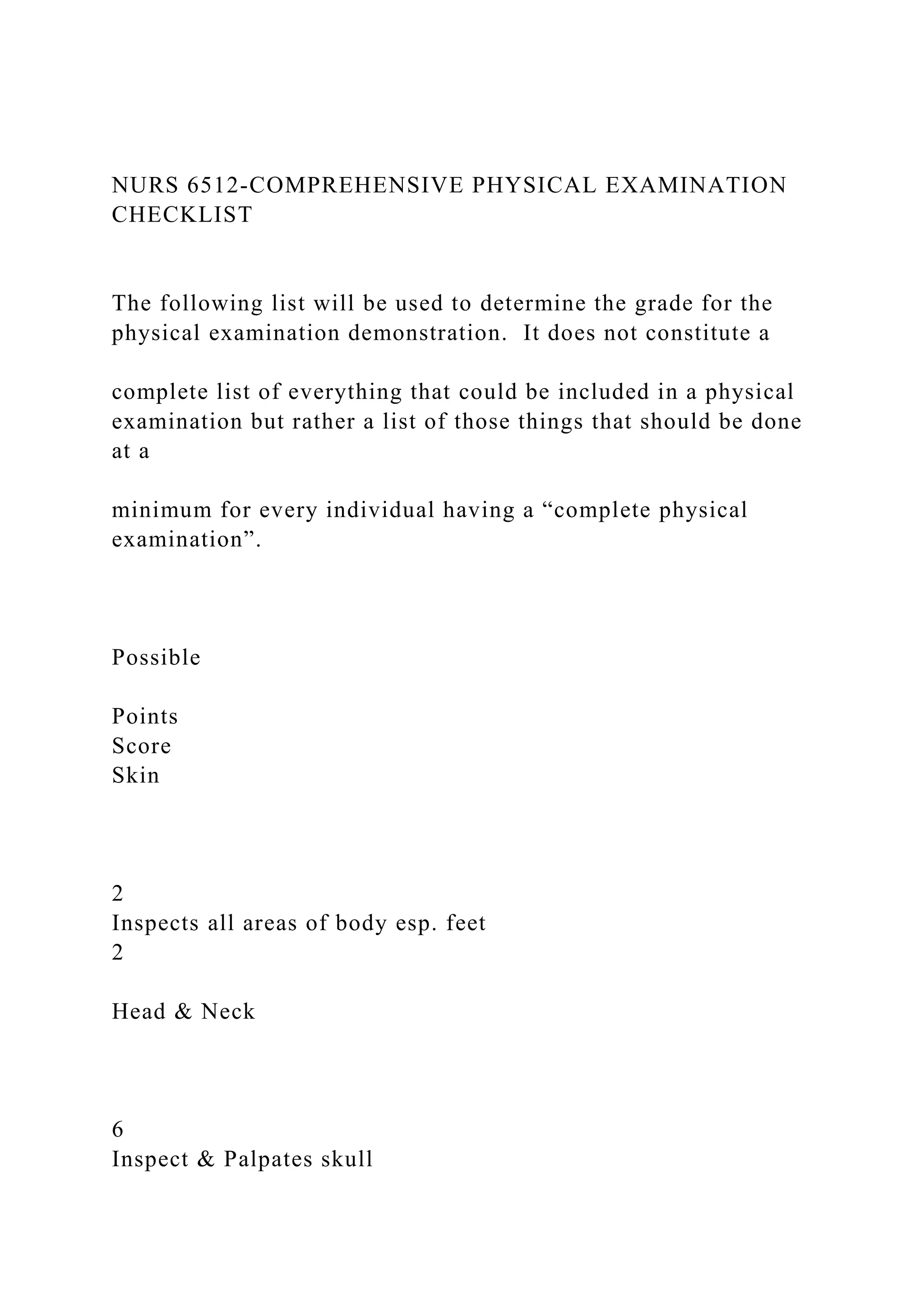
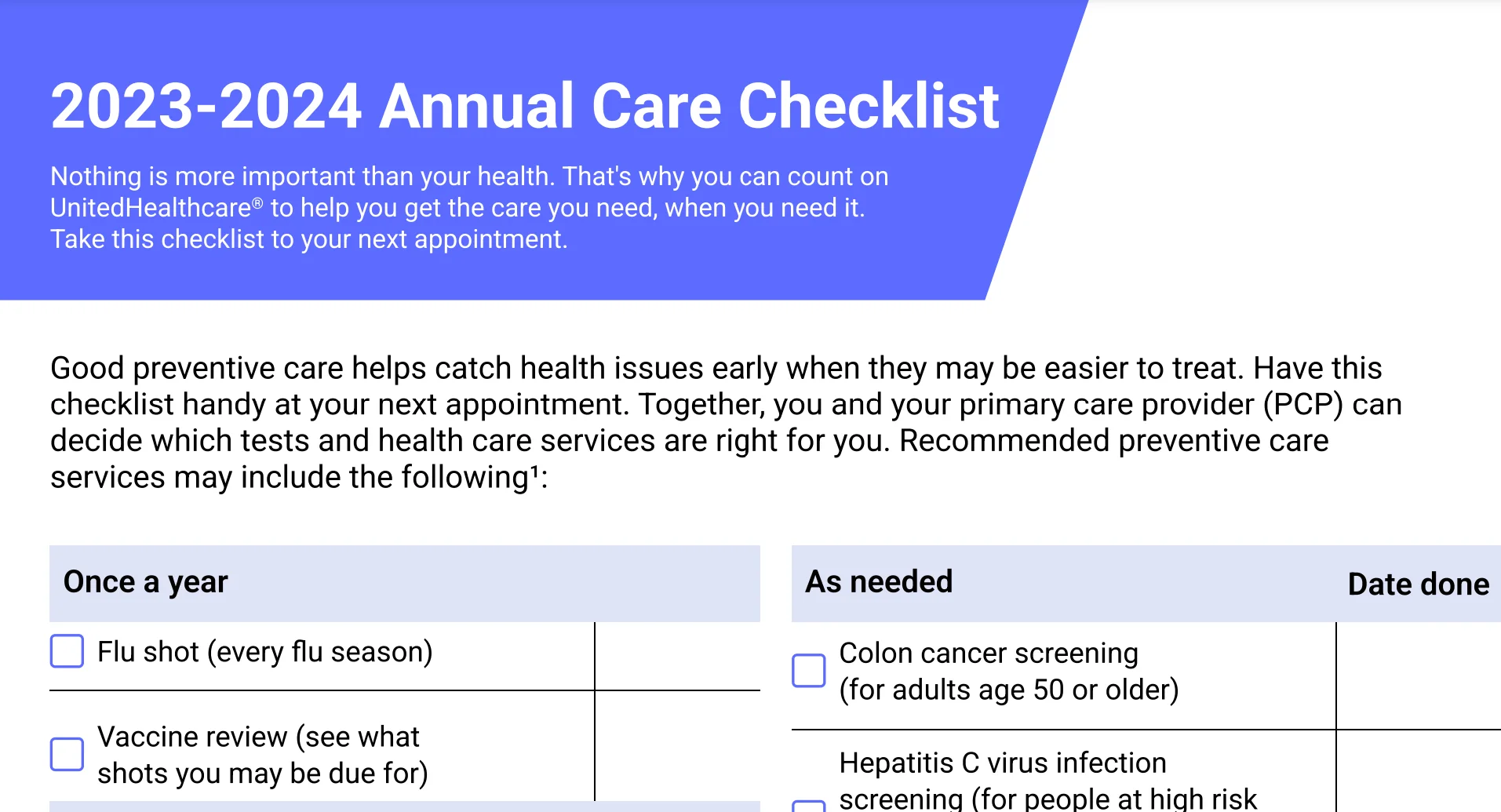
An annual physical exam serves as a vital cornerstone for preventive healthcare, allowing women to monitor physiological changes, screen for silent diseases, and establish a health baseline with their primary care provider. This 2026 checklist outlines specific screenings, immunizations, and diagnostic tests categorized by age to ensure personalized and proactive medical management throughout every life stage.
The Evolution of the Annual Wellness Visit
The traditional "yearly physical" has evolved into a more comprehensive Annual Wellness Visit (AWV). In 2026, clinical focus has shifted from a generic head-to-toe examination toward evidence-based preventive services. The primary goal is to identify risk factors before they manifest as chronic conditions. For women, this involves a multi-system approach that integrates reproductive health, cardiovascular monitoring, metabolic screening, and mental health assessment.
Establishing a consistent relationship with a healthcare provider ensures that your medical history is tracked accurately. This continuity of care is essential for interpreting test results that may fall within "normal" ranges but show a concerning trend for your specific physiology. Whether you are in your 20s or your 80s, the checklist below provides the framework for these essential consultations.
Universal Health Markers for Every Age
Regardless of age, certain biometric measurements remain standard during every annual exam. These markers provide a snapshot of your general systemic health and serve as early warning signs for various complications.
- Blood Pressure Monitoring: Hypertension is often asymptomatic. Providers check for readings above 120/80 mmHg to assess cardiovascular risk.
- Body Mass Index (BMI) and Waist Circumference: These measurements help evaluate the risk for metabolic syndrome, type 2 diabetes, and heart disease.
- Clinical Breast Exam (CBE): While self-exams are encouraged, a clinical exam by a professional can detect abnormalities or changes in breast tissue that might require imaging.
- Mental Health Screening: Standardized tools like the PHQ-9 (depression) and GAD-7 (anxiety) are now routine parts of the 2026 physical to address the rising prevalence of stress-related disorders.
- Skin Check: A visual inspection of moles and lesions is performed to identify early signs of melanoma or basal cell carcinoma.
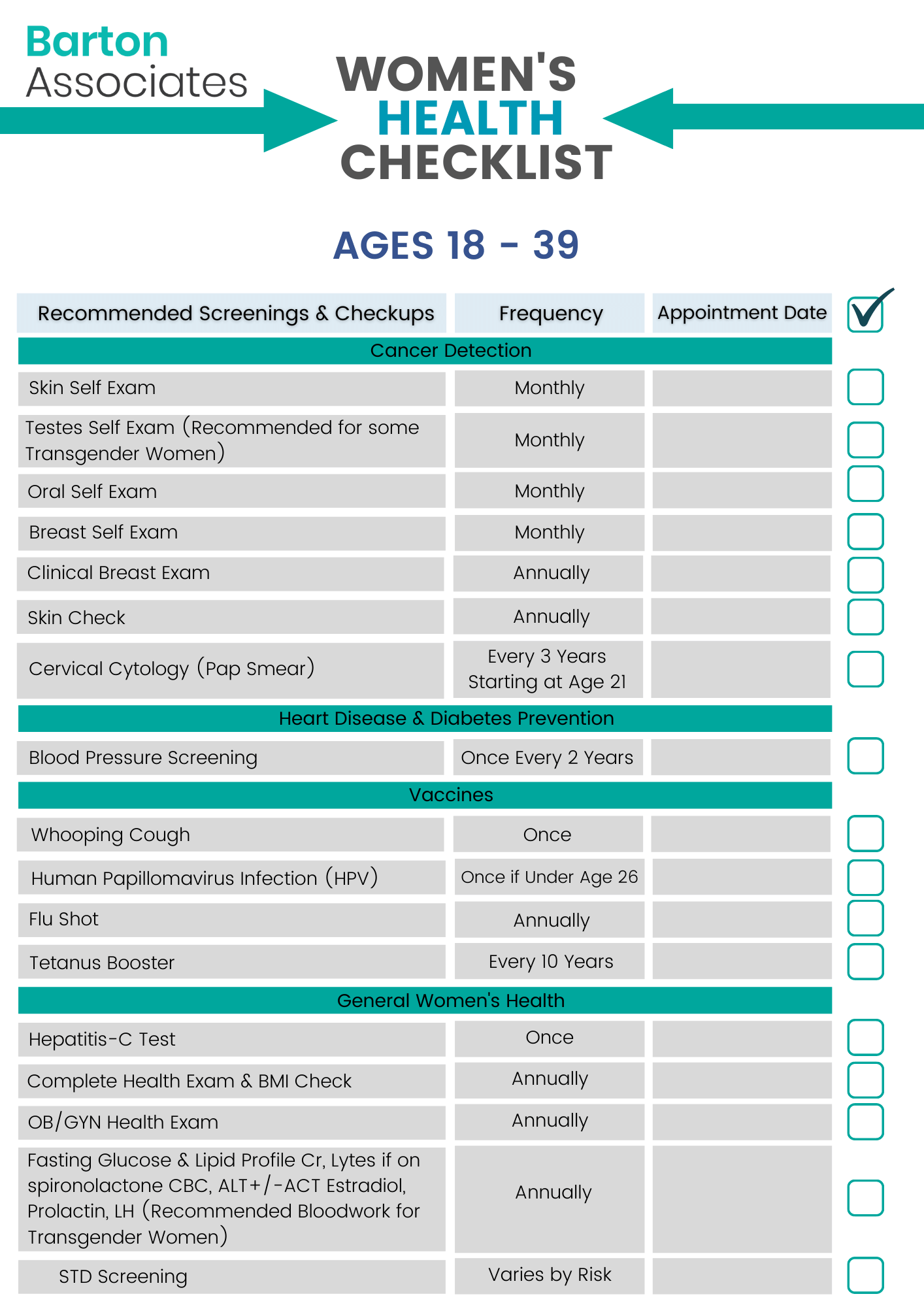
Health Checklist: Ages 18 to 39
For younger women, the focus is largely on reproductive health, establishing healthy lifestyle habits, and protecting against infectious diseases. This period is critical for setting the "metabolic stage" for the decades to come.
Reproductive and Cervical Health
The Pap smear remains one of the most successful cancer screening tools. Current guidelines recommend that women start cervical cancer screening at age 21. Between 21 and 29, a Pap test every three years is standard. Once a woman reaches 30, providers often transition to primary HPV (Human Papillomavirus) testing or a combination of Pap and HPV testing (co-testing) every five years.
Infectious Disease and Prevention
Sexually Transmitted Infection (STI) screenings, including tests for chlamydia and gonorrhea, are recommended annually for all sexually active women under 25 and for older women at increased risk. Additionally, a one-time screening for Hepatitis C and HIV is standard protocol to ensure early detection and treatment.
Metabolic Baselines
While younger women are generally at lower risk for heart disease, a lipid panel (cholesterol test) should be performed at least once in your 20s to establish a baseline. If results are normal and no risk factors exist, this can be repeated every four to six years.
Health Checklist: Ages 40 to 49
The 40s represent a significant transition period, often marked by the onset of perimenopause. Screening focus shifts toward early detection of chronic diseases and hormonal management.
Breast Health and Mammography
As of 2026, the consensus among major health organizations, including the U.S. Preventive Services Task Force (USPSTF), is that women should begin biennial (every two years) screening mammograms starting at age 40. For women with a family history of breast cancer or dense breast tissue, annual screenings or supplemental imaging (like ultrasound or MRI) may be recommended.
Colorectal Cancer Screening
One of the most significant changes in recent years is the lowering of the age for initial colorectal cancer screening from 50 to 45. This shift is a response to the rising incidence of early-onset colorectal cancer. Options include high-sensitivity stool-based tests (annually) or a colonoscopy (every 10 years if results are normal).
Metabolic and Vision Health
- Diabetes Screening: Testing for prediabetes and Type 2 diabetes (A1c or fasting glucose) should begin at age 35 for those with a high BMI and be repeated at least every three years.
- Vision and Eye Health: Presbyopia (difficulty focusing on near objects) often begins in the 40s. A baseline comprehensive eye exam is recommended to check for glaucoma and retinal health.
Health Checklist: Ages 50 to 64
This age bracket is characterized by the menopause transition and an increased risk for cardiovascular and bone health issues.
Bone Density (DEXA Scan)
While the general recommendation for a baseline DEXA scan (bone mineral density test) is age 65, women with risk factors such as a small frame, smoking history, or prolonged steroid use should consider screening earlier, often at the onset of menopause. Estrogen loss significantly accelerates bone thinning (osteoporosis).
Menopause Management
The annual physical during these years should include a deep dive into menopausal symptoms, including vasomotor symptoms (hot flashes), sleep disturbances, and vaginal atrophy. This is the appropriate time to discuss the risks and benefits of Hormone Replacement Therapy (HRT) or non-hormonal alternatives.
Cardiovascular Intensive Monitoring
Heart disease is the leading cause of death for women. During these years, your provider will likely calculate your 10-year ASCVD (Atherosclerotic Cardiovascular Disease) risk score. This takes into account your cholesterol, blood pressure, and age to determine if statin therapy or other interventions are necessary.
Health Checklist: Age 65 and Older
For seniors, the priority shifts toward maintaining functionality, preventing falls, and monitoring cognitive health.
Sensory and Cognitive Screenings
- Hearing Exams: Annual hearing tests help prevent social isolation and are increasingly linked to the preservation of cognitive function.
- Cognitive Assessment: Brief screenings (like the Mini-Cog) help detect early signs of Alzheimer’s or other dementias.
- Fall Risk Assessment: Evaluation of gait, balance, and home safety is essential to prevent fractures.
Continued Cancer Screenings
Cervical cancer screenings can typically stop at age 65 if you have had adequate prior screening with normal results. Mammograms and colorectal screenings generally continue until age 75 or 85, depending on overall health and life expectancy.
| Screening/Test | Age to Start | Frequency | Notes |
|---|---|---|---|
| Blood Pressure | 18 | Annually | More frequent if above 120/80. |
| Pap Smear | 21 | Every 3 years | At age 30, can switch to HPV test every 5 years. |
| Mammogram | 40 | Every 1-2 years | Earlier if high-risk family history. |
| Colonoscopy | 45 | Every 10 years | Stool tests are an annual alternative. |
| Cholesterol (Lipid) | 20 | Every 4-6 years | Annual if high risk or on medication. |
| A1c (Diabetes) | 35 | Every 3 years | Earlier if BMI is over 25. |
| DEXA (Bone Density) | 65 | Once/As needed | Start at menopause if risk factors exist. |
| Shingles Vaccine | 50 | 2-dose series | Shingrix is the preferred vaccine. |
Immunization Schedule for Women in 2026
Vaccinations are not just for children; they are vital for adult health to prevent severe complications from common viruses.
- Influenza (Flu): One dose annually for all ages.
- Tdap (Tetanus, Diphtheria, Pertussis): A booster every 10 years. Pregnant women should receive one dose during every pregnancy (ideally 27–36 weeks) to protect the newborn.
- HPV Vaccine: Recommended up to age 26. In some cases, adults aged 27–45 may receive it after discussing with their doctor.
- Shingles (Shingrix): A two-dose series starting at age 50.
- Pneumococcal Vaccine: Recommended for adults 65 and older, or younger adults with certain chronic conditions (e.g., asthma, diabetes).
- COVID-19: Updated seasonal boosters as recommended by the CDC.
Preparing for Your Appointment: Questions to Ask
To maximize the value of your annual physical, preparation is essential. Doctors often have limited time, so arriving with a structured list of concerns ensures nothing is overlooked.
Review Your Family History: In 2026, genomic medicine is more integrated into primary care. Inform your doctor if any first-degree relatives (parents or siblings) have been diagnosed with cancer, heart disease, or autoimmune disorders since your last visit.
Document Your Medications: Include dosages for all prescriptions, over-the-counter drugs, and herbal supplements. Many supplements can interfere with prescription medications or affect lab results (for example, Biotin can interfere with thyroid tests).
Specific Questions to Ask:
- "Based on my family history, should I be screened for any conditions earlier than the standard age?"
- "Are my current blood pressure and cholesterol levels putting me at high risk for heart disease?"
- "Are there any lifestyle changes—dietary or exercise—that you recommend before my next visit?"
- "Which immunizations am I due for this year?"
Practical Recommendation: The Health Folder Strategy
A practical next action is to create a digital or physical "Health Folder." In 2026, most patients have access to multiple "Patient Portals" from different specialists. Consolidating your labs, imaging reports, and immunization records in one place allows you to provide a clear picture to any new provider. This also helps you track your own trends, such as a creeping A1c level or a slight increase in blood pressure over five years, which might otherwise be ignored if you only look at "normal" ranges year-to-year.
Frequently Asked Questions
Do I really need a physical every year if I feel healthy?
Yes. Many significant health issues, including high blood pressure, high cholesterol, and early-stage cancers, do not produce symptoms in their initial phases. The annual physical is about "wellness" and prevention, not just treating existing illness. It also ensures your medical records are updated for insurance and employment purposes.
Can I get all my screenings done in one visit?
Usually, no. While the physical exam and blood draws happen during the visit, screenings like mammograms, colonoscopies, and DEXA scans require specialized equipment and are often scheduled as separate appointments at imaging centers. Use your annual physical to get the necessary referrals for these tests.
What is the difference between a pelvic exam and a Pap smear?
A pelvic exam is a physical inspection of the reproductive organs (vagina, cervix, uterus, and ovaries) to check for abnormalities, cysts, or inflammation. A Pap smear is a specific procedure performed during a pelvic exam where cells are collected from the cervix to be tested for cancerous or precancerous changes. You can have a pelvic exam without having a Pap smear.
Should I fast before my annual physical?
In most cases, yes. To get an accurate reading of your fasting blood glucose and triglyceride levels, you should avoid eating or drinking anything (except water) for 8 to 12 hours before your blood draw. Always confirm fasting requirements with your doctor’s office when scheduling.
Are annual physicals fully covered by insurance in 2026?
Under the current preventive care mandates, most insurance plans cover one "Wellness Visit" per year with no co-pay. However, if the visit shifts from "prevention" to "diagnostic" (e.g., if you spend the time discussing a specific new pain or chronic condition), the doctor may bill it differently, which could result in a co-pay.